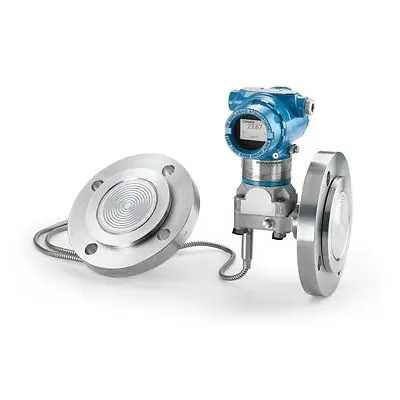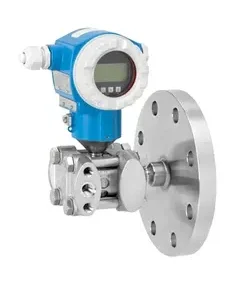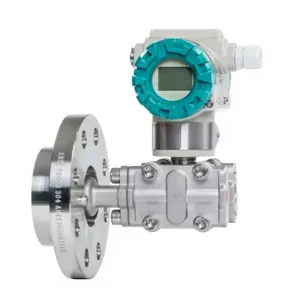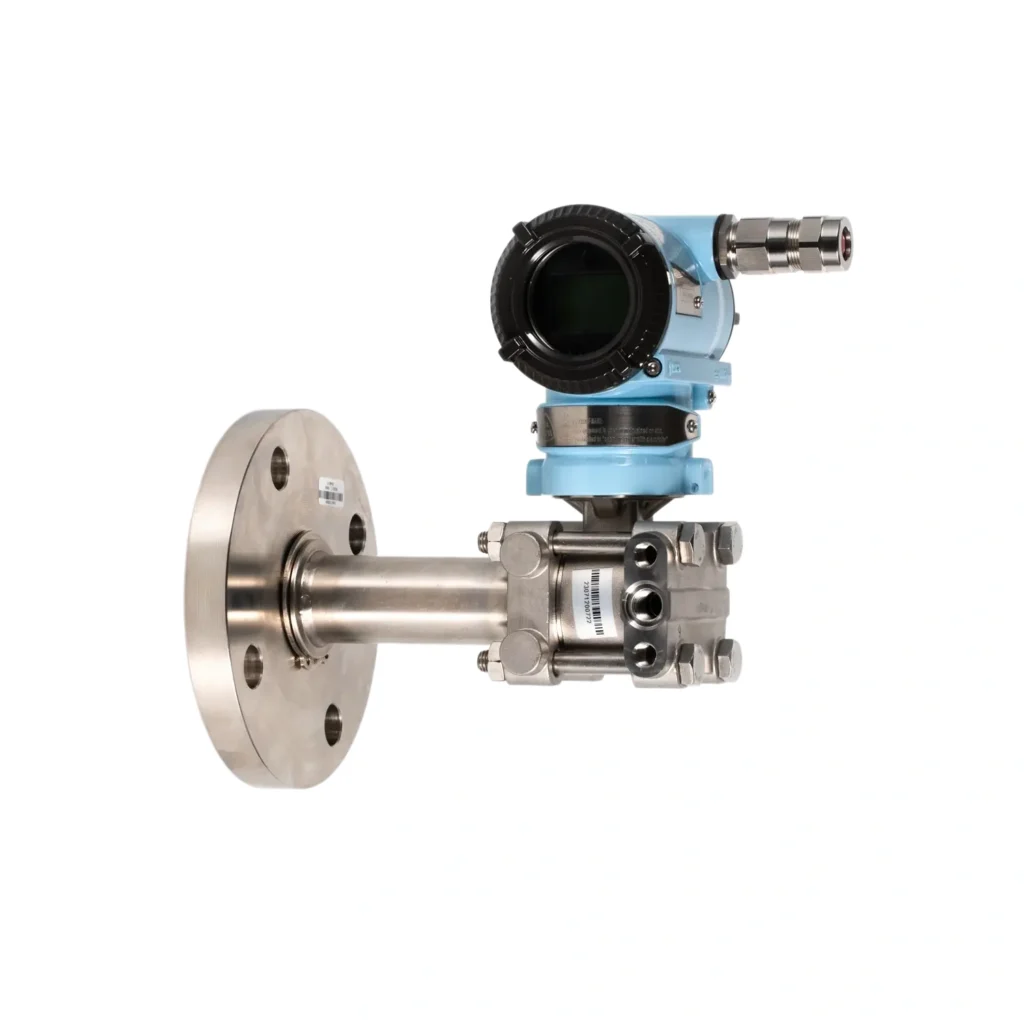
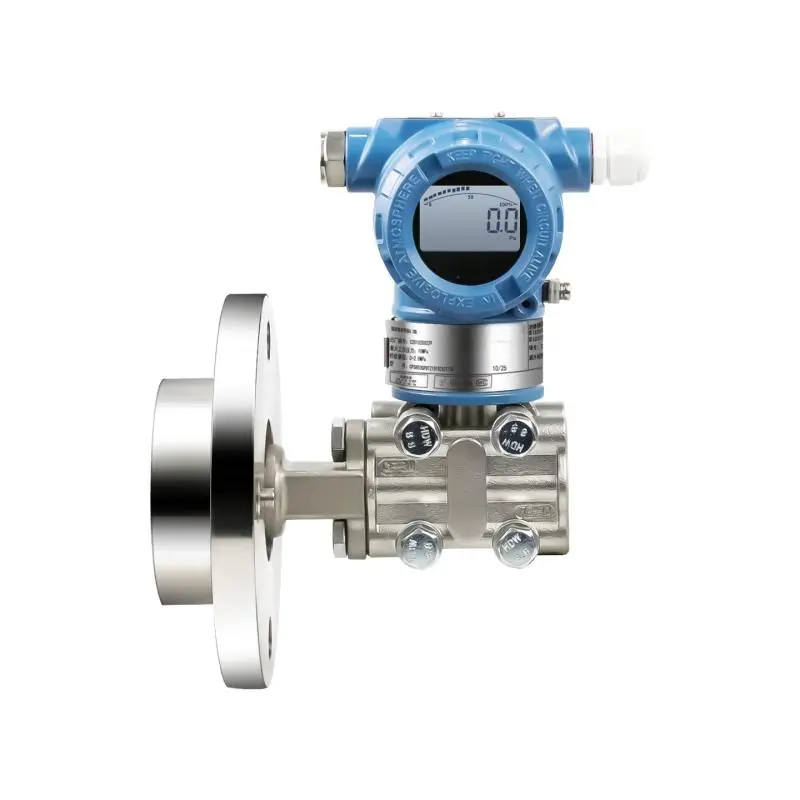
Diaphragm Seal Differential Pressure Transmitter
A diaphragm seal differential pressure transmitter is an industrial instrument used for level measurement based on the differential pressure principle. It is typically composed of a differential pressure transmitter body, a single-side diaphragm seal assembly, a flanged process connection, and either a capillary remote seal or direct-mount structure. It is suitable for continuous level measurement in storage tanks, reactors, towers, and similar equipment.
Compared with conventional impulse line level measurement methods, the diaphragm seal structure is better suited for high-temperature, viscous, crystallizing, clogging, or corrosive media. It can provide a stable 4–20 mA output and may also support HART communication, making it easy to integrate with PLC, DCS, and other automation control systems.
- Pressure Type: Gauge Pressure, Absolute Pressure, Differential Pressure, Level
- Pressure Range: -1 bar to 30 bar, 0~300mH2O
- Accuracy: ±0.075%, ±0.2%
- Output Signal: 4–20 mA / HART
- Process Connection: DN20 / DN25 / DN40 / DN50 / DN65 / DN80 / DN100 / DN150 (customized available)
- Diaphragm Material: SS316L, HC-276, Tantalum, Gold-plated
- Power Supply: 12–36 VDC
- Protection Rating: IP65 / IP67
- OEM Service: Available. The transmitter can be supplied with your company name and logo on the nameplate.
- Packaging: Individual carton box with protective foam.
- Weight: Approx. 6 kg per unit.
- Port of Shipment: Shanghai or Ningbo Port, China.
- Delivery Time: 3-7 working days.
- Transportation: Air freight, sea freight, or express delivery.
- Documentation: Certificate of Conformity (COC); Inspection / Test Report; Packing List; Commercial Invoice
Accessories for Diaphragm Seal DP Level Transmitters
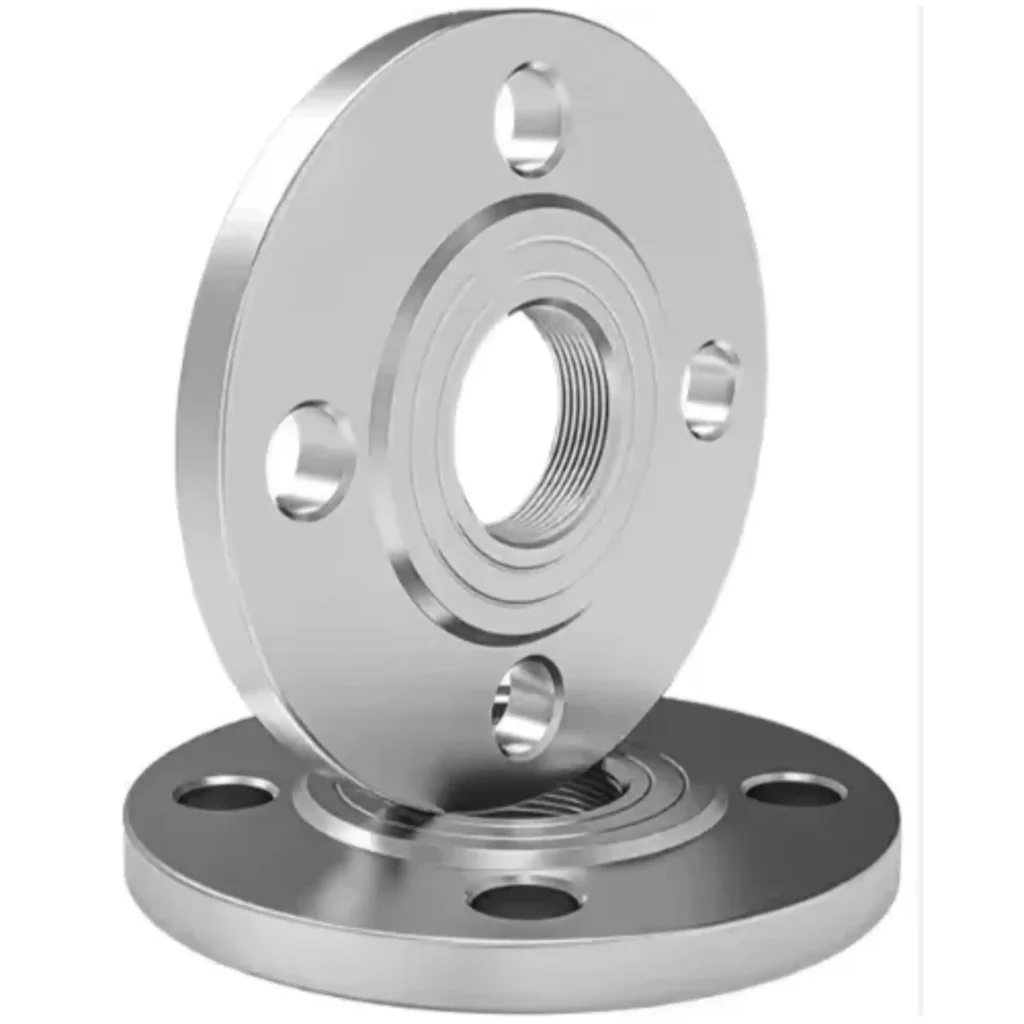
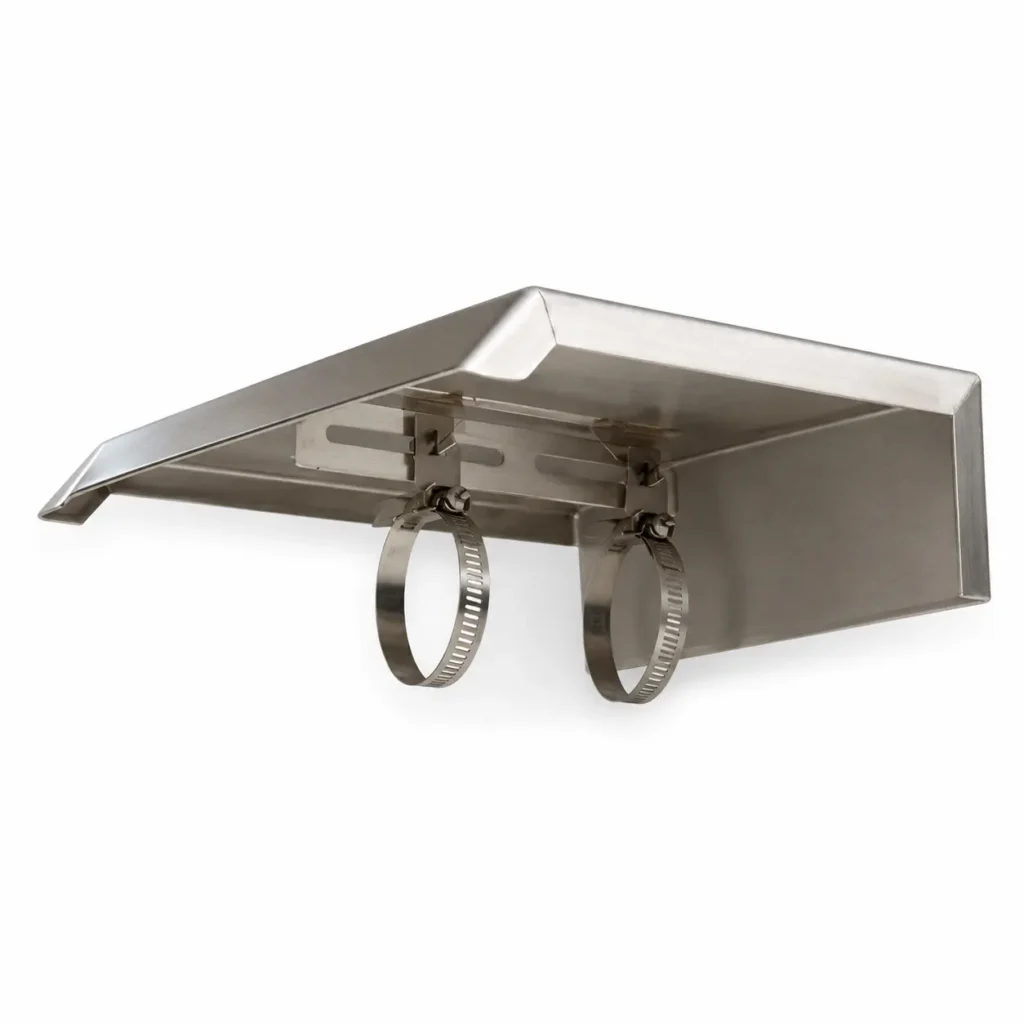

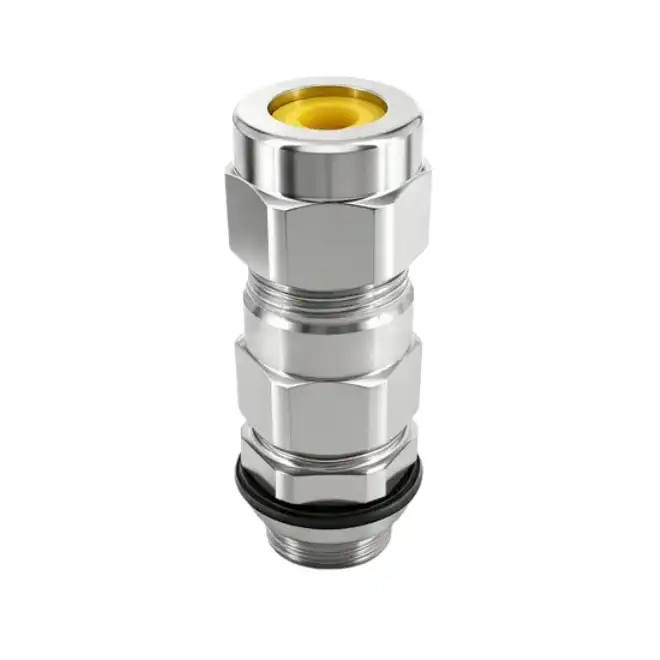
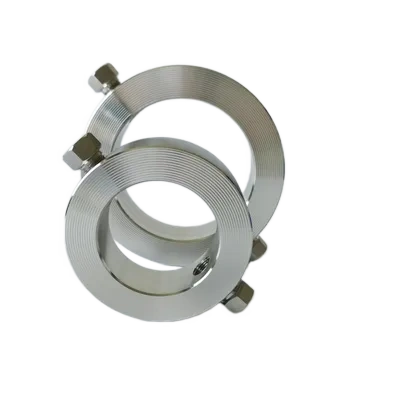
Table of Contents
Diaphragm Seal Differential Pressure Transmitter Overview
1. What Is a Diaphragm Seal Differential Pressure Transmitter?
A diaphragm seal differential pressure transmitter is a differential pressure level measurement instrument equipped with a diaphragm seal flange on the high-pressure side. In essence, it still belongs to the category of differential pressure transmitters, but with an added diaphragm seal at the process connection, making it more suitable for level measurement in complex media and under special installation conditions.
The term “diaphragm seal” refers to its process connection structure, while “differential pressure” describes its measuring principle. In other words, it is neither a standard threaded pressure transmitter nor merely a flange-mounted pressure transmitter for pressure measurement. Instead, it is a structured level measurement solution that converts differential pressure into liquid level.
This type of product is widely used in chemical, pharmaceutical, food, water treatment, storage and transportation, and environmental protection industries, especially in applications where conventional impulse line level measurement is unstable, prone to clogging, or requires frequent maintenance.
2. Structure and Diagram of a diaphragm seal differential pressure transmitter
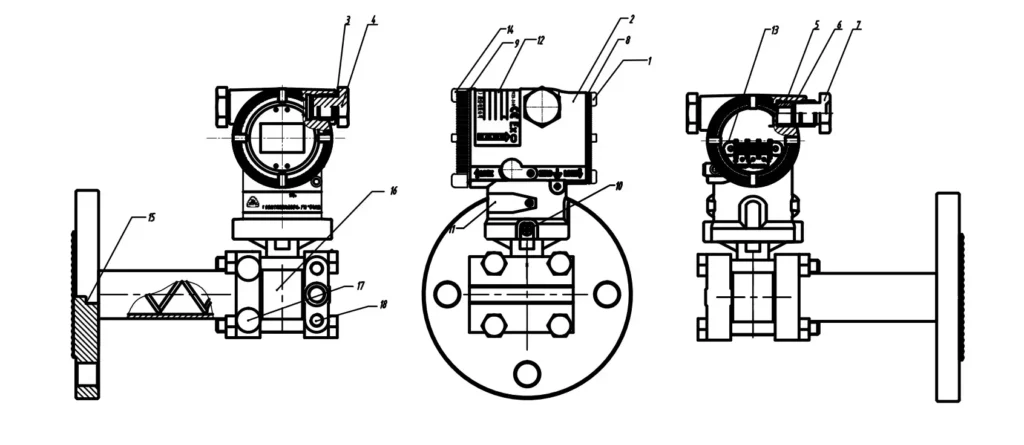
A diaphragm seal differential pressure transmitter generally consists of the following parts:
Differential Pressure Transmitter Body
This is the signal processing core of the product. It senses pressure signals and converts them into 4–20 mA or digital communication signals. Its structure is often similar to a 3051-style industrial transmitter, offering good stability, anti-interference capability, and field adaptability.
Single-Side Diaphragm Seal Assembly
Installed on one side of the transmitter process connection, it transfers medium pressure to the internal fill fluid system through the isolation diaphragm while isolating the measured medium from the sensitive internal parts to prevent corrosion, clogging, or contamination.
Flanged Process Connection
Used to mount the instrument on a tank, tower, or equipment nozzle. Flange size, pressure rating, standard, and sealing face can be customized according to the application, such as DN50, DN80, 2″, 3″, Class 150, or Class 300.
Isolation Diaphragm
The isolation diaphragm is the wetted component that directly contacts the medium. Common materials include 316L, Hastelloy, tantalum, Monel, and other corrosion-resistant materials. The diaphragm material directly affects corrosion resistance and service life.
Fill Fluid System
The diaphragm seal structure is usually filled with special fill fluid, which transfers the diaphragm pressure stably to the sensor. Different fill fluids are required for different temperature ranges and medium conditions.
Capillary or Direct-Mount Structure
Depending on the installation method, the product can be designed as a direct-mount type or a capillary remote seal type. The direct-mount type has a compact structure and is suitable where installation space is sufficient and temperature is relatively stable. The capillary remote seal type is better suited for high temperature, high vibration, restricted space, or locations where direct installation of the transmitter head is not convenient.
3. Why Diaphragm Seal Structures Are Commonly Used in Level Measurement?
In many field applications, there are several theoretical methods for level measurement, but only a few can operate reliably over the long term. The reason the diaphragm seal structure is widely used is that it is better suited to real industrial conditions.
- First, it reduces common problems associated with impulse line systems, such as clogging, liquid accumulation, crystallization, and leakage.
- Second, it allows the measuring diaphragm to connect directly to the process flange, making the structure more direct and signal transmission more stable.
- Third, it provides better adaptability for adhesive, corrosive, and high-temperature media.
- Fourth, in cases of limited installation space, difficult observation, or the need to locate the transmitter away from heat sources, the capillary remote seal structure offers greater flexibility.
From a long-term operating perspective, a diaphragm seal differential pressure level transmitter is not just a more advanced-looking option. In many complex applications, it truly requires less maintenance and offers better reliability.
4. Diaphragm seal differential pressure transmitters Working Principle
The working principle of a diaphragm seal differential pressure transmitter is essentially based on hydrostatic pressure.
In a static liquid, the higher the liquid level, the greater the pressure exerted on the bottom or measuring point. This pressure is related to liquid density, gravitational acceleration, and liquid height.
Put simply, the higher the liquid level, the greater the pressure acting on the measuring diaphragm. As a rough conversion, 1 meter ≈ 10 kPa.
The transmitter converts this pressure difference into a standard electrical output signal, enabling continuous level measurement and remote transmission.
In actual applications, the diaphragm seal side is usually installed at the lower side or lower section of the vessel, where the isolation diaphragm directly senses the medium pressure. The other side serves as the reference side. For open tanks, the reference side is generally vented to atmosphere. For certain pressurized applications, selection and range setting must be determined according to the actual pressure compensation method on site.
Therefore, one of the most critical parameters in selection is medium density. The same liquid height will generate different differential pressure values for different media. That is why a level transmitter cannot be selected based only on “how many meters of level”; the medium name, density, temperature, and vessel condition must also be provided
5. Applications of Diaphragm seal differential pressure level transmitters
A diaphragm seal differential pressure transmitter is mainly used in the following situations:
Tank Level Measurement
Suitable for continuous level monitoring in raw material tanks, finished product tanks, intermediate tanks, and service tanks.
Reactor Level Measurement
For high-temperature, agitated, steam-filled, or viscous media applications, the diaphragm seal structure is usually more stable than conventional impulse line methods.
High-Temperature Media Level Measurement
When the process medium temperature is high and direct mounting may affect transmitter life, a capillary remote seal design can be used for thermal isolation.
Viscous, Crystallizing, and Clogging Media
Such as slurry, syrup, resin, sludge, and some salt solutions. Conventional impulse lines can clog easily, while a diaphragm seal structure is less likely to cause measurement distortion.
Corrosive Media
By selecting suitable diaphragm and flange materials, a diaphragm seal differential pressure level transmitter can also be used for acids, alkalis, salt solutions, and other corrosive media.
Food, Pharmaceutical, Environmental Protection, and Water Treatment Industries
In these industries, users often place more emphasis on sealing reliability, maintenance frequency, and ease of cleaning. The diaphragm seal structure offers clear advantages.
Specifications and Selection Guide for Diaphragm seal differential Pressure Level Transmitter
1. Technical Specifications of Diaphragm seal differential pressure transmitters
| SIY3051L Diaphragm Seal Differential Pressure Level Transmitter Selection | ||||
| 10 | Accuracy | |||
| -H | Reference accuracy±0.075% | |||
| -N | Reference accuracy±0.2% | |||
| 20 | Pressure Range (Span / Minimum Span) | |||
| 3 | -6kPa~6kPa(-60mbar~60mbar) | |||
| 4 | -40kPa~40kPa(-400mbar~400mbar) | |||
| 5 | -250kPa~250kPa(-2.5bar~2.5bar) | |||
| 6 | -1MPa~1MPa(-10bar~10bar) | |||
| 7 | -3MPa~3MPa(-30bar~30bar) | |||
| 9 | Other Agreed Range | |||
| 30 | Output | |||
| H | 4-20 mA + HART5/HART7 communication protocol | |||
| M | RS485 Modbus communication protocol | |||
| 40 | Display | |||
| N | None | |||
| L | LCD display (-20°C) | |||
| O | OLED display (-40°C) | |||
| 50 | Transmitter Diaphragm Material & Fill Fluid | |||
| 3 | 316L stainless steel, silicone oil | |||
| 9 | Other agreed special requirements | |||
| 60 | Rated Working Pressure | |||
| H | 16MPa | |||
| 70 | Housing Material & Electrical Connection | |||
| B | Aluminum alloy housing, electrical connection M20×1.5 | |||
| S | Aluminum alloy housing, electrical connection 1/2 NPT | |||
| C | Stainless steel housing, electrical connection M20×1.5 | |||
| T | Stainless steel housing, electrical connection 1/2 NPT | |||
| 80 | Low-pressure Side Process Connection | |||
| F | 1/4NPT F | |||
| S1 | Low-pressure side with capillary remote seal, note: -1199 option | |||
| 90 | High-pressure Side Flange Size | |||
| D2 | DN50 / 2″ | |||
| D3 | DN80 / 3″ | |||
| D4 | DN100 / 4″ | |||
| D0 | Agreed flange size | |||
| 100 | Pressure Rating | |||
| C1 | 150lb | |||
| C2 | 300lb | |||
| C4 | 600lb | |||
| C0 | Other agreed special requirements | |||
| 110 | Diaphragm Material | |||
| 2 | 316L | |||
| 3 | Hastelloy | |||
| 4 | Tantalum | |||
| 5 | Monel | |||
| P | With PTFE/PFA coating | |||
| G | Gold-plated coating | |||
| Z | Other agreed special requirements | |||
| 120 | Extension | Extension Length | Extension Material | |
| N | – | – | ||
| L1 | 50mm | 316L | ||
| L2 | 100mm | 316L | ||
| L3 | 150mm | 316L | ||
| P1 | 50mm | 316L+PTFE/PFA | ||
| P2 | 100mm | 316L+PTFE/PFA | ||
| P3 | 150mm | 316L+PTFE/PFA | ||
| H1 | 50mm | HC-276 | ||
| H2 | 100mm | HC-276 | ||
| H3 | 150mm | HC-276 | ||
| 130 | Seal Fill Fluid | |||
| A | Syltherm XLT -100 to 300℉(-73 to 135°C) | |||
| C | High-temperature silicone oil 60 to 572℉(15 to 300°C) | |||
| D | D.C. Silicone Oil 200 -40 to 400℉(-40 to 205°C) | |||
| H | Inert oil (fluorinated oil) -50 to 350℉(-45 to 177°C) | |||
| 140 | Hazardous Area Approval | |||
| E5 | ExiaⅡCT4 | |||
| K5 | ExdⅡCT4-CT6 | |||
| 150 | Other Options | |||
| Q4 | Factory calibration certificate | |||
| Q3 | Third-party calibration certificate | |||
| J1 | NAMUR NE43 standard | |||
| CN | External grounding screw assembly | |||
| J3 | Built-in lightning protection module | |||
| T1 | Oil-free degreasing | |||
| C1 | SIL3 certification (for HART communication type only) | |||
| V5 | Lower flushing connection option | |||
| V6 | Vacuum-proof treatment | |||
| B | External radiator (for capillary remote seal type) | |||
| Z | Other agreed special requirements | |||
| 160 | Low-pressure Side 1199 Remote Seal Flange Options (Note: -1199 option) | |||
| RFW | Remote flange type seal | |||
| EFW | Extended flange type seal | |||
| FFW | Flush flange type seal | |||
| PFW | Pancake type seal | |||
| 170 | Flange Specification & Material | Flange Size | Pressure Class | Material |
| A21 | DN50/2″ | 150Ib | 304SST | |
| B21 | DN50/2″ | 150Ib | 316SST | |
| A31 | DN80/3″ | 150Ib | 304SST | |
| B31 | DN80/3″ | 150Ib | 316SST | |
| A41 | DN100/4″ | 150Ib | 304SST | |
| B41 | DN100/4″ | 150Ib | 316SST | |
| A22 | DN50/2″ | 300Ib | 304SST | |
| B22 | DN50/2″ | 300Ib | 316SST | |
| A32 | DN80/3″ | 300Ib | 304SST | |
| B32 | DN80/3″ | 300Ib | 316SST | |
| A42 | DN100/4″ | 300Ib | 304SST | |
| B42 | DN100/4″ | 300Ib | 316SST | |
| A24 | DN50/2″ | 600Ib | 304SST | |
| B24 | DN50/2″ | 600Ib | 316SST | |
| A34 | DN80/3″ | 600Ib | 304SST | |
| B34 | DN80/3″ | 600Ib | 316SST | |
| A44 | DN100/4″ | 600Ib | 304SST | |
| B44 | DN100/4″ | 600Ib | 316SST | |
| YY | Other agreed special size, pressure class or material | |||
| 180 | Diaphragm Material | |||
| SS | 316L | |||
| HC | Hastelloy | |||
| TA | Tantalum | |||
| MO | Monel | |||
| 4F | With PTFE/PFA coating | |||
| G3 | Gold-plated coating | |||
| Z | Other agreed special requirements | |||
| 190 | Extension | Extension Length | Extension Material | |
| N | – | – | ||
| L1 | 50mm | 316L | ||
| L2 | 100mm | 316L | ||
| L3 | 150mm | 316L | ||
| P1 | 50mm | 316L+PTFE/PFA | ||
| P2 | 100mm | 316L+PTFE/PFA | ||
| P3 | 150mm | 316L+PTFE/PFA | ||
| H1 | 50mm | HC-276 | ||
| H2 | 100mm | HC-276 | ||
| H3 | 150mm | HC-276 | ||
| 200 | Seal Fill Fluid | |||
| A | Syltherm XLT -100 to 300℉(-73 to 135°C) | |||
| C | High-temperature silicone oil 60 to 572℉(15 to 300°C) | |||
| D | D.C. Silicone Oil 200 -40 to 400℉(-40 to 205°C) | |||
| H | Inert oil (fluorinated oil) -50 to 350℉(-45 to 177°C) | |||
| 210 | Capillary Length | |||
| □□ | Agreed capillary length, from 1 to 15 m (e.g. 2 m: 02) | |||
| 220 | Capillary Armor Material | |||
| P | 304 + PVC | |||
| 230 | Other Options | |||
| T1 | Oil removal and degreasing | |||
| V6 | Vacuum-proof treatment | |||
| Z | Other agreed special requirements | |||
| Note: Please contact your sales representative for special options | ||||
2. Core Technical Features for Single-flange DP level transmitters
The value of a diaphragm seal differential pressure transmitter lies not in its complex appearance, but in the way it combines diaphragm seal technology, differential pressure measurement, and industrial transmitter electronics.
It typically offers the following features:
- Diaphragm seal measuring structure, suitable for complex media.
- Continuous level measurement based on differential pressure principle.
- Available in direct-mount or capillary remote seal structure.
- Supports standard 4–20 mA output and HART communication.
- Compatible with PLC, DCS, and field display systems.
- High accuracy and long-term stability.
- Can be customized with different flanges, materials, fill fluids, and mounting methods.
- Can meet requirements for general industry, corrosion resistance, explosion protection, sanitary service, and more.
3. Selection Guide for Diaphragm seal differential Pressure Level Transmitters
The success of selecting a diaphragm seal differential pressure transmitter depends less on the model itself and more on whether the process information is complete.
Before requesting a quotation or making a selection, it is recommended to confirm at least the following:
- Medium name.
- Liquid level measuring height.
- Operating temperature.
- Operating pressure.
- Flange size.
- Flange pressure rating.
- Flange standard.
- Wetted material requirement.
- Whether explosion protection is required.
The more complete the information, the more accurate the selection result. In particular, liquid height, medium density, and vessel pressure condition have a major impact on final range setting.
4. How to Select a Suitable Diaphragm Seal Differential Pressure Level Transmitter?
Determine Whether a Diaphragm Seal Solution Is Appropriate
If the application is a standard open tank and the medium is prone to clogging, crystallization, or adhesion, a diaphragm seal differential pressure transmitter is usually suitable.
If the vessel is closed and the top pressure fluctuates significantly, it is necessary to further evaluate whether a dual flange solution should be used instead.
Convert Liquid Height and Density into Measuring Range
Level measurement is not selected simply by stating “how many meters.” It must be converted into a differential pressure range. The higher the density, the greater the differential pressure produced by the same liquid height.
Select the Structure According to Temperature
For high-temperature applications, a capillary remote seal type is preferred to prevent heat from being directly transferred to the electronics, which could affect life and stability.
Select Wetted Materials According to Corrosiveness
316L is suitable for most general media, but in strongly corrosive service, it may be necessary to upgrade to Hastelloy, tantalum diaphragm, or PTFE anti-corrosion construction.
Select Output and Functions According to System Requirements
If only basic signal transmission is needed, 4–20 mA is sufficient. If remote configuration, adjustment, or diagnostics are required, HART communication is recommended.
5. Common Diaphragm Materials for Single Flange Differential Pressure Level Transmitters
316L Stainless Steel
316L is the most common standard wetted material used in single flange differential pressure level transmitters. It is suitable for most conventional liquid media and general industrial operating conditions. For non-strongly corrosive media such as water, oil, and general chemical liquids, 316L is usually sufficient, while also offering good cost-effectiveness and shorter lead times.
Hastelloy
Hastelloy is suitable for more corrosive chemical media. In particular, it provides better corrosion resistance than 316L in certain acidic, chloride-containing, or otherwise complex corrosive environments. When 316L cannot provide long-term compatibility, a Hastelloy diaphragm should be considered first, although the final selection still needs to be confirmed according to the medium composition, concentration, and temperature.
Tantalum Diaphragm
Tantalum offers excellent corrosion resistance and is commonly used in highly corrosive service conditions, especially where very high diaphragm corrosion resistance is required. However, tantalum is not suitable for all media. It is generally not recommended for strong alkalis and some special corrosive systems, so the final selection should always be based on the specific process conditions.
Monel
Monel provides good corrosion resistance in certain special chemical media, especially in some fluorine-containing media, hydrofluoric acid, and other demanding service conditions. It is not usually the first choice for conventional media, but is typically used in applications with clearly defined corrosion-resistance requirements.
PTFE Corrosion-Resistant Structure
A PTFE corrosion-resistant structure is suitable for a wide range of acidic, alkaline, and highly corrosive media. It offers clear advantages in applications where conventional metal diaphragms cannot provide sufficient corrosion resistance. For strongly corrosive media, a PTFE-based protection solution is often a more reliable choice, although temperature, pressure, and installation design must also be taken into account.
Gold-Plated Diaphragm
Gold-plated diaphragms are commonly used for special media such as hydrogen service. They can effectively reduce hydrogen permeation and the risk of hydrogen embrittlement, thereby improving long-term operating reliability. This type of solution is generally used as a special option for specific operating conditions rather than as a standard configuration.
Diamond Diaphragm
Diamond diaphragms are typically used in service conditions involving strong corrosion, solid particles, or severe wear in the process medium. They have already been proven suitable for black water applications.
Material Selection Recommendation
Diaphragm material selection should not be based on price alone. More importantly, the material must be compatible with the actual process medium and operating conditions. A proper selection should take into account the medium composition, concentration, temperature, pressure, and corrosion characteristics. On this basis, cost, lead time, and long-term operating stability should then be evaluated together.
Installation and Maintenance of Diaphragm Seal Differential Pressure Level Transmitter
1. How to Install a Diaphragm Seal Differential Pressure Transmitter?
Correct installation directly affects the measurement accuracy, stability, and service life of a diaphragm seal pressure transmitter.
1). Check before installation
- Whether the model is correct
- Whether the measuring range matches the application
- Whether the flange specification is compatible
- Whether the diaphragm surface is intact
2). Avoid diaphragm damage
The isolating diaphragm is the key pressure-sensing component. During transportation, unpacking, and installation, it must not be damaged, squeezed, or scratched by hard objects. It is best to gently press the diaphragm with a finger to check whether it has elasticity. If the diaphragm does not move when pressed, contact the manufacturer directly.
3). Position the gasket correctly
The gasket provides sealing and helps prevent medium leakage, so it must be installed correctly. At the same time, care must be taken to ensure that the gasket does not press against the diaphragm, otherwise zero shift may occur. PTFE gaskets are commonly used, but if the process temperature is too high, a spiral wound gasket should be used instead.
4). Tighten the fasteners properly
The flange of the transmitter is not welded to the mating flange on the equipment. In most cases, the two flanges are connected by bolts and other fasteners. Therefore, whether the bolts are tightened properly has a direct effect on measurement performance and on whether the medium may leak.
5). Wire correctly
In most cases, only the positive and negative power wires need to be connected to the corresponding terminals of the transmitter. Incorrect wiring may lead to unexpected problems.
6). Check zero before commissioning
After installation, the zero point should be checked whenever conditions allow.
It is common for customers to position the gasket incorrectly during installation, causing it to press against the diaphragm and resulting in zero shift. In this case, the transmitter can be removed and installed again correctly. If removal is not possible, the zero can be recalibrated. However, this is only a temporary corrective measure and is not suitable for long-term measurement.
2. Common Faults and Troubleshooting
No Output Signal
First check the power supply, cable, wiring polarity, and loop integrity, then check whether the electronics module is abnormal.
Output Too High or Too Low
This may be related to range setting, zero offset, incorrect medium density, or a mismatch between installation position and actual calibration basis.
Signal Fluctuation
This may be caused by field vibration, process disturbance, electromagnetic interference, poor wiring, or unstable installation.
Zero Drift
This may be related to temperature change, long-term operation, improper range setting, or electronics issues.
Slow Response
This may be caused by improper fill fluid selection, excessive capillary length, or process temperature effects.
Large Measurement Error
In many cases, the problem is not with the product itself, but with incorrect selection data, such as density, liquid level height, installation reference point, or vessel pressure conditions.
Calibration and Verification
Many users confuse zero adjustment with calibration, but they are not exactly the same.
Zero Adjustment
Usually a simple field correction for zero indication or output.
Calibration
A systematic verification of instrument output accuracy using a standard pressure source and calibration equipment.
For a diaphragm seal differential pressure transmitter, what is more common in the field is parameter verification and offset correction, rather than frequent full laboratory calibration. However, if long-term deviation occurs, process conditions change, components are replaced, or project acceptance requires it, proper calibration should be performed.
Diaphragm Seal Differential Pressure Level Transmitter Comparison
1. Diaphragm Seal Differential Pressure Transmitter vS Dual Flange Differential Pressure Level Transmitter
Single Flange Differential Pressure Level Transmitter:
- It has a relatively simpler structure, more direct installation, and is usually lower in overall cost than a dual flange solution.
- It is better suited for certain open tanks, atmospheric tanks, or applications where the reference side condition is clearly defined.
- When the field conditions are relatively simple, top pressure influence is small, and both sides do not require diaphragm seal isolation, a single flange solution is usually sufficient.
Dual Flange Differential Pressure Level Transmitter:
- Both the high-pressure side and low-pressure side use diaphragm seal structures, making it more suitable for differential pressure level measurement in complex applications.
- It is better suited for closed tanks, pressurized vessels, applications with obvious top pressure fluctuation, or processes where both upper and lower tapping points require isolation from the medium.
- Under demanding conditions with higher compensation requirements, more complex media, or more severe process conditions, a dual flange solution is usually more stable and reliable.
2. Single Flange Differential Pressure Level Transmitter VS Single Flange Pressure Transmitter
Single Flange Differential Pressure Level Transmitter:
- It is mainly used for level measurement. In essence, it converts pressure signals into level height based on the differential pressure relationship.
- It places greater emphasis on range conversion, level calculation, reference side handling, and practical level measurement logic.
- It is suitable for applications requiring continuous level measurement, remote signal output, and integration with control systems.
Single Flange Pressure Transmitter:
- It is mainly used to measure the pressure value at a specific point, rather than directly converting it into level.
- Its main application focus is pressure monitoring, pressure control, and process pressure feedback.
- If the field requirement is to monitor bottom pressure or internal vessel pressure, this product is more suitable. If the actual target is level measurement, a single flange differential pressure level transmitter is usually the better choice.
3. Single Flange Differential Pressure Level Transmitter VS Submersible Level Transmitter
Single Flange Differential Pressure Level Transmitter:
- It is better suited for industrial process level measurement and is designed more for long-term stable operation.
- It is more adaptable to high-temperature, corrosive, viscous, pressurized, or flange-mounted sealed installation conditions.
- In complex industrial environments, it usually offers better durability and better compatibility with automation systems.
Submersible Level Transmitter:
- It is easy to install, simple to use, and usually lower in overall cost.
- It is better suited for clean liquids, atmospheric tanks, open pits, water tanks, reservoirs, and other relatively simple level measurement applications.
- It is more of a lightweight solution and is widely used in general water treatment, storage tanks, and routine level monitoring applications.
4. Diaphragm Seal Differential Pressure Level Transmitter VS Ultrasonic Level Meter
Diaphragm Seal Differential Pressure Level Transmitter:
- It is a contact level measurement solution and depends less on space-based signal propagation conditions.
- It is generally less sensitive than ultrasonic measurement to factors such as steam, foam, temperature fluctuations, and vacuum conditions.
- In complex industrial environments, it often provides higher stability and reliability.
Ultrasonic Level Meter:
- It is a non-contact measurement solution with relatively flexible installation.
- It is better suited for applications with normal temperature, normal pressure, low steam, little foam, and sufficient installation space.
- Because it is more sensitive to temperature, steam, foam, vacuum, and installation conditions, it is generally more suitable for relatively mild service conditions.
5. Diaphragm Seal Differential Pressure Level Transmitter VS Radar Level Meter
Diaphragm Seal Differential Pressure Level Transmitter:
- It is a contact measurement solution that determines level based on pressure or differential pressure.
- In applications involving foam, agitation, steam, or dielectric constant variations that may affect wave propagation, it is often more stable.
- It is better suited for processes where pressure-based level measurement is inherently more appropriate.
Radar Level Meter:
- It is a non-contact measurement solution and does not come into direct contact with the medium.
- It is suitable for applications where wetted contact is not desired and where continuous level monitoring is carried out from the top of the tank.
- Under suitable installation conditions and with media that provide proper signal reflection, it can offer convenient non-contact level measurement.
6. Diaphragm Seal Differential Pressure Level Transmitter VS Magnetic Level Gauge
Diaphragm Seal Differential Pressure Level Transmitter:
- It can provide a continuous electrical output signal, making it easy to integrate with PLC, DCS, or other automation control systems.
- It is better suited for remote monitoring, automatic control, and applications requiring standard signal transmission.
- In applications involving high temperature, high pressure, corrosive media, or long-distance signal transmission, it is usually more suitable for system integration.
Magnetic Level Gauge:
- Its biggest advantage is clear and intuitive local indication, allowing operators to read the level directly on site.
- It is better suited for applications where on-site visual observation and manual inspection are important.
- If the main requirement is local visual indication rather than continuous remote transmission and control, a magnetic level gauge is usually a more direct solution.
OEM Service, Prices, and Quotation Information about Diaphragm Seal Differential Pressure Level Transmitter
1. Do Diaphragm Seal Differential Pressure Transmitter Support OEM / Private Labeling?
Yes.
If you have branding, packaged projects, or long-term matching requirements, we can also provide OEM / ODM support, including:
- Customer brand nameplate
- Customized model coding
- Outer carton and packaging customization
- Batch supply support
- Long-term project support services
2. Customization Services We Can Provide
Different projects, media, and national standards often have different requirements for level transmitters. Therefore, diaphragm seal differential pressure transmitters usually require a certain degree of application-based configuration.
We can provide customization in the following aspects:
- Flange standard customization
- Flange size and pressure rating customization
- Diaphragm material customization
- Flange material customization
- Capillary length customization
- Fill fluid customization
- Electrical connection customization
- Display head customization
- Nameplate content customization
- OEM labeling and packaging customization
3. Price of Diaphragm Seal Differential Pressure Level Transmitter
For the most common applications, such as normal temperature, normal pressure, 316L diaphragm, and flange specification DN50 / PN16 / 304 material, the price is usually around USD 400.
The price of a direct-mount single flange differential pressure level transmitter is usually not determined by the transmitter body alone, but by the entire configuration.
FAQ
Is a diaphragm seal differential pressure transmitter suitable for open tanks or closed tanks?
It is generally more suitable for applications where the reference side condition is clear. Open tank applications are common. For closed tanks, suitability needs to be judged according to top pressure conditions.
How should I choose between diaphragm seal and dual flange?
If only one side requires isolation sealing and the reference side condition is clear, a diaphragm seal solution can be preferred. If both sides require isolation or the top pressure fluctuates significantly, a dual flange solution is usually more appropriate.
How long can the capillary be?
It can be customized according to the installation distance, but the capillary is not always better when longer. As length increases, installation complexity and temperature influence also increase, so the final length should be chosen according to actual site conditions.
What diaphragm material should be selected for corrosive media?
That depends on the exact medium composition, concentration, and temperature. Common options include 316L, Hastelloy, and tantalum. Special media should be confirmed separately.
Does it support HART communication?
Yes. Common configurations can provide 4–20 mA with HART communication, which is convenient for remote parameter setting and diagnostics.
Can it have a local display?
Yes. Some models support an LCD display for on-site viewing of level, percentage, current, or pressure information.