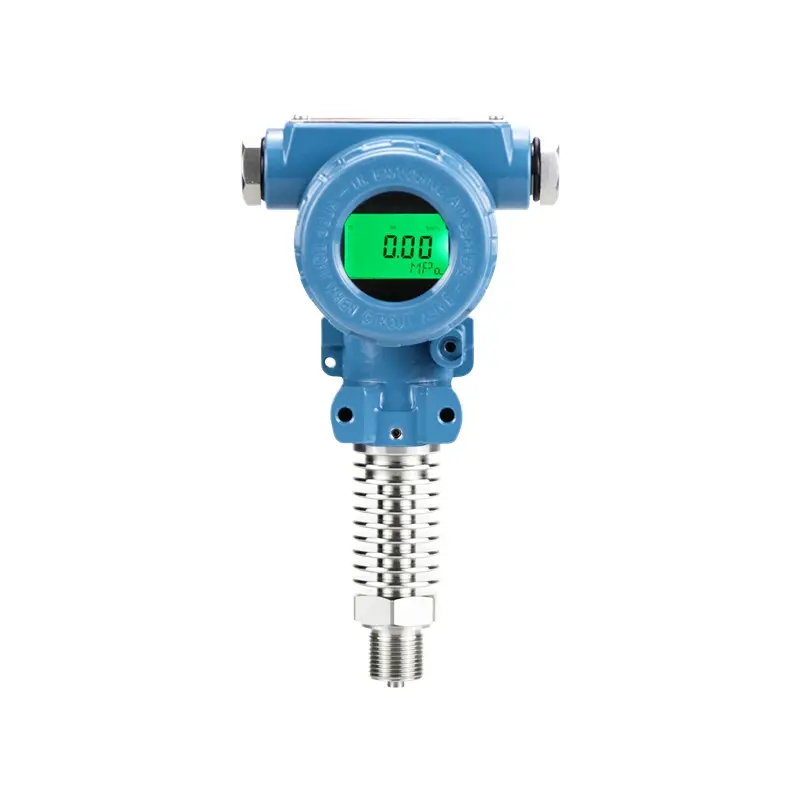
2088 Pressure Transmitter (Threaded Direct Mount)
A 2088 industrial pressure transmitter is a compact and stable pressure measurement instrument widely used for pressure monitoring and control in various industrial processes. It is suitable for liquid, gas and steam applications, and can also be used for hydrostatic level measurement in tanks or vessels.
SIY Electric supplies threaded 2088 pressure transmitters with 4–20 mA, HART, optional LCD display and different wetted material options. Compared with the 3051 type, it offers the advantages of easy installation, fast response, and simple maintenance, making it one of the commonly used pressure measurement solutions in industrial fields.
- Pressure Type: Gauge Pressure, Absolute Pressure
- Pressure Range: -1 bar to 1200 bar, -0.1 MPa to 120MPa
- Accuracy: ±0.25%, ±0.5%,
- Output Signal: 4–20 mA / HART / 0-5 V /0-10 V
- Process Connection: 1/2 NPT, G1/2, M20×1.5 (customized available)
- Diaphragm Material: SS316L, HC-276, Tantalum,
- Power Supply: 12–36 VDC
- Protection Rating: IP65 / IP67
- OEM Service: Available. The transmitter can be supplied with your company name and logo on the nameplate.
- Packaging: Individual carton box with protective foam.
- Weight: Approx. 1 kg per unit.
- Port of Shipment: Shanghai or Ningbo Port, China.
- Delivery Time: 3-5 working days.
- Transportation: Air freight, sea freight, or express delivery.
- Documentation: Certificate of Conformity (COC); Inspection / Test Report; Packing List; Commercial Invoice
Common Accessories for 2088 Pressure Transmitters
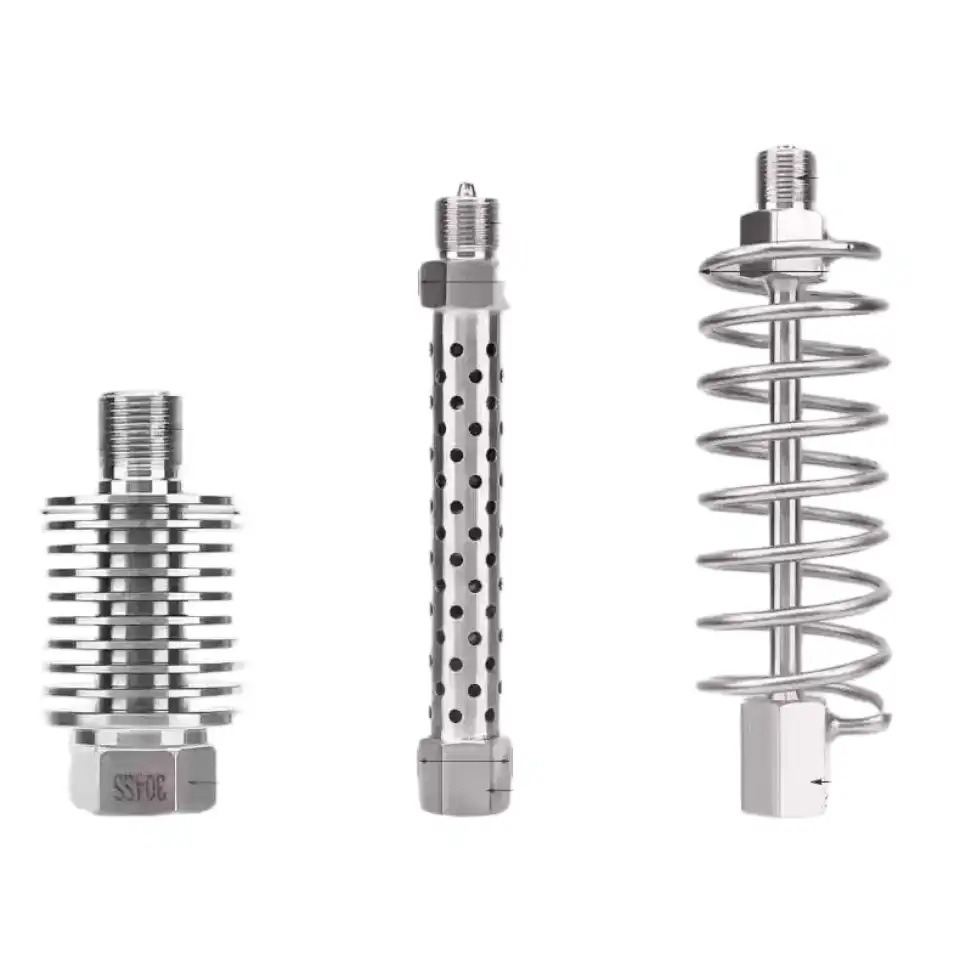
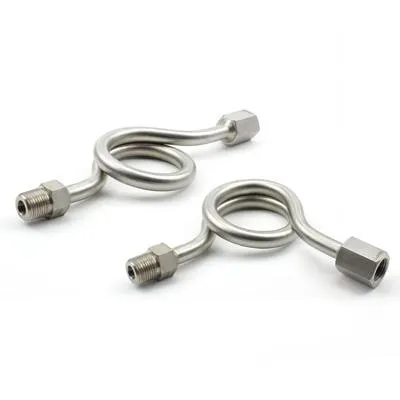
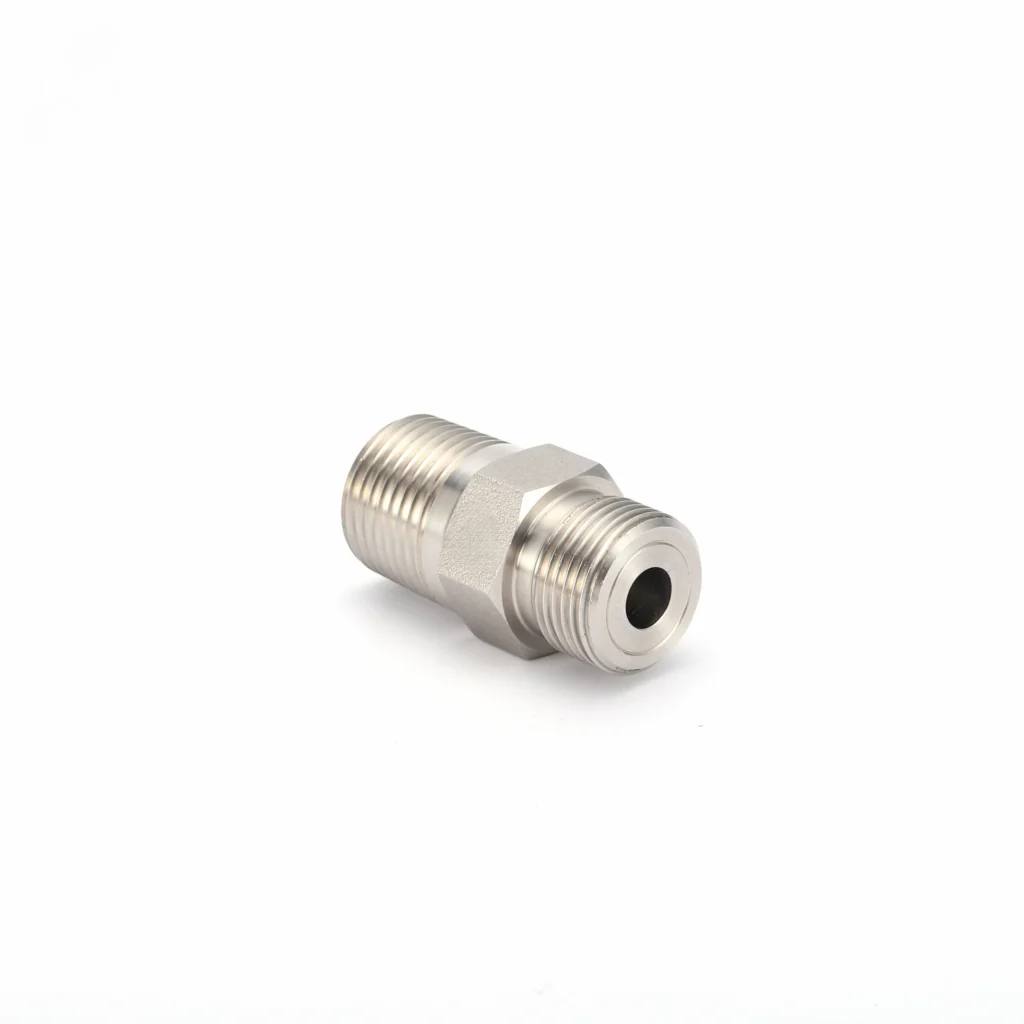
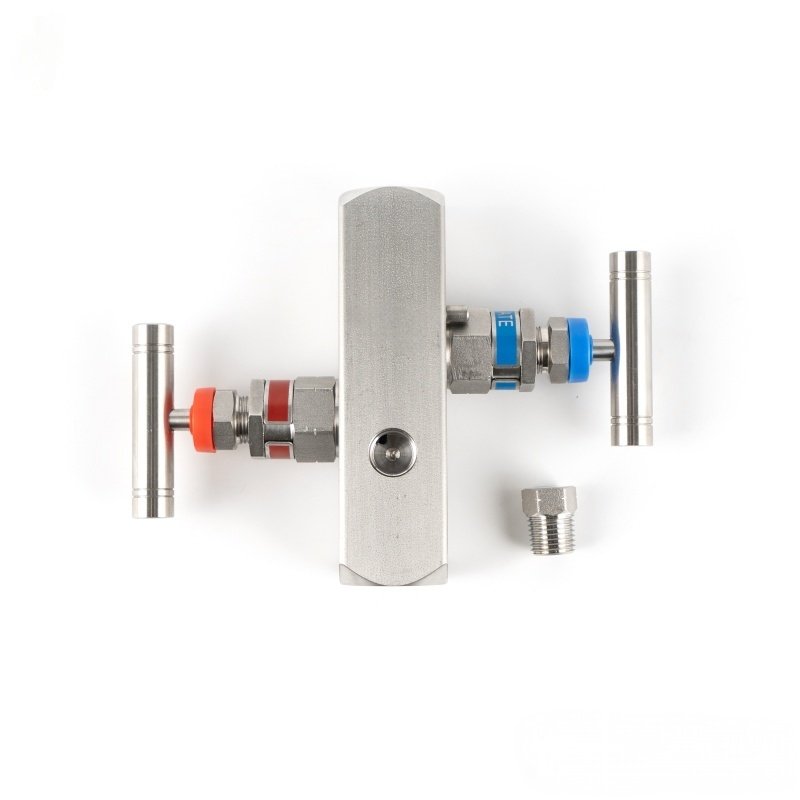
Table of Contents
2088 Pressure Transmitter Overview
1. What Is a 2088 Pressure Transmitter?
The 2088 pressure transmitter is a compact, easy-to-install, and stable industrial instrument designed for pressure measurement and process control in liquid, gas, and steam applications. Built on a mature industrial design concept, it offers good environmental adaptability and excellent cost performance, making it widely used in water treatment, chemical processing, oil and gas, power generation, and general industrial automation systems.
Compared with larger conventional transmitters, the 2088 type is better suited for applications where installation space is limited, field layout is compact, or fast installation and maintenance are required. It can provide a standard 4–20 mA output and is also available with HART communication, LCD display, multiple process connections, and different wetted material options, making it easy to integrate with PLC, DCS, and other control systems while meeting the needs of most standard industrial pressure measurement applications.
Whether for project supply, equipment integration, or as a practical alternative to mainstream Rosemount 2088 series products under standard operating conditions, the 2088 pressure transmitter is a proven solution that balances stability, usability, and procurement cost.
2. Structure and Diagram of a 2088 Industrial Pressure Transmitter
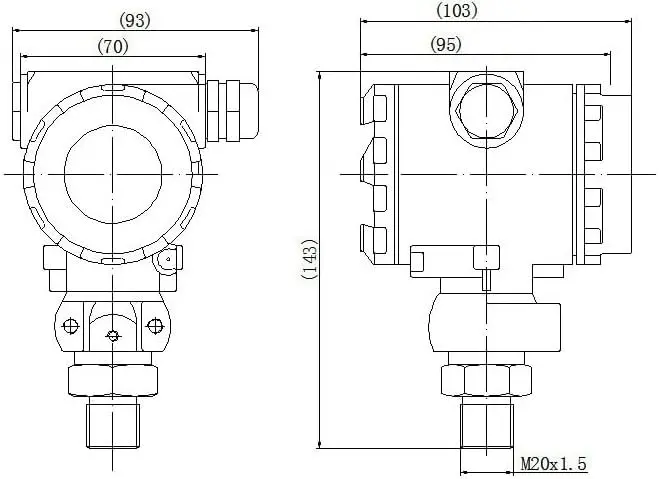
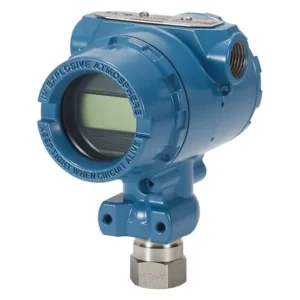
The structure of a 2088 industrial pressure transmitter is similar to that of a 3051 direct-mount pressure transmitter. It can be connected directly to equipment or pipelines, but its structure is more compact. It mainly consists of the following parts:
- Housing:The 2088 housing is slightly smaller than the 3051 housing. It is usually made of cast aluminum, and stainless steel can also be selected according to the medium or installation environment.
- Electrical connection:Used to connect the power supply and output signal. Common specifications are M20×1.5 or 1/2 NPT, usually equipped with a plug and cable gland.
- Process connection:Used to install the transmitter on a pipeline or shut-off valve. Common specifications include M20×1.5, 1/2 NPT, or G1/2 threads. The material is usually 304 or 316 stainless steel.
- Pressure sensor:The core of the pressure transmitter, used to sense changes in the pressure of the measured medium. Almost all 2088 industrial pressure sensors use diffused silicon sensors, which feature high cost performance and a wide application range.
- Isolation diaphragm:The diaphragm is usually welded to the bottom of the sensor and is in direct contact with the medium. It transmits the pressure signal to the sensor through deformation while isolating the medium and protecting the sensor.
- Fill fluid:Conventional pressure sensors are usually filled internally with silicone oil as the pressure transmission medium.
- Electronic module:Responsible for amplifying and correcting the weak electrical signal output by the sensor and converting it into a 4–20 mA standard signal.
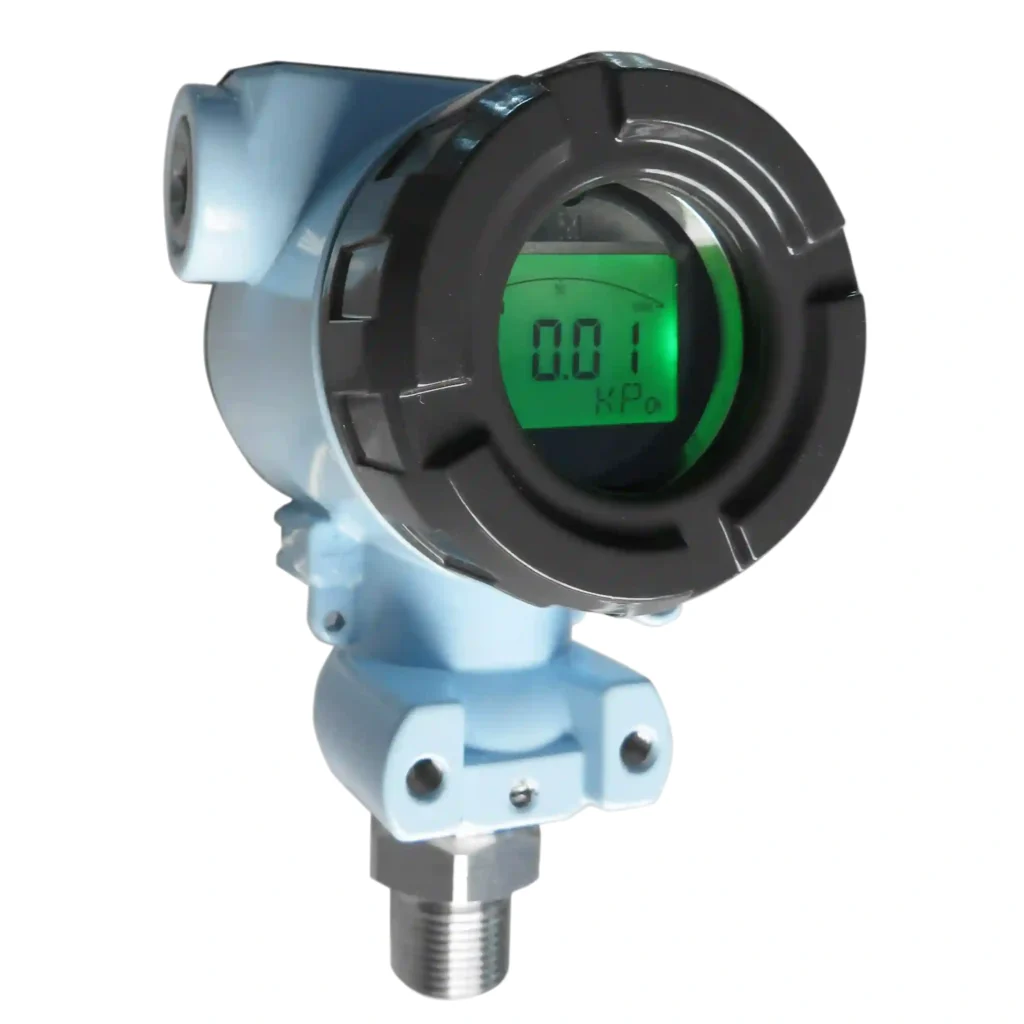
- LCD display: Convenient for on-site observation of measurement results. The M/S/Z buttons can be used to adjust the transmitter range, unit, damping, and other parameters.
3. Working Principle of a 2088 Pressure Transmitter
At present, the most common 2088 industrial pressure transmitters on the market almost all use the diffused silicon piezoresistive principle. This technology is mature and stable and is one of the most common solutions in industrial pressure measurement systems.
Its working process can be divided into three steps:
pressure sensing – signal conversion – signal output
Pressure Sensing:
When the pressure of the measured medium (liquid, gas, or steam) acts on the isolation diaphragm of the transmitter, the pressure is transmitted through the diaphragm and the internal fill fluid to the diffused silicon pressure sensor.
Micro-resistive elements (piezoresistive elements) are integrated inside the diffused silicon chip. Under pressure, the silicon diaphragm undergoes slight deformation, causing a change in resistance.
This change is proportional to the applied pressure, enabling accurate pressure sensing.
Signal Conversion:
The piezoresistive elements inside the sensor are usually arranged in a Wheatstone bridge structure.
When the resistance changes, the bridge outputs a millivolt-level voltage signal (mV signal) proportional to the pressure. Since this signal is very weak, it must be further processed by the electronic module, including:
- Signal amplification
- Temperature compensation
- Non-linearity correction
- Stability optimization
After processing, the original signal is converted into a stable and usable standard signal.
Signal Output:
The processed signal is finally converted into an industrial standard output signal, such as:
- 4–20 mA analog signal
- 4–20 mA + HART communication signal
- This signal can be transmitted directly to: PLC / DCS systems for pressure indication, data acquisition, or automatic control
Based on the diffused silicon piezoresistive effect, the 2088 pressure transmitter converts the “change in resistance” caused by pressure into a “standard electrical signal output,” thereby achieving stable and reliable pressure measurement
4. Typical Applications of the 2088 Pressure Transmitter
Due to its compact structure, easy installation, and stable performance, the 2088 industrial pressure transmitter is widely used for pressure monitoring and control in various industrial processes. It is suitable for gas, liquid, and steam applications and can meet the needs of most conventional operating conditions.
1). Water Treatment and Environmental Protection Projects
In water treatment systems, the 2088 pressure transmitter is commonly used for:
- Pipeline pressure monitoring
- Pump operating status monitoring
- Indirect differential pressure judgment in filtration systems
- Pressure detection in tanks and vessels
2). Oil and Gas Industry
This industry usually requires instruments with high stability and reliability, such as for:
- Oil / gas pipeline pressure monitoring
- Tank pressure measurement
- Compressor system pressure control
- Process pressure monitoring
3). Chemical Industry
The 2088 industrial pressure transmitter is suitable for various chemical media environments. Different wetted materials, such as 316L and Hastelloy, can be selected according to the medium, for example:
- Corrosive liquid pressure measurement
- Reactor pressure monitoring
- Pipeline and equipment pressure control
4). Power Industry
In power plants and energy systems, it is mainly used for:
- Steam pressure measurement
- Boiler system pressure monitoring
- Auxiliary system pressure control
Note: In energy and power plant applications, heat dissipation devices or condensate loops are often required.
5). Hydraulic and Pneumatic Systems
In industrial equipment, fast response and strong shock resistance are usually required. Therefore, the 2088 industrial pressure transmitter is widely used in:
- Hydraulic system pressure control
- Pneumatic system pressure monitoring
- Equipment operating status feedback
6). General Industrial Automation
The 2088 digital pressure transmitter is also suitable for various automation control systems and can be integrated seamlessly with PLC and DCS systems for:
- Production line pressure monitoring
- Equipment protection (overpressure prevention)
- Automatic control feedback signals
With its strong versatility, broad adaptability, and high cost performance, the 2088 industrial pressure transmitter has become one of the most common pressure measurement instruments in industrial fields, especially suitable for standard operating conditions, non-extreme environments, and cost-sensitive projects.
5. Key Features and Benefits of the 2088 Pressure Transmitter
- Compact structure, easy installation Adopts a threaded direct-mount design, requiring no impulse pipe, which makes installation simple and saves space.
- Stable performance and high reliability Based on mature diffused silicon piezoresistive technology, with strong anti-interference capability and stable long-term operation.
- Fast response Measures by direct contact with the medium, reducing transmission delay and quickly reflecting pressure changes.
- Wide application range Suitable for pressure measurement of gases, liquids, and steam, meeting various industrial working conditions.
- High cost performance Compared with high-end models such as the 3051 series, it offers a more competitive cost under conventional operating conditions.
- Multiple configurations available Supports different ranges, output signals, connections, and material combinations to meet customized requirements.
- Easy integration into automation systems Standard 4–20 mA and HART communication signals are compatible with PLC, DCS, and other control systems.
- Supports OEM / ODM customization Supports customized logos, nameplates, model codes, and parameter settings, suitable for brand customers.
Technical Specifications and Selection Guide
1. Technical Specifications of 2088 Pressure Transmitters
| SIY2088 Gauge & Absolute Pressure Transmitter Selection Table | ||
| 10 | Transmitter Type | |
| 2088 | Pressure Transmitter | |
| 20 | Pressure Type | |
| G | Gauge Pressure | |
| A | Absolute Pressure | |
| 20 | Accuracy | |
| -H | Basic Error ±0.2% | |
| -N | Basic Error ±0.5% | |
| 30 | Pressure Range (Span / Minimum Span) | |
| 3 | 0kPa~10kPa(0mbar~100mbar) | |
| 4 | 0kPa~35kPa(0mbar~350mbar) | |
| 5 | 0kPa~100kPa(0bar~1bar) | |
| 6 | 0MPa~200kPa(0bar~2bar) | |
| 7 | 0MPa~350kPa(0bar~3.5bar) | |
| 8 | 0MPa~1MPa(0bar~10bar) | |
| 9 | 0MPa~1.6MPa(0bar~16bar) | |
| 10 | 0MPa~3.5MPa(0bar~35bar) | |
| 11 | 0MPa~10MPa(0bar~100bar) | |
| 12 | 0MPa~20MPa(0bar~200bar) | |
| 13 | 0MPa~40MPa(0bar~400bar) | |
| 14 | 0MPa~100MPa(0bar~1000bar) | |
| 0 | Other specified range | |
| 40 | Communication Protocol | |
| A | 4-20 mA protocol | |
| H | 4-20 mA / HART 7 protocol | |
| M | RS485 / Modbus protocol | |
| Y | Other specified protocol | |
| 50 | Diaphragm Material | |
| 2 | 316SST | |
| 3 | Hastelloy C-276 | |
| 5 | Tantalum | |
| 7 | Ceramic diaphragm (99.9% AL2O3) | |
| 0 | Customer-specified diaphragm material | |
| 60 | Process Connection | |
| N1 | 1/2 NPT female thread | |
| N2 | 1/2 NPT male thread | |
| N3 | 1/4 NPT female thread | |
| N4 | 1/4 NPT male thread | |
| M1 | M20×1.5 female thread | |
| M2 | M20×1.5 male thread | |
| G1 | G1/2 male thread | |
| G2 | G1 thread | |
| S | Sanitary clamp connection (clamp size specified by user) | |
| X | Other specified connection | |
| 70 | Fill Fluid | |
| 1 | Silicone oil | |
| 2 | Oil-free (ceramic diaphragm only) | |
| 80 | Display | |
| N | None | |
| L | LCD display (-20°C) | |
| O | OLED display (-40°C) | |
| 90 | Housing Material / Electrical Entry | |
| B | Aluminum housing, electrical entry M20×1.5 | |
| S | Aluminum housing, electrical entry 1/2 NPT | |
| C | Stainless steel housing, electrical entry M20×1.5 | |
| T | Stainless steel housing, electrical entry 1/2 NPT | |
| Y | Other specified housing material or electrical entry | |
| 100 | Mounting Bracket Option | |
| N | None | |
| 1 | Galvanized carbon steel bracket | |
| 2 | Stainless steel bracket | |
| 110 | Hazardous Area Certification | |
| E5 | ExiaⅡCT4 | |
| K5 | ExdⅡCT4-CT6 | |
| 120 | Other Options | |
| Q4 | Factory calibration certificate | |
| Q3 | Third-party calibration certificate | |
| V6 | Suitable for full vacuum service | |
| J1 | NAMUR NE43 standard | |
| J3 | Built-in lightning protection module | |
| T1 | Oil-free degreasing | |
| C1 | SIL 3 certification (HART version only) | |
| A | Integral radiator | |
| B | Remote radiator | |
| Note: Please contact the sales representative for special options. | ||
2. 2088 Industry Pressure Transmitter Selection Guide
How should a threaded 2088 direct-mount pressure transmitter be selected?
Essentially, the selection process involves choosing the most suitable material, pressure range, structure, and output signal based on the actual operating conditions.
At a minimum, the following parameters should be confirmed when selecting a 2088 threaded pressure transducer:
- Process Medium:
It is important to determine whether the measured medium is corrosive, highly viscous, or prone to crystallization. Different media require different diaphragm and connection materials. In most applications, a 316L diaphragm and 304 stainless steel connection are commonly used. However, for acidic or alkaline media, Hastelloy C-276 or tantalum diaphragms may be required, and the process connection is typically made of 316L stainless steel. - Pressure:
Threaded direct-mount pressure transmitters rely on the sensor diaphragm to detect pressure. Each sensor has a specific overpressure limit, so it is necessary to know both the normal operating pressure and the maximum pressure in the pipeline or equipment. This prevents permanent deformation of the diaphragm or damage to the transmitter. - Temperature:
Because a gauge pressure transmitter is directly connected to the pipeline or equipment through its threaded process connection, excessive temperature may damage the internal electronic components. If the process temperature is higher than 80 °C, a cooling element such as a heat sink or siphon (cooling loop) should be used together with the threaded pressure transmitter. - Pressure Range:
The pressure range refers to the upper and lower measurement limits of the transmitter. It should not be selected simply based on the normal working pressure or the maximum pressure. Instead, the upper range limit should generally be 1.5 to 2 times the maximum operating pressure, ensuring sufficient measurement accuracy and safe operation. - Process Connection:
Although threaded direct-mount pressure transmitters are easy to install, incorrect thread specifications may prevent installation. Therefore, the thread type must match the threaded interface available at the installation site.
3. Common Accessories for 2088 Threaded Direct-Mount Pressure Transmitters
Although the 2088 threaded direct-mount pressure transmitter is a standalone instrument, it is often used together with various accessories in field installations.
- Impulse Tubing:
For pressure measurement points that need to be located away from vibration sources or high-temperature areas, impulse tubing is used to transmit the process pressure from the equipment to the transmitter. This helps reduce temperature exposure and vibration, protecting the transmitter from damage and improving measurement stability and accuracy. - Mounting Bracket:
If the threaded direct-mount transmitter is installed directly on a pipeline port, a mounting bracket is usually not required. However, when impulse tubing is used, a bracket is needed to secure the transmitter to a 2-inch pipe or a panel. - Process Adapters and Thread Converters:
If the process connection on site is 1/2 NPT, while the transmitter uses an M20×1.5 process connection, a 1/2 NPT to M20×1.5 adapter is required for installation. - Heat Sink / Cooling Loop:
For high-temperature media (above 80°C), heat sinks or cooling loops are commonly used to reduce the temperature reaching the sensor and protect the transmitter. - Valve Manifold:
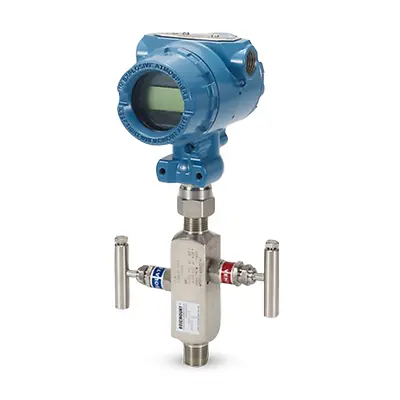
To facilitate maintenance and replacement of the pressure transmitter, direct-mount gauge pressure transmitters are often used together with two-valve manifolds, shut-off valves, or needle valves.
Installation and Maintenance of 2088 Industrial Pressure Transmitters
Installation Guide for 2088 Industrial Pressure Transmitters
Correct installation is essential to ensure the measurement accuracy and long-term stable operation of a 2088 digital pressure transmitter. During installation, proper arrangement should be made according to the medium type, operating conditions, and on-site environment.
Installation Location Requirements
- Install in a position where the pressure is stable whenever possible
Avoid locations with strong vibration, impact, or severe pressure fluctuation. - Install as close as possible to the measuring point
This shortens the measurement path and improves response speed. - Avoid direct influence from high-temperature environments
If the medium temperature is high, heat dissipation or isolation measures should be taken. - Allow convenient maintenance and servicing
Install a shut-off valve to facilitate future removal and calibration.
Installation Precautions
- Ensure reliable sealing
For threaded connections, use PTFE tape or sealant to prevent leakage. - Avoid over-tightening
This may damage the connection or internal structure. - Prevent the influence of mechanical stress
External force should not act directly on the transmitter body during installation. - Seal the cable entry properly for waterproofing
Prevent rainwater or moisture from entering. - Avoid electromagnetic interference sources
Keep away from high-power equipment or frequency converters whenever possible.
Electrical Connection Instructions
- Connect the power supply and signal wires correctly according to the wiring diagram.
- The most common output is a two-wire 4–20 mA loop.
- Ensure the power supply voltage is within the allowable range, usually 12–36 VDC.
A proper installation method can not only improve measurement accuracy, but also extend the service life of the transmitter. For complex operating conditions, such as high temperature, strong corrosion, or strong vibration, it is recommended to select the appropriate configuration or consult the manufacturer / supplier for professional selection and installation guidance.
Not sure whether your installation method is correct? Feel free to contact us for professional technical support.
2088 Pressure Transmitter Comparison
1. 2088 Industrial Pressure Transmitter vs. Compact Pressure Sensor
Both the 2088 industrial pressure transmitter and the compact pressure sensor / compact pressure transmitter commonly use the diffused silicon piezoresistive principle, but they are quite different in application scenarios, structure, installation methods, and overall performance.
2088 Industrial Pressure Transmitter
- More suitable for industrial field installation
It adopts a standard industrial housing and process connection design, making it suitable for on-site pressure measurement in pipelines, equipment, tanks, and vessels. - Stronger structure and better environmental adaptability
The 2088 type usually provides better protection and is more suitable for complex working conditions and long-term stable operation. - Easier to integrate into automation control systems
It is commonly equipped with standard industrial signals such as 4–20 mA and HART, making it easier to integrate with PLC and DCS systems. - Greater emphasis on universality and interchangeability
It can serve as a general replacement solution for 2088 series products in most conventional industrial applications. - Maintenance and selection are more in line with industrial project practice
It better matches project procurement habits in terms of process connection, housing, display, explosion-proof requirements, and installation accessories.
Compact Pressure Sensor / Compact Pressure Transmitter
- Smaller size, suitable for limited-space applications
It is more suitable for internal equipment integration, small machinery, or OEM supporting applications. - More suitable for equipment matching applications
It is commonly used in air compressors, water pumps, hydraulic equipment, construction machinery, and other supporting systems. - More flexible output methods
Depending on the design, it can output mV, voltage, 4–20 mA, RS485, and other signals. - Usually lower in cost
It has a greater cost advantage in conventional supporting applications. - Usually less adaptable to industrial field environments than the 2088 type
Although some compact products can also be installed on site, their overall structure, protection level, and general engineering characteristics are usually less prominent than those of the 2088 type.
2. 2088 Pressure Transducer vs. Pressure Gauge
Both the 2088 industrial pressure transmitter and the pressure gauge are used to measure pressure, but they differ greatly in function, output method, and application purpose.
2088 Industrial Pressure Transmitter / 2088 Pressure Sensor:
- More suitable for industrial automation systems
It is designed not only for pressure measurement, but also for signal transmission, remote monitoring, and process control in industrial applications. - Capable of outputting standard electrical signals
It commonly provides 4–20 mA or 4–20 mA with HART communication, making it easy to connect with PLC, DCS, recorders, and other control systems. - Better suited for remote indication and centralized control
Operators can monitor process pressure from the control room without going to the field for manual reading. - More suitable for modern process industries
It is widely used in water treatment, chemical plants, oil and gas, power generation, and general industrial automation systems. - Provides stronger compatibility with industrial project requirements
It can be selected with different ranges, output signals, process connections, wetted materials, display options, and explosion-proof configurations. - More suitable for continuous monitoring and automatic protection
It can be used for pressure feedback, alarm systems, interlocks, and automatic adjustment in production processes.
Pressure Gauge:
- More suitable for local visual indication
It displays the pressure value directly on site through a dial and pointer, which is convenient for operators to observe nearby. - Simple structure and easy to use
A pressure gauge usually does not require an external power supply, and its installation and operation are relatively simple. - More suitable for basic and low-cost applications
It is commonly used in simple pipelines, pumps, compressors, tanks, and general equipment where only local reading is required. - Cannot directly transmit signals to automation systems
A standard pressure gauge only provides mechanical indication and cannot send a signal to PLC, DCS, or other remote monitoring systems. - More dependent on manual observation
The pressure value must be checked on site, which is less suitable for systems requiring centralized monitoring or unattended operation. - Usually less functional than a 2088 transmitter in industrial control systems
Although reliable for local indication, its overall role in automation, data collection, and process control is much more limited than that of a 2088 pressure transmitter.
OEM Service, Price, and Quotation Information
1. Why Choose Our 2088 Industrial Pressure Transmitter?
Among many pressure transmitter products, our 2088 industrial pressure transmitter not only provides stable performance, but also offers clear advantages in quality, delivery, and customization capability, meeting the practical needs of different customers.
1). Mature and Stable Product Solution
Based on mature diffused silicon piezoresistive technology, the product has been proven by long-term market use. Its performance is stable and suitable for most industrial operating conditions.
It helps reduce failure rates and maintenance costs.
2). Strict Quality Control System
From raw material procurement to assembly and final testing, every process is strictly inspected to ensure product consistency and reliability, providing dependable long-term operation.
3). Flexible OEM / ODM Customization Capability
We support a variety of customization services to help customers build their own branded product lines, including:
- Logo and nameplate customization
- Model code customization
- Special range and output signal customization
- Special materials and structural customization
4). High Cost-Performance Solution
While meeting performance requirements, we provide competitive pricing to reduce overall procurement costs, especially suitable for:
- Project purchasing
- Bulk orders
- Replacement of internationally known brand products
5). Fast Delivery Capability
Conventional models are available from stock or through standard production processes, allowing short lead times to meet urgent project requirements.
6). Professional Technical Support
We provide selection, installation, and application guidance to help customers quickly match the right product and reduce the risk of selection errors.
7). Extensive Application Experience
Our products have been widely used in water treatment, petrochemical, power, and automation industries, with extensive field application experience.
8). Standardized Design and Strong Compatibility
The product structure and interfaces comply with common industry standards and can replace mainstream models such as the 2088 series, making replacement and maintenance easier in project applications.
Choosing our 2088 pressure transmitter means not only choosing a product, but also choosing a stable, reliable, and long-term cooperation solution.
2. Does SIY Electric Support OEM?
Yes.
We provide flexible OEM / ODM customization services and can carry out personalized production according to different project requirements, helping customers build their own brands or meet specific application scenarios.
1). Customization Options We Support
We can provide the following customized services:
- Brand customization (Logo / nameplate)
Customer brand information can be printed on the housing, nameplate, and packaging. - Model and code customization
Exclusive model rules can be established according to customer requirements for easier product management and sales. - Parameter customization
Range, output signal (4–20 mA, HART, etc.), accuracy class, and more can be customized. - Structure and connection customization
Different threaded connections such as M20×1.5, 1/2 NPT, and G1/2, as well as special mounting structures, are supported. - Wetted material customization
316L stainless steel, Hastelloy, tantalum, and other materials are available for corrosive media. - Appearance and packaging customization
Housing color, labels, and packaging style can be customized.
2). Advantages of OEM Cooperation
- Mature production system
Stable production capacity and a complete supply chain - Strict quality control
Ensures consistency and reliability for every batch - Flexible minimum order quantity
Supports orders from small trial quantities to large-volume production - Fast response and delivery
Standard models have short lead times, and customized products have controllable production cycles
3). Suitable Customer Types
Our OEM service is suitable for:
- Instrument distributors / trading companies
- Automation system integrators
- Equipment manufacturers (OEM supporting)
- Customers with their own brands
3. Price of Threaded 2088 Pressure Transmitters
For a conventional-range 2088 digital pressure transmitter with 316L wetted parts, 0.5% accuracy, and 4–20 mA output, the price is usually around USD 50 per unit, and it is supplied with a carbon steel mounting bracket and a stainless steel explosion-proof cable gland as standard.
Please send your data sheet or detailed on-site operating conditions to our email, and we will provide a quotation within one hour.