Basic Introduction to Direct-Mount Pressure Transmitters
1. What Is an Inline Pressure Transmitter
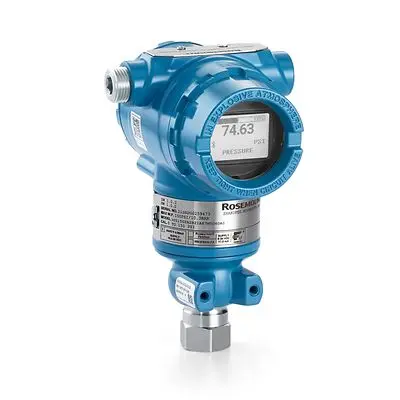
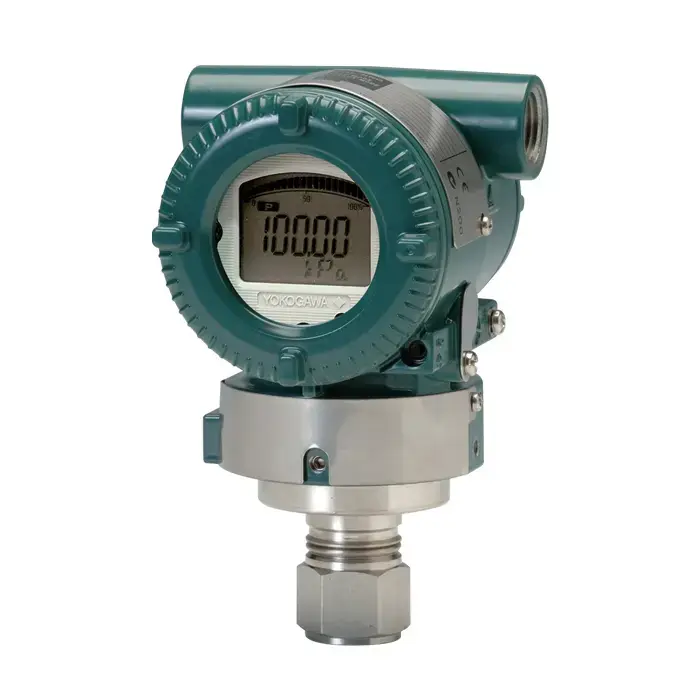
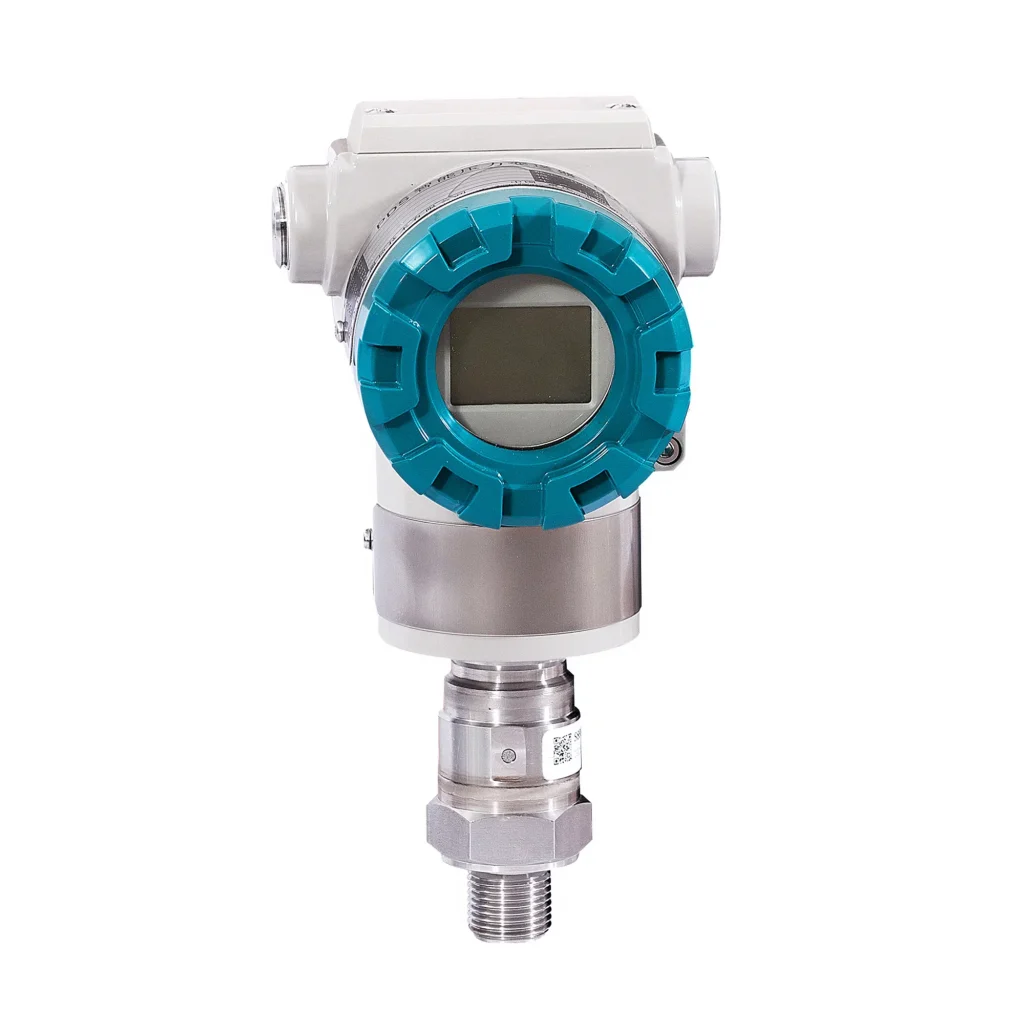
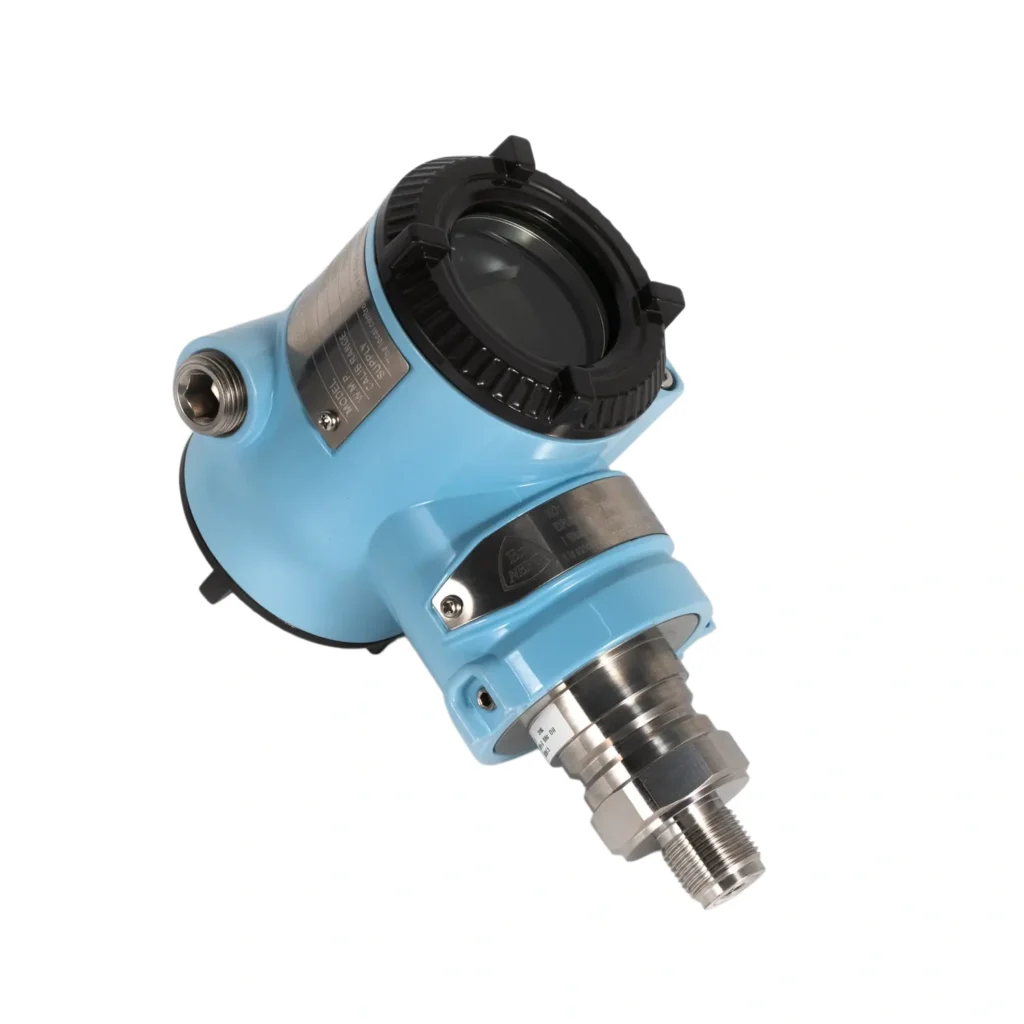
An inline pressure transmitter is essentially an industrial measuring instrument designed to convert the pressure of the process medium into a standard electrical output signal.
Its function is not simply to “display pressure.” Instead, it performs three primary tasks:
- Pressure sensing.
Accurately detects the pressure of the measured medium and determines the pressure value with high precision. - Signal conversion.
Converts the measured pressure into an electrical signal that can be recognized and processed by control systems, such as the common 4–20 mA analog signal or signals with HART communication. - Signal transmission.
The transmitter’s internal electronics amplify, compensate, linearize, and process the original signal, and then transmit it to a PLC, DCS, or other industrial automation control systems.
2. Structure and Diagram of a Threaded Inline Pressure Transmitter
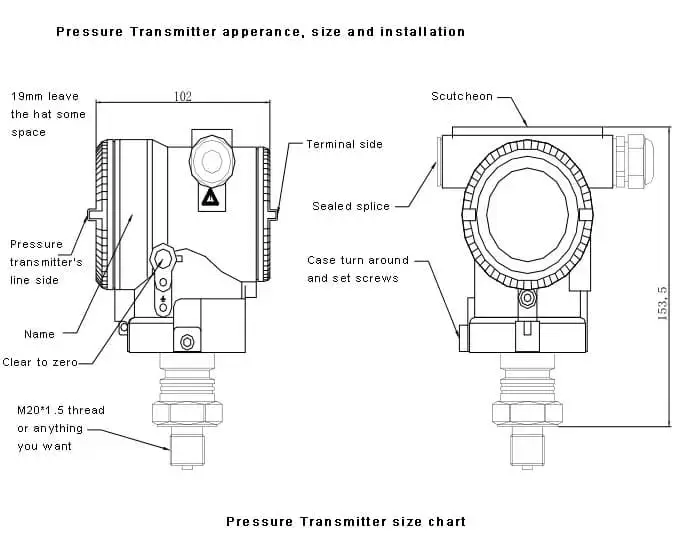
 inline pressure transmitter diagram
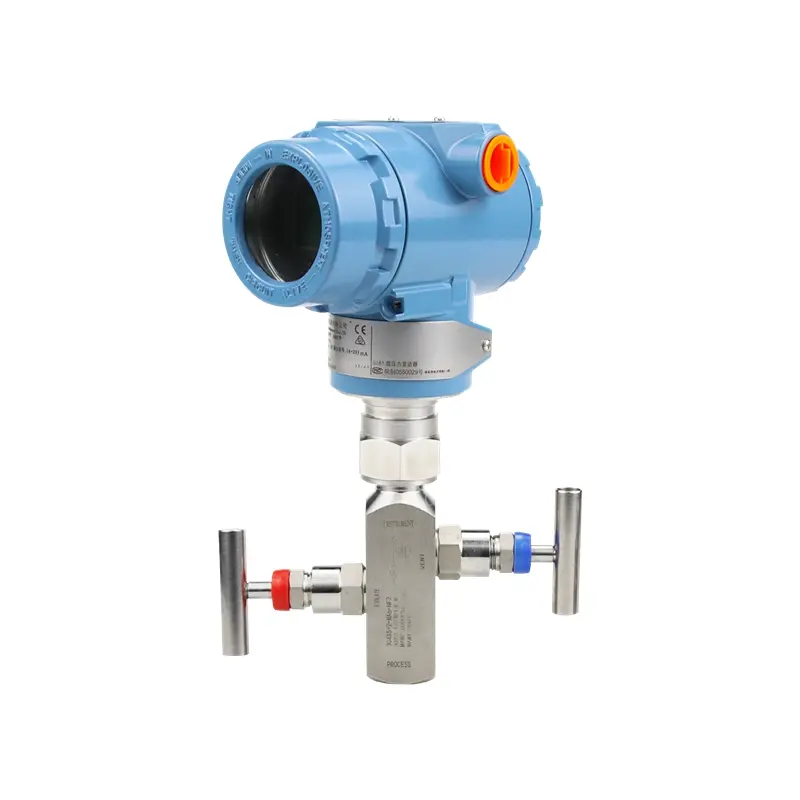
From a structural perspective, a threaded direct mount pressure transmitter is designed for direct installation at the process connection. This configuration eliminates the need for impulse lines or remote capillaries, allowing the smart pressure sensor to respond more quickly and measure pressure more accurately.
A typical direct-mount inline pressure transmitter generally consists of the following components:
- Housing:
The housing is usually made of cast aluminum for standard industrial applications.
In the lithium battery industry, the housing may require copper and zinc content below 0.5‰ to meet strict safety standards.
For offshore platforms or marine environments, stainless steel housings are often used to improve corrosion resistance. - Cover:
The transmitter typically features two covers:
one blind cover and one cover with a glass viewing window for easy access and inspection. - Electrical Connection:
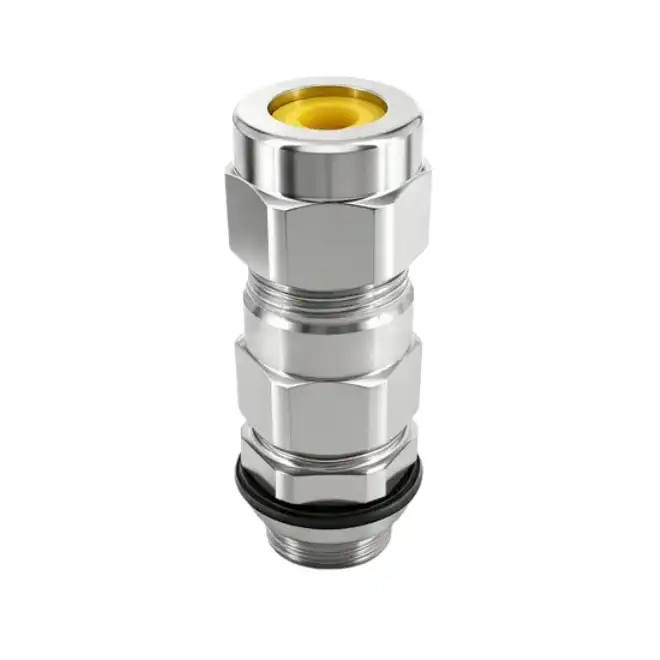
The electrical entry usually consists of one electrical seal plug and one cable gland.
Common thread specifications include M20 × 1.5 or 1/2-14 NPT, which are widely used in industrial instrumentation installations. - Nameplate:
The nameplate of the pressure transmitter displays essential product information such as the manufacturer, model number, measuring range, accuracy class, and material specifications, ensuring easy identification during installation and maintenance. - Process Connection:
The process connection is the threaded interface used to connect the pressure transmitter directly to the process equipment or pipeline.
Common thread types for inline pressure transmitters include M20 × 1.5, 1/2-14 NPT, and G1/2. - Sensor:
Most modern inline pressure transmitters use a single-crystal silicon pressure sensor, which provides high stability, excellent accuracy, and long-term reliability. - Diaphragm and Fill Fluid:
Common diaphragm materials include 316L stainless steel, Hastelloy C-276, and tantalum, depending on the corrosiveness of the process medium.
It is important to note that fill fluid is not limited to diaphragm seal pressure transmitters.
Threaded pressure transmitters and differential pressure transmitters also contain internal fill fluid, typically silicone oil, to transmit pressure from the diaphragm to the sensing element.
For highly corrosive or special process media, such as oxygen, fluorinated oil may be used instead. - Electronics Module:
The electronics module receives the sensor signal and performs signal conversion, amplification, compensation, and transmission, ensuring stable and accurate output. - Display Module:
A standard LCD display module allows operators to read the pressure value directly on site, making monitoring and troubleshooting more convenient.
3. What Can a Direct-Mount Pressure Transmitter Measure?
- Gauge Pressure:
Gauge pressure refers to the pressure measured relative to atmospheric pressure. This is the most common type of pressure measurement in industrial applications. - Absolute Pressure:
Absolute pressure is the pressure measured relative to absolute vacuum.
In general terms: Absolute Pressure = Gauge Pressure + Atmospheric Pressure - Level Measurement:
By measuring hydrostatic pressure and applying the formula P = ρgh, the measured pressure can be converted into liquid level height.
This method is widely used for tank level measurement in many industrial processes. - Differential Pressure:
A direct-mount inline pressure transmitter cannot directly measure differential pressure. Differential pressure is defined as the difference between high pressure and low pressure.
However, differential pressure can be calculated by installing two threaded inline pressure transmitters to measure the high-pressure and low-pressure points separately. The difference between the two readings provides the differential pressure value.
Alternatively, users may consider using an electronic differential pressure transmitter or electronic level transmitter for direct differential pressure measurement.
4. Inline Pressure Transmitters Working Principle
Pressure transmitters typically use several different measurement principles, including:
- Piezoresistive type: Mature technology, widely used, and relatively low cost.
- Capacitive type: Good stability, commonly used in differential pressure transmitters.
- Single-crystal silicon resonant type: High accuracy and excellent long-term stability, often used in high-end products.
- Strain gauge type: Low cost, simple structure, compact size, and mature technology; commonly used in compact pressure sensors.
Regardless of the measurement principle, the basic concept is the same: the process pressure acts on the sensor’s sensitive element, causing a measurable electrical change. The electronic circuit then converts this change into a standard output signal.
However, considering factors such as measurement accuracy, long-term stability, and overall performance, SIY Electric’s threaded direct-mount pressure transmitters use single-crystal silicon sensors. This ensures long-term stability and helps reduce potential failures during operation.
5. Applications of Direct-Mount Pressure Transmitters
Among all types of pressure transmitters, direct mount pressure transmitters have the widest range of applications and are used in almost every industry involving fluid pressure measurement.
1. In the water treatment industry, direct-mount gauge pressure transmitters are commonly used for:
- Pressure monitoring at the inlet and outlet of water pumps.
- Pipeline pressure measurement.
- Pressure monitoring before and after filters.
- Pressure control in water supply systems.
- Pressure monitoring in RO (reverse osmosis) equipment, etc.
In these applications, factors such as high cost performance, reliable waterproof protection, and long-term stability make this type of transmitter widely used.
2. In the oil and gas industry, inline gauge pressure transmitters are widely used for:
- Pipeline pressure monitoring.
- Storage tank pressure measurement.
- Compressor inlet and outlet pressure measurement.
- Pressure monitoring in pumping station systems.
- Pressure control in process operations.
Compared with coplanar pressure transmitters, threaded direct-mount pressure transmitters can typically withstand higher pressures and offer better material compatibility. In addition, compared with compact pressure sensors or 2088-type pressure transmitters, they generally provide better explosion-proof performance and superior long-term stability.
3. Chemical Industry.
Operating conditions in the chemical and pharmaceutical industries are often very complex. High temperature, high pressure, strong corrosion, and media that easily crystallize are common challenges. Therefore, threaded direct-mount pressure transmitters are widely used for:
- Pressure monitoring in reactors.
- Pressure measurement in storage tanks.
- Measurement in corrosive process lines.
- Pressure control in transfer pipelines.
Threaded direct-mount pressure transmitters can be configured with various diaphragm materials, and the wetted parts can be made of materials such as 304, 316, or even Hastelloy C-276. Because of the balance between performance and cost, many chemical and pharmaceutical companies widely use this type of gauge pressure transmitter.
4. Hydraulic Systems and Machinery.
Direct-mount pressure transmitters are especially common in hydraulic stations, construction machinery, injection molding equipment, presses, and lubrication systems.
Advantages such as threaded installation, fast response, relatively low cost, and suitability for batch integration make them highly suitable for these types of equipment.
5. Industrial Automation and OEM Equipment.
Many equipment manufacturers, automation system integrators, and machinery companies also use pressure transmitters in large quantities, such as in:
- Air compressors.
- Vacuum equipment.
- Cleaning systems.
- Packaging machinery.
- HVAC systems.
- Industrial furnace systems.
Because threaded pressure transmitters can be produced quickly, have short lead times, and offer competitive pricing, they are widely used in industrial automation applications.
SIY Electric supports OEM and private labeling, and can customize direct-mount pressure transmitters according to customer requirements, while also providing documentation such as certificates of conformity and inspection reports.
Inline Pressure Transmitter Specifications and Selection
1. Technical Specifications of Pressure Transmitters
| SIY3051T Gauge & Absolute Pressure Transmitter Selection Table |
| 10 | Transmitter Type |
| 3051T | Pressure Transmitter |
| 20 | Pressure Type |
| G | Gauge Pressure |
| A | Absolute Pressure |
| 30 | Accuracy |
| -H | ±0.075% FS |
| -N | ±0.1% FS |
| 40 | Pressure Range |
| TG Gauge Pressure |
| 3 | -6 kPa ~ 6 kPa (-60 mbar ~ 60 mbar) |
| 4 | -40 kPa ~ 40 kPa (-400 mbar ~ 400 mbar) |
| 5 | -100 kPa ~ 250 kPa (-1 bar ~ 2.5 bar) |
| 6 | -0.1 MPa ~ 1 MPa (-1 bar ~ 10 bar) |
| 7 | -0.1 MPa ~ 3 MPa (-1 bar ~ 30 bar) |
| 8 | -0.1 MPa ~ 10 MPa (-1 bar ~ 100 bar) |
| 9 | -0.1 MPa ~ 21 MPa (-1 bar ~ 210 bar) |
| 10 | -0.1 MPa ~ 40 MPa (-1 bar ~ 400 bar) |
| 0 | Other special ranges |
| TA Absolute Pressure |
| 3 | 0 ~ 250 kPa (0 ~ 2.5 bar) |
| 4 | 0 ~ 3 MPa (0 ~ 30 bar) |
| 0 | Other special ranges |
| 50 | Communication Protocol |
| H | 4–20 mA / HART 7 |
| M | RS485 Modbus |
| 60 | Diaphragm Material |
| 3 | 316L SST |
| 4 | Hastelloy HC-276 |
| 5 | Tantalum |
| 6 | Gold-plated 316L |
| 7 | Ceramic diaphragm (99.9% Al₂O₃) |
| 0 | Customer specified material |
| 70 | Process Connection |
| N1 | 1/2 NPT Female |
| N2 | 1/2 NPT Male |
| N3 | 1/4 NPT Female |
| N4 | 1/4 NPT Male |
| M1 | M20×1.5 Female |
| M2 | M20×1.5 Male |
| G1 | G1/2 Male |
| G2 | G1 Thread |
| X | Other customized connection |
| 80 | Filling Fluid |
| 1 | Silicone Oil |
| 2 | Fluorinated Oil |
| 90 | Display |
| N | None |
| L | LCD Display (-20°C) |
| O | OLED Display (-40°C) |
| 100 | Housing Material & Electrical Entry |
| B | Aluminum housing, M20×1.5 electrical entry |
| S | Aluminum housing, 1/2 NPT electrical entry |
| C | Stainless steel housing, M20×1.5 electrical entry |
| T | Stainless steel housing, 1/2 NPT electrical entry |
| 110 | Mounting Bracket |
| N | None |
| 1 | Galvanized Carbon Steel Bracket |
| 2 | Stainless Steel Bracket |
| 120 | Hazardous Area Certification |
| E5 | Ex ia IIC T4 |
| K5 | Ex d IIC T4–T6 |
| 130 | Other Options |
| Q4 | Factory Calibration Certificate |
| Q3 | Third-Party Calibration Certificate |
| V6 | Suitable for Full Vacuum Conditions |
| J1 | NAMUR NE43 Standard |
| J3 | Built-in Lightning Protection Module |
| T1 | Oil-Free Degreasing |
| C1 | SIL3 Certification (HART version only) |
| A | Built-in Heat Sink |
| B | External Heat Sink |
| Note: For special options, please contact the sales representative. |
2. Pressure Transmitter Selection Guide
How should a threaded direct-mount pressure transmitter be selected?
Essentially, the selection process involves choosing the most suitable material, pressure range, structure, and output signal based on the actual operating conditions.
At a minimum, the following parameters should be confirmed when selecting a direct-mount pressure transmitter:
- Process Medium:
It is important to determine whether the measured medium is corrosive, highly viscous, or prone to crystallization. Different media require different diaphragm and connection materials. In most applications, a 316L diaphragm and 304 stainless steel connection are commonly used. However, for acidic or alkaline media, Hastelloy C-276 or tantalum diaphragms may be required, and the process connection is typically made of 316L stainless steel. - Pressure:
Threaded direct-mount pressure transmitters rely on the sensor diaphragm to detect pressure. Each sensor has a specific overpressure limit, so it is necessary to know both the normal operating pressure and the maximum pressure in the pipeline or equipment. This prevents permanent deformation of the diaphragm or damage to the transmitter. - Temperature:
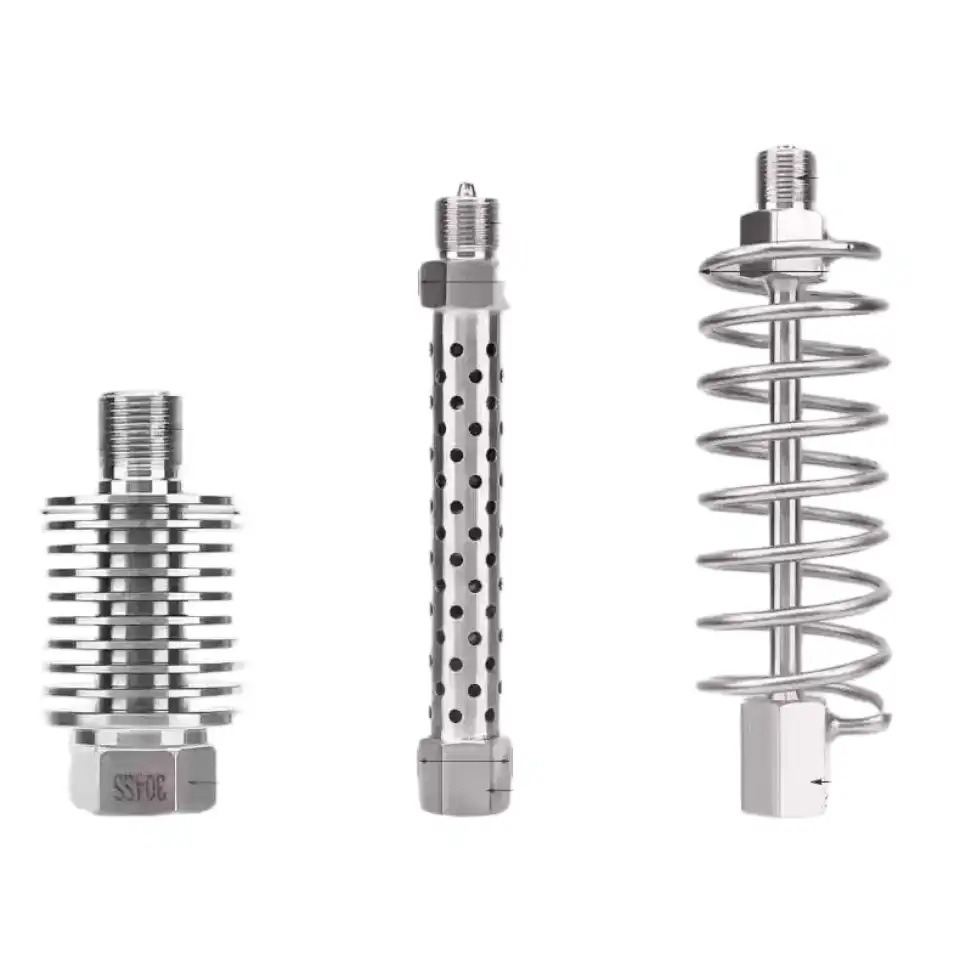
Because a gauge pressure transmitter is directly connected to the pipeline or equipment through its threaded process connection, excessive temperature may damage the internal electronic components. If the process temperature is higher than 80 °C, a cooling element such as a heat sink or siphon (cooling loop) should be used together with the threaded pressure transmitter. - Pressure Range:
The pressure range refers to the upper and lower measurement limits of the transmitter. It should not be selected simply based on the normal working pressure or the maximum pressure. Instead, the upper range limit should generally be 1.5 to 2 times the maximum operating pressure, ensuring sufficient measurement accuracy and safe operation. - Process Connection:
Although threaded direct-mount pressure transmitters are easy to install, incorrect thread specifications may prevent installation. Therefore, the thread type must match the threaded interface available at the installation site.
3. Common Accessories for Threaded Direct-Mount Pressure Transmitters
Although the threaded direct-mount pressure transmitter is a standalone instrument, it is often used together with various accessories in field installations.
- Impulse Tubing:
For pressure measurement points that need to be located away from vibration sources or high-temperature areas, impulse tubing is used to transmit the process pressure from the equipment to the transmitter. This helps reduce temperature exposure and vibration, protecting the transmitter from damage and improving measurement stability and accuracy. - Mounting Bracket:
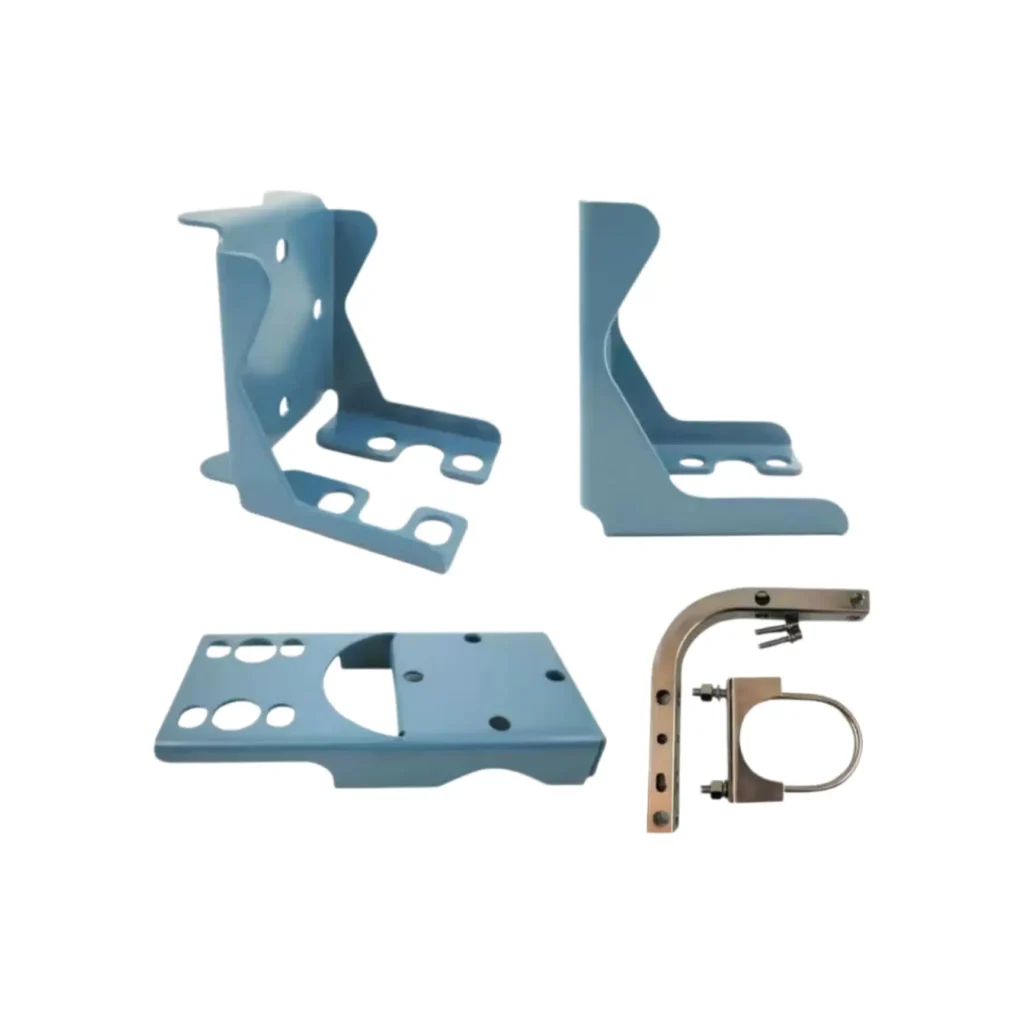
If the threaded direct-mount transmitter is installed directly on a pipeline port, a mounting bracket is usually not required. However, when impulse tubing is used, a bracket is needed to secure the transmitter to a 2-inch pipe or a panel. - Process Adapters and Thread Converters:
If the process connection on site is 1/2 NPT, while the transmitter uses an M20×1.5 process connection, a 1/2 NPT to M20×1.5 adapter is required for installation. - Heat Sink / Cooling Loop:
For high-temperature media (above 80°C), heat sinks or cooling loops are commonly used to reduce the temperature reaching the sensor and protect the transmitter. - Valve Manifold:
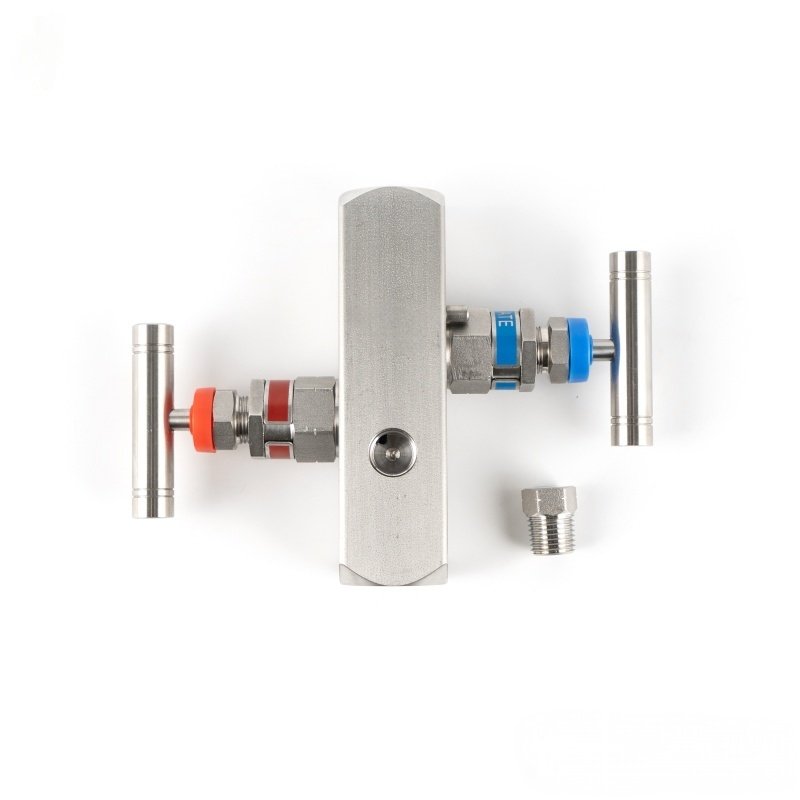
To facilitate maintenance and replacement of the pressure transmitter, direct-mount gauge pressure transmitters are often used together with two-valve manifolds, shut-off valves, or needle valves.
Installation and Calibration of 3051 Inline Pressure Transmitters
1. How to Install a Pressure Transmitter?
- Verify product information:
Check whether the model, specifications, measuring range, tag number, and other information are correct, and confirm that the transmitter has no visible damage. - Ensure safe installation conditions:
Confirm that the pipeline is not pressurized and that the transmitter is not powered on before installation. - Confirm the installation position:
Except for gas measurement, the transmitter should generally be installed below the pressure tapping point to ensure accurate pressure transmission. When measuring steam, impulse tubing should be used to prevent direct steam impact on the transmitter. - Install accessories:
Install a needle valve, two-valve manifold, heat sink, or other required accessories as needed. - Seal the threaded connection:
Wrap PTFE sealing tape around the threads to ensure proper sealing and prevent medium leakage. - Adjust the display direction:
Rotate or adjust the display so that it is easy to read during operation. - Complete the electrical wiring:
Connect the wiring according to the wiring diagram to ensure proper signal transmission. - Check sealing and leakage:
After installation, check the connection points to ensure there is no leakage. - Power-on test:
Apply power and check whether the transmitter outputs the signal normally and whether the zero point is correct. - Zero adjustment:
Use the buttons on the display or a HART communicator to perform zero calibration if necessary. - After confirming that everything is correct, the pressure transmitter can be put into normal operation.
2. How to Calibrate a Pressure Transmitter?
After long-term operation, a threaded direct-mount pressure transmitter may develop a certain measurement deviation, so periodic calibration is recommended.
Calibration usually requires the following equipment:
The typical calibration procedure is as follows:
- Close the valve manifold or shut-off valve, and remove the pressure transmitter from the process connection.
- Connect the calibration equipment to the transmitter.
- Check the zero point: when no pressure is applied, the transmitter output should be 4 mA.
- Apply standard pressure using the pressure calibrator and check whether the output signal corresponds to the expected value.
- If an error is detected, adjust the zero point and reset the measurement range as required.
- Recheck the calibration results to confirm accuracy.
- Reconnect the transmitter to the pipeline or equipment after calibration.
If professional calibration equipment is not available at the industrial site, it is recommended to send the transmitter to the manufacturer or a third-party calibration laboratory for calibration.
As a professional pressure transmitter manufacturer, SIY Electric uses advanced single-crystal silicon sensors. Each transmitter undergoes multi-temperature-point calibration and multi-pressure-point calibration before leaving the factory, resulting in very low long-term drift. Under normal operating conditions, the transmitter can typically run continuously for up to three years without recalibration.
Product Comparison
1. Direct-Mount Pressure Transmitter vs Coplanar Pressure Transmitter
The main differences between direct-mount pressure transmitters and coplanar pressure transmitters lie in their structure and application positioning.
When to choose a threaded direct-mount pressure transmitter:
- Compact structure.
- Simple installation and easy maintenance.
- Suitable for pressure measurements above 40 kPa, especially for high-pressure applications.
- Relatively lower cost.
When to choose a coplanar pressure transmitter:
- The structure is similar to a differential pressure transmitter, making it convenient to install three-valve manifolds or integrated two-valve manifolds and other accessories.
- Suitable for conventional pressure measurements, especially below 40 kPa.
- For low-pressure applications below 6 kPa, or even measurements within 1 kPa, coplanar pressure transmitters are more suitable.
- Higher price compared to direct-mount transmitters
2. Pressure Transmitter vs Differential Pressure Transmitter
A pressure transmitter can measure gauge pressure, absolute pressure, and level (via hydrostatic pressure), while a differential pressure transmitter can measure these as well but is primarily used to measure pressure difference.
Pressure transmitter:
- Lower cost.
- Only one process connection, used to measure the pressure or absolute pressure at a single point.
Differential pressure transmitter:
- Higher cost.
- Has two process connections, commonly used to measure the pressure difference between two points.If the low-pressure side is vented to atmosphere, it can function similarly to a coplanar pressure transmitter.
- Also widely used for flow measurement.
3. Direct-Mount Pressure Transmitter vs Flanged Pressure Transmitter
Threaded direct-mount pressure transmitters and flanged pressure transmitters have the same basic function, but they are used in different operating conditions.
Threaded direct-mount pressure transmitter:
- Lower cost.
- Suitable for general applications with non-corrosive or mildly corrosive media.
- Best for low-viscosity fluids that do not crystallize.
- Simple installation and convenient maintenance.
Generally offers higher measurement accuracy.
Flanged pressure transmitter:
- Higher cost.
- Suitable for high-viscosity media, crystallizing media, strongly corrosive fluids, and high-temperature conditions.
- The flange connection allows installation using bolted fastening, which is convenient for maintenance.
- Because of the capillary structure, pressure is transmitted indirectly, making it less suitable for low-pressure applications.
OEM Service and Quotation Information about Inline Pressure Transmitters
1. Do Pressure Transmitters Support OEM / Private Labeling?
Yes.
Custom production can be arranged according to customer requirements. We can also print the customer’s logo and company name on the product nameplate, helping customers establish their own branded product line.
SIY Electric focuses on the research, development, and manufacturing of pressure transmitters, with more than 10 years of experience in industrial instrumentation production. We have been providing reliable and stable pressure measurement products to customers both domestically and internationally. The company has mature manufacturing processes, strict quality control procedures, and a well-established supply chain system. Our products are widely used in industries such as water treatment, petrochemical, energy, power generation, machinery, and industrial automation.
For OEM / ODM cooperation, we can provide customized services based on customer requirements, including:
- Product private labeling (logo / nameplate customization).
- Model coding customization.
- Appearance and packaging customization.
- Parameter and configuration customization.
- Product manuals and label customization.
All products undergo strict performance testing and calibration before leaving the factory, ensuring measurement accuracy and long-term stability. With reliable product quality, stable delivery schedules, and professional technical support, we have established long-term OEM partnerships with many equipment manufacturers, engineering companies, and instrumentation distributors.
If you are looking for a stable and reliable pressure transmitter manufacturer or OEM supplier, please feel free to contact us. We will provide professional product solutions based on your specific requirements.
2. Price of Threaded Direct-Mount Pressure Transmitters
For standard-range threaded direct-mount pressure transmitters with 316L wetted parts and 0.075% accuracy, the typical price is around USD 200 per unit. The standard configuration includes a carbon steel mounting bracket and a stainless steel explosion-proof cable gland.
Please send us your data sheet or detailed on-site operating conditions, and we will prepare a quotation as quickly as possible after reviewing the technical details.

 inline pressure transmitter diagram