pressure transmitter shop
Spiral Wound Gasket
shop

pressure transmitter shop
Spiral Wound Gasket
shop




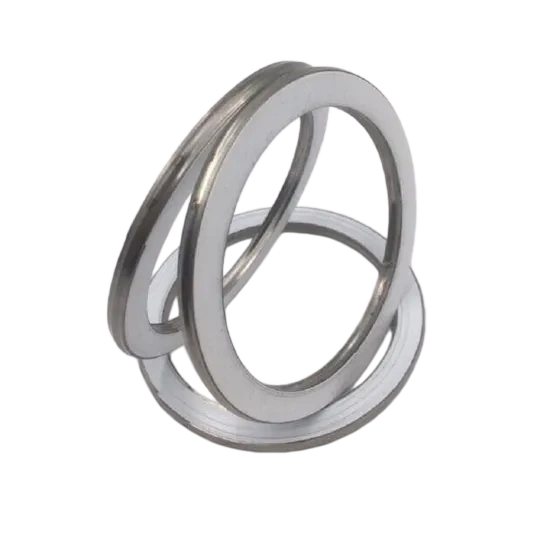
The Spiral Wound Gasket is a high-performance flange sealing gasket made by winding metal strip and soft filler material together. It is commonly used between pipeline flanges, valve flanges, equipment nozzles, and diaphragm seal instrument connections to provide reliable sealing under pressure and temperature changes.
For pressure instrumentation, spiral wound gaskets are often used with flanged pressure transmitters, diaphragm seal pressure transmitters, differential pressure level transmitters, flushing rings, mating flanges, and flanged pipe fittings. They help ensure a tight seal at the process connection and reduce leakage risk during long-term operation.
The Spiral Wound Gasket is a flange sealing component designed for industrial piping, valves, pressure vessels, heat exchangers, pumps, and process instrumentation systems.
It is manufactured by spirally winding a pre-formed metal strip together with a soft sealing filler, such as flexible graphite, PTFE, mica, or other materials. This structure gives the gasket both mechanical strength and elastic recovery, making it suitable for demanding applications involving pressure fluctuation, temperature cycling, vibration, and flange load changes.
Spiral wound gaskets are widely used in oil and gas, chemical processing, petrochemical plants, power generation, water treatment, steam systems, and industrial pressure measurement applications.
A spiral wound gasket is mainly used to seal the gap between two flange faces. The metal winding provides structural strength and compression recovery, while the filler material helps create the sealing layer against the flange surface.
Compared with flat rubber or PTFE gaskets, spiral wound gaskets are more suitable for industrial applications where the sealing point may experience:
For many industrial flange connections, especially raised face flanges, a spiral wound gasket with an outer centering ring or inner and outer rings is commonly selected. The outer ring helps position the gasket during installation, while the inner ring helps protect the sealing element from media erosion and over-compression.
The basic type consists of only the spiral wound sealing element. It is usually used in special flange grooves or applications where the gasket is positioned by the flange design.
This type includes an outer centering ring, which helps position the gasket on raised face flanges and prevents over-compression during bolt tightening.
The inner ring helps reduce turbulence, prevent inward buckling, and protect the sealing element from direct media erosion.
This is one of the most commonly used types for industrial flange sealing. It provides better installation positioning, improved sealing stability, and better protection for the winding element.
The combination of metal strip and soft filler provides both strength and sealing flexibility.
The spiral wound structure allows the gasket to recover under compression changes, helping maintain sealing performance during temperature and pressure cycling.
Depending on the selected metal and filler materials, spiral wound gaskets can be used in demanding industrial pressure and temperature conditions.
Suitable for pipe flanges, valve flanges, equipment flanges, pressure vessel nozzles, and instrument diaphragm seal connections.
Common winding materials include SS304, SS316, SS316L, 321, 310S, and other alloys. Common fillers include flexible graphite, PTFE, mica, and ceramic fiber.
Inner rings and outer centering rings can be selected according to flange type, pressure class, medium, and installation requirement.
| Item | Specification |
|---|---|
| Product Name | Spiral Wound Gasket |
| Brand | SIYelectric |
| Product Type | Flange Sealing Gasket |
| Winding Material | SS304, SS316, SS316L, 321, 310S, or Customized |
| Filler Material | Flexible Graphite, PTFE, Mica, Ceramic Fiber, or Customized |
| Inner Ring Material | Carbon Steel, SS304, SS316, SS316L, or Customized |
| Outer Ring Material | Carbon Steel, SS304, SS316, SS316L, or Customized |
| Structure Options | Basic Type, Outer Ring Type, Inner Ring Type, Inner and Outer Ring Type |
| Flange Compatibility | RF, FF, RTJ, Tongue and Groove, Male and Female Flanges |
| Standards | ASME, EN, DIN, JIS, GB, or Customized |
| Main Function | Flange sealing / leakage prevention |
| Typical Applications | Pipelines, valves, pressure vessels, diaphragm seal instruments, flushing rings |
Used between pipe flanges to seal water, steam, oil, gas, chemical fluids, and other compatible media.
Suitable for installation between valves, pumps, heat exchangers, pressure vessels, reactors, and process equipment.
Used as the sealing gasket between the process flange and the diaphragm seal flange of a flanged pressure transmitter.
Commonly used with single flange and dual flange differential pressure level transmitters for tank and vessel level measurement.
When a flushing ring is installed between the process flange and the diaphragm seal flange, spiral wound gaskets are often required on both sides of the flushing ring to ensure reliable sealing.
Typical installation:
Process Flange → Spiral Wound Gasket → Flushing Ring → Spiral Wound Gasket → Diaphragm Seal Flange
Used in chemical pipelines, reactors, storage tanks, process vessels, and equipment nozzles where reliable flange sealing is required.
Graphite-filled spiral wound gaskets are commonly used in steam lines, hot oil systems, boiler auxiliary lines, and other high-temperature applications.
When selecting a spiral wound gasket, confirm the following details:
Request Your Custom Solution & Factory Price
*We respect your privacy. Your information is used for technical quotation purposes only and will never be shared.
We use cookies to improve your experience and analyze site traffic. Choose which cookies you allow.
Required for the website to function. Cannot be disabled.
Help us understand how visitors interact with the website.
Used to deliver relevant advertisements and track campaigns.
No marketing cookies are used on this site.
Remember your settings and preferences for a better experience.
No preference cookies are used on this site.