Pressure Transmitter Accessories & Manifold Valves

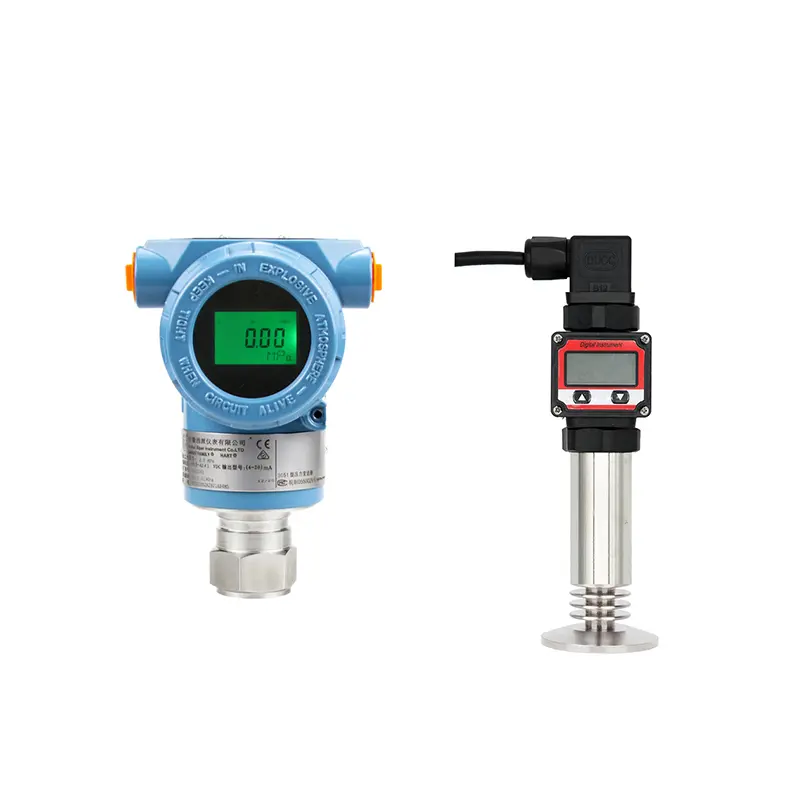
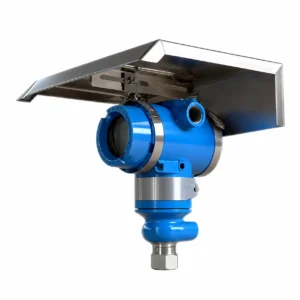
When selecting high-performance pressure transmitter accessories, quality and compatibility are non-negotiable. These accessories are designed to support safe installation, isolation, and long-term operation of pressure transmitters and diaphragm seal pressure transmitters.

Installation Accessories for Standard Pressure Transmitters

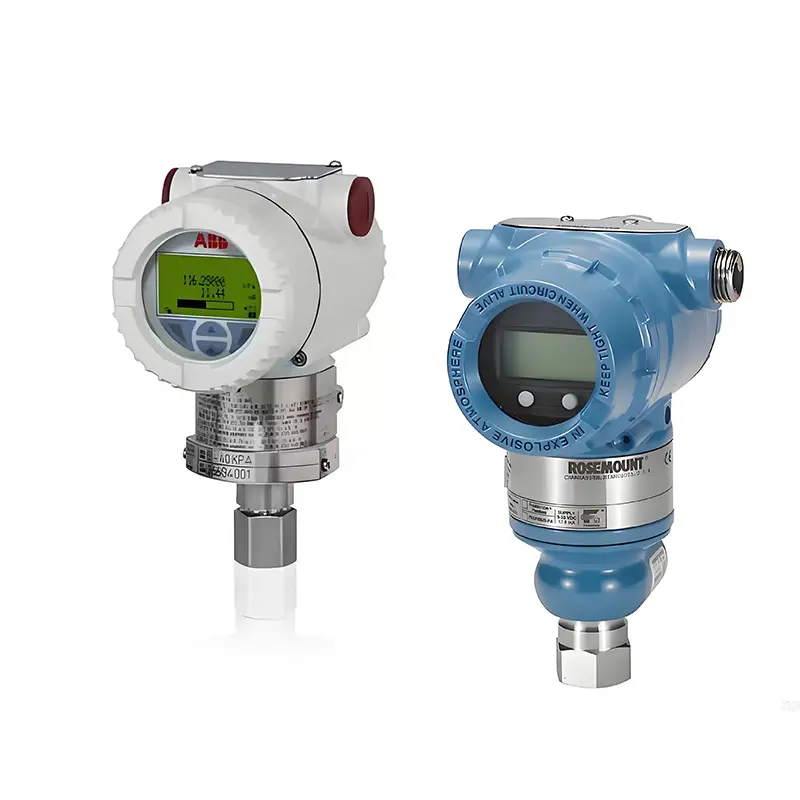
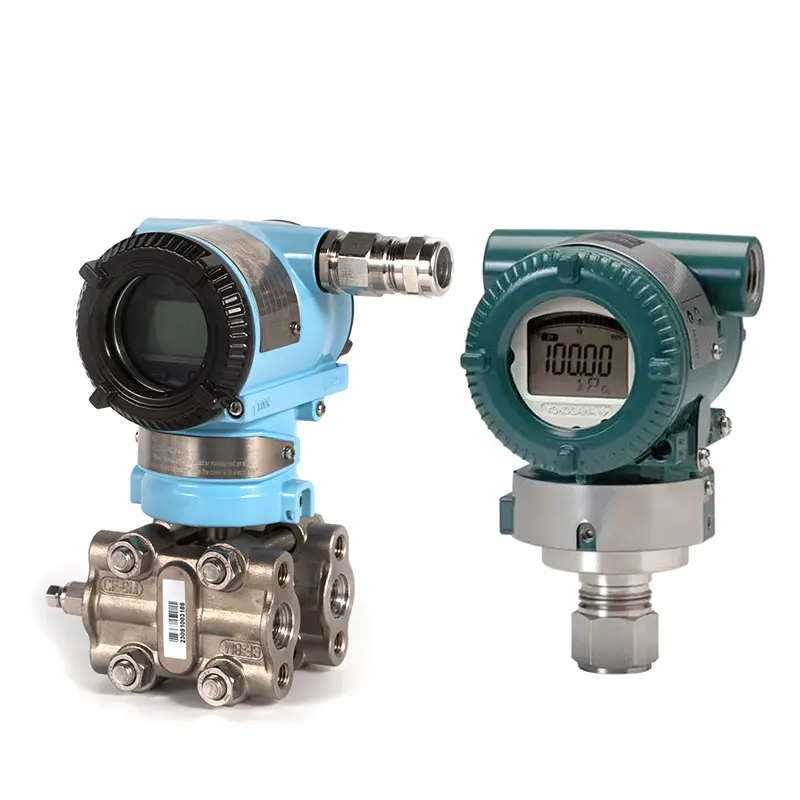
Proper installation hardware is vital to protect sensitive sensors from operational fatigue. For inline pressure transmitters, 2088-type gauges, and 3051 differential pressure transmitters, selecting standard-compliant threaded accessories ensures leak-free performance. Utilizing high-integrity instrument valves and manifold valves allows field technicians to isolate, blowdown, and calibrate devices safely without halting process loops. Our heavy-duty impulse line hardware guarantees zero leakage and long-term signal stability in severe-service industrial environments.

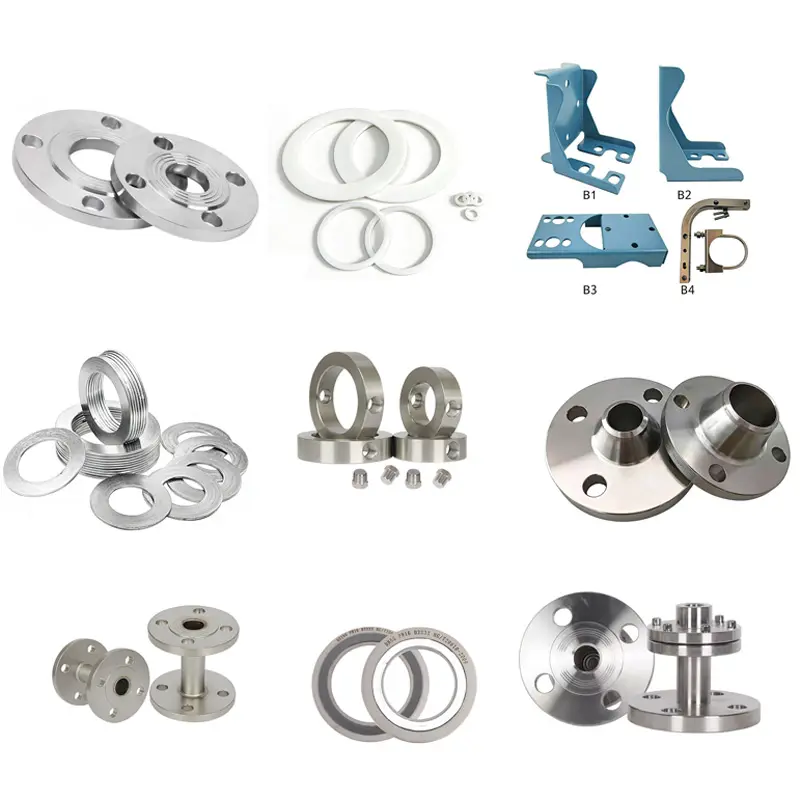
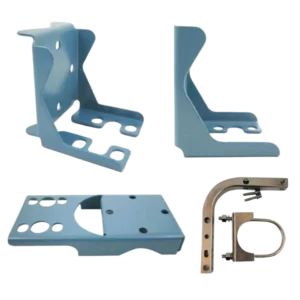
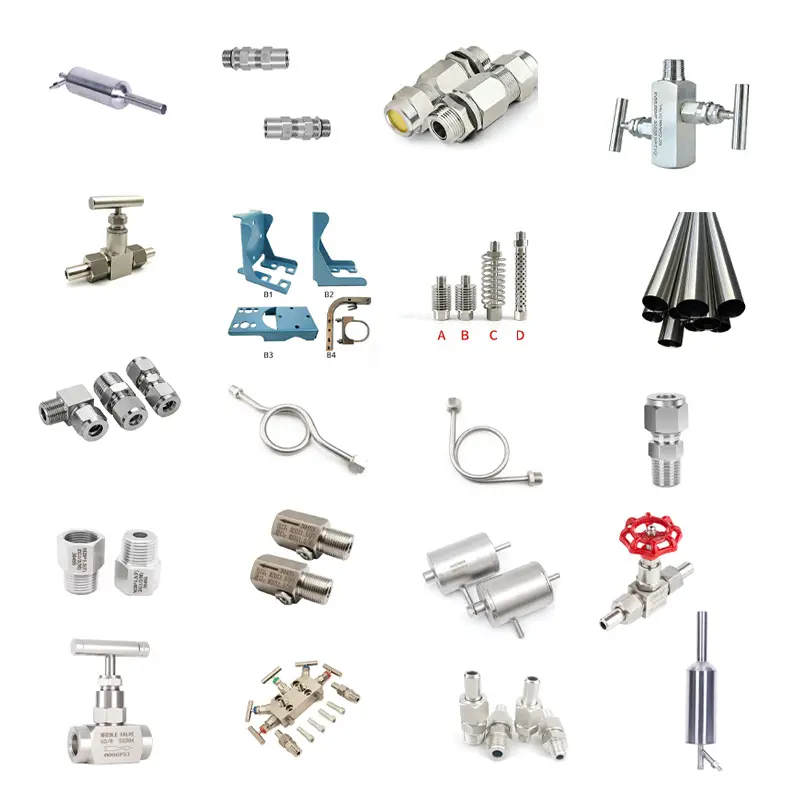
  • Mounting bracket — used for fixing the transmitter.
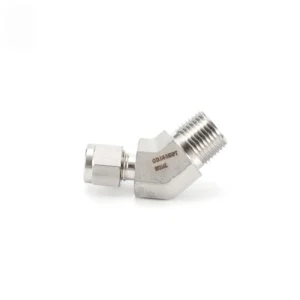
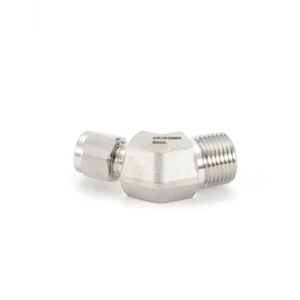
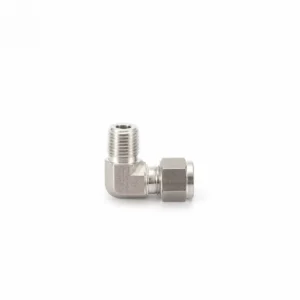
  • Fittings — matched to installation requirements according to thread specifications (e.g. G1/2, NPT1/2, etc.).
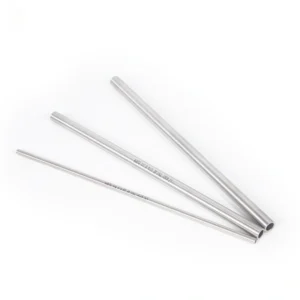
  • Impulse tube — connects the process pipeline to the transmitter.
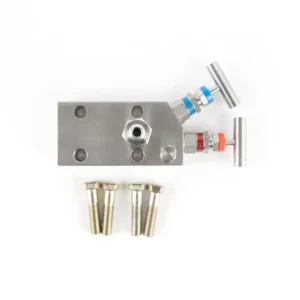
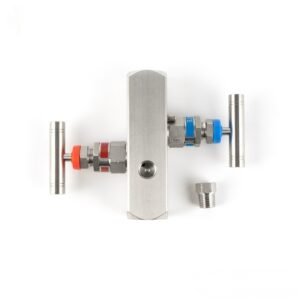
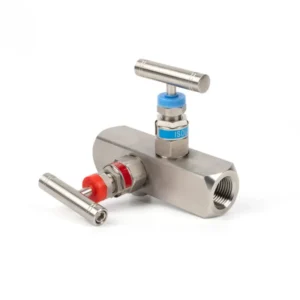
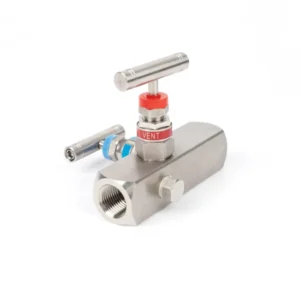
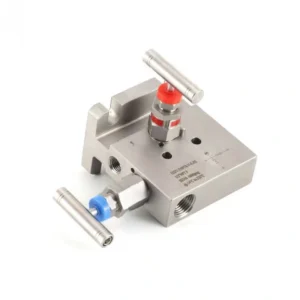
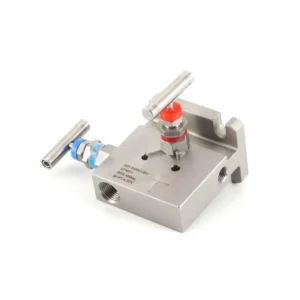
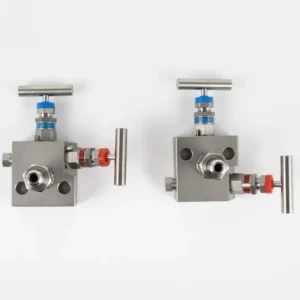
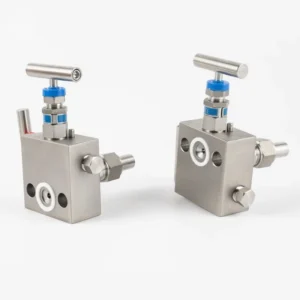
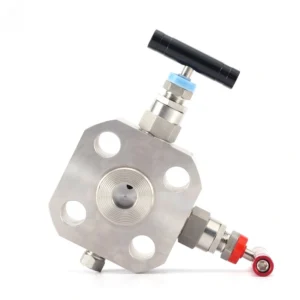
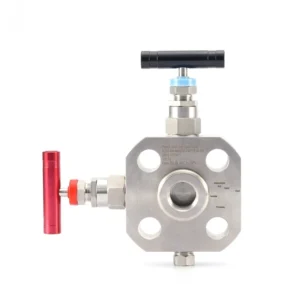
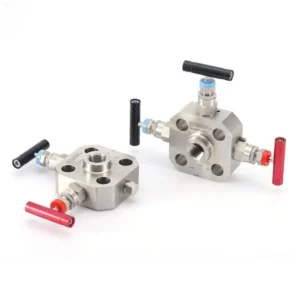
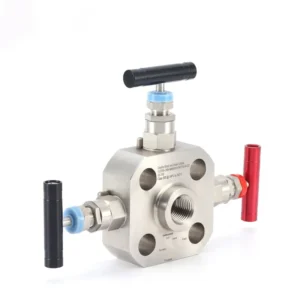
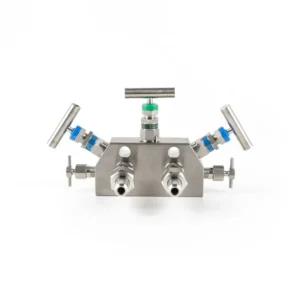
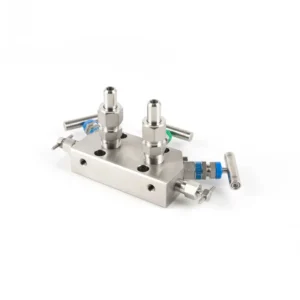
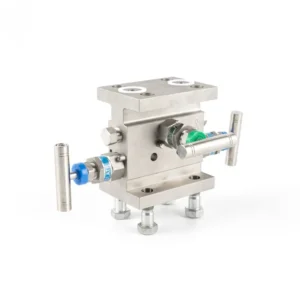
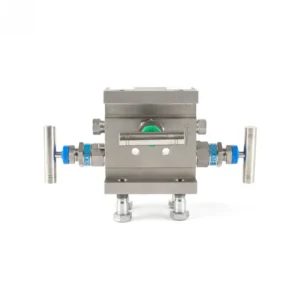
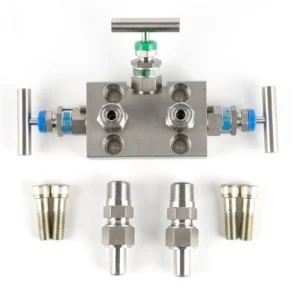
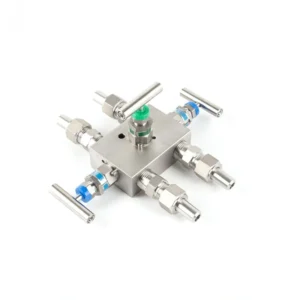
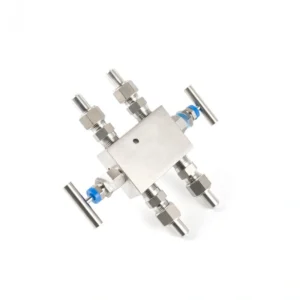
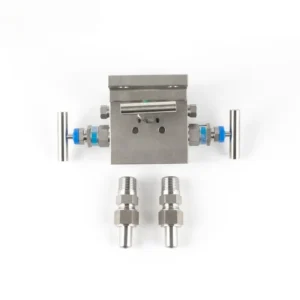
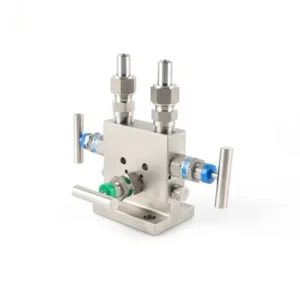
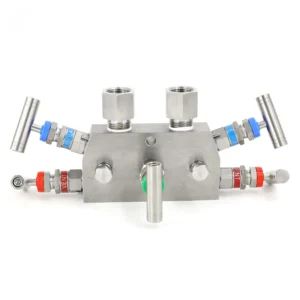
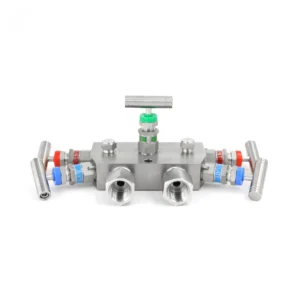
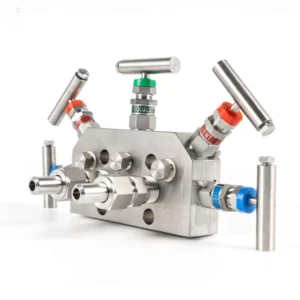
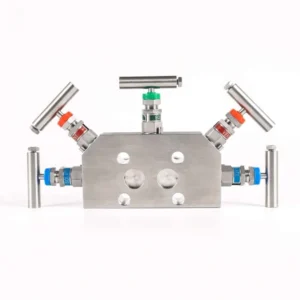
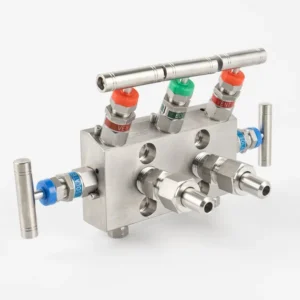
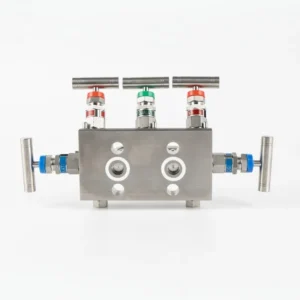
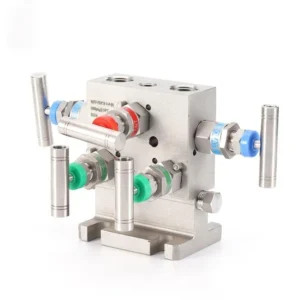
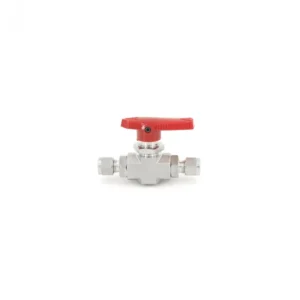
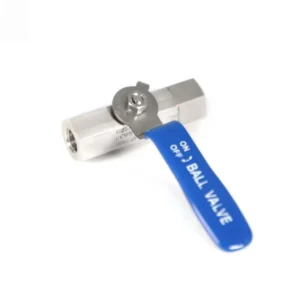
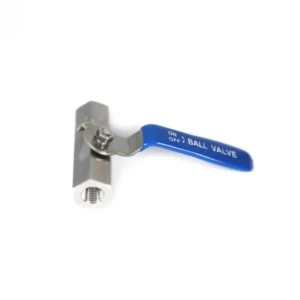
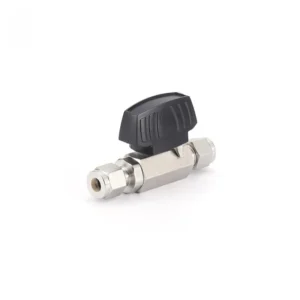
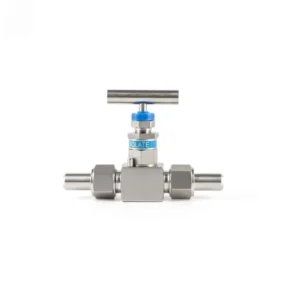
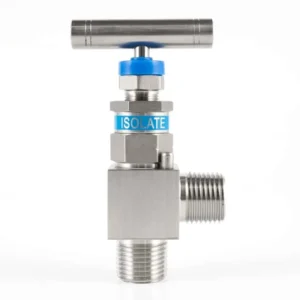
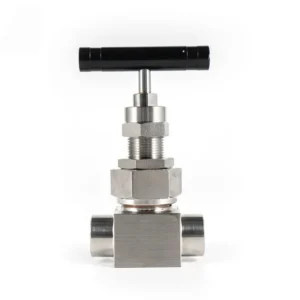
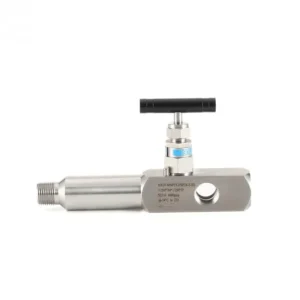
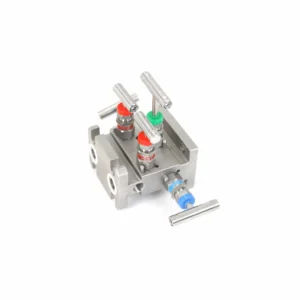
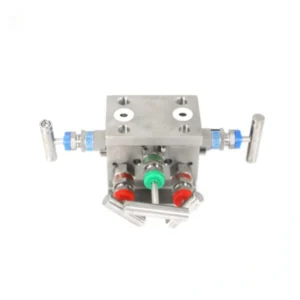
  • Valve manifold (shut-off valve, two-valve, three-valve, or five-valve manifold, etc.) — used for calibration, venting, and isolating process pressure.
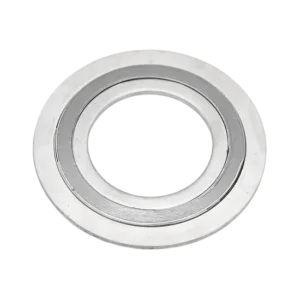
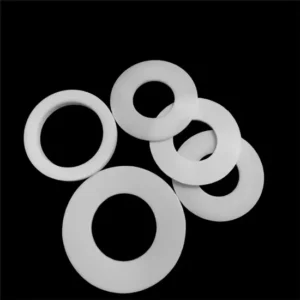
  • Sealing gasket — used for flange sealing.
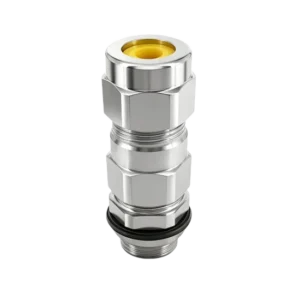
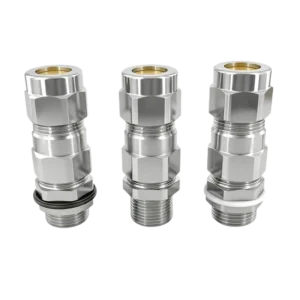
  • Stainless steel cable gland — commonly used in explosion-proof applications to ensure safe and reliable electrical connections.
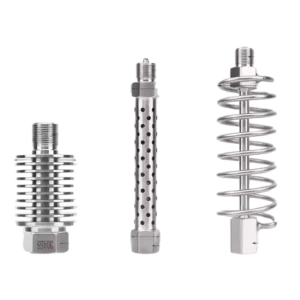
  • Heat sink — used for high-temperature media, allowing the medium to cool down to normal temperature before entering the transmitter.
  • Damper — used to reduce pressure pulsations and vibrations of the medium, commonly installed on transmitters located after pumps.
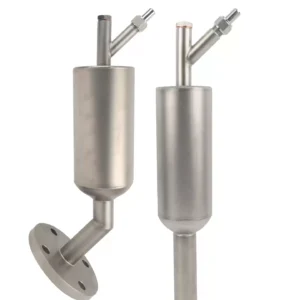
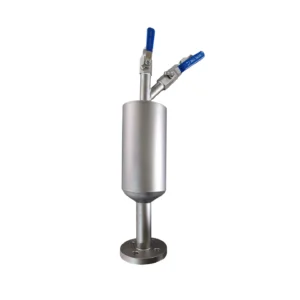
  • Condensate pot — used in steam or high-temperature gas measurement systems to prevent high-temperature gas from directly contacting the transmitter.
  • Anti-clog sampling device — used to prevent particles, sediment, or high-viscosity media in the pipeline from clogging the sensor.

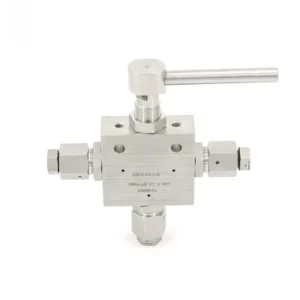
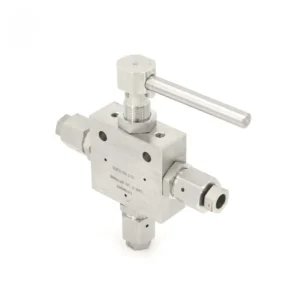
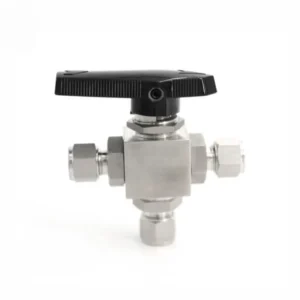
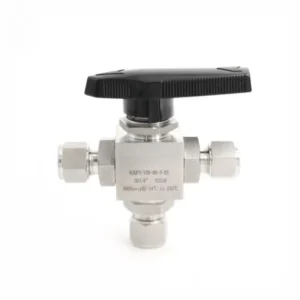
Manifold Valves

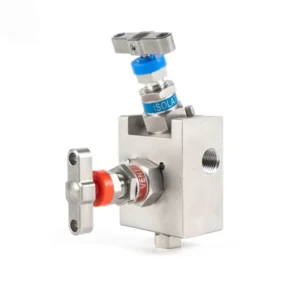
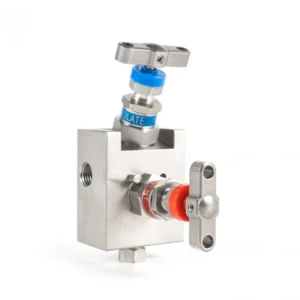
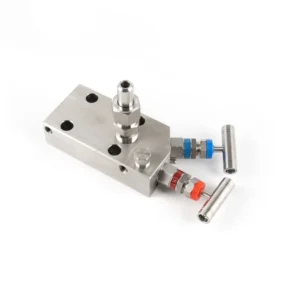
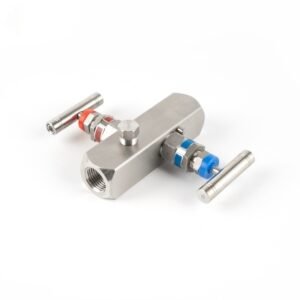
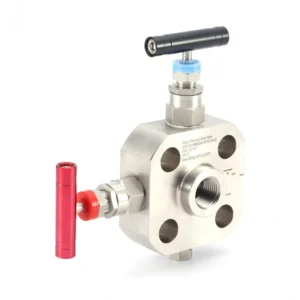
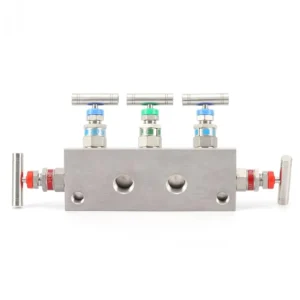
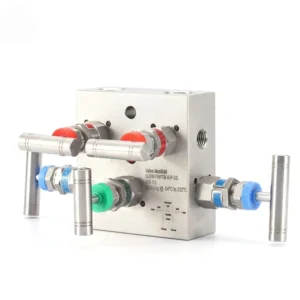
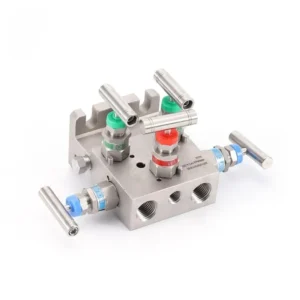
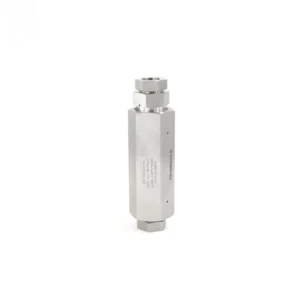
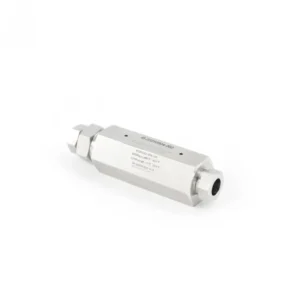
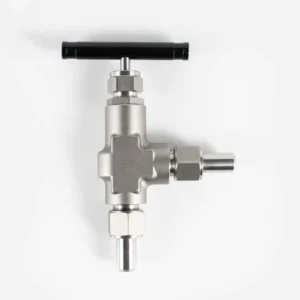
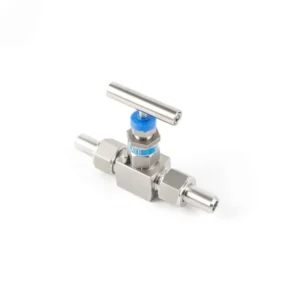
Our precision-machined manifold valves provide reliable isolation, venting, and equalization for gauge and differential pressure transmitters. Available in 2-way, 3-way, and 5-way configurations, these heavy-duty valve manifolds ensure safe field calibration and zero-leakage performance under high-pressure conditions.

Instrument Needle Valves, Check Valves & Tube Fittings

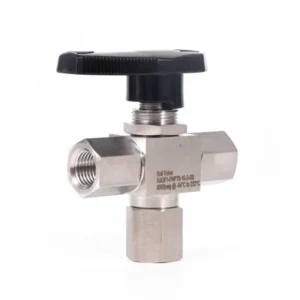
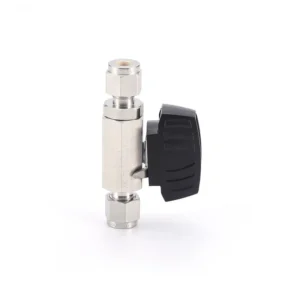
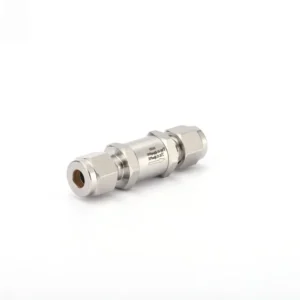
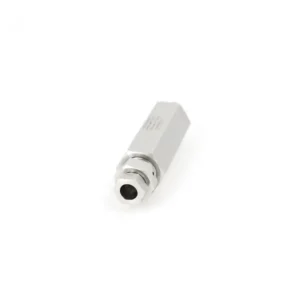
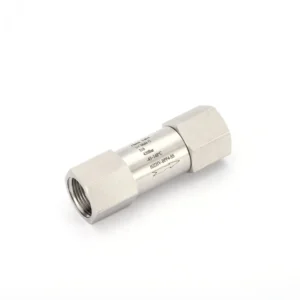
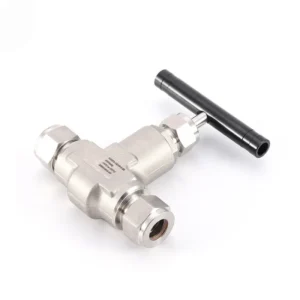
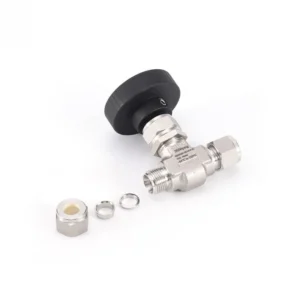
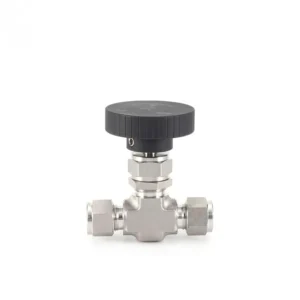
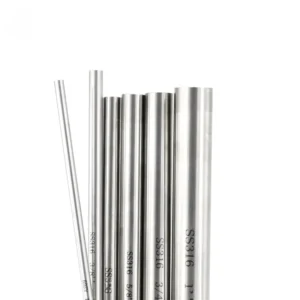
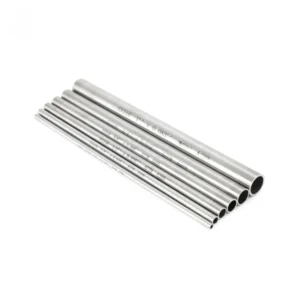
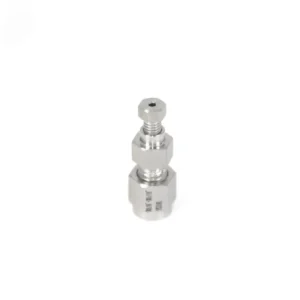
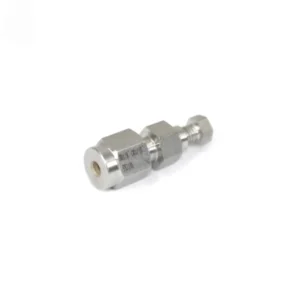
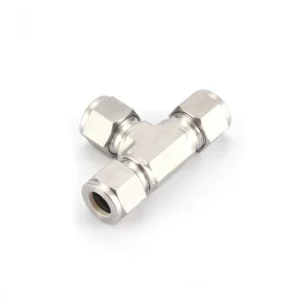
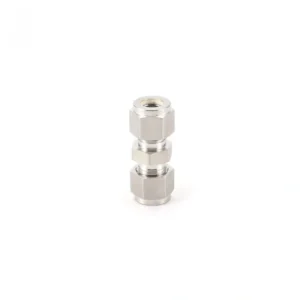
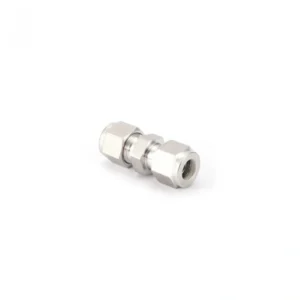
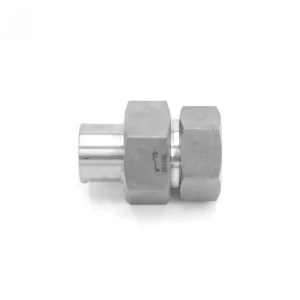
Our high-pressure needle valves, stainless steel check valves, instrumentation tube fittings and instrument tube provide leak-free threaded connections, protecting your threaded transmitter sensors from pressure surges.

Showing 1-2 of 2 products

Mounting Accessories for Diaphragm Seal Transmitters

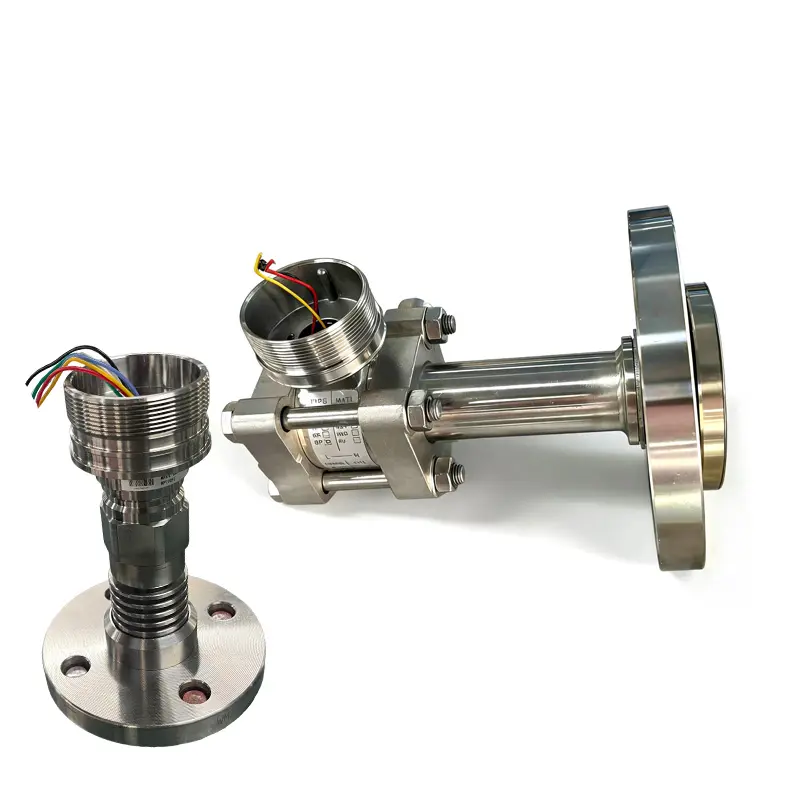
Diaphragm seal systems and remote capillary transmitters demand robust structural support and reliable process connection hardware. To prevent zero-point drift and mechanical stress on the isolation membranes, specialized flange accessories and high-precision flanged ball valves are required. For challenging media prone to clogging, crystallization, or polymer buildup, integrating robust flushing rings enables inline clearing of the diaphragm surface without breaking the process seal, significantly reducing maintenance downtime in level and differential pressure applications.

  • Mounting bracket — used to secure the transmitter or diaphragm assembly, ensuring stable installation.
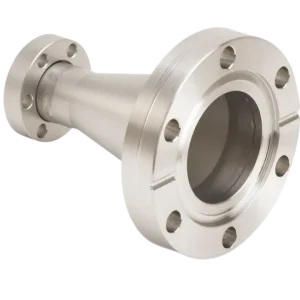
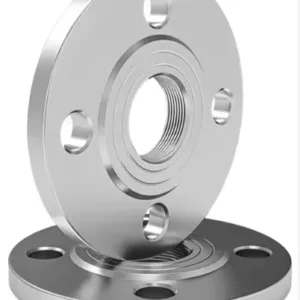
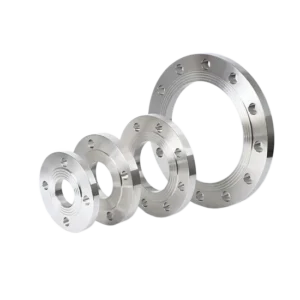
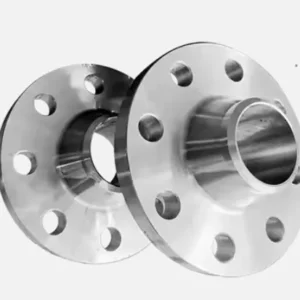
  • Matching flange — used together with the diaphragm seal flange to connect the pipeline.
  • Fasteners — bolts, nuts, etc., used to secure flanges and brackets.
  • Isolation gasket — placed between flanges to ensure sealing and prevent leakage.
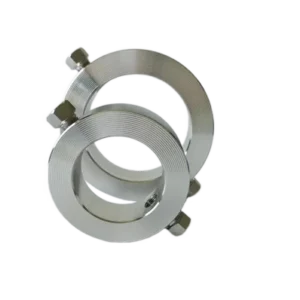
  • Flush Ring — used to clean the diaphragm or pipeline, preventing clogging.
  • I-shaped flange — provides standardized connections, facilitating installation and replacement.
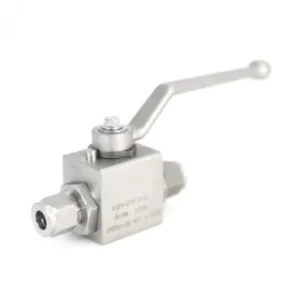
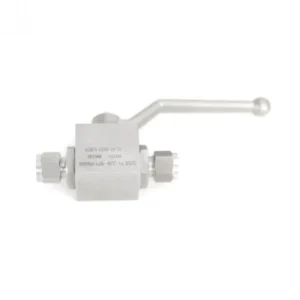
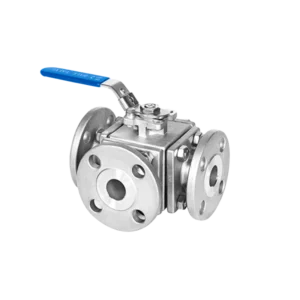
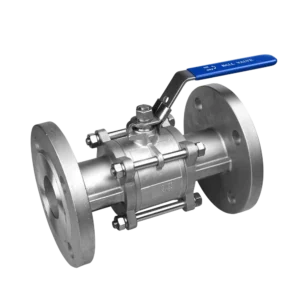
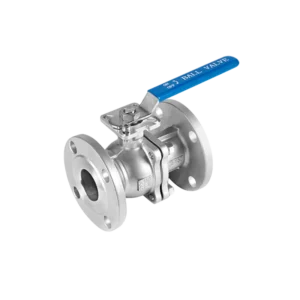
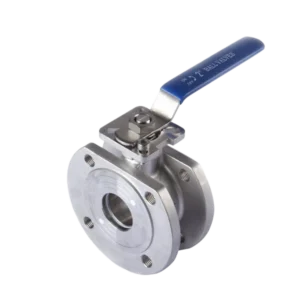
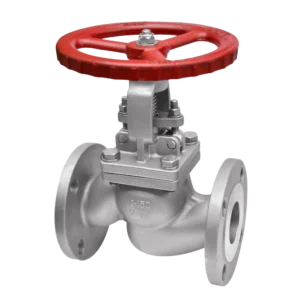
  • Flanged ball valve — used to isolate or control the flow of process media.

Flanged Valves, Flushing Rings & Flange Accessories

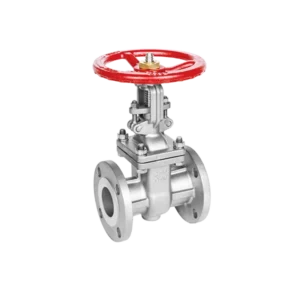
Optimized for diaphragm seal and level transmitter systems, our heavy-duty flanged ball valves, precision-machined flushing rings, and robust mounting brackets ensure safe and rigid installation. These premium flange accessories streamline process venting and clearing of polymer buildup without pipeline shutdown.

Standard-Compliant Accessories for Major Transmitter Brands

Our instrumentation hardware is precision-engineered to international standards (including IEC 61518 and NPT threads), ensuring 100% seamless compatibility with major pressure transmitter brands. Upgrade your installation with premium, factory-direct hardware at a fraction of the OEM cost.

Technical & Installation FAQ

Have technical questions about integrating hardware with your field instruments? Find expert verification regarding SIY valve manifolds, thread specifications, and severe-service compliance to ensure safe, leak-free operational loops for your pressure transmitter accessories.

What is the operational difference between a 2-way, 3-way, and 5-way manifold valve?
  • 2-Way Manifolds: Designed for inline gauge pressure applications. They contain one block valve to isolate the process and one drain/test valve to vent trapped pressure during zero-calibration.

  • 3-Way Manifolds: Dedicated to differential pressure (DP) transmitters. They incorporate two block valves to isolate the high and low-pressure impulse lines, and one equalizer valve to balance internal pressure during commissioning, preventing single-sided over-pressure damage to the sensor.

  • 5-Way Manifolds: Used in critical DP gas or steam flow loops. They add two independent vent/bleed valves to the 3-way layout, allowing field engineers to safely drain condensate or bleed trapped gases into a containment line before servicing.

Is a flushing ring mandatory for all remote diaphragm seal transmitters?

No, a flushing ring (calibration ring) is not a mandatory requirement; its use is entirely dictated by the specific process conditions. For clean liquids or gases, it is generally unnecessary.

However, for severe applications involving high-viscosity media, slurries, polymers, or fluids prone to crystallization, a flushing ring is highly recommended.

It provides dual 1/4″ or 1/2″ NPT ports between the process flange and the diaphragm. This allows operators to inject solvent and flush away crusts or debris without unbolting the remote seal or draining the entire process pipeline.

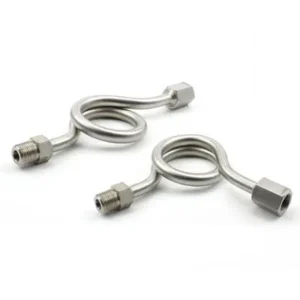
When should a stainless steel syphon (pigtail or coil) be installed in a pressure loop?

A syphon must be installed whenever the transmitter or pressure gauge measures high-temperature live steam or hot vapors that exceed the instrument’s safe electronic temperature threshold (typically above 85°C).

The syphon traps condensed process fluid within its loop, creating a permanent liquid thermal barrier.

This prevents superheated steam from directly contacting the transmitter’s internal silicon oil fill and sensor circuitry, effectively eliminating zero shift and preventing premature sensor failure.
How do I choose between NPT and G (BSP) threads for transmitter accessories?

Thread selection is primarily governed by regional engineering specifications and existing plant standards.
NPT (National Pipe Thread) is a tapered thread common in North American and global oil and gas projects, relying on thread wedging and PTFE tape to achieve a secure seal.
G Thread (Parallel/BSP) is common in Europe and Asia, utilizing a flat gasket or O-ring at the base of the male fitting to seal. It is critical never to force an NPT male into a G female connection, as the pitch mismatch will destroy the threads and cause high-pressure blowouts.

Why is universal compliance with the IEC 61518 standard important for valve manifolds?

IEC 61518 is the international standard regulating the interface dimensions between valve manifolds and differential pressure transmitters (specifically the bolt hole spacing and sealing surface placement).

Because SIY valve manifolds strictly follow IEC 61518, they guarantee a 100% precise mechanical fit with major transmitter brands like Rosemount, Yokogawa, or Honeywell.

This universal compatibility allows plant operators to upgrade or replace installation accessories seamlessly without modifying the original piping layout.

Can SIY accessories comply with NACE MR0175 / ISO 15156 standards for sour gas?

Yes. For oil, gas, and petrochemical projects dealing with sour environments (H2S content), we supply specialized accessories that undergo strict hardness control and heat treatment to meet NACE MR0175/ISO 15156 requirements.

These components are specifically engineered to prevent sulfide stress cracking (SSC) in severe service conditions.

All such orders are supplied with complete EN 10204 3.1 material traceability certificates to verify material chemistry and technical integrity.

Related Products

Request Your Custom Solution & Factory Price

Contact Form Demo

*We respect your privacy. Your information is used for technical quotation purposes only and will never be shared.