pressure transmitter shop
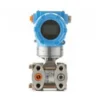
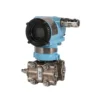
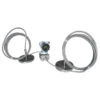
Tiankang Single Flange Remote Seal Pressure Transmitter
shop

pressure transmitter shop
Tiankang Single Flange Remote Seal Pressure Transmitter
shop
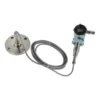
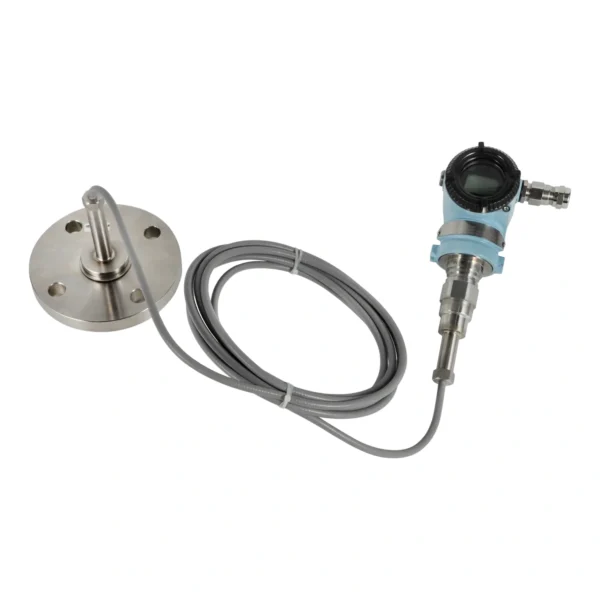
The Anhui Tiankang Single Flange Remote Seal Pressure Transmitter is designed for pressure measurement in applications where the transmitter body needs to be installed away from the process connection. It uses a single remote diaphragm seal flange connected to the pressure transmitter through a capillary, allowing the process pressure to be transmitted while isolating the sensor from direct contact with the medium.
This type of remote seal pressure transmitter is suitable for corrosive, viscous, crystallizing, high-temperature, toxic, or easy-to-block media. It is commonly used in chemical, petrochemical, power generation, water treatment, pharmaceutical, food processing, and general process industries where a standard threaded pressure transmitter is not suitable.
The Anhui Tiankang single flange remote seal pressure transmitter consists of a smart pressure transmitter, one remote diaphragm seal flange, and one capillary. The diaphragm seal is installed on the process flange, while the transmitter body can be mounted at a more convenient or safer location.
The process medium only contacts the diaphragm seal and wetted parts. The pressure is transferred through the filling fluid inside the capillary to the transmitter sensor. This structure helps avoid problems caused by direct process connection, such as blockage, corrosion, high temperature influence, or inconvenient field reading.
It is especially useful when:
Unlike a dual flange differential pressure level transmitter, this product uses only one remote seal and is mainly used for pressure measurement. It can also be used in some open tank level applications if the installation and reference pressure conditions are suitable.
The working principle of the single flange remote seal pressure transmitter is based on diaphragm isolation and capillary pressure transmission.
Process Pressure → Remote Diaphragm Seal → Filling Fluid → Capillary → Pressure Transmitter Sensor → 4–20 mA / HART Output
The process pressure acts on the diaphragm surface. The diaphragm transfers pressure to the filling fluid inside the sealed system. The capillary then transmits the pressure to the sensor module inside the transmitter.
This structure prevents the process medium from entering the transmitter sensor directly, reducing the risk of corrosion, clogging, contamination, or temperature damage.
The transmitter uses one remote diaphragm seal flange connected by capillary. This allows the transmitter body to be installed separately from the process flange.
This structure is different from:
The single flange remote seal structure is suitable for media that are difficult for ordinary pressure transmitters, including:
The capillary allows the transmitter body to be mounted away from the process connection. This helps protect the electronics and makes installation more flexible.
Remote mounting is useful when:
The remote seal flange is installed on the process flange or vessel nozzle. This provides a larger process interface than a small threaded pressure port and is more suitable for viscous or dirty media.
Typical installation:
Process Flange → Gasket → Remote Diaphragm Seal → Capillary → Pressure Transmitter
If flushing is needed:
Process Flange → Gasket → Flushing Ring → Gasket → Remote Diaphragm Seal → Capillary → Pressure Transmitter
The diaphragm material should be selected according to the medium.
| Diaphragm Material | Typical Application |
|---|---|
| 316L Stainless Steel | General water, oil, mild chemical liquids |
| Hastelloy C-276 | Corrosive chemical liquids and many acidic applications |
| Tantalum | Selected strong acid applications |
| Monel | Certain special chemical media |
| Gold-plated diaphragm | Hydrogen service or hydrogen permeation concern |
| PTFE coating / lining | Strong corrosive or special chemical applications |
Material selection should be confirmed according to medium name, concentration, temperature, pressure, and corrosion characteristics.
The filling fluid inside the diaphragm seal and capillary system transfers pressure to the transmitter sensor. It directly affects response time, temperature performance, and long-term stability.
Common filling fluid options include:
For high temperature, vacuum, oxygen service, food-grade service, or special chemical media, filling fluid selection must be checked carefully.
| Item | Specification |
|---|---|
| Product Name | Anhui Tiankang Single Flange Remote Seal Pressure Transmitter |
| Brand | Anhui Tiankang |
| Related Series | TK3051C / 1199 Diaphragm Sealing System |
| Product Type | Smart Pressure Transmitter with Single Remote Diaphragm Seal |
| Measurement Type | Gauge Pressure / Absolute Pressure / Pressure-Based Level Measurement |
| Process Medium | Liquid, Gas, Steam, Corrosive Media, Viscous Media, Crystallizing Media |
| Seal Structure | One Remote Diaphragm Seal with Capillary |
| Output Signal | 4–20 mA / 4–20 mA + HART, depending on transmitter configuration |
| Process Connection | Flanged Remote Diaphragm Seal |
| Diaphragm Materials | 316L, Hastelloy C-276, Tantalum, Monel, Gold-Plated, PTFE-Coated Options |
| Filling Fluid | Silicone Oil, High-Temperature Oil, Low-Temperature Oil, Fluorinated Oil, Special Filling Fluid |
| Capillary Length | Selected according to installation distance |
| Optional Accessories | Flushing Ring, Mating Flange, Gasket, Mounting Bracket, Cable Gland |
| Typical Applications | Corrosive Pressure, High-Temperature Pressure, Viscous Media, Remote Mounting |
Used for pressure measurement in reactors, storage tanks, pipelines, dosing systems, separators, and process vessels where the medium may be corrosive, viscous, crystallizing, or toxic.
When process temperature is too high for direct-mounted transmitters, the capillary structure allows the transmitter body to be installed away from the heat source. Suitable filling fluid and capillary length should be selected according to temperature conditions.
The flanged diaphragm seal provides a larger sensing surface than a threaded pressure port. This helps reduce blockage risk for viscous liquids, sticky media, crystallizing liquids, and dirty process fluids.
With suitable diaphragm material, the transmitter can measure corrosive liquids such as acids, alkalis, solvents, and special chemicals.
The transmitter can be used for tank pressure, vessel pressure, reactor pressure, and process equipment pressure monitoring where the transmitter needs to be installed away from the process flange.
If the process connection is in a difficult position, the transmitter can be mounted remotely so operators can read the display and perform maintenance more easily.
When selecting a single flange remote seal pressure transmitter, confirm the following information:
| Item | Single Flange Remote Seal Pressure Transmitter | Direct-Mounted Diaphragm Seal Pressure Transmitter |
|---|---|---|
| Transmitter Position | Separated from process flange by capillary | Mounted directly on process flange |
| Installation Flexibility | Higher | Lower |
| Suitable for High Temperature | Better, transmitter can be moved away | Limited by direct heat exposure |
| Response Time | May be slower depending on capillary length | Usually faster |
| Maintenance Access | Easier if transmitter is mounted remotely | Depends on process flange position |
| Typical Use | Hot, vibrating, hard-to-access, or insulated process points | Compact normal-temperature applications |
For compact installations with normal temperature, direct-mounted diaphragm seal transmitters are often simpler. For high temperature, vibration, insulation, or poor access, the remote seal type is more suitable.
| Item | Single Flange Remote Seal Pressure Transmitter | Dual Flange DP Level Transmitter |
|---|---|---|
| Number of Remote Seals | One | Two |
| Main Measurement | Pressure | Liquid level in closed tanks |
| Transmitter Type | Pressure transmitter | Differential pressure transmitter |
| Top Pressure Compensation | No | Yes |
| Typical Installation | One process flange | Upper and lower tank flanges |
| Typical Use | Pressure measurement with remote seal | Closed/pressurized tank level measurement |
The single flange remote seal pressure transmitter is mainly used for pressure measurement. If the application is closed tank level measurement and top pressure changes, a dual flange differential pressure level transmitter is usually more appropriate.
Common accessories include:
Typical installation without flushing ring:
Process Flange → Gasket → Remote Diaphragm Seal → Capillary → Pressure Transmitter
Typical installation with flushing ring:
Process Flange → Gasket → Flushing Ring → Gasket → Remote Diaphragm Seal → Capillary → Pressure Transmitter
SIYelectric supplies Anhui Tiankang single flange remote seal pressure transmitters for chemical, petrochemical, power generation, water treatment, food, pharmaceutical, and general industrial process projects. We can help check model codes, confirm pressure range, select diaphragm material, choose filling fluid, determine capillary length, and match installation accessories according to actual site conditions.
For accurate quotation, please provide:
SIYelectric can also support related accessories such as flushing rings, mating flanges, PTFE gaskets, spiral wound gaskets, mounting brackets, capillary protection parts, explosion-proof cable glands, and HART communicators.
Available documents may include technical datasheet, certificate of conformity, inspection report, packing list, and commercial invoice, depending on order and project requirements.
Request Your Custom Solution & Factory Price
*We respect your privacy. Your information is used for technical quotation purposes only and will never be shared.
We use cookies to improve your experience and analyze site traffic. Choose which cookies you allow.
Required for the website to function. Cannot be disabled.
Help us understand how visitors interact with the website.
Used to deliver relevant advertisements and track campaigns.
No marketing cookies are used on this site.
Remember your settings and preferences for a better experience.
No preference cookies are used on this site.