pressure transmitter shop
Instrumentation Tubing
shop

pressure transmitter shop
Instrumentation Tubing
shop
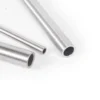
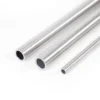
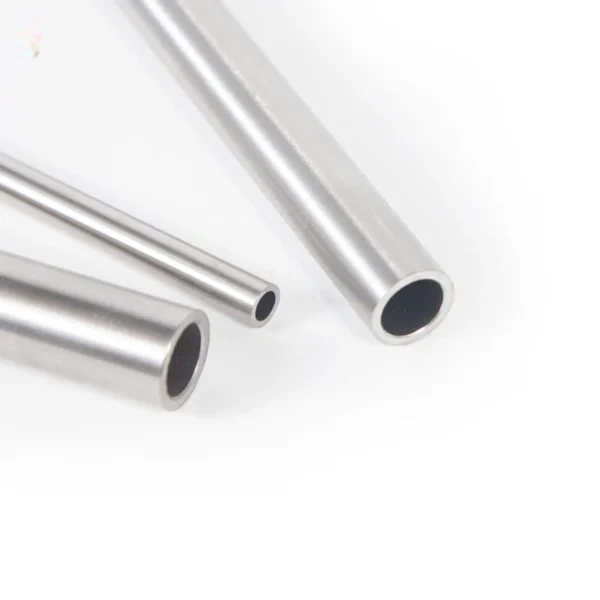
SIYelectric instrumentation tubing is engineered from high-quality stainless steel such as 304SS, 316SS, and 316LSS, meeting ASTM A269 and A213 standards. Known for superior corrosion resistance and mechanical reliability, it ranges from 1/8″ to 2″ (3mm to 50mm), with custom alloy options available. Ideal for diverse industrial applications, it ensures precise fittings, durability under high pressures, and compatibility with SIYelectric Tube Fitting Dual Ferrule fittings for efficient installation and sealing.
SIYelectric Instrumentation Tubing is designed for pressure measurement lines, analyzer systems, sampling systems, hydraulic control lines, pneumatic systems, and general industrial process applications.
The tubing is commonly manufactured from stainless steel materials such as 304SS, 316SS, and 316LSS, with standards such as ASTM A269, ASTM A213, or equivalent specifications available according to project requirements. Proper annealing and surface treatment help improve corrosion resistance, mechanical performance, tube roundness, and sealing reliability when used with compression tube fittings.
Instrumentation tubing is often used together with pressure transmitters, differential pressure transmitters, pressure gauges, gauge valves, needle valves, manifolds, tube fittings, and analyzer systems.
| Application Point | Function |
|---|---|
| Pressure transmitter impulse lines | Transfers process pressure from the tapping point to the transmitter |
| Differential pressure transmitter tubing | Connects high-pressure and low-pressure sides to the DP transmitter or manifold |
| Analyzer sample lines | Carries gas or liquid samples to analyzers and sampling panels |
| Calibration lines | Connects instruments to calibration equipment or test ports |
| Hydraulic and pneumatic lines | Transfers hydraulic oil, air, or control gas in control systems |
| Process skid tubing | Provides compact routing for fluids, gases, and utility media |
SIYelectric instrumentation tubing can be used with:
For pressure measurement systems, instrumentation tubing is commonly used between the process tapping point, isolation valve, manifold, and transmitter.
Used as impulse tubing for pressure transmitters and DP transmitters in flow, level, filter differential pressure, and process pressure measurement.
Typical examples include:
Used in gas sampling lines, liquid sampling lines, analyzer cabinets, laboratory systems, and process monitoring skids.
Common applications include:
Applied in hydraulic power units, pneumatic panels, actuator control systems, pressure test equipment, and industrial machinery.
The tubing provides a compact and reliable route for hydraulic oil, compressed air, nitrogen, control gas, or other compatible media.
Used for transporting compatible chemicals, gases, condensate, utility fluids, and process samples in chemical plants and petrochemical units.
For corrosive media, the tubing material, wall thickness, pressure rating, and compatibility with tube fittings should be confirmed carefully.
Suitable for power plants, boiler auxiliary systems, turbine systems, steam and condensate measurement points, and energy industry process instrumentation.
In high-temperature or high-pressure applications, correct tube material, wall thickness, installation method, and impulse line arrangement are important for safe operation.
| Item | Typical Options |
|---|---|
| Material | 304SS, 316SS, 316LSS |
| Standards | ASTM A269, ASTM A213, or equivalent |
| Tube Type | Seamless or welded tubing, depending on requirement |
| Surface Condition | Annealed / pickled / polished options available |
| Typical Use | Instrumentation, analyzer, hydraulic, pneumatic, process tubing |
| Connection Compatibility | Compression tube fittings, valves, manifolds, and instrument assemblies |
| Feature | Benefit |
|---|---|
| Stainless steel material | Provides corrosion resistance and mechanical strength |
| ASTM standard options | Supports project specification and documentation requirements |
| Annealed tubing | Improves formability and tube fitting sealing performance |
| Multiple material grades | Allows selection for different media and environments |
| Compatible with tube fittings | Suitable for connectors, unions, elbows, tees, and manifolds |
| Suitable for instrument systems | Works with transmitters, gauges, valves, and analyzers |
| Wide size availability | Supports panels, skids, field instruments, and process piping |
Before selecting instrumentation tubing, confirm:
For pressure transmitter and DP transmitter installations, tube size, wall thickness, routing, slope, venting, draining, and support spacing should be considered according to the medium and measurement requirement.
Request Your Custom Solution & Factory Price
*We respect your privacy. Your information is used for technical quotation purposes only and will never be shared.
We use cookies to improve your experience and analyze site traffic. Choose which cookies you allow.
Required for the website to function. Cannot be disabled.
Help us understand how visitors interact with the website.
Used to deliver relevant advertisements and track campaigns.
No marketing cookies are used on this site.
Remember your settings and preferences for a better experience.
No preference cookies are used on this site.