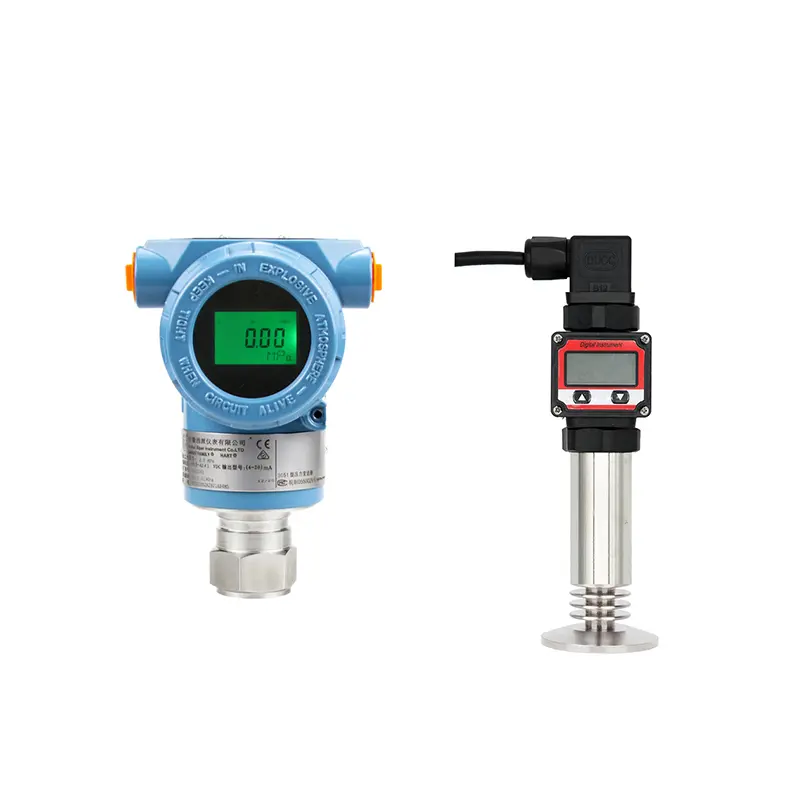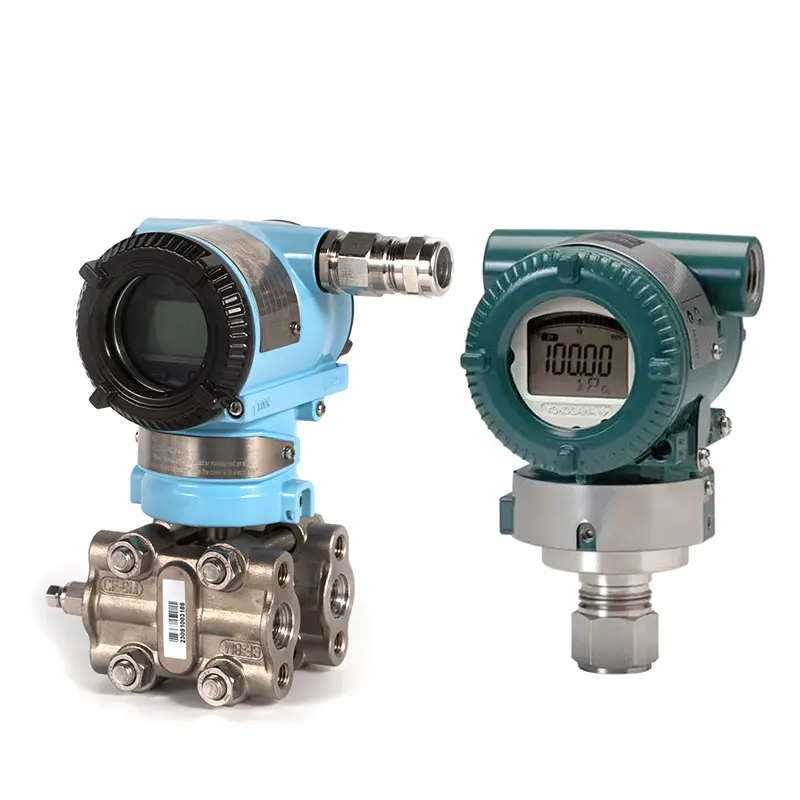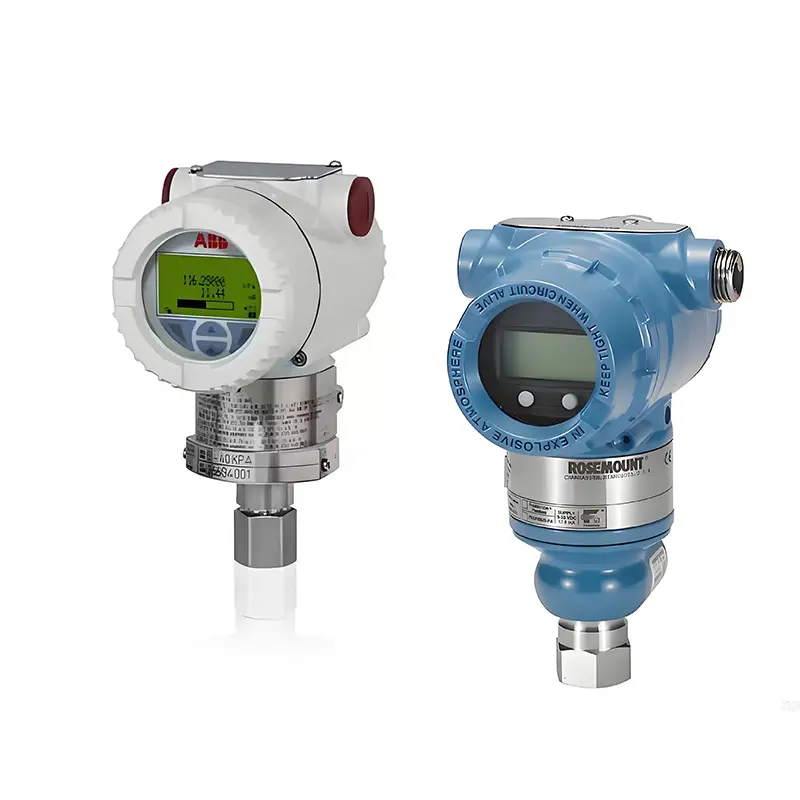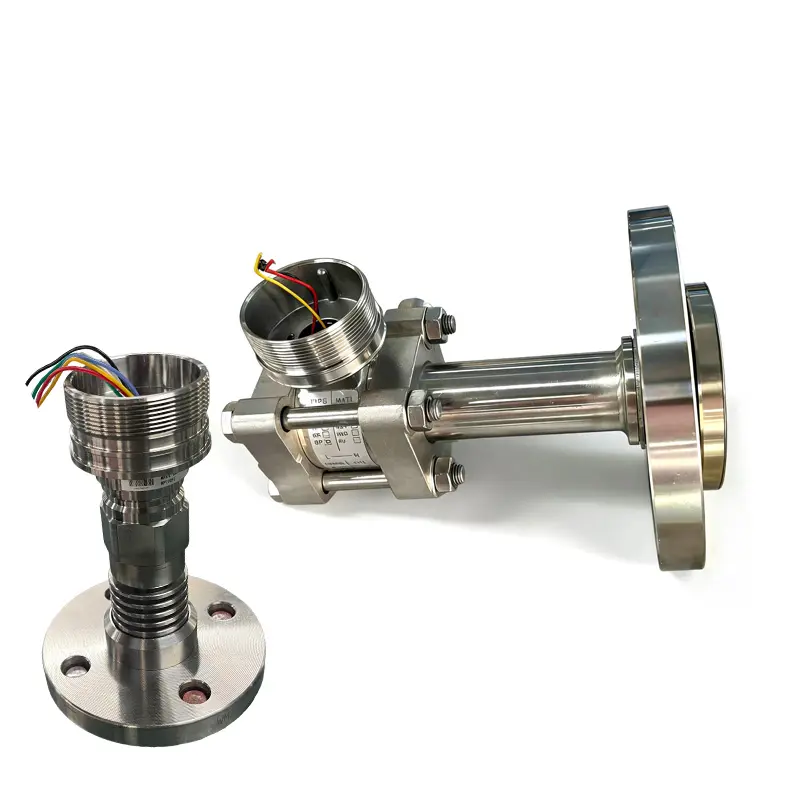
A pressure transmitter quote should start from the real working condition, not only from the range or appearance.
For most inquiries, the supplier first needs five core details:
- Medium
- Working temperature
- Working pressure
- Measuring range
- Process connection
These details help the supplier judge whether a standard pressure transmitter is suitable, or whether a special material, flush diaphragm, or diaphragm seal structure is needed.
Other requirements, such as logo, nameplate, certificates, packaging, and documents, can usually be confirmed after the main technical configuration is clear.
Why Working Conditions Matter
Many buyers only send the range and ask for a price.
This can give a rough price, but it is not enough for a reliable quotation.
A pressure transmitter used for clean water, corrosive wastewater, steam, or viscous liquid may require different materials and structures. The outside housing may look similar, but the wetted material, diaphragm structure, process connection, and installation method may be different.
A supplier asks for working conditions because they want to avoid quoting a product that looks correct on paper but fails on site.
Medium
The medium is the fluid measured by the pressure transmitter.
It may be water, air, steam, oil, acid, alkali, wastewater, slurry, or another process fluid.
For quotation, the medium is often more important than the range. The range tells the supplier how much pressure needs to be measured. The medium tells the supplier what material can survive.
For clean water, compressed air, and oil, standard 316L stainless steel wetted parts are often suitable. For corrosive liquid, the supplier may need to consider Hastelloy, tantalum, Monel, titanium, PTFE lining, or another anti-corrosion structure.
The medium also affects the pressure port design. Clean liquid or gas can usually use a standard threaded pressure transmitter. But viscous, dirty, crystallizing, or solid-containing media may block a small pressure port. In this case, a flush diaphragm or diaphragm seal pressure transmitter may be more suitable.
For corrosive media, the diaphragm material is not the only concern. The process connection, seal ring, flange material, and lining structure should also be checked.
For chemical or difficult media, the buyer should mention whether the medium is corrosive, viscous, crystallizing, or contains solids. If it is a chemical liquid, the concentration should also be provided.
Working Temperature
Working temperature means the temperature of the process medium. It is different from ambient temperature.
For normal-temperature water, air, and oil, a standard direct-mounted pressure transmitter is usually enough.
For high-temperature steam, hot oil, or thermal fluid, the structure may need to change. High temperature can damage the sensor, affect measurement stability, or transfer heat to the electronics.
For steam pressure measurement, a siphon tube or condenser structure may be used. For high-temperature liquid, a cooling element or diaphragm seal may be needed. If the transmitter body must be kept away from heat, a capillary diaphragm seal may be more suitable.
The supplier usually needs the normal working temperature and the maximum working temperature.
Working Pressure and Measuring Range
Working pressure and measuring range are often confused.
Working pressure is the actual pressure in the pipe, tank, vessel, or equipment. Measuring range is the calibrated range of the pressure transmitter.
For quotation, it is better to provide the normal working pressure, maximum working pressure, and required measuring range together.
The maximum pressure is important because the transmitter should not work too close to its upper limit for a long time. This is especially important for pump outlets, compressors, hydraulic systems, and pipelines with pressure surge.
The measuring range should also include the pressure type.
The supplier needs to know whether the application is gauge pressure, absolute pressure, vacuum, or compound pressure. If the process may move from vacuum to positive pressure, the complete compound range should be provided.
This helps the supplier select a safer and more suitable range.
Process Connection
Process connection decides how the transmitter connects to the pipe, tank, or equipment.
If the connection is wrong, the transmitter cannot be installed. Even if the range and output signal are correct, the product may still be unusable.
Thread connection is common for general pressure measurement. Common thread types include G thread, NPT thread, and M thread. Common sizes include G1/2, G1/4, 1/2 NPT, 1/4 NPT, and M20 × 1.5.
These specifications are worth confirming because they are easy to confuse. G1/2 and 1/2 NPT may look similar, but they are different standards. A wrong thread may cause installation failure or leakage.
Flange connection is common for tanks, chemical processes, and diaphragm seal pressure transmitters.
For a flange quote, “flange connection” is not enough. The supplier usually needs the flange size, pressure rating, flange standard, sealing face, and flange material.
Flange details affect cost directly. A larger flange costs more. Special material or PTFE lining also changes the quotation.
Other Details Can Be Confirmed Later
After the five core parameters are clear, other options can be confirmed quickly.
For most industrial pressure transmitters, 4–20 mA is the common output. If HART, RS485, Modbus, or voltage output is required, it should be mentioned.
Accuracy should match the application. For simple pressure monitoring, standard accuracy is often enough. For process control, level calculation, or differential pressure flow measurement, higher accuracy may be needed.
If the transmitter will be used in a hazardous area, the explosion-proof requirement should be stated early. It can affect the housing, certificate, delivery time, and price.
Details such as logo, nameplate, packaging, user manual, certificate of conformity, calibration certificate, and certificate of origin are usually order-stage requirements. They can be discussed after the technical configuration and price are confirmed.
Example of a Clear Inquiry
A good inquiry does not need to be long.
For a standard application, these details are usually enough:
- Medium: clean water
- Working temperature: below 50°C
- Working pressure: normally 6 bar, maximum 8 bar
- Measuring range: 0–10 bar gauge pressure
- Process connection: G1/2 male thread
- Quantity: 10 pieces
- Output: 4–20 mA, 24V DC power supply
For difficult media, add the medium condition clearly, such as corrosion, viscosity, crystallization, or solid particles.
Conclusion
A pressure transmitter quote should start from the real working condition.
Before asking for a price, prepare five core details: medium, working temperature, working pressure, measuring range, and process connection.
These details help the supplier choose the correct material, sensor range, diaphragm structure, and installation connection.
Other requirements, such as output signal, accuracy, explosion-proof approval, nameplate, documents, and packaging, can be confirmed after the main selection is clear.
SIY Electric supplies pressure transmitters for water, air, steam, oil, chemical liquids, wastewater, and general industrial process applications. If you are not sure about the correct configuration, you can send your working condition or existing transmitter nameplate for checking before quotation.