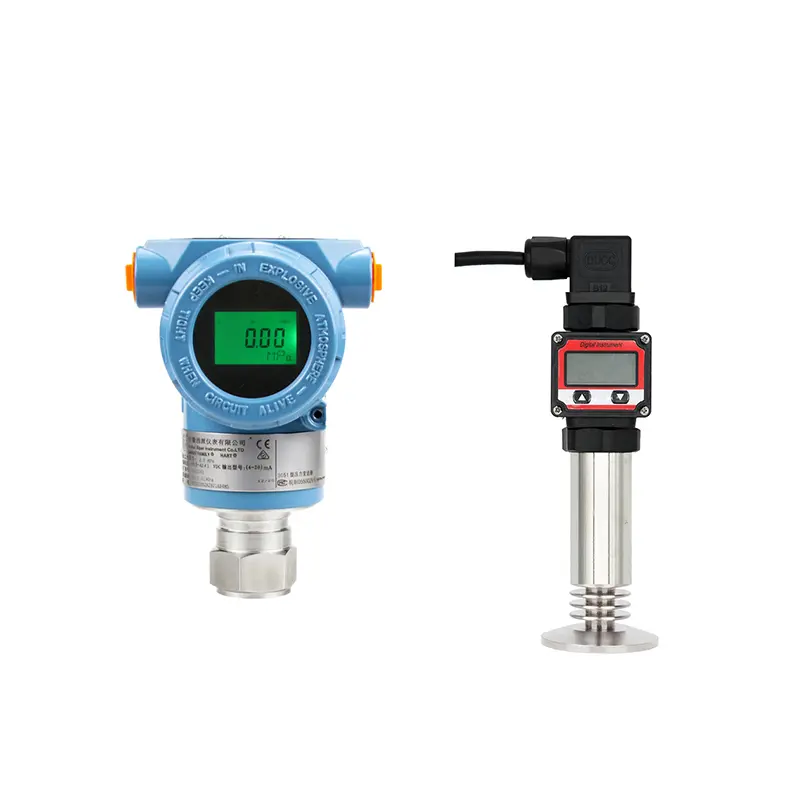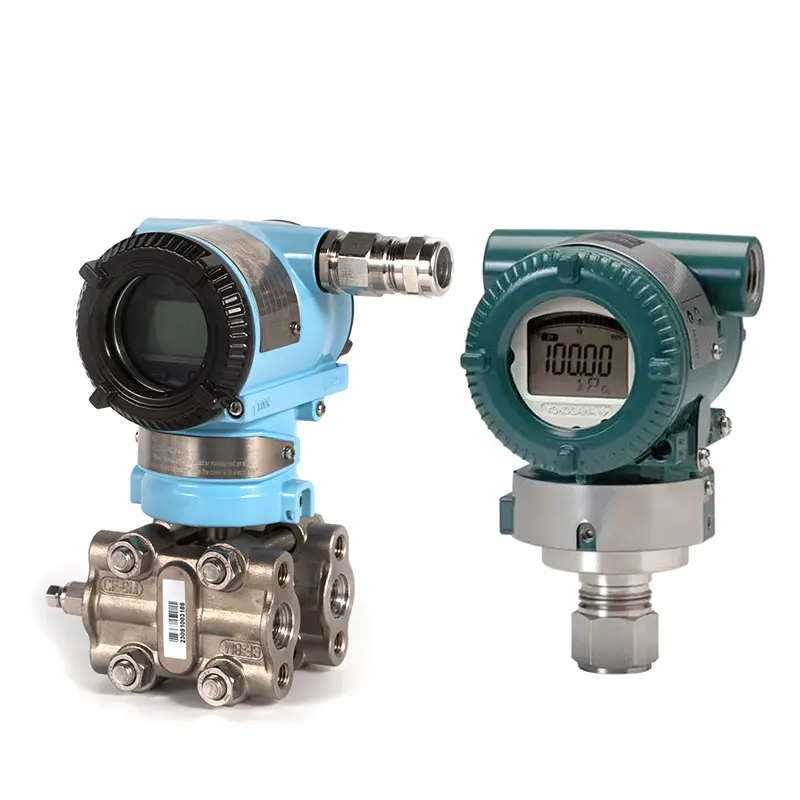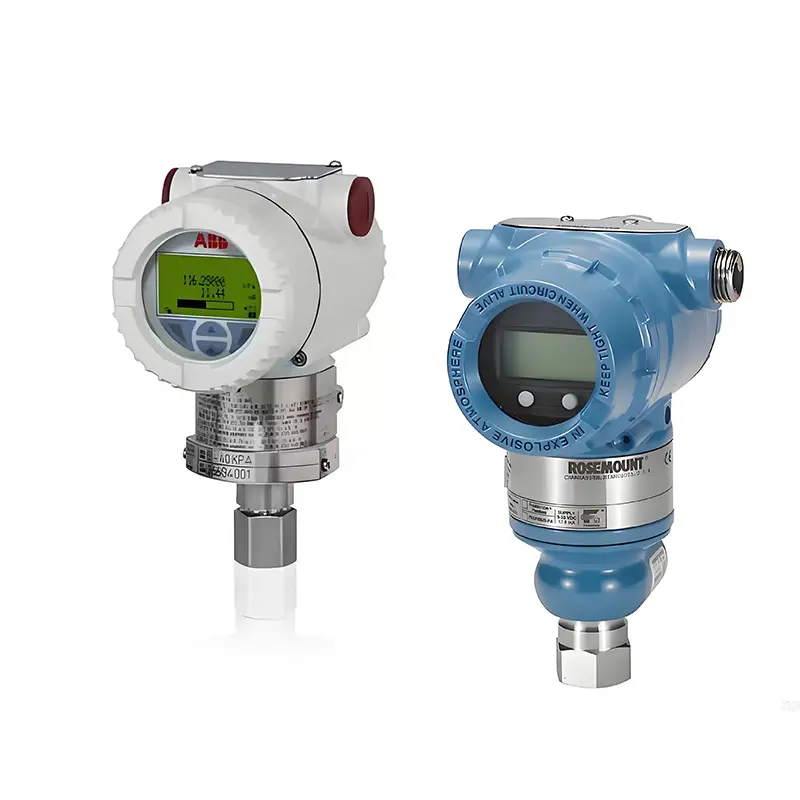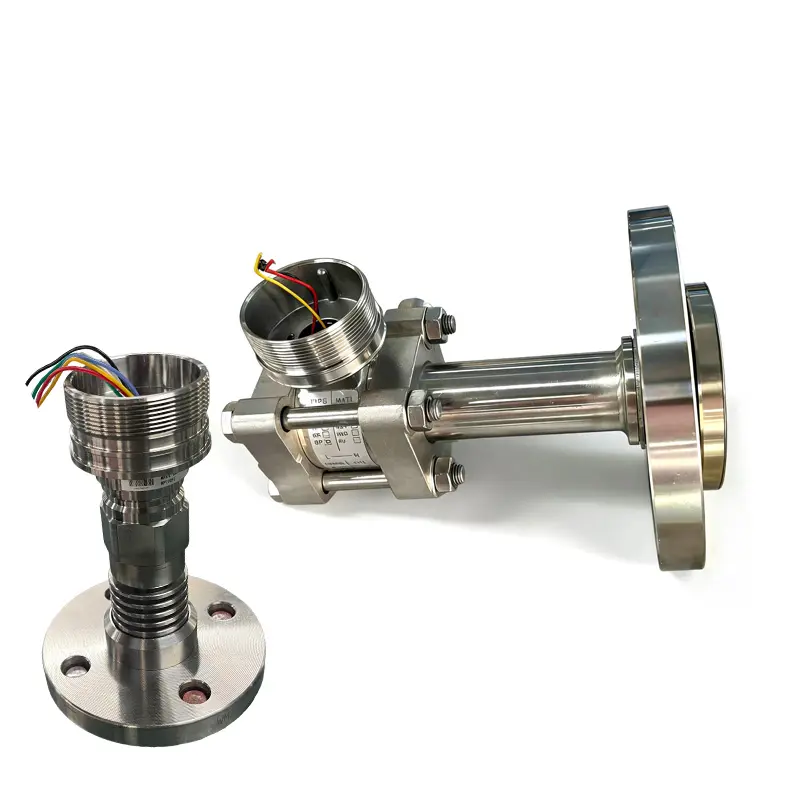
Many outdoor field instruments are designed with enclosure ratings such as IP65, IP66 or IP67. These ratings are important because they describe the basic dust and water protection ability of the instrument enclosure.
However, in real industrial sites, many users still install sunshades or protective covers for outdoor instruments. This may raise a question: if the instrument already has an IP65 or IP67 rating, why does it still need sun and rain protection?
The answer is simple. An IP rating is important, but it does not solve every outdoor installation problem.
What Does IP65 or IP67 Mean for Field Instruments?
In general, an IP rating describes how well an enclosure resists solid particles and water under defined test conditions.
For field instruments:
- IP65 usually means the enclosure is dust-tight and protected against water jets.
- IP67 usually means the enclosure is dust-tight and protected against temporary immersion under specified conditions.
These ratings are useful when selecting outdoor instruments. They help confirm that the instrument housing has a certain level of protection against dust and water ingress.
However, an IP rating mainly describes enclosure protection under specific conditions. It does not mean that the instrument can be exposed to every outdoor environment for many years without additional protection, inspection or maintenance.
Why IP Rating Does Not Solve All Outdoor Problems
Outdoor field conditions are more complex than laboratory test conditions. Instruments installed outdoors may face sunlight, heat, rain, wind, dust, vibration, splashing liquid, chemical atmosphere and temperature changes at the same time.
Even when the enclosure rating is good, the instrument may still suffer from other problems.
For example, direct sunlight may increase the surface temperature of the instrument housing. Rainwater may continuously wash the display window, cable gland and enclosure joint. Dust and debris may accumulate around the instrument. Long-term outdoor exposure may also accelerate the aging of nameplates, seals, plastic parts and coatings.
These problems are not always about immediate water ingress. They are often related to long-term exposure, aging and maintenance risk.
Common Outdoor Problems for Field Instruments
Display Reflection
Strong sunlight may make the local display difficult to read. This is common for pressure transmitters, flow meters, level meters and local display instruments installed outdoors.
A sunshade can reduce direct sunlight on the display area and make field reading easier.
Housing Temperature Rise
When an instrument is exposed to direct sunlight for a long time, the housing temperature may rise. This may affect the operating environment around the electronics and may also make field inspection less convenient.
An instrument sunshade helps reduce direct solar radiation on the instrument housing.
Nameplate and Label Aging
Nameplates, labels and printed markings may fade or age faster under long-term sunlight and rain exposure. This can make later maintenance and identification more difficult.
A sunshade helps reduce direct exposure of these parts.
Cable Entry Risk
Cable entries, glands and enclosure joints are important parts of outdoor instrument installation. Even with a good enclosure rating, poor installation, aging seals or long-term rainwater impact may increase the risk of water ingress.
A sunshade cannot replace correct installation, but it can reduce direct rainwater impact on these vulnerable areas.
Dust and Debris Accumulation
In dusty sites, tank farms or outdoor process areas, dust, leaves and debris may accumulate around instruments. This makes routine inspection and cleaning more difficult.
A sunshade can reduce direct accumulation on the instrument body.
How Sunshade Covers Help Improve Field Protection
An instrument sunshade adds an external protective layer around the instrument. It is not designed to replace the original IP rating or the instrument enclosure. Instead, it helps reduce the environmental load on the instrument.
A stainless steel sunshade can help:
- Reduce direct sunlight on the housing
- Reduce display reflection
- Block part of the rainwater impact
- Protect cable entries and display areas from direct exposure
- Reduce dust and debris accumulation
- Improve installation consistency in outdoor projects
- Make routine inspection and cleaning easier
For instruments installed in open-air areas, this simple instrument accessory can improve the practical reliability of the installation.
When Should You Add an Instrument Sunshade?
An instrument sunshade is especially useful when the instrument is installed in exposed outdoor locations.
Typical applications include:
- Outdoor pipelines
- Tank farms
- Chemical process units
- Water treatment plants
- Wastewater treatment stations
- Outdoor gas detection points
- Radar level meters installed on tank tops
- Pressure transmitters installed on pipe racks
- Field instruments installed on open platforms
- Instruments exposed to sunlight and rain for long periods
If the main problems are sunlight, rain, dust and field appearance, a stainless steel sunshade is often a simple and cost-effective solution.
For complete enclosure, insulation, heating or higher mechanical protection, an instrument protection box may be more suitable.
Practical Selection Notes for Outdoor Instruments
Before choosing a sunshade, the following details should be confirmed:
- Instrument type
Different instruments require different sunshade structures. - Instrument size
The sunshade should protect the instrument without blocking reading or maintenance. - Cable entry position
The design should avoid blocking wiring space. - Mounting method
The instrument may be installed on a pipe, bracket, wall, tank top or equipment body. - Protection direction
Some sites require only top protection, while others need side protection as well. - Material requirement
304 stainless steel is common for general outdoor use. 316 stainless steel can be selected for corrosive or coastal environments.
Sunshade Protection Is an Addition, Not a Replacement
A sunshade should not be understood as a replacement for the instrument enclosure rating. The instrument itself should still be properly selected, sealed, installed and maintained.
The role of the sunshade is to reduce direct environmental exposure and improve practical field protection. It works together with the instrument’s own enclosure design.
For outdoor instruments that already have IP65, IP66 or IP67 ratings, a stainless steel sunshade can still be useful when the site has strong sunlight, frequent rain, dust or long-term outdoor exposure.
SIY Electric can customize stainless steel instrument sunshades according to the instrument shape, installation method and site environment. Visit our Instrument Sunshade product page for more information.