A differential pressure transmitter should be selected according to whether it is used for flow, level, or filter monitoring. Although the instrument measures the same basic value — pressure difference — the selection logic is different for each application. A DP transmitter for orifice plate flow is not selected in the same way as a DP transmitter for tank level or filter clogging.
The right choice depends on what the differential pressure represents in the process. It may represent flow rate, liquid level, filter blockage, density change, or pressure loss across equipment. Before choosing a model, buyers should first define the measurement purpose clearly.
Flow Measurement
For flow measurement, a differential pressure transmitter is usually used with a primary element such as an orifice plate, venturi tube, or flow nozzle. The transmitter measures the pressure difference created by the restriction, and the control system converts this value into flow.
For DP flow applications, buyers should confirm:
- Primary element type
Orifice plate, venturi, nozzle, or another restriction device. - Fluid condition
Gas, liquid, steam, density, temperature, and pressure all affect the calculation. - Expected differential pressure range
The DP range must match the designed flow calculation. - Impulse line arrangement
Gas, liquid, and steam applications need different impulse line installation practices. - Output requirement
The transmitter may output linear DP or square-root flow signal, depending on the system design.
A common mistake is choosing the DP transmitter range before confirming the flow calculation. The DP range should come from the process design, not from guesswork.
Level Measurement
For tank level measurement, the DP transmitter measures hydrostatic pressure caused by liquid height. In an open tank, the high-pressure side is connected near the bottom of the tank, while the low-pressure side is usually open to atmosphere. In a closed tank, the low-pressure side must also consider the gas pressure above the liquid.
For DP level applications, buyers should confirm:
- Tank type: open or closed
- Liquid density
- Measuring height
- Tank pressure condition
- Whether remote diaphragm seals are required
- Installation height of the transmitter
Density is especially important. The same liquid height can create different pressure if the liquid density changes. For closed tanks, top pressure compensation must also be handled correctly, otherwise the level reading may be wrong.
Filter Monitoring
For filter clogging monitoring, the DP transmitter measures the pressure difference before and after a filter. As the filter becomes blocked, the differential pressure increases. This is a practical way to monitor filter condition and decide when cleaning or replacement is needed.
For filter monitoring, buyers should check:
- Normal clean-filter DP
- Alarm DP value
- Maximum allowable DP
- Medium type
- Whether the filter is used for gas, liquid, or oil
- Whether the impulse lines may block
This application does not always need very high accuracy. Stability, suitable range, and correct installation are usually more important.
Do Not Choose Only by DP Range
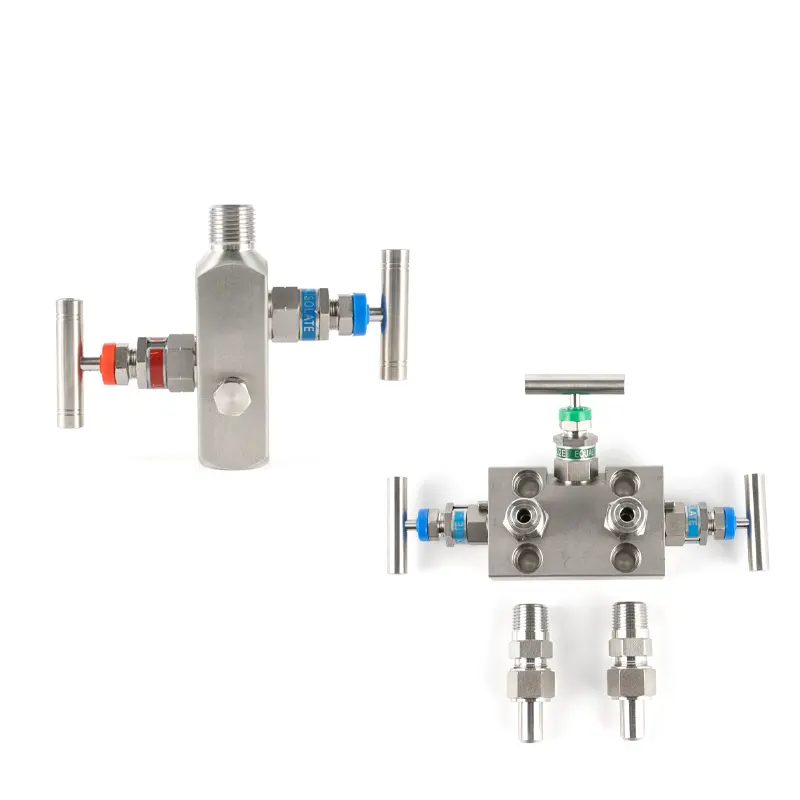
The DP range is important, but it is not the only selection factor. Buyers should also check static pressure, overpressure protection, material compatibility, output signal, manifold requirement, and installation method.
A DP transmitter should be selected by the whole measurement system, not by one parameter alone.
Conclusion
A differential pressure transmitter can be used for flow, level, or filter monitoring, but each application needs a different selection logic. Flow measurement depends on the primary element and DP calculation. Level measurement depends on liquid height, density, and tank pressure. Filter monitoring depends on the pressure drop across the filter and alarm requirement.
SIY Electric can help buyers check whether a differential pressure transmitter is suitable for flow, level, filter clogging, or other DP applications based on the actual working condition.