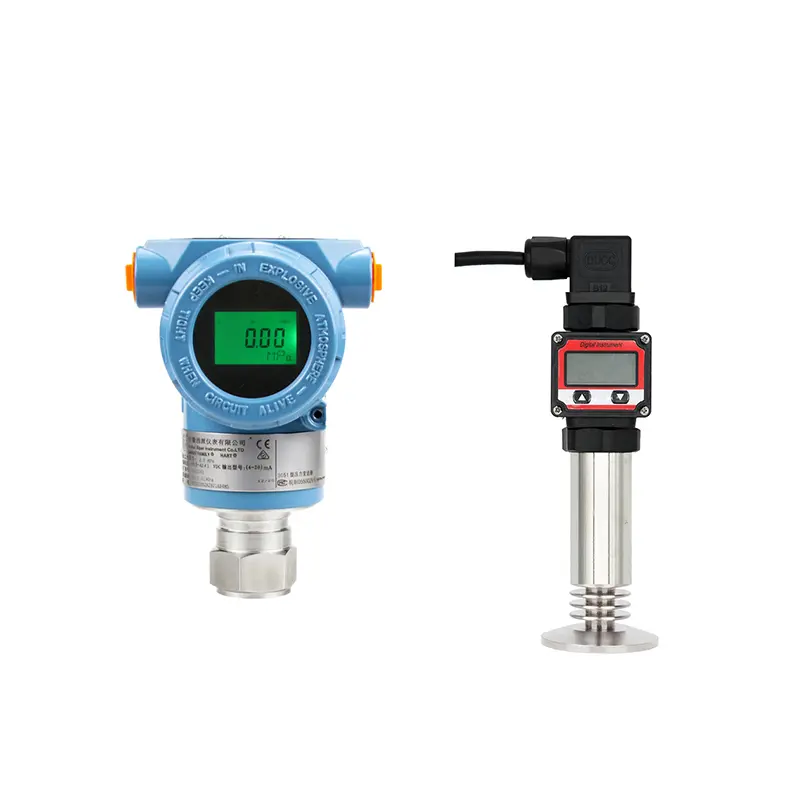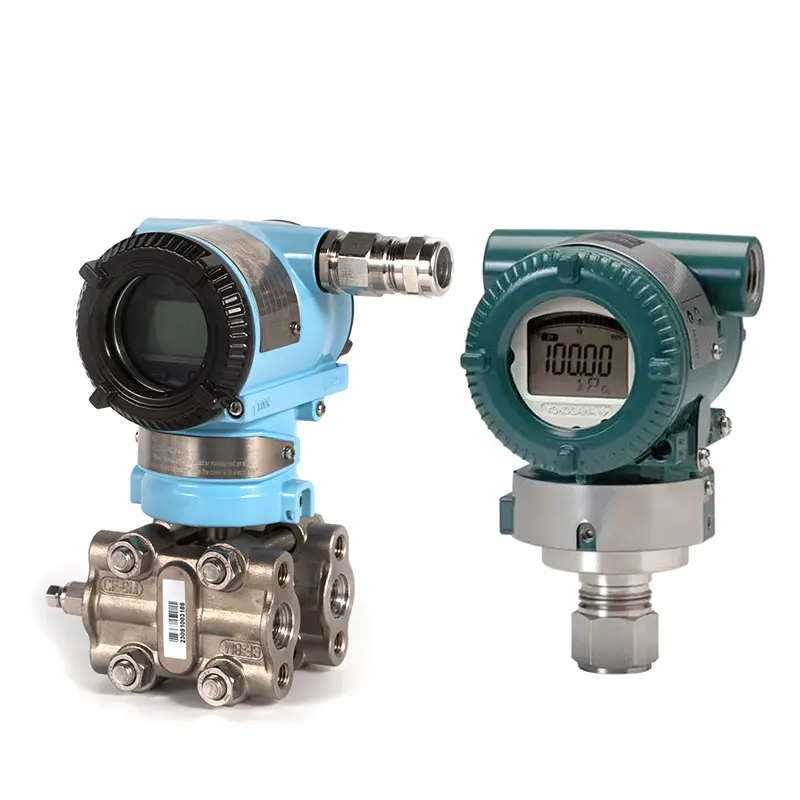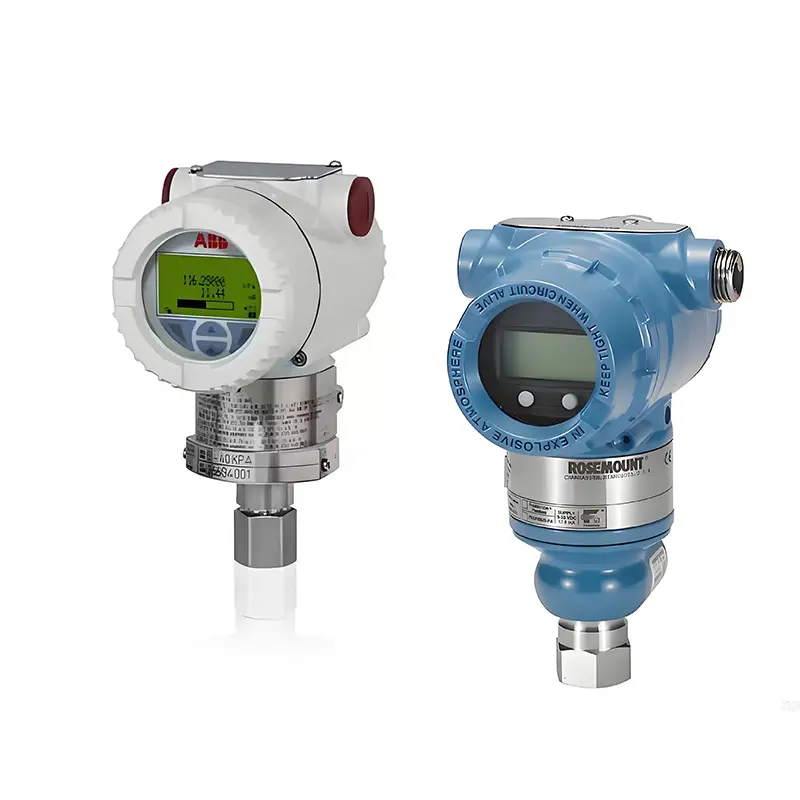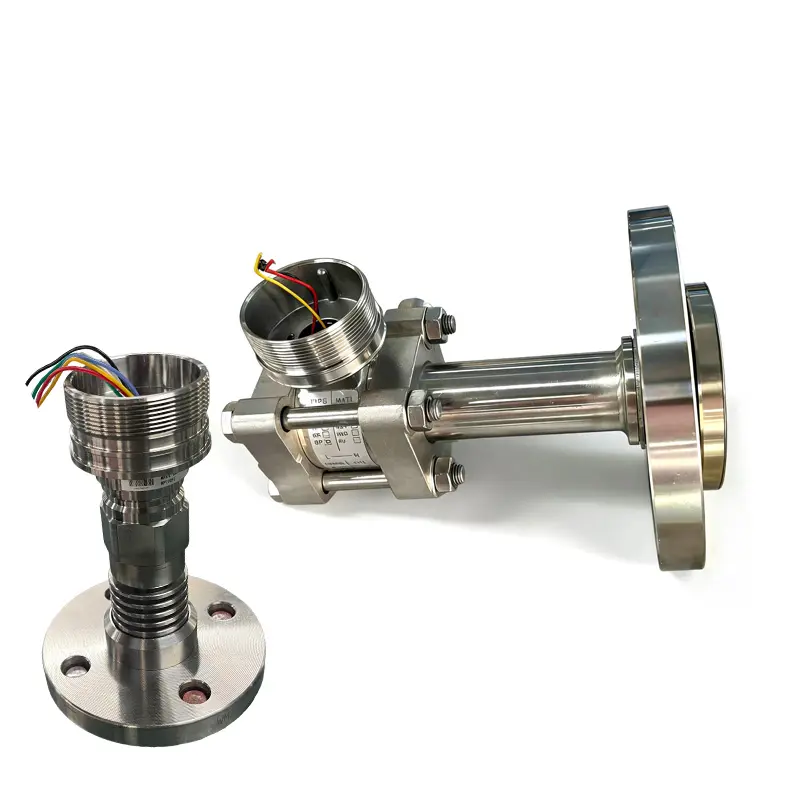
Differential pressure range for tank level measurement should be selected according to liquid height, density, tank pressure, and installation position. In this application, the DP transmitter does not measure level directly. It measures the pressure created by the liquid column and converts it into level.
This is why range selection cannot be based only on tank height. The liquid density, open or closed tank condition, and remote seal arrangement must also be considered.
Open Tank Level Measurement
For an open tank, the liquid surface is exposed to atmosphere. The high-pressure side of the transmitter is connected near the bottom of the tank, and the low-pressure side is open to atmosphere or vented.
In this case, the DP mainly depends on:
- Liquid height
- Liquid density
- Installation height of the transmitter
- Required level span
- Whether the liquid density changes
If the liquid density is stable, open tank level measurement is usually simpler. If density changes because of temperature or concentration, the level reading may shift.
Closed Tank Level Measurement
For a closed tank, the gas or vapor pressure above the liquid affects the measurement. A simple gauge pressure transmitter may not give correct level because it cannot automatically compensate for top pressure.
A DP transmitter can measure the difference between bottom pressure and top pressure. This allows the level signal to reflect liquid column pressure instead of tank internal pressure.
For closed tank level, buyers should confirm:
- Tank height
- Liquid density
- Top pressure condition
- Bottom tapping point
- Top tapping point
- Whether the tank has vapor, gas pressure, or vacuum
- Whether diaphragm seals are required
This is one of the most common reasons to use a differential pressure transmitter for tank level measurement.
Why Density Matters
Liquid density directly affects the DP range. The same tank height produces different differential pressure when the liquid density is different. Water, oil, acid, solvent, and slurry do not create the same hydrostatic pressure at the same height.
Before selecting DP range, buyers should provide:
- Liquid name
- Density or specific gravity
- Minimum and maximum level
- Operating temperature
- Whether density changes during operation
If density is not provided, the selected range may not match the real level span.
Remote Diaphragm Seals
Remote diaphragm seals are often used for corrosive, hot, viscous, crystallizing, or dirty liquids. They are also used when impulse lines may block or freeze.
For diaphragm seal level measurement, more details are needed:
- Flange size and rating
- Diaphragm material
- Capillary length
- Fill fluid
- Installation height difference
- Ambient temperature around capillaries
Capillary length and installation height can affect calibration. They should not be selected casually.
Avoid Common Range Mistakes
Tank level DP range mistakes usually come from ignoring density, top pressure, or installation height.
Common mistakes include:
- Using tank height directly as pressure range
- Ignoring liquid density
- Ignoring closed tank top pressure
- Forgetting zero elevation or zero suppression
- Choosing capillary length without checking installation
- Using impulse lines for liquids that crystallize or clog
These mistakes can cause incorrect level readings even if the transmitter itself is good.
Conclusion
To select differential pressure range for tank level measurement, buyers should confirm tank type, liquid density, measuring height, top pressure, tapping points, installation height, and whether remote diaphragm seals are needed. The correct DP range should represent the liquid column pressure under real operating conditions.
SIY Electric can help check DP level transmitter range and diaphragm seal configuration for open tanks, closed tanks, corrosive liquids, and difficult level applications.