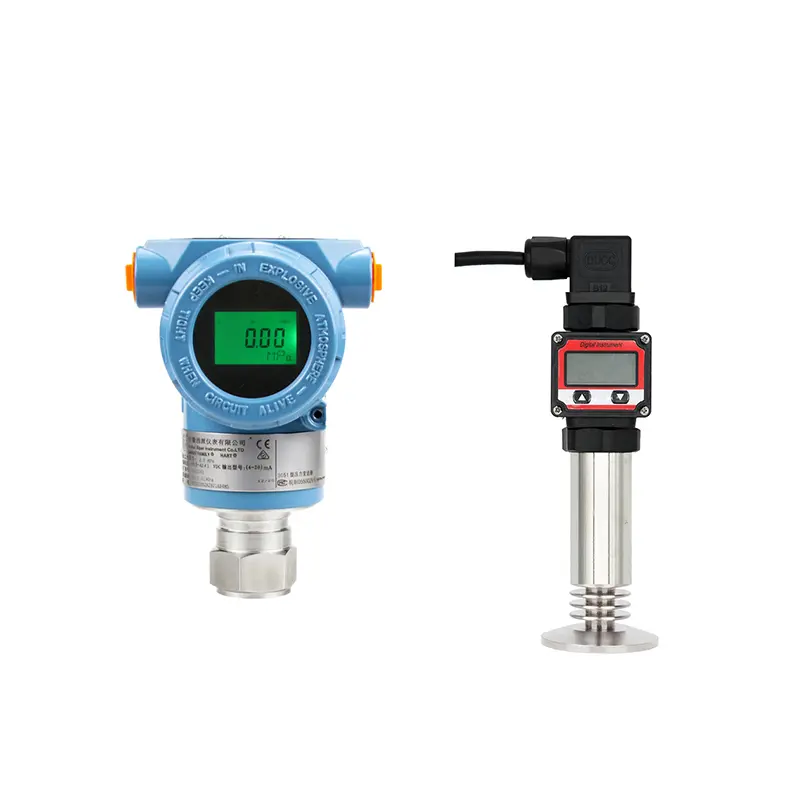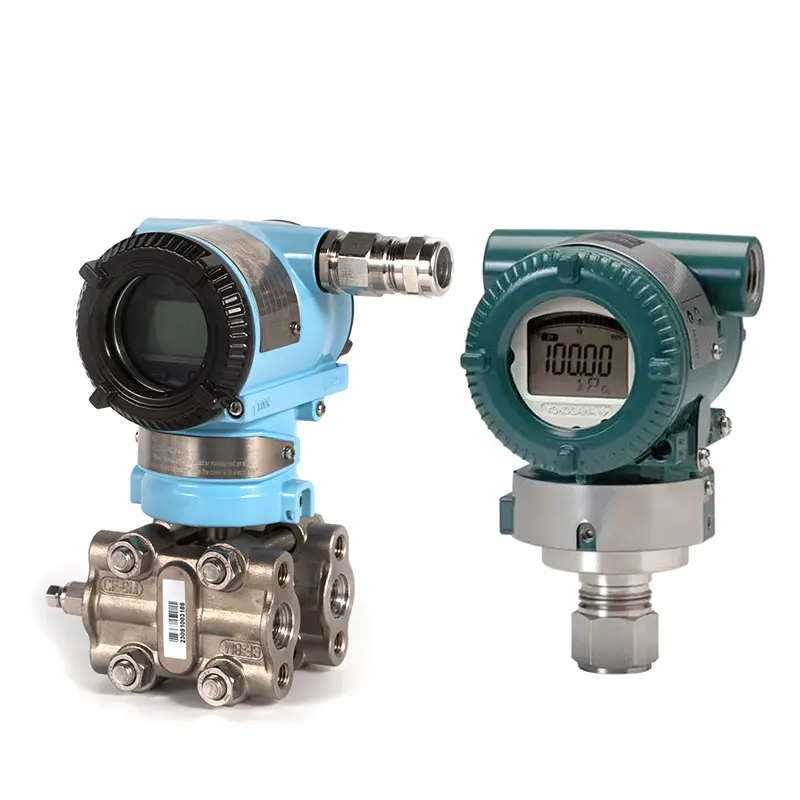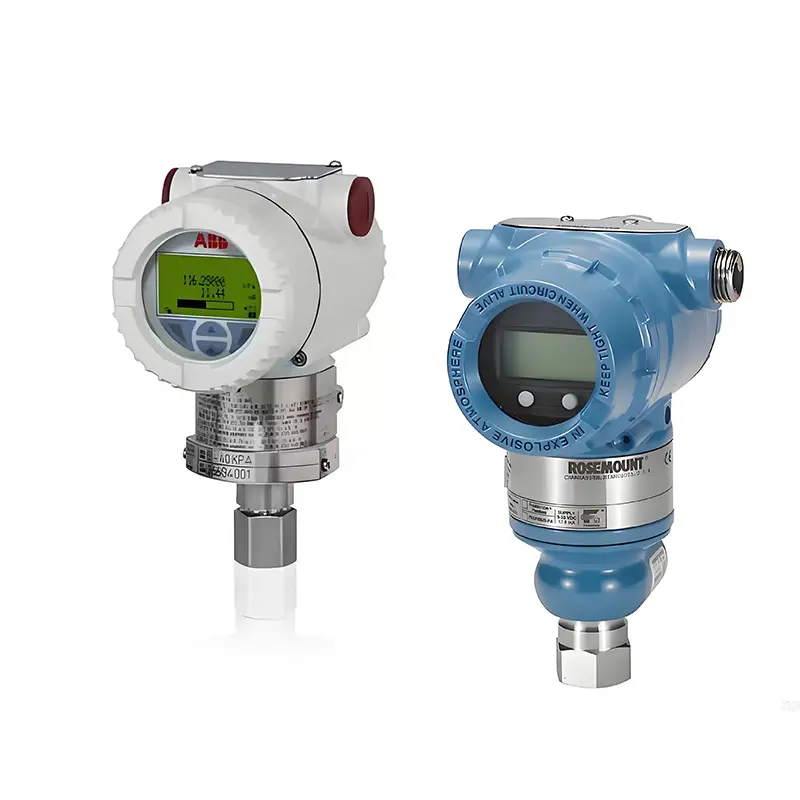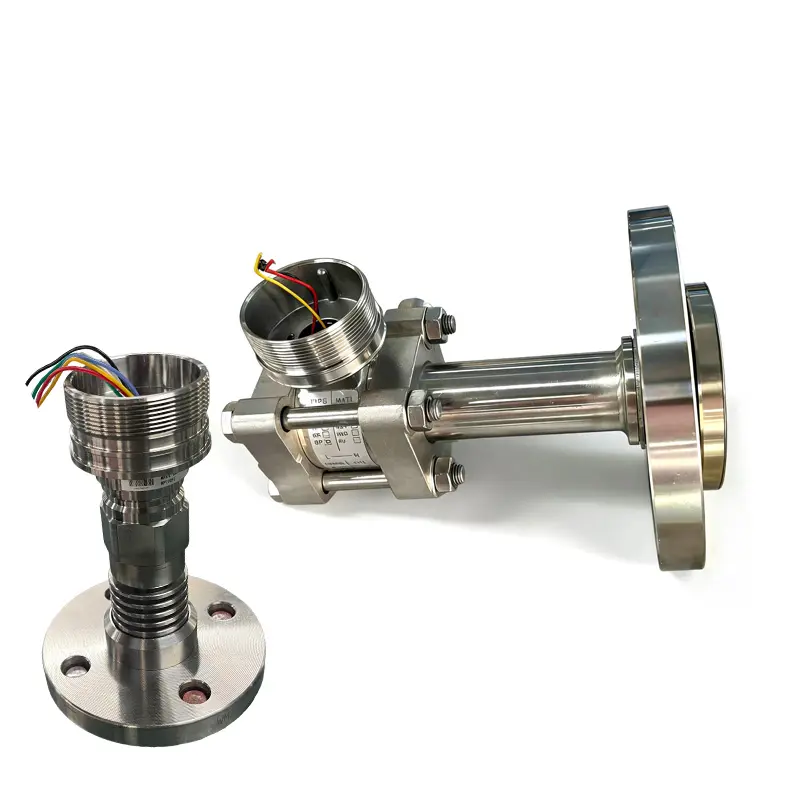
A 2088 style pressure transmitter is usually a better choice than a compact pressure sensor when the application needs industrial housing, field installation, local display, easier wiring, or stronger site adaptability. A compact sensor can be a good solution for small machines and limited spaces, but it is not always the best choice for process plants, outdoor sites, or general industrial field instruments.
The key difference is not only size. A 2088 style transmitter and a compact sensor are designed for different installation habits and working environments.
What Makes a 2088 Style Transmitter Different?
A 2088 style pressure transmitter normally has a larger industrial housing, terminal wiring space, optional display, and more field-friendly structure. It is commonly used in pipelines, tanks, pumps, skids, and process equipment.
It is often preferred when buyers need:
- Field installation
The housing is easier to install and maintain in industrial sites. - Local display
Operators can read pressure directly on site. - Standard 4–20 mA or HART output
It is easier to connect with PLC, DCS, and control systems. - Stronger housing structure
It is more suitable for outdoor, dusty, wet, or harsh areas. - Better replacement compatibility
It can replace many common industrial transmitter styles.
For maintenance teams, the larger housing and wiring chamber can also make installation and troubleshooting easier.
When a Compact Sensor Is Better
A compact pressure sensor is usually smaller, lighter, and more suitable for equipment integration. It is commonly used inside machines, hydraulic units, compressors, test equipment, and OEM systems.
A compact sensor may be better when:
- Installation space is very limited.
- The sensor is mounted inside a machine.
- The equipment uses connector wiring such as M12 or DIN.
- Local display is not required.
- The application is standard and not too harsh.
- Cost and size are more important than field maintenance.
Compact sensors are practical for machine builders, but they may not be ideal for every process site.
When You Should Choose 2088 Style
Buyers should consider a 2088 style pressure transmitter when the transmitter is installed in an open industrial environment, connected to field wiring, or used by operators and maintenance personnel.
Typical situations include:
- Pump station pressure monitoring
- Tank or vessel pressure measurement
- Pipeline pressure measurement
- Outdoor installation
- PLC or DCS integration
- Applications requiring local display
- General replacement of older industrial transmitters
In these cases, the 2088 style structure is often easier to use and maintain.
Do Not Choose Only by Size
A compact sensor may look simpler and cheaper, but the lowest price is not always the best choice. If the site needs a display, explosion-proof housing, easier wiring, or stronger environmental protection, a 2088 style transmitter may reduce installation and maintenance problems.
On the other hand, if the transmitter is hidden inside equipment and only needs a simple signal output, a compact sensor may be enough.
Conclusion
A 2088 style pressure transmitter is usually more suitable for industrial field applications, while a compact pressure sensor is better for small machines and equipment integration. The right choice depends on installation space, wiring method, display requirement, environment, maintenance needs, and control system.
SIY Electric can help buyers compare 2088 style pressure transmitters and compact sensors according to the real application and installation condition.