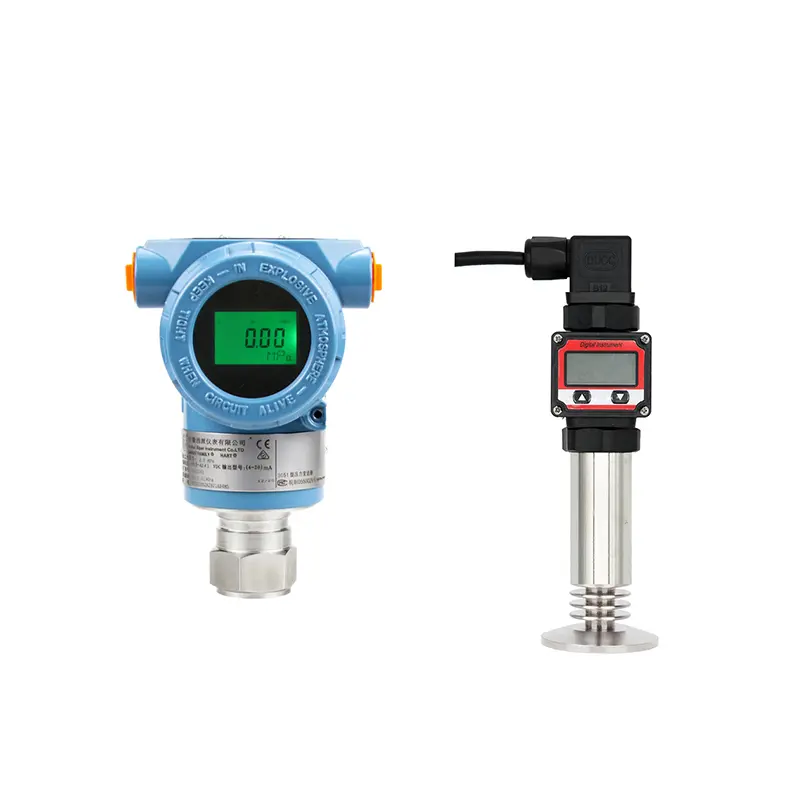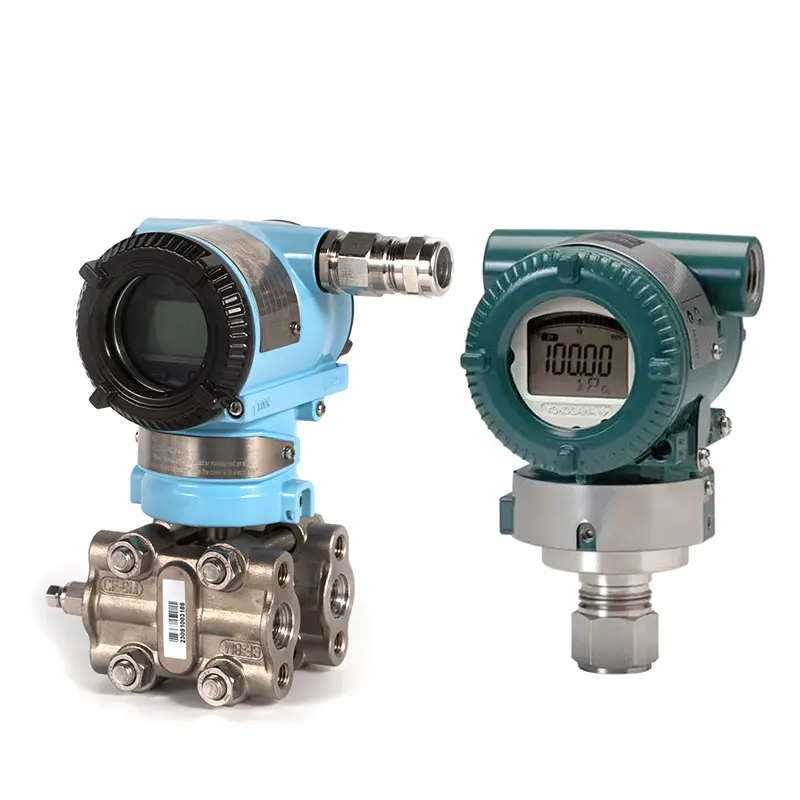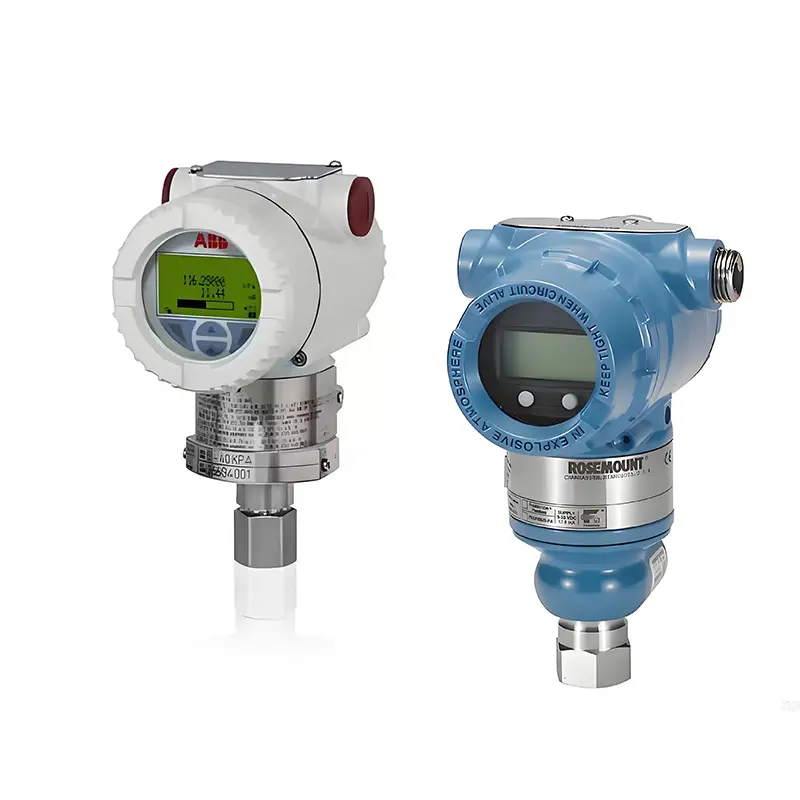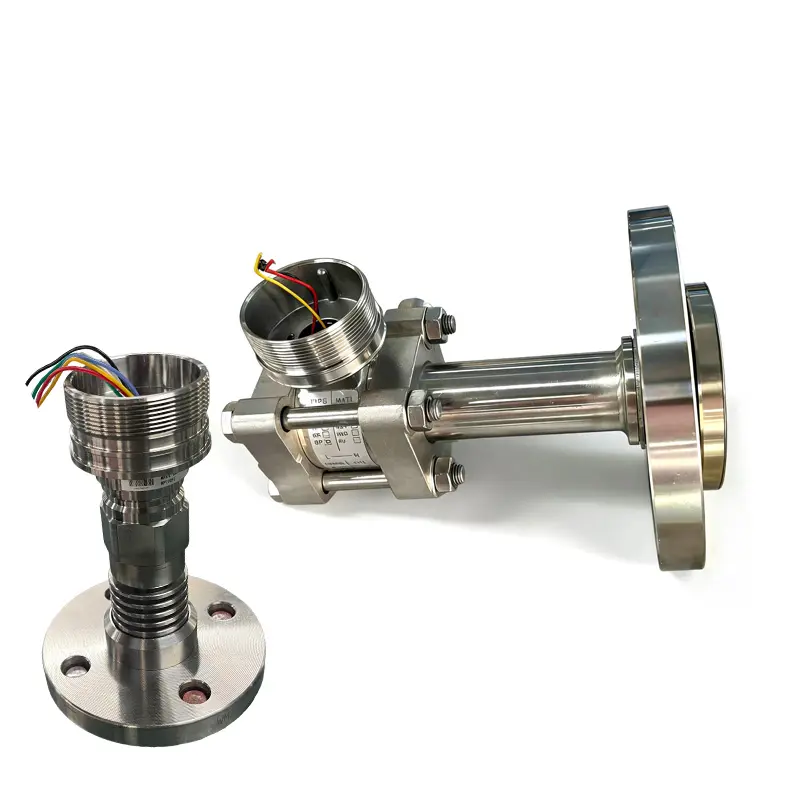
Matching a 2088 pressure transmitter with existing process connections is essential for replacement, retrofit, and site installation. A transmitter can have the correct range and output, but it still cannot be used if the thread, flange, adapter, or sealing method does not fit the site connection.
This problem is common when buyers replace an old transmitter, change brands, or install a 2088 style transmitter on existing piping. The safest method is to confirm both the transmitter connection and the site connection before ordering.
Start With the Existing Connection
The existing process connection should be checked first. Buyers should not only say “standard thread” because different standards may look similar.
Useful details include:
- Thread type
- Thread size
- Male or female connection
- Sealing method
- Existing valve or adapter
- Material requirement
- Space around the installation point
A photo of the old transmitter and connection point can help the supplier identify the correct direction faster.
Thread Connections
Thread connection is common for 2088 pressure transmitters. The most common types include G thread, NPT thread, and M thread. They are not interchangeable.
Buyers should pay special attention to:
- G thread
Often uses a sealing face or gasket. - NPT thread
A tapered thread that seals differently. - M thread
Metric thread, such as M20 × 1.5. - Male or female connection
This must match the existing process port or valve.
G1/2 and 1/2 NPT may look close, but they are different standards. Using the wrong thread can cause leakage or installation failure.
Flange or Diaphragm Seal Connections
Some applications may require a flange connection or diaphragm seal structure instead of a simple threaded connection. This is common for corrosive, viscous, high-temperature, or dirty media.
For flange connection, buyers should confirm:
- Flange size
- Pressure rating
- Flange standard
- Sealing face
- Flange material
- Whether PTFE lining is needed
A general phrase like “flange connection” is not enough for accurate quotation or production.
Use Adapters Carefully
Adapters can help match an existing connection, but they should not be used blindly. Too many adapters may create more leakage points, increase installation length, and reduce mechanical stability.
Adapters are useful when:
- The site connection cannot be changed.
- The old transmitter used a different thread.
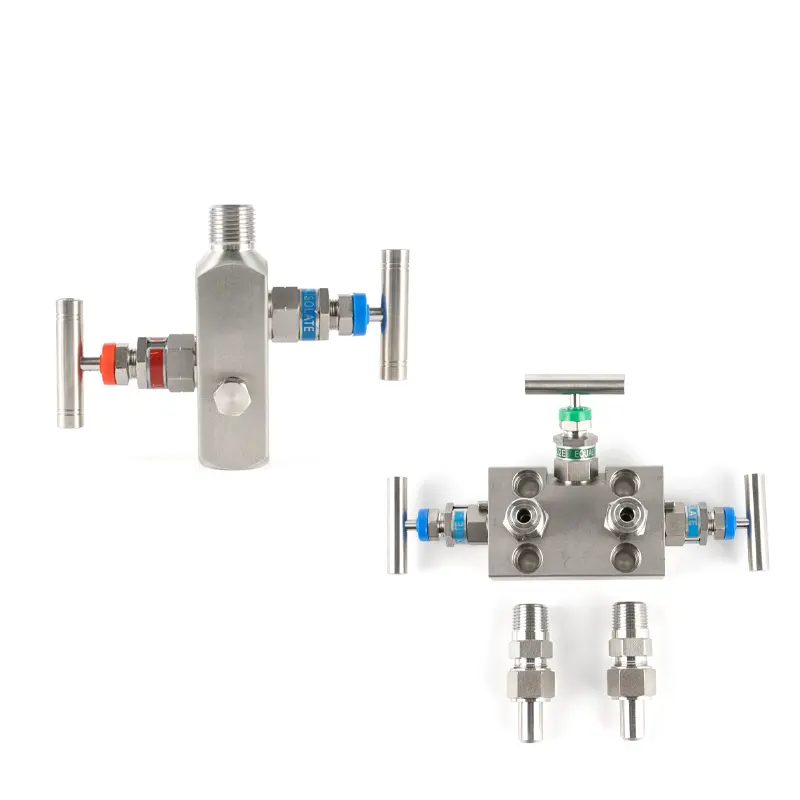
- A valve or manifold must be connected.
- The replacement must fit an existing installation.
If a direct matching connection is available, it is usually better than using multiple adapters.
Check Material and Pressure Rating
The process connection may contact the medium, so its material matters. For clean water, air, and oil, stainless steel is often suitable. For corrosive media, the connection material, gasket, and lining should be checked.
The pressure rating of adapters, valves, and fittings must also match the process pressure. The weakest part in the connection system can become the real safety limit.
Conclusion
To match a 2088 pressure transmitter with existing process connections, buyers should confirm thread type, thread size, male or female connection, flange details, adapter needs, material, pressure rating, and sealing method. Photos of the old transmitter and installation point can reduce mistakes.
SIY Electric can help match 2088 pressure transmitters with threads, flanges, adapters, valves, and installation accessories for replacement or retrofit projects.