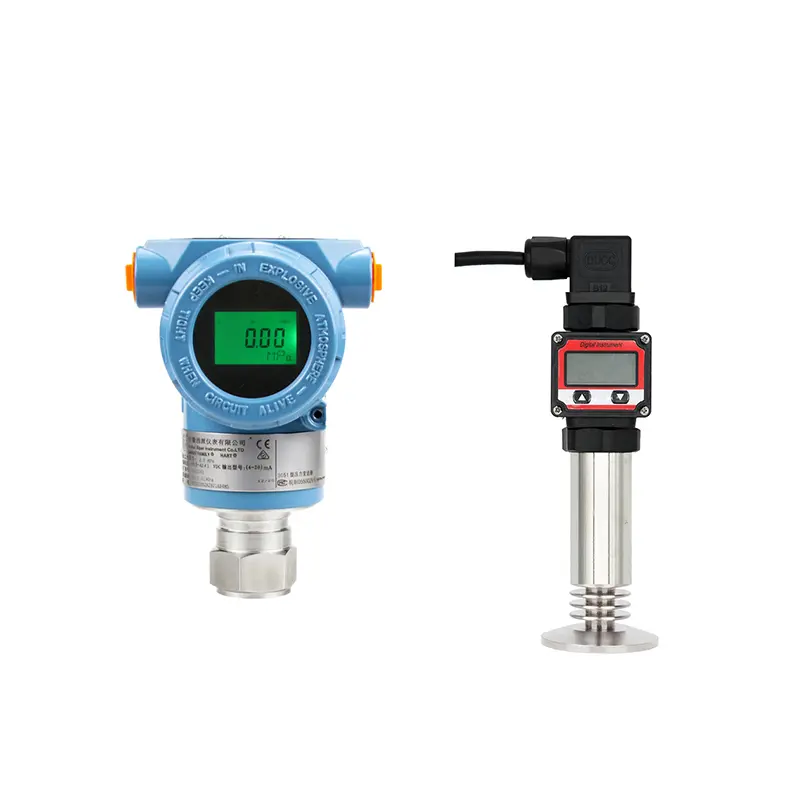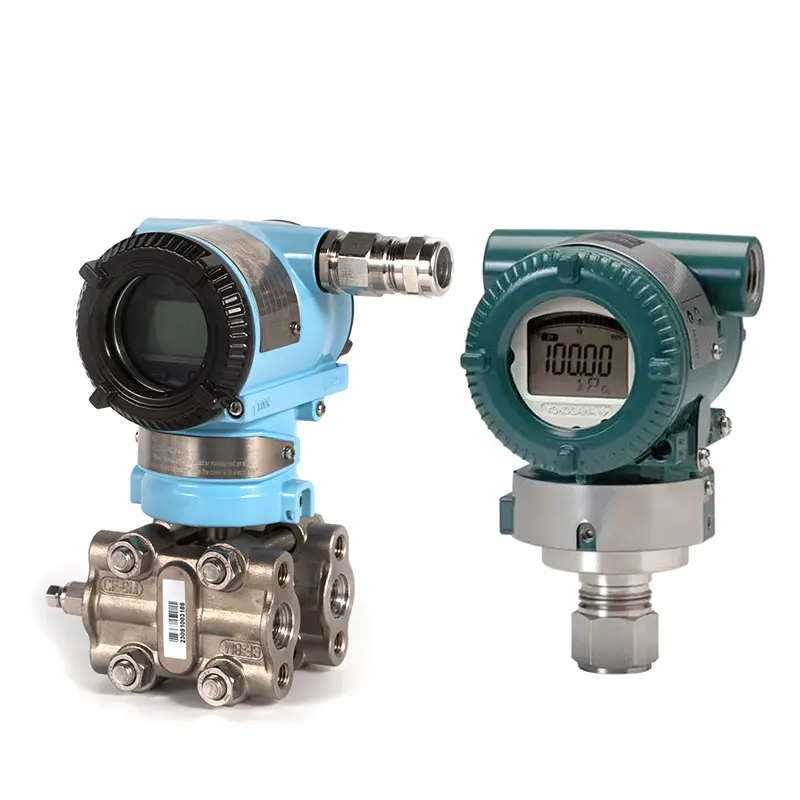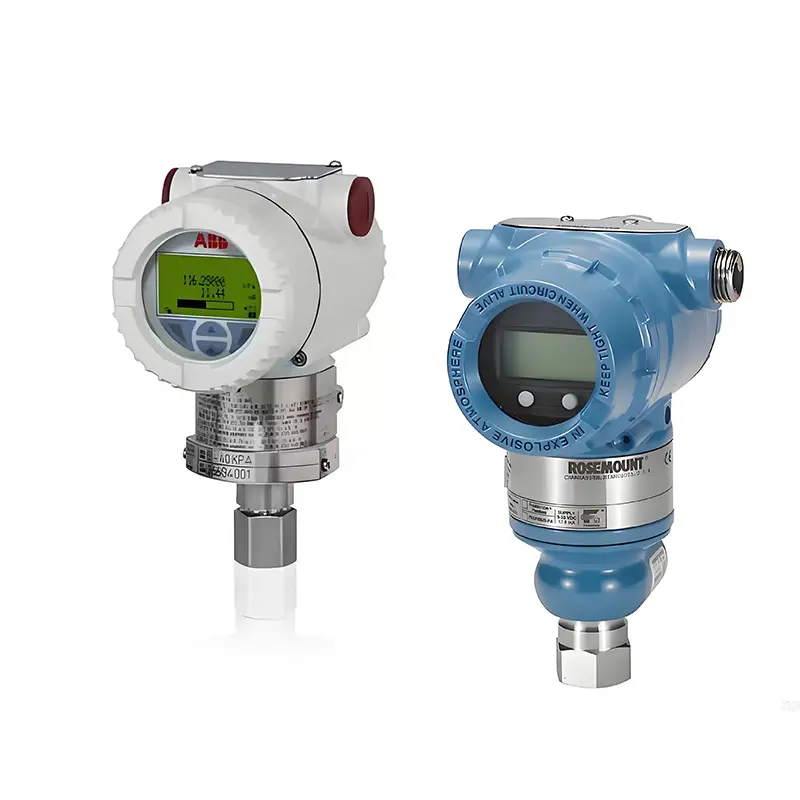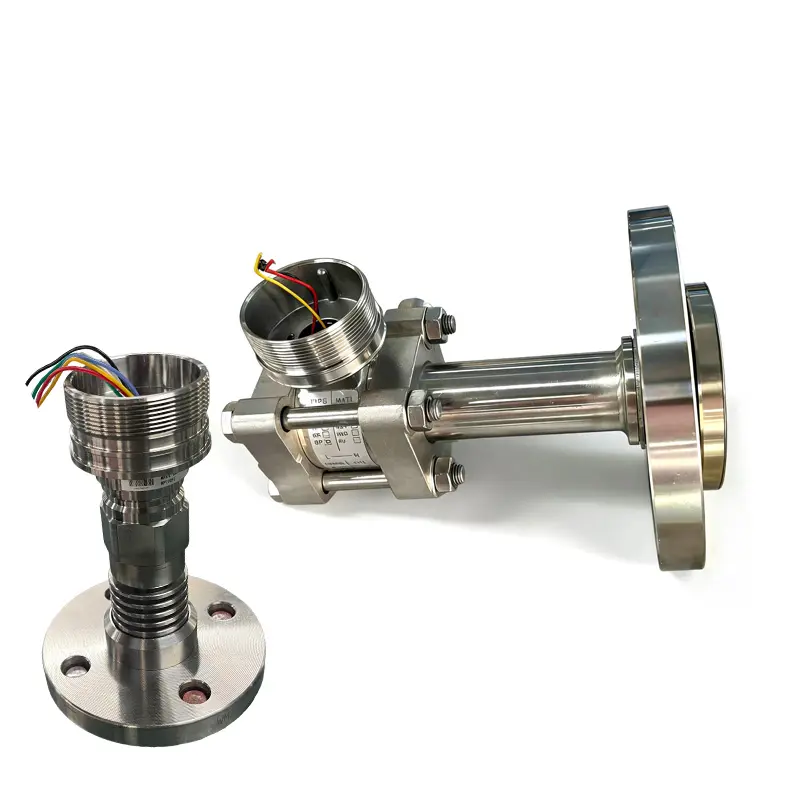
Sanitary pressure transmitter for CIP and SIP systems should be selected by checking cleanability, temperature resistance, process connection, diaphragm design, and gasket compatibility. CIP and SIP applications are different from ordinary water or air pressure measurement because the transmitter must handle both normal production and cleaning or sterilization cycles.
In food, beverage, pharmaceutical, and hygienic processes, the pressure transmitter is not only a measuring instrument. It becomes part of the clean process boundary. If the connection creates dead space, if the diaphragm is difficult to clean, or if the gasket is not suitable for cleaning chemicals and steam, the transmitter may become a hygiene risk.
What CIP and SIP Mean for Pressure Measurement
CIP means clean-in-place. The equipment is cleaned without being dismantled. SIP means sterilize-in-place. The process usually involves steam or high-temperature sterilization. A sanitary pressure transmitter used in these systems must remain stable during production and also tolerate cleaning cycles.
Buyers should check:
- Cleaning temperature
CIP may involve warm or hot cleaning liquid. SIP may involve steam or higher temperature. - Cleaning chemicals
Caustic, acid cleaning liquid, or disinfectant may affect diaphragm and gasket materials. - Cleaning frequency
Frequent CIP/SIP cycles can increase stress on seals and diaphragm surfaces. - Process pressure during cleaning
Cleaning pressure may be different from normal production pressure. - Drainability and residue risk
The installation should avoid pockets where liquid can remain after cleaning.
These details help decide whether the transmitter can survive the full operating cycle, not only the normal production condition.
Why Flush Diaphragm Design Matters
A sanitary pressure transmitter usually uses a flush diaphragm. The purpose is to reduce dead space and make the sensing surface easier to clean. A standard threaded pressure port is usually not suitable for hygienic service because product residue may remain inside the small port.
A flush diaphragm is especially important when the process involves:
- Milk, juice, beer, syrup, sauce, or other food liquids
- Pharmaceutical liquid or purified water systems
- Viscous products that can leave residue
- CIP or SIP cleaning cycles
- Processes where contamination risk must be reduced
The diaphragm surface should be smooth and properly installed with the hygienic connection.
Check Tri-Clamp Connection and Gasket
Tri-Clamp connection is common for sanitary pressure transmitters because it is easy to install, remove, and clean. But the clamp size and gasket must match the pipe or vessel connection.
Before ordering, confirm:
- Tri-Clamp size
- Ferrule standard
- Gasket material
- Product contact material
- Maximum cleaning temperature
- Whether SIP steam sterilization is used
The gasket is easy to overlook, but it is part of the hygienic seal. If the gasket is not compatible with the cleaning temperature or chemicals, leakage or contamination may occur.
Output and Housing Requirements
Most sanitary pressure transmitters use 4–20 mA output, and some applications may require HART or local display. The output should match the PLC, DCS, or control system. The housing should also match the installation environment, especially when the transmitter is washed down or installed in a wet area.
For washdown areas, cable sealing and electrical entry protection should be checked carefully.
Conclusion
A sanitary pressure transmitter for CIP and SIP systems should be selected by checking flush diaphragm design, Tri-Clamp connection, gasket material, cleaning temperature, sterilization condition, and washdown environment. The key is not only pressure measurement, but also cleanability and process hygiene.
SIY Electric can help select sanitary pressure transmitters for CIP, SIP, food, beverage, pharmaceutical, and hygienic process applications.