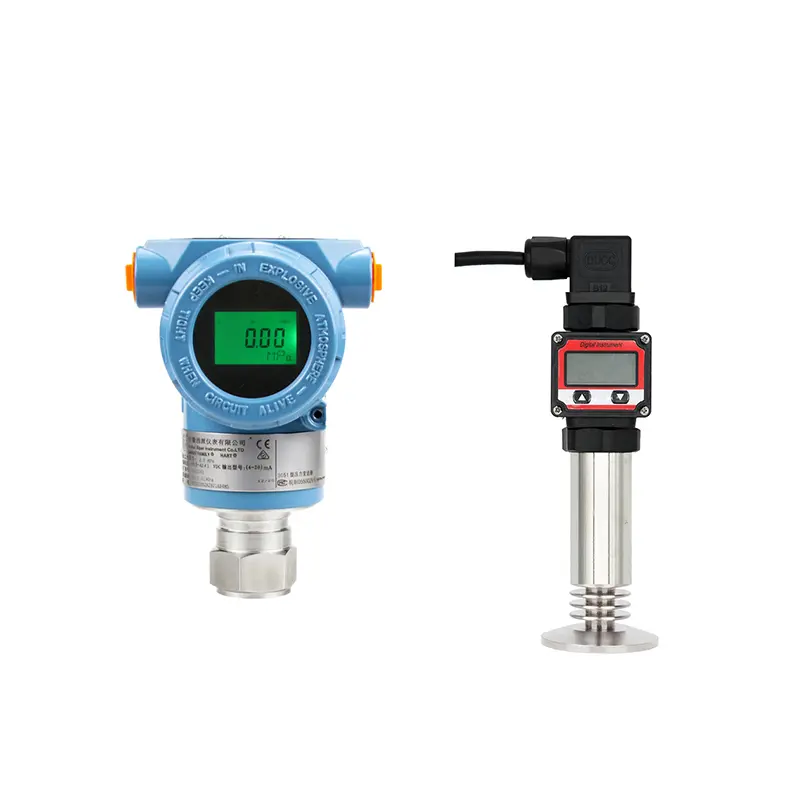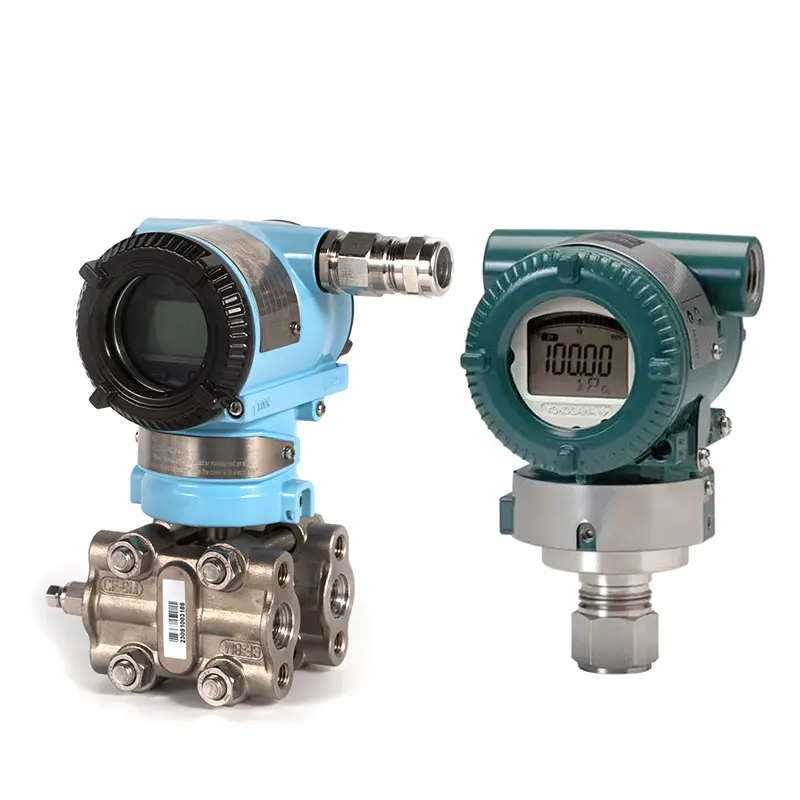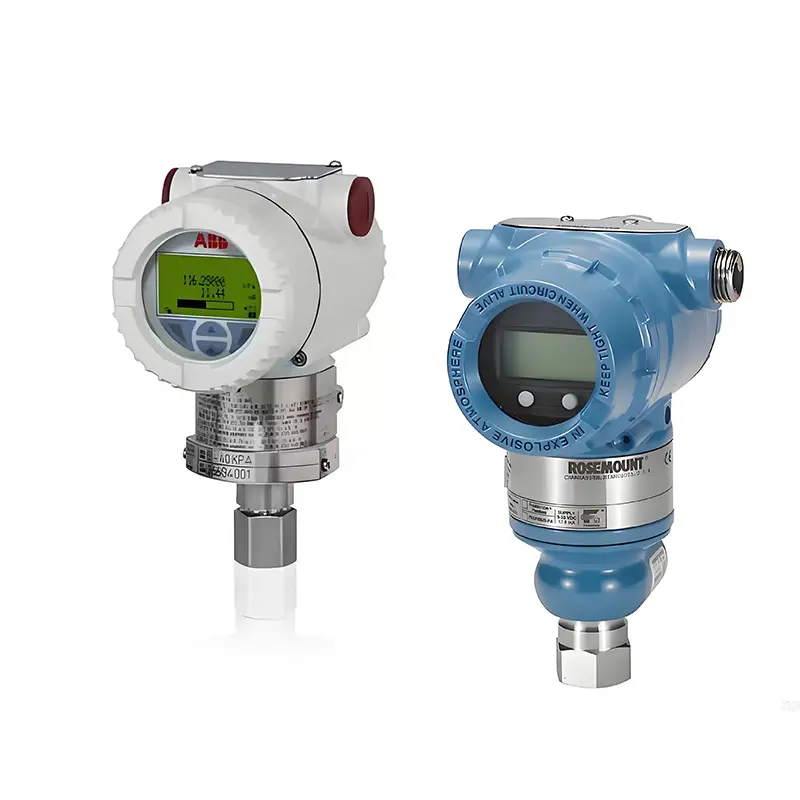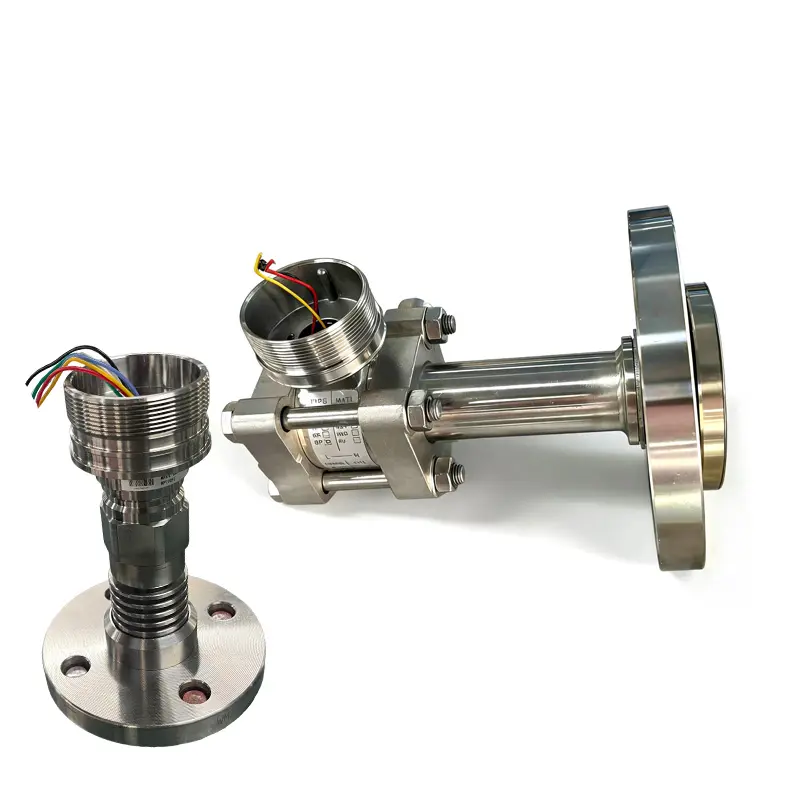
A dual flange level transmitter should be ordered only after the tank pressure, liquid density, flange details, capillary length, fill fluid, and installation position are confirmed. This product is more application-specific than a standard pressure transmitter. If buyers only provide tank height and ask for a price, the quotation may be incomplete.
A dual flange level transmitter must match the tank structure, process medium, pressure condition, and installation layout. Missing one detail can affect range calculation, zero point, material selection, or delivery time.
Confirm the Tank and Liquid Condition
The first question is whether the tank really needs a dual flange structure. This usually depends on whether the tank is closed, pressurized, under vacuum, or has changing vapor pressure above the liquid.
Buyers should provide the liquid name, density, measuring height, normal and maximum temperature, and whether the liquid is corrosive, sticky, dirty, or crystallizing. If density changes during operation, this should also be mentioned because DP level measurement depends directly on density.
Confirm Both Flange Connections
Dual flange level transmitters have two process connections, so both flange details must be correct. The lower and upper flanges may look similar, but their installation positions and process exposure may be different.
Before ordering, confirm:
- Lower flange size, rating, standard, and sealing face
- Upper flange size, rating, standard, and sealing face
- Flange material
- Diaphragm material
- Gasket or lining requirement
- Distance between the two tapping points
A general phrase like “DN50 flange” is not enough. The supplier needs complete flange information for both sides.
Confirm Capillary and Mounting Details
Capillary length should be based on the real distance from each flange to the transmitter mounting position. For dual flange applications, the capillary layout affects zero stability and response.
The supplier should know where the transmitter body will be mounted, whether the capillaries are equal length, whether they pass through different temperature areas, and whether mechanical protection is needed. These details are important for calibration and long-term stability.
Confirm Output and Documents
After the process and mechanical details are clear, output signal, display, HART, explosion-proof requirement, calibration certificate, material certificate, inspection report, and packing documents can be confirmed. These are important for order execution, but tank, liquid, flange, and capillary data must come first.
Conclusion
Before ordering a dual flange level transmitter, buyers should confirm tank pressure condition, liquid density, measuring height, both flange specifications, diaphragm material, fill fluid, capillary length, mounting position, output signal, and document requirements.
SIY Electric can help review dual flange level transmitter requirements before quotation and production.