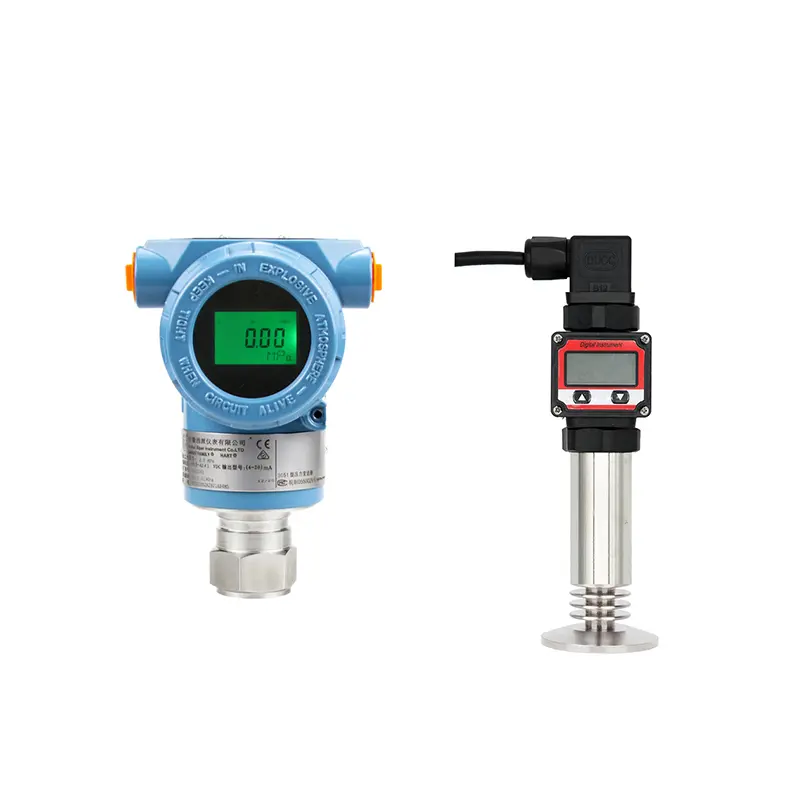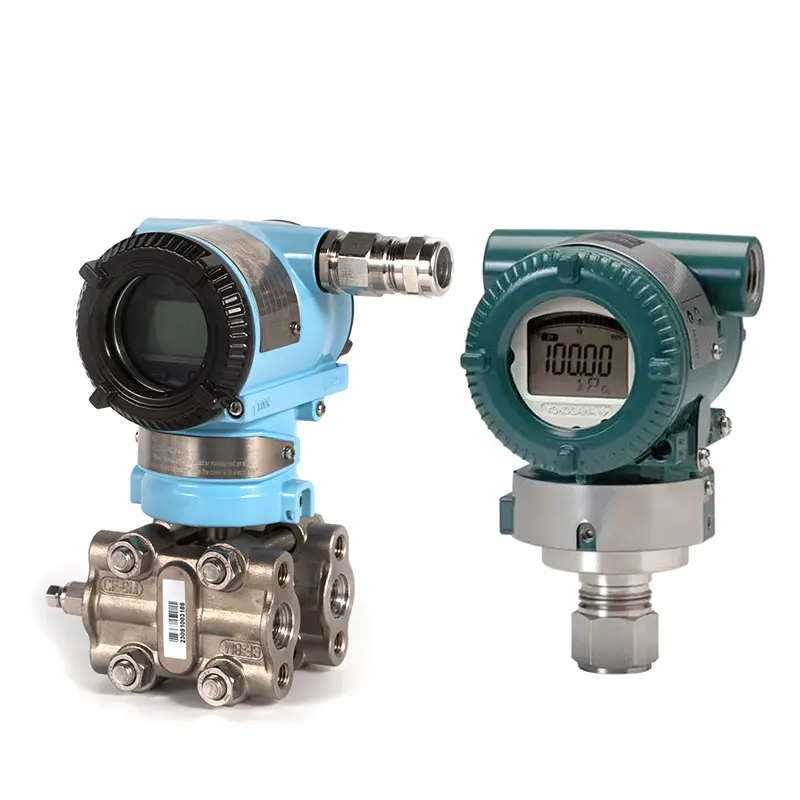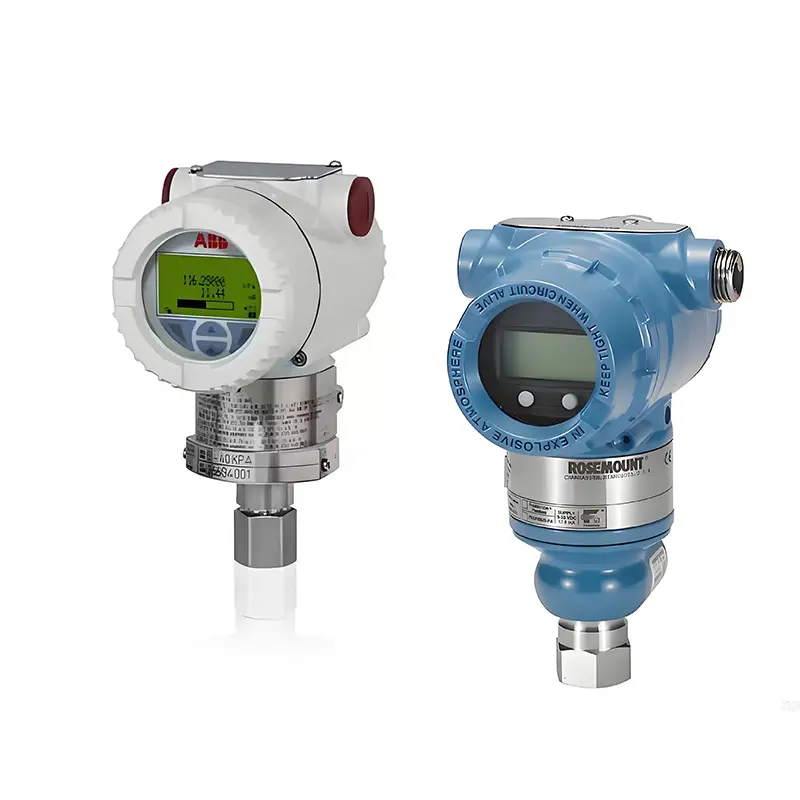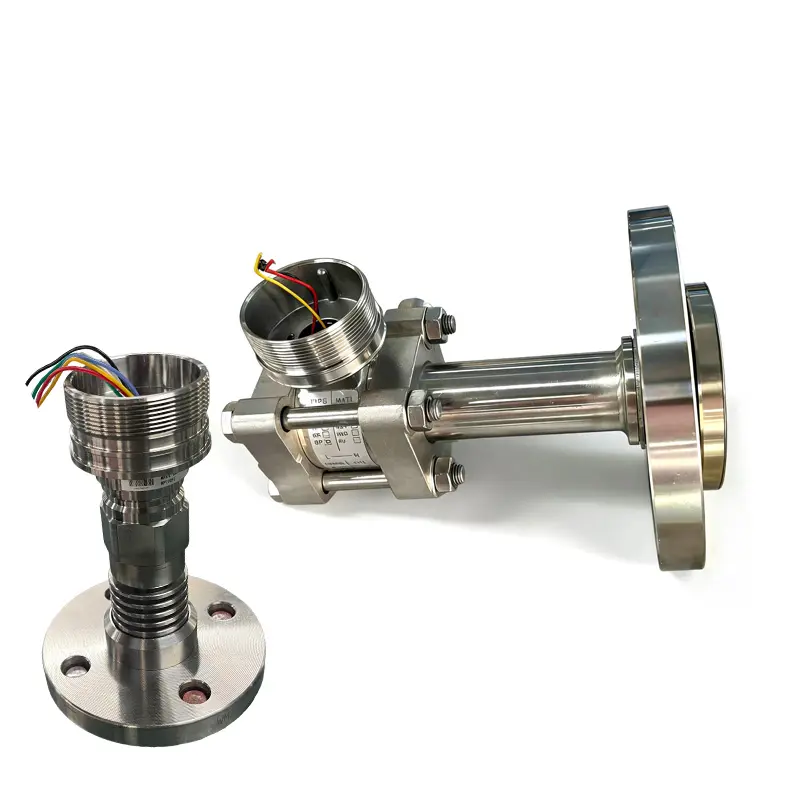
Types of pressure transmitters should be understood by application, pressure reference, structure, and process connection. Many buyers only see different product names, but the real difference is how the transmitter connects to the process and what kind of pressure it measures.
A correct type selection helps avoid installation problems, wrong readings, material failure, or unnecessary cost.
Types by Pressure Measurement
The first way to classify pressure transmitters is by pressure type.
- Gauge pressure transmitter
Measures pressure relative to atmospheric pressure. It is widely used in pipelines, tanks, pumps, and general industrial pressure monitoring. - Absolute pressure transmitter
Measures pressure relative to absolute vacuum. It is used when atmospheric pressure changes cannot be ignored. - Differential pressure transmitter
Measures the difference between two pressure points. It is commonly used for flow, filter monitoring, and tank level measurement. - Vacuum or compound pressure transmitter
Used when the process may operate below atmospheric pressure or move between vacuum and positive pressure.
The pressure type must be clear before ordering. A gauge pressure transmitter and an absolute pressure transmitter are not interchangeable.
Types by Structure
Pressure transmitters can also be classified by structure. This is often more important for real installation.
Common structures include:
- Threaded pressure transmitter
Suitable for clean gas, clean liquid, water, air, oil, and general pressure monitoring. - Compact pressure transmitter
Used in machines, hydraulic systems, compressors, and OEM equipment where space is limited. - Industrial pressure transmitter
Often uses larger housing, terminal wiring, optional display, and stronger field installation structure. - Flush diaphragm transmitter
Used for viscous, dirty, crystallizing, or residue-forming media. - Diaphragm seal transmitter
Used for corrosive, high-temperature, sticky, crystallizing, or difficult media. - Sanitary pressure transmitter
Used for food, beverage, pharmaceutical, and hygienic applications with cleanable connections.
Each type solves a different process problem. The best type is not the most expensive one, but the one that matches the working condition.
Types by Application
Some transmitters are selected mainly because of the application. For example, submersible level transmitters are used for water tanks, wells, pits, and hydrostatic level measurement. Differential pressure level transmitters are used for tank level, especially where density, tank pressure, or remote seals must be considered.
Application-based selection is often easier for buyers because it starts from the actual problem, not from product terminology.
How to Choose the Right Type
To choose the right pressure transmitter type, buyers should first confirm the medium, pressure range, pressure type, temperature, process connection, and installation environment. If the medium is clean and the process is simple, a threaded or compact transmitter may be enough. If the medium is corrosive, dirty, sticky, high-temperature, or hygienic, a special structure may be required.
Conclusion
Different types of pressure transmitters exist because different applications need different measurement references, process connections, and protection structures. Buyers should choose by working condition, not only by product name.
SIY Electric can help compare threaded, compact, industrial, diaphragm seal, sanitary, submersible, and differential pressure transmitter options according to real applications.