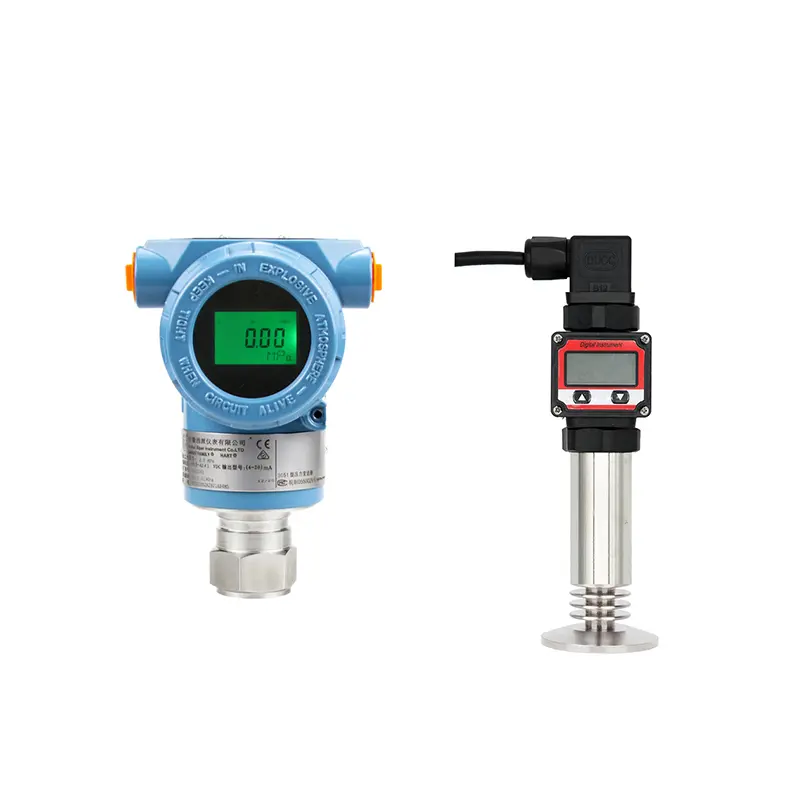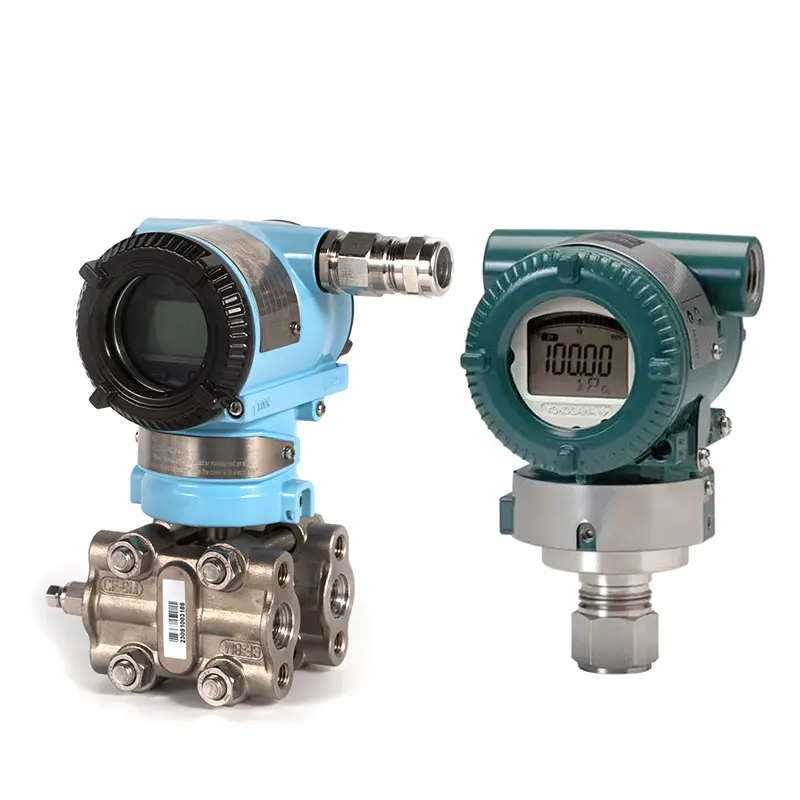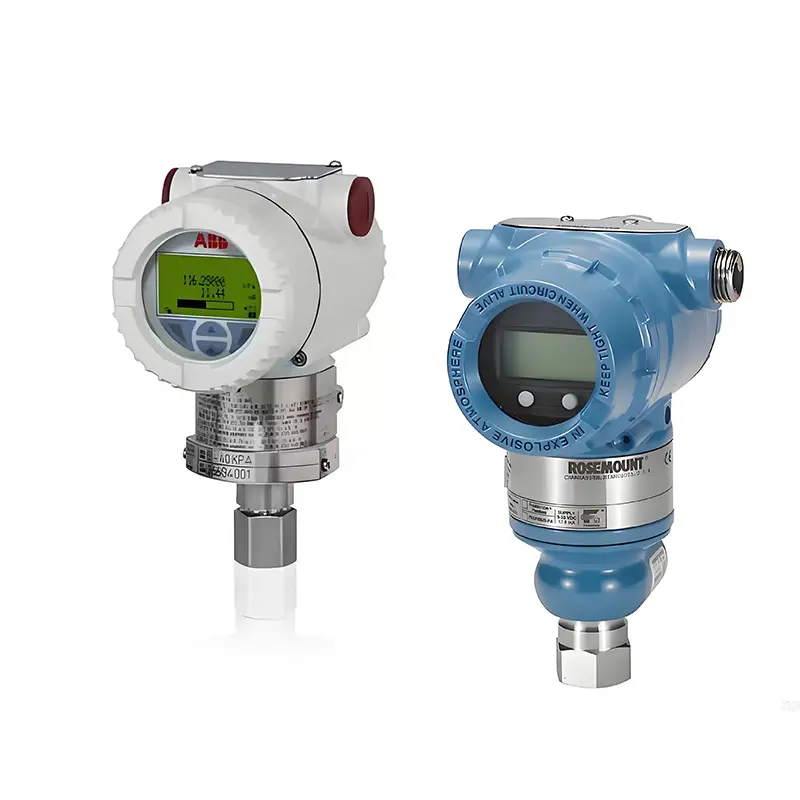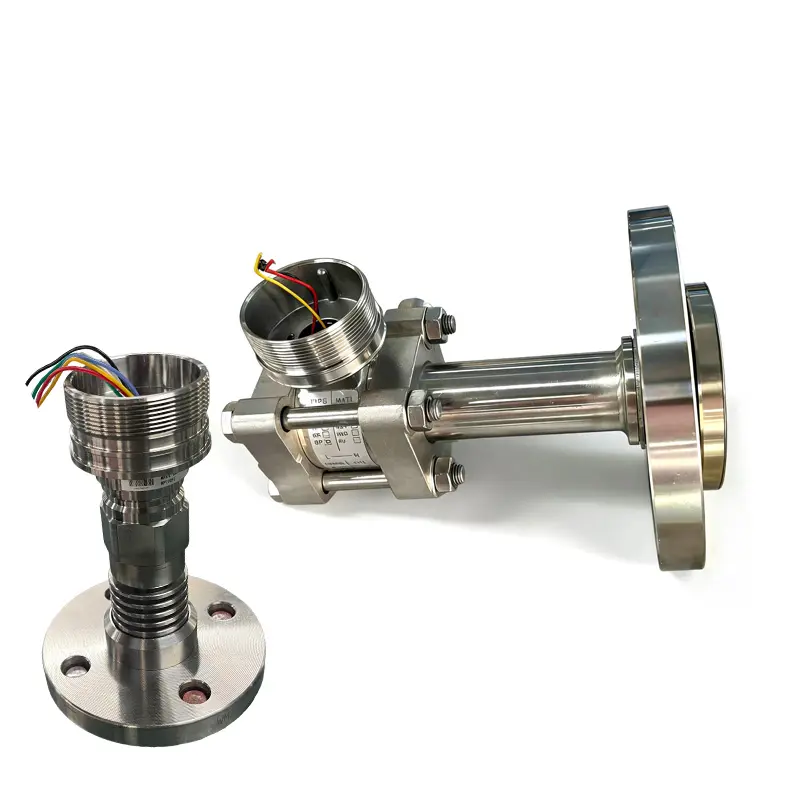
Gauge, absolute and differential pressure are different pressure references, and choosing the wrong one can lead to incorrect transmitter selection. These terms are common in pressure transmitter datasheets, but they are easy to confuse during quotation or replacement.
The difference is not only a word on the model code. It decides how the transmitter interprets pressure.
What Is Gauge Pressure?
Gauge pressure is measured relative to atmospheric pressure. When a gauge pressure transmitter reads zero, it usually means the process pressure is equal to the surrounding atmosphere.
Gauge pressure is commonly used for:
- Pipeline pressure
- Pump outlet pressure
- Air compressor pressure
- Hydraulic pressure
- Tank or vessel pressure in many general applications
Most standard industrial pressure transmitters are gauge pressure transmitters unless another pressure type is specified.
What Is Absolute Pressure?
Absolute pressure is measured relative to absolute vacuum. It includes atmospheric pressure in the measurement. This type is used when changes in atmospheric pressure matter or when the process needs an absolute reference.
Absolute pressure may be used for vacuum systems, sealed processes, barometric-related measurements, and certain gas or process calculations.
A common mistake is replacing an absolute pressure transmitter with a gauge pressure transmitter because the range looks similar. The output may not match the real process requirement.
What Is Differential Pressure?
Differential pressure is the difference between two pressure points. A differential pressure transmitter has high-pressure and low-pressure sides. It does not measure only one pressure point.
Differential pressure is commonly used for:
- Flow measurement with orifice plates or other primary elements
- Filter clogging monitoring
- Tank level measurement
- Pressure drop across equipment
- Density or interface-related applications
The installation is more complex because both pressure sides must be connected correctly.
Why the Difference Matters
These three pressure types are not interchangeable. A gauge transmitter, absolute transmitter, and differential pressure transmitter may have similar housings, but they are used differently.
Buyers should confirm pressure type when:
- Replacing an old transmitter
- Ordering a new transmitter by range
- Measuring vacuum or compound pressure
- Using DP for level or flow
- Comparing quotations from different suppliers
A request like “0–1 MPa transmitter” is incomplete. It is better to state “0–1 MPa gauge pressure” or another clear pressure type.
Conclusion
Gauge pressure is referenced to atmosphere, absolute pressure is referenced to vacuum, and differential pressure compares two pressure points. Correct pressure type is essential for transmitter selection, quotation, and replacement.
SIY Electric can help check whether gauge, absolute, differential, vacuum, or compound pressure measurement is suitable for your application.