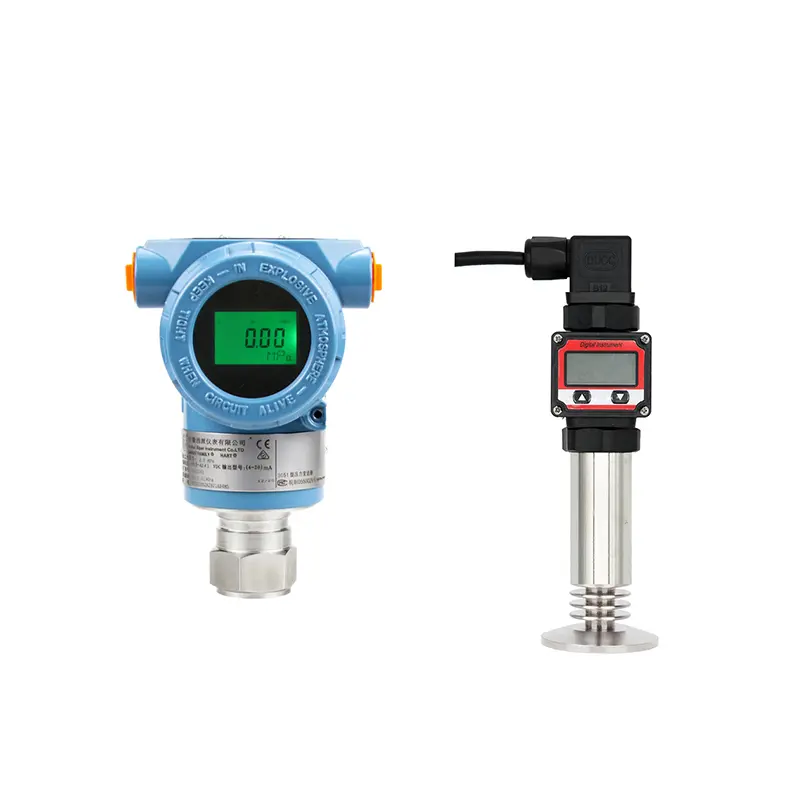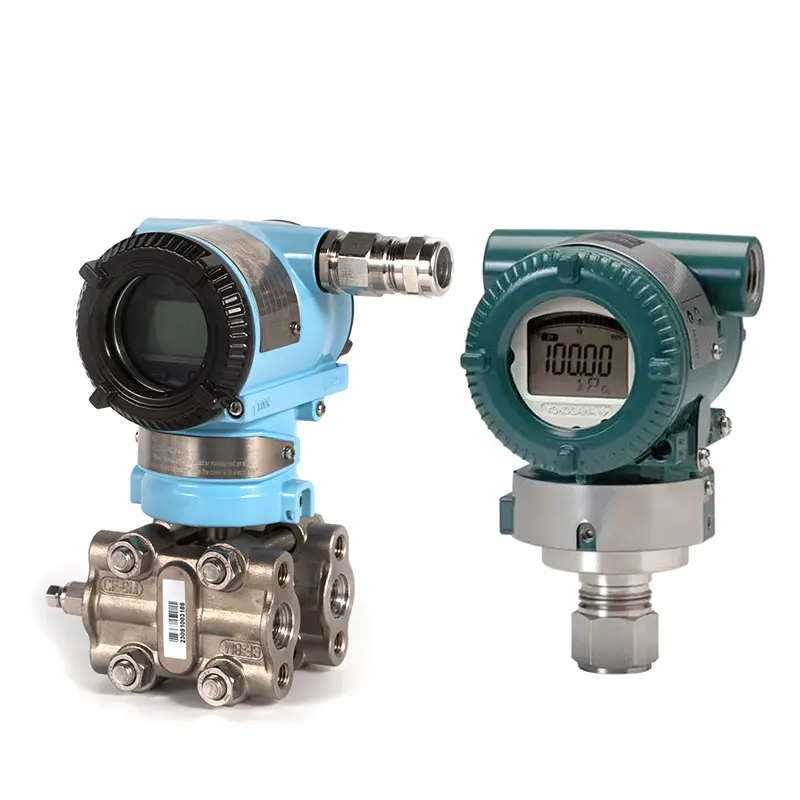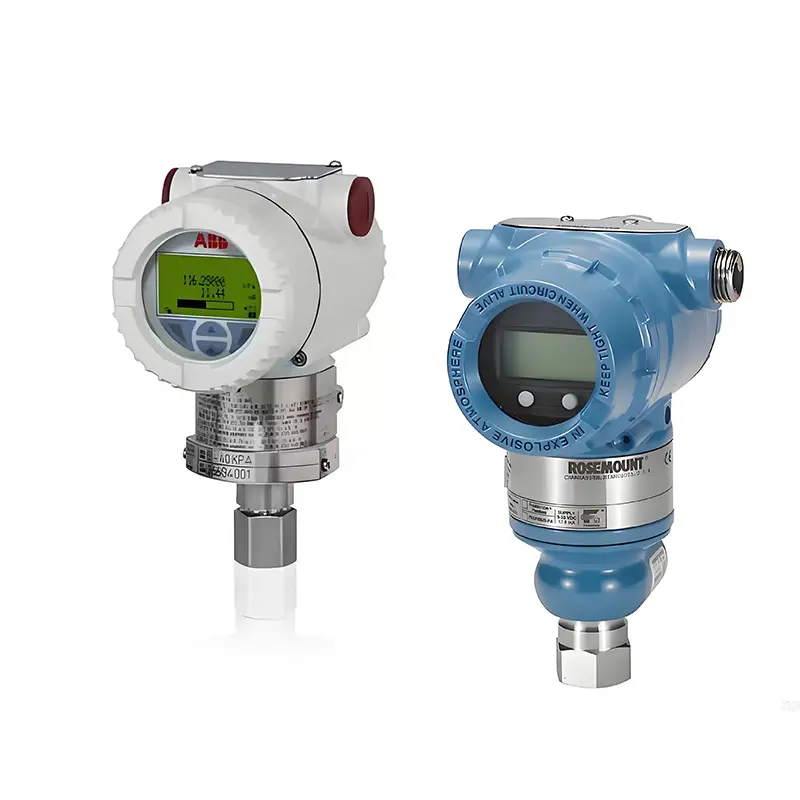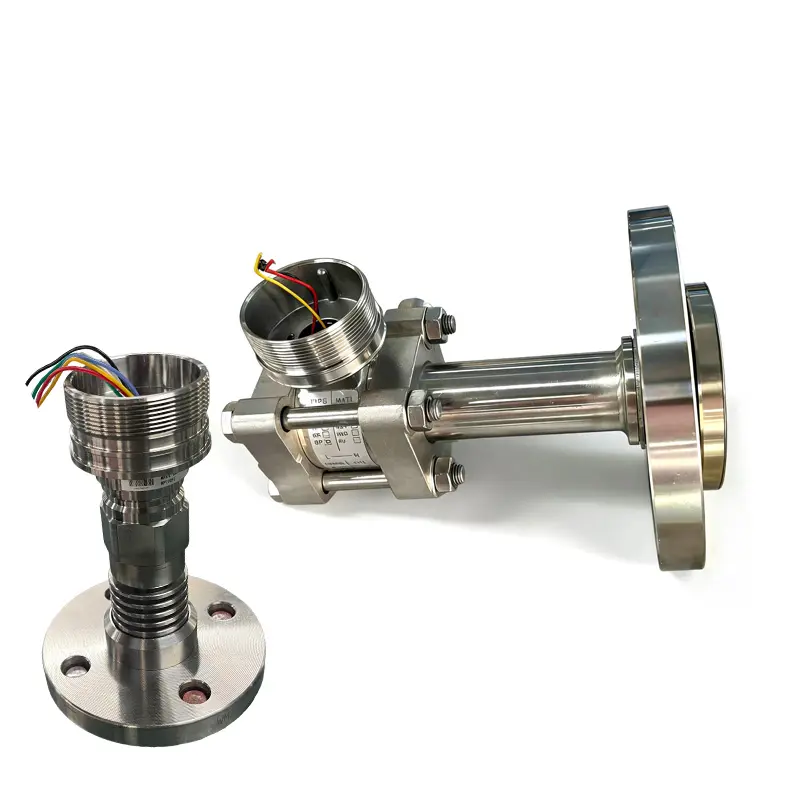
4–20 mA output in pressure transmitters is a standard analog signal used to send measured pressure to PLC, DCS, controllers, and display instruments. It is widely used in industrial automation because it is stable, simple, and suitable for long-distance signal transmission.
For many pressure transmitter buyers, 4–20 mA is the default output. But it is still useful to understand what the signal means before choosing or replacing a transmitter.
How 4–20 mA Represents Pressure
In a 4–20 mA system, the transmitter converts the measured pressure into a current signal. The lower range value is usually represented by 4 mA, and the upper range value is represented by 20 mA.
For example, if a transmitter is ranged from 0 to 10 bar, then 4 mA represents 0 bar and 20 mA represents 10 bar. Values between 4 and 20 mA represent pressure values between the lower and upper limits.
This makes the signal easy for a PLC or DCS to scale into engineering units.
Why Not 0–20 mA?
The 4 mA “live zero” is useful because it helps distinguish between zero pressure and signal failure. If the signal were 0 mA at zero pressure, the control system might not know whether the process pressure is truly zero or the cable is broken.
With 4–20 mA, a signal near 0 mA often indicates a fault, wiring problem, or power issue rather than a normal pressure value.
Two-Wire Pressure Transmitters
Many industrial pressure transmitters use a two-wire 4–20 mA loop. The same two wires provide power and carry the output signal. This is simple and convenient for field instruments.
Before ordering, buyers should check power supply, wiring method, load resistance, control system input, and whether HART communication is needed.
4–20 mA with HART
Some pressure transmitters use 4–20 mA with HART communication. The analog 4–20 mA signal still carries the main pressure value, while HART allows digital configuration, diagnostics, and additional data.
This is useful when the plant needs smart transmitter functions but still wants to keep standard analog control signals.
When Other Outputs Are Used
Although 4–20 mA is common, some applications use voltage output, RS485, Modbus, or digital signals. These are more common in OEM equipment, compact machines, or special monitoring systems.
The output should match the PLC, DCS, controller, or data acquisition system. A transmitter with the correct pressure range but wrong output signal may not work with the existing control system.
Conclusion
4–20 mA output is a standard signal that allows pressure transmitters to send measured pressure to industrial control systems. It is widely used because it is reliable, easy to scale, and helps identify signal faults through live zero.
SIY Electric can provide pressure transmitters with 4–20 mA, 4–20 mA with HART, RS485, Modbus, or other output options according to control system requirements.