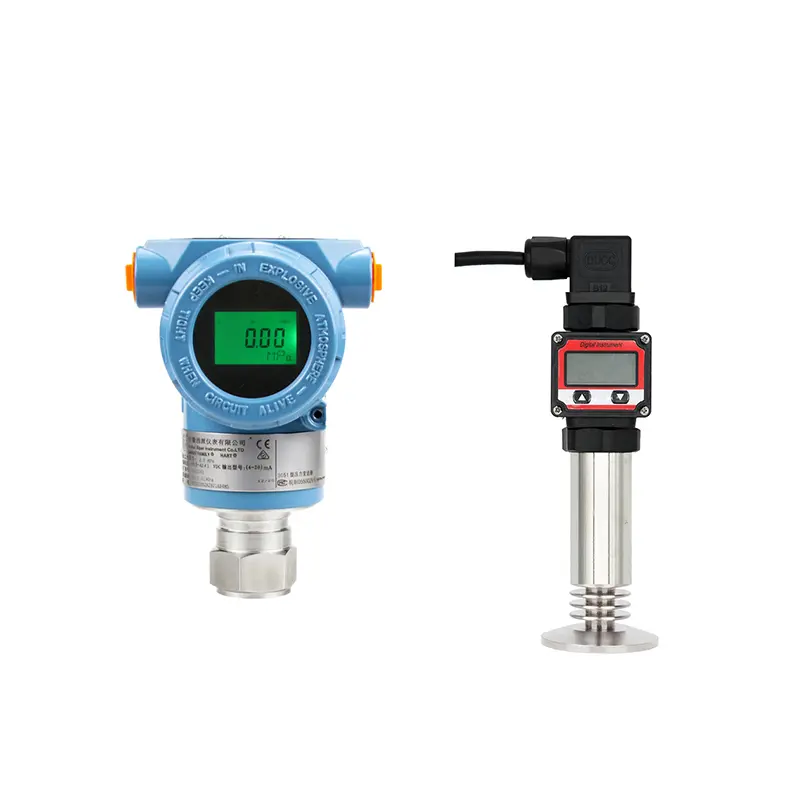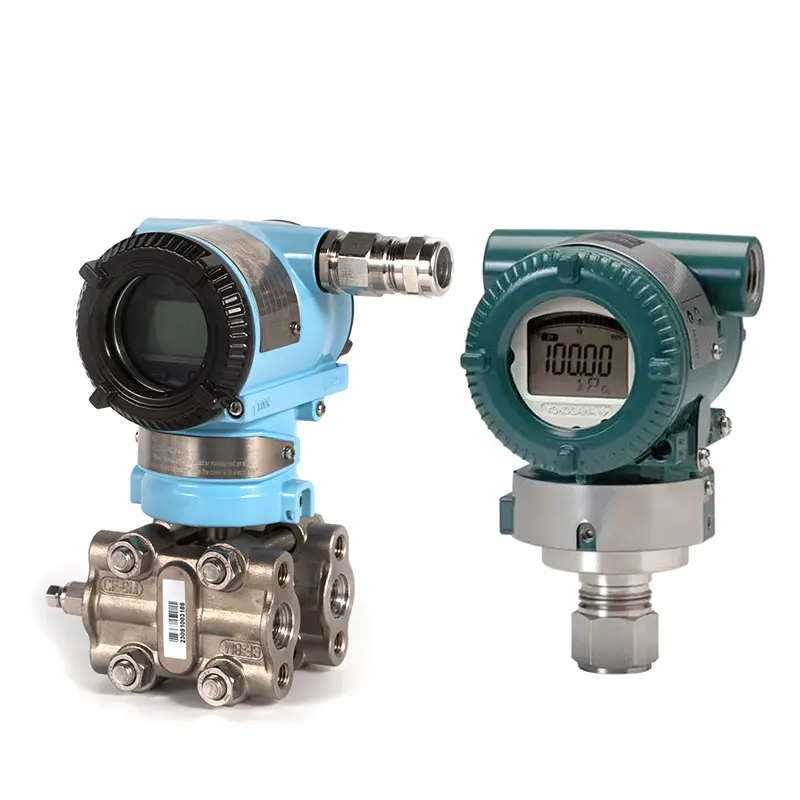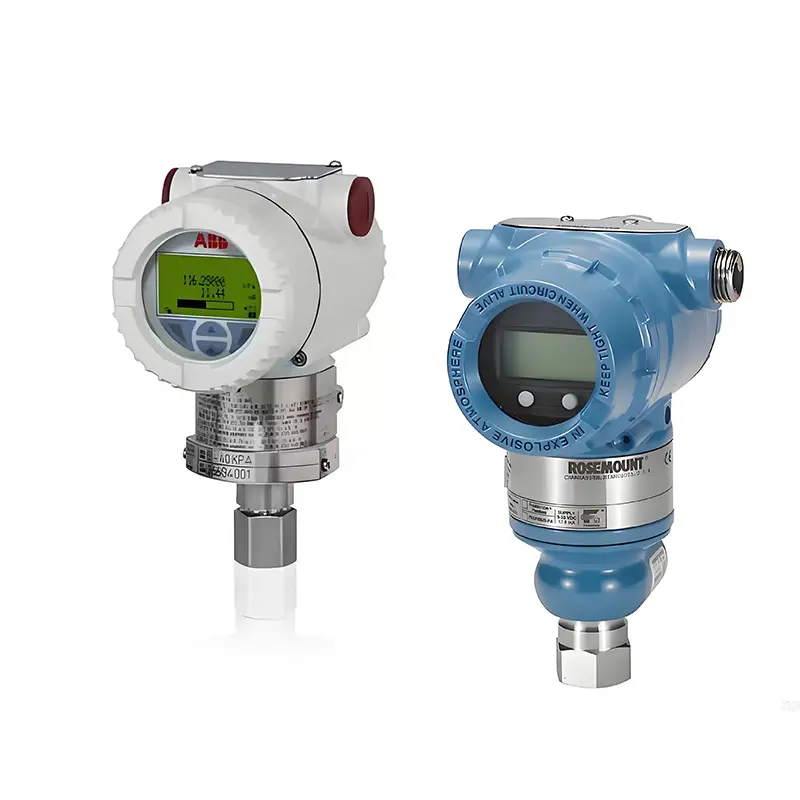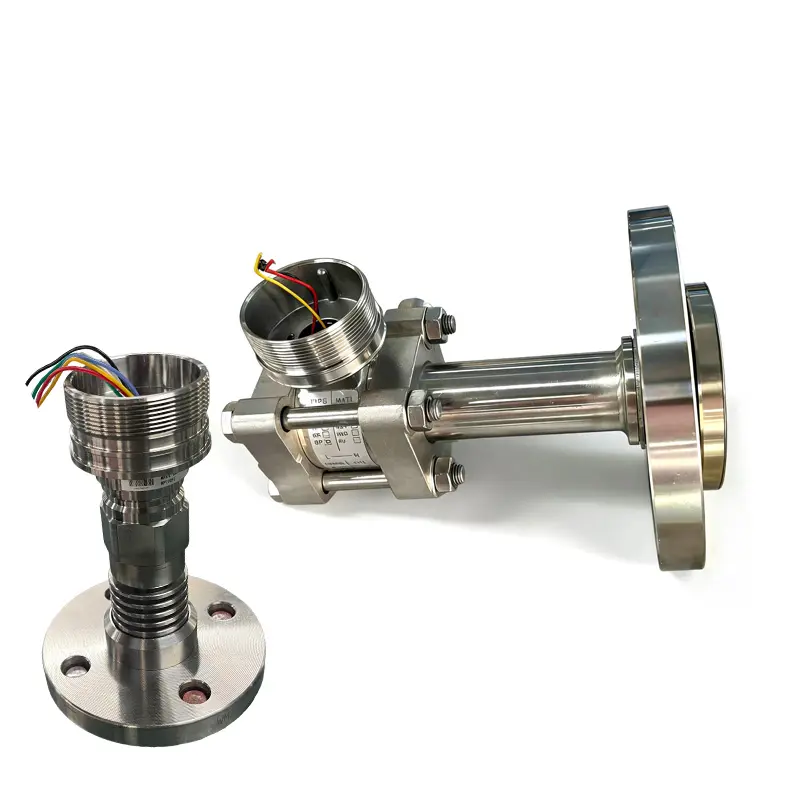
Pressure transmitter selection for water treatment systems should start with the measuring point, water quality, pressure range, and installation environment. Water treatment projects may look simple because the medium is usually water, but different positions in the system can have very different requirements.
A transmitter used on a clean water pipeline is not the same as one used in a wastewater line, filter system, dosing skid, or pump outlet. The correct choice depends on whether the medium is clean, corrosive, dirty, or under fluctuating pressure.
Common Measuring Points in Water Treatment
Pressure transmitters are commonly used in water treatment systems to monitor pump pressure, pipeline pressure, filter pressure drop, tank pressure, and equipment inlet or outlet pressure. In clean water sections, a standard threaded pressure transmitter is often enough. In wastewater or chemical dosing sections, material and blockage risk should be checked more carefully.
For water treatment applications, buyers should pay attention to:
- Clean water or wastewater
Clean water is usually easier. Wastewater may contain sludge, particles, chemicals, or corrosive components. - Pump pressure fluctuation
Pump outlet points may have pressure shock or vibration, so the range should not be selected too close to normal pressure. - Chemical dosing areas
Acid, alkali, chlorine, or other chemicals may require special wetted materials or diaphragm seal structures. - Outdoor installation
Cable sealing, housing protection, and corrosion resistance should be considered.
Material and Connection
For clean water, 316L stainless steel wetted parts are commonly used. For chemical water treatment, the supplier should check the actual chemical type, concentration, and temperature before selecting the diaphragm or process connection material.
Threaded connections are common for standard pipelines. If the medium is dirty, easy to block, or contains solids, a flush diaphragm or diaphragm seal structure may be safer than a small threaded pressure port.
Conclusion
Pressure transmitter selection for water treatment systems depends on the measuring point, water quality, pump pressure behavior, chemical exposure, and installation environment. Buyers should provide medium, pressure range, temperature, process connection, and whether the point is clean water, wastewater, or chemical dosing.
SIY Electric can help select pressure transmitters for clean water, wastewater, pumps, filters, dosing systems, and water treatment pipelines.