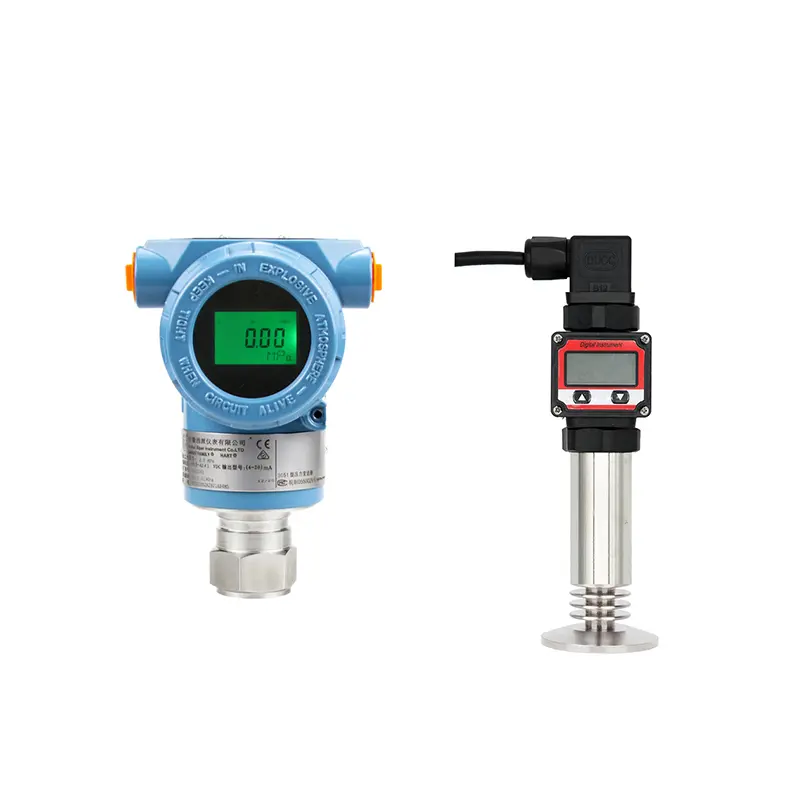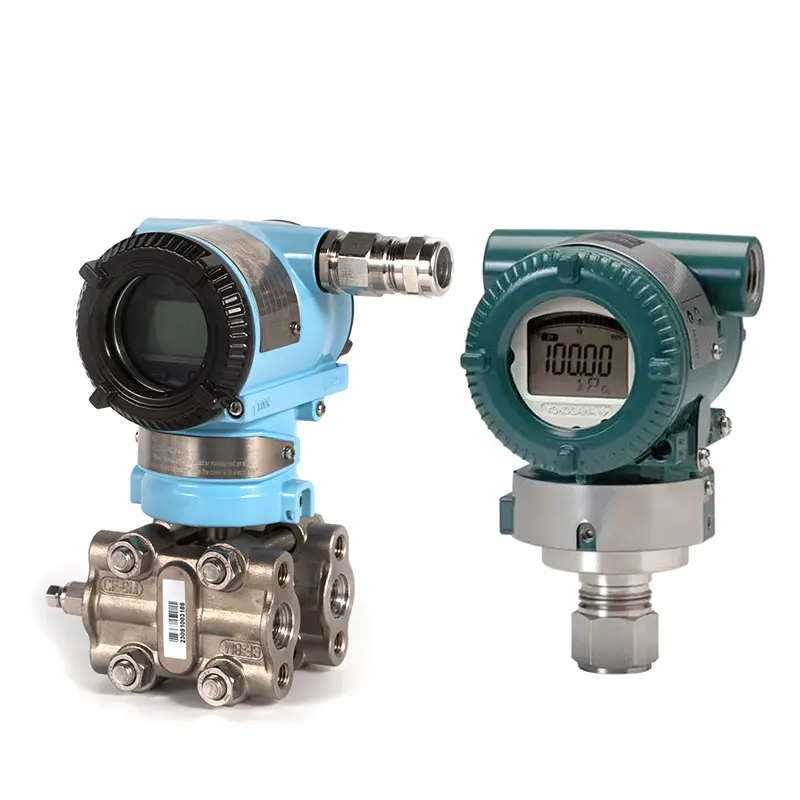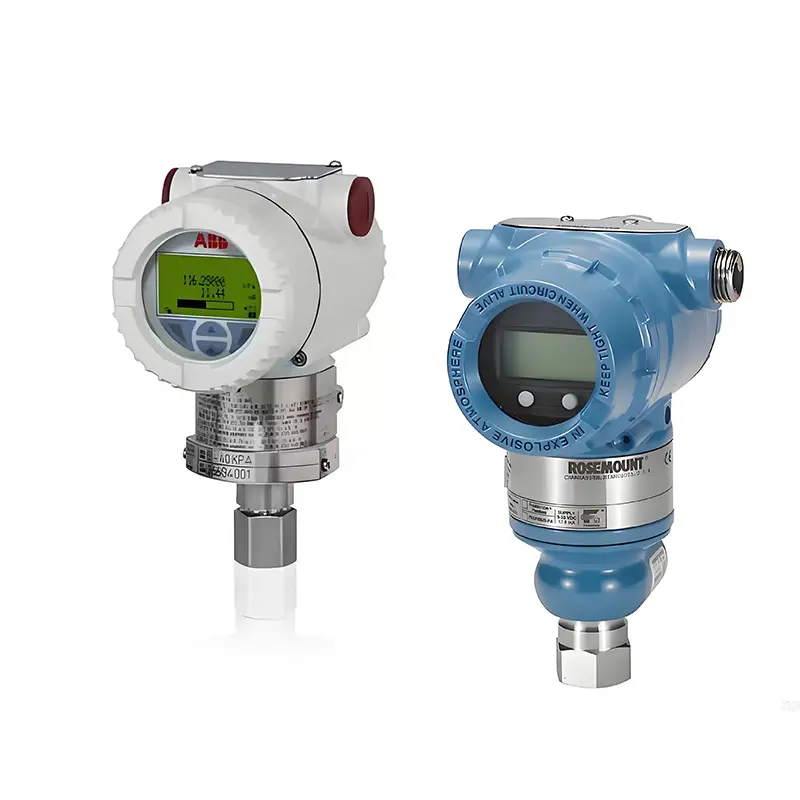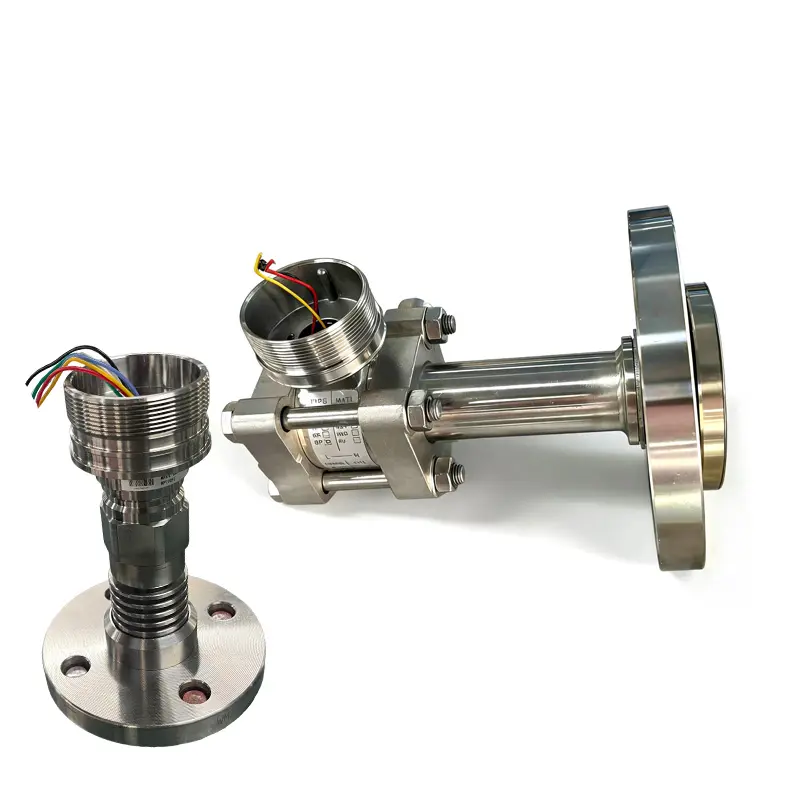
A level transmitter for wastewater tanks should be selected by checking sludge, foam, corrosion, cable protection, installation position, and maintenance access. Wastewater level measurement is more difficult than clean water because the liquid may contain solids, grease, sediment, chemicals, and biological matter.
The right level transmitter depends on tank structure and medium condition. Submersible level transmitters, ultrasonic level meters, radar level meters, and pressure-based solutions may all be considered.
What Makes Wastewater Difficult
Wastewater tanks often have unstable and dirty conditions. A transmitter may fail not because the range is wrong, but because the sensor is buried in sludge, attacked by chemicals, or installed where foam and turbulence affect measurement.
Buyers should consider:
- Sludge and sediment
Submersible sensors should not be placed where heavy solids settle. - Foam and vapor
Non-contact level instruments may be affected depending on technology and site condition. - Corrosion
Wastewater may contain chemicals that affect probe and cable materials. - Cable damage
For submersible transmitters, cable sealing and vent protection are critical. - Maintenance access
Dirty tanks may need periodic inspection and cleaning.
Practical Selection
For simple pits and water tanks, a submersible level transmitter may be economical and reliable if the cable and probe material are suitable. For tanks with heavy sludge, strong foam, or difficult access, non-contact radar or ultrasonic solutions may be considered.
The best choice depends on how dirty the tank is, whether the liquid surface is stable, and how much maintenance the site can accept.
Conclusion
Choosing a level transmitter for wastewater tanks requires more than level range. Sludge, foam, corrosion, cable sealing, installation position, and maintenance access should all be checked.
SIY Electric can help compare submersible, pressure-based, ultrasonic, and radar level options for wastewater tanks and dirty liquid applications.