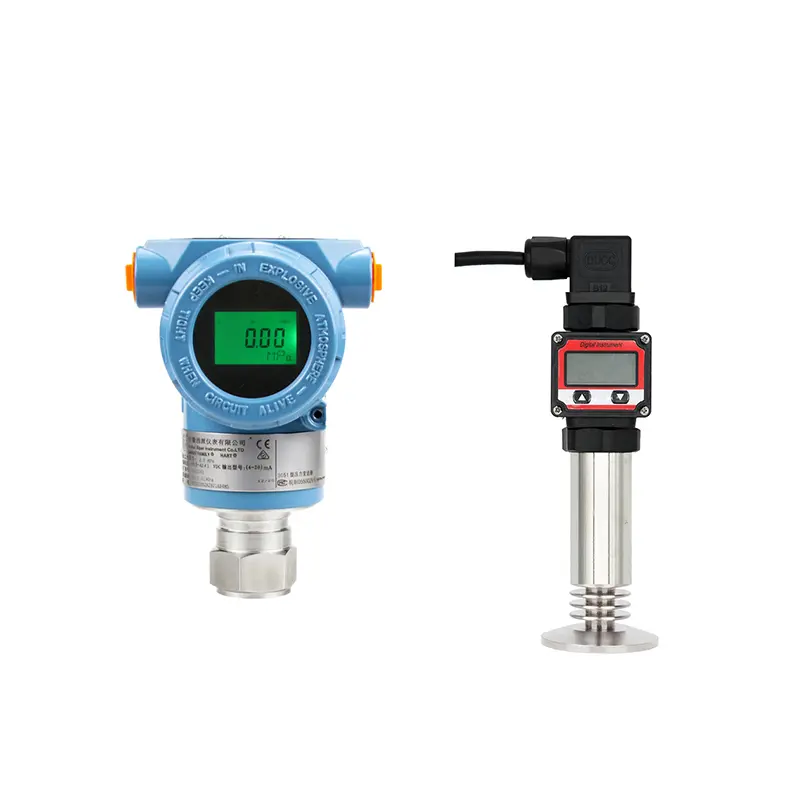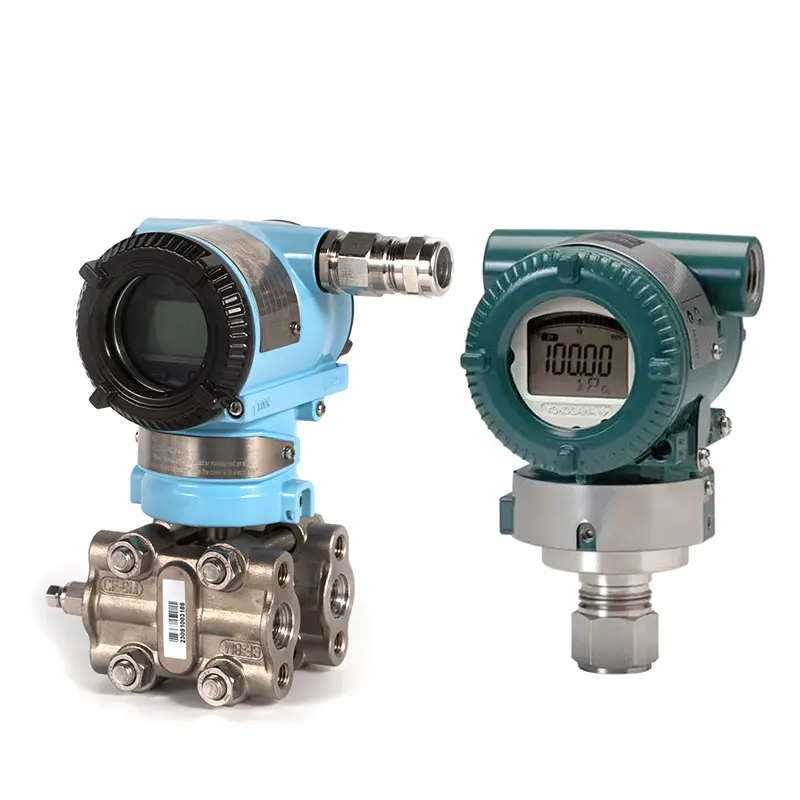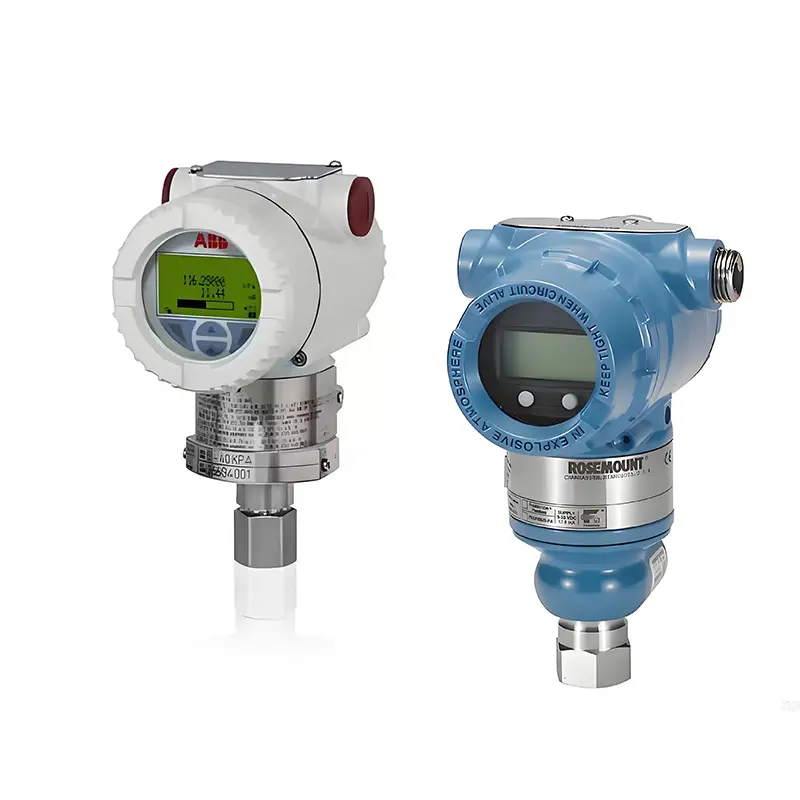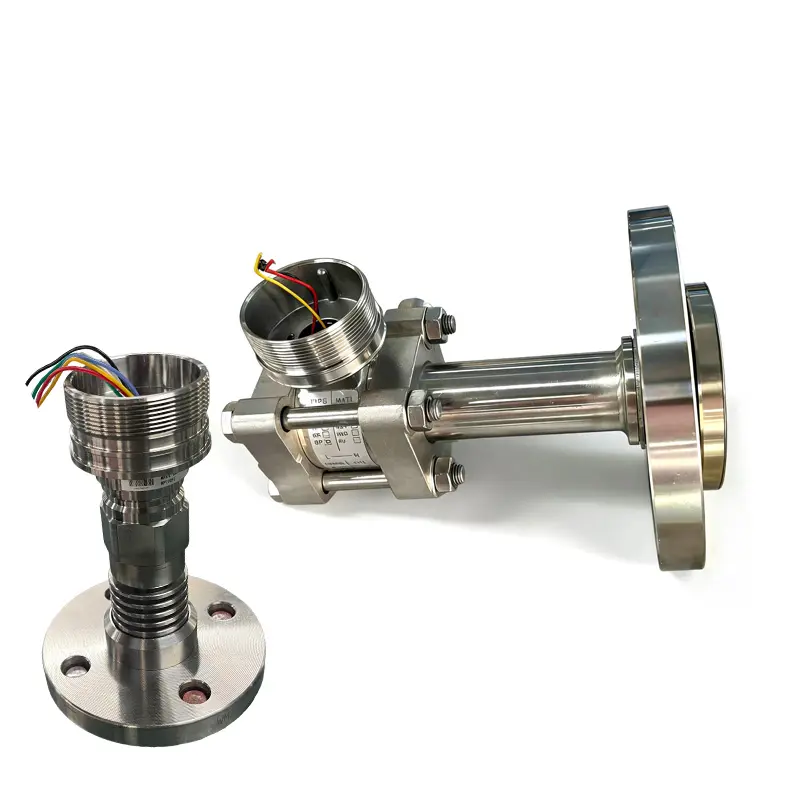
Pressure transmitter selection for high-temperature process media should focus on heat protection, seal structure, fill fluid, installation method, and long-term stability. High temperature can damage the sensor and electronics even when the pressure range is correct.
A standard transmitter may work for normal-temperature liquids and gases, but high-temperature service often needs cooling accessories, impulse lines, diaphragm seals, or capillary remote seals.
Why High Temperature Changes Selection
Heat can transfer from the process connection to the transmitter body. This may cause output drift, electronics failure, seal damage, or shortened service life.
Common high-temperature media include steam, hot oil, thermal fluid, heated water, hot chemical liquid, and reactor process media. Each may require a different structure.
Common Solutions
The right solution depends on temperature, medium, and installation. Common options include:
- Siphon tube for steam pressure measurement
- Cooling element for moderate high-temperature service
- Impulse line to move the transmitter away from heat
- Diaphragm seal for hot or difficult media
- Capillary seal when the transmitter body must be remote-mounted
For diaphragm seal systems, fill fluid selection is important. If the fill fluid does not match temperature conditions, measurement stability can be affected.
What Buyers Should Provide
Buyers should provide normal and maximum temperature, medium, pressure range, process connection, installation position, and whether the medium is corrosive, viscous, or crystallizing. Without these details, the supplier can only make a rough recommendation.
Conclusion
Pressure transmitter selection for high-temperature process media should not rely only on range. Heat protection, installation layout, seal structure, fill fluid, and medium condition must be checked.
SIY Electric can help select pressure transmitters for steam, hot oil, thermal fluid, reactors, vessels, and high-temperature chemical processes.