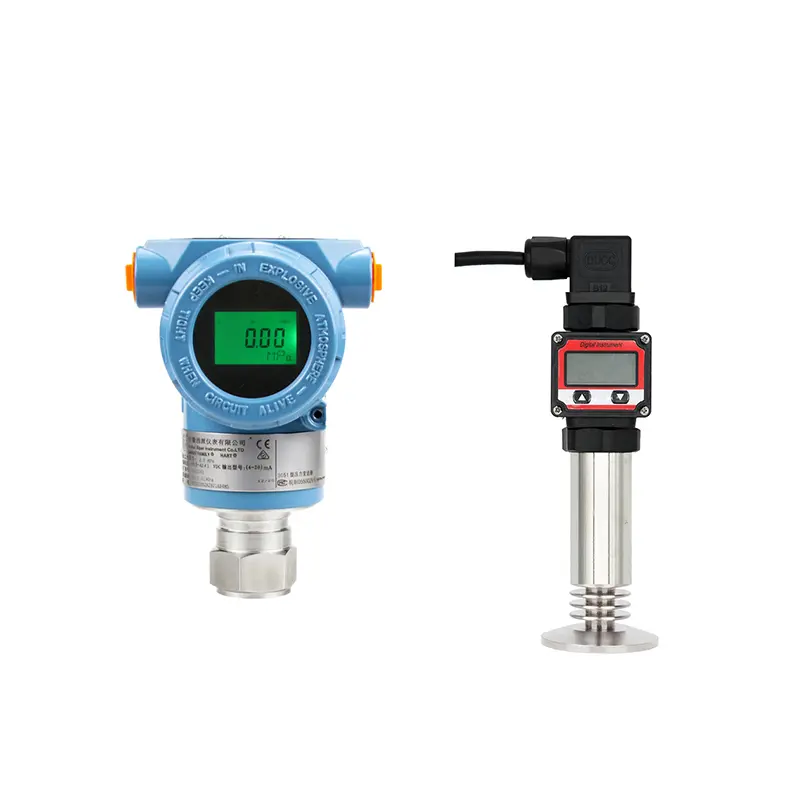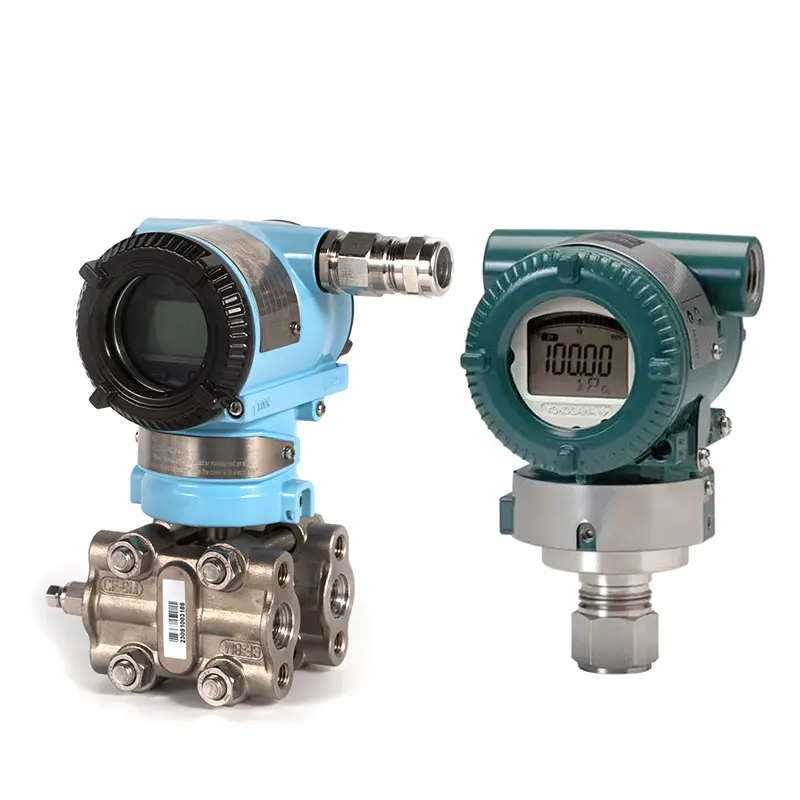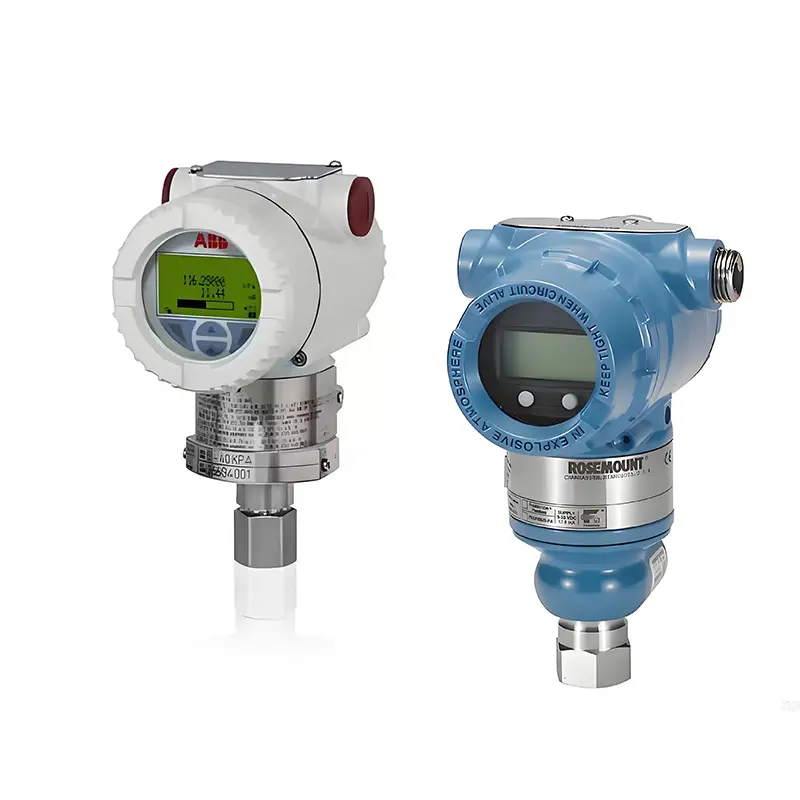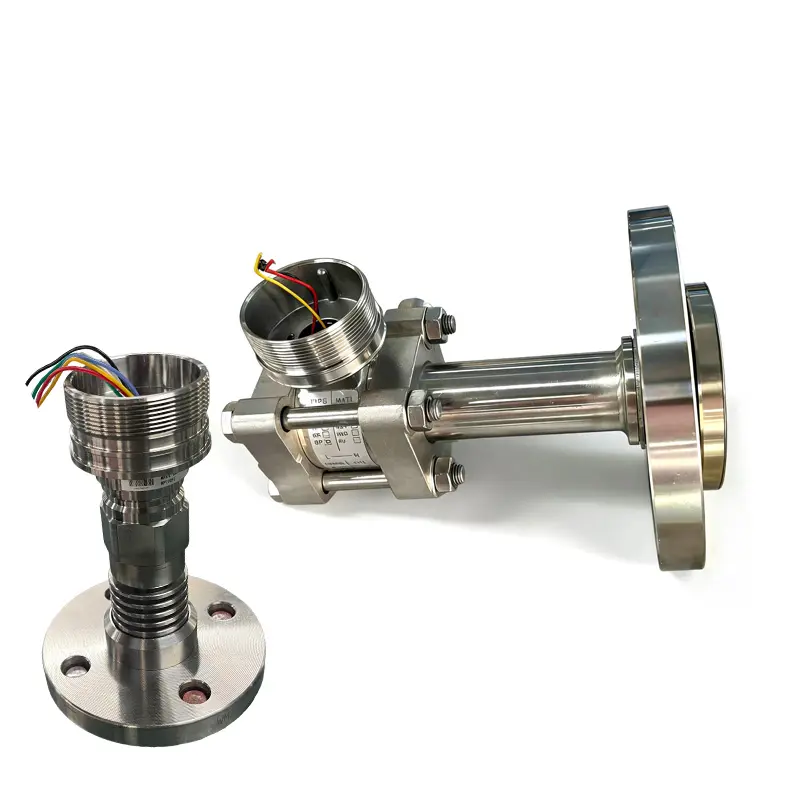
A 2-wire pressure transmitter wiring method uses the same two wires for power supply and 4–20 mA signal output. This is one of the most common wiring methods in industrial pressure measurement because it is simple, stable, and easy to connect with PLC, DCS, display meters, or signal isolators.
Many wiring problems happen because buyers treat a 2-wire transmitter like a 3-wire or 4-wire device. In a 2-wire loop, the transmitter is part of the current loop. The power supply, transmitter, and receiving device must be connected in series, not separately.
Basic 2-Wire Working Logic
A 2-wire pressure transmitter usually needs a DC power supply, commonly 24 VDC. The transmitter receives power from the loop and changes the loop current according to pressure. For example, 4 mA usually represents the lower range value, and 20 mA represents the upper range value.
The basic loop includes:
- Power supply
Provides DC voltage to the loop. - Pressure transmitter
Converts pressure into 4–20 mA current. - PLC, DCS or display input
Receives the current signal and converts it into pressure value. - Loop wiring
Connects all parts in series.
If any part of the loop is open, reversed, overloaded, or incorrectly connected, the transmitter may have no output or wrong output.
Common Wiring Mistakes
The most common mistake is connecting the transmitter directly to power but not passing the signal through the receiving device. Another common issue is reversing polarity. Most 2-wire transmitters are polarity-sensitive, so positive and negative terminals must be connected correctly.
Buyers should check these points before troubleshooting the transmitter itself:
- Is the power supply DC and within the required range?
- Is the transmitter connected in series with the PLC or display input?
- Is polarity correct?
- Is the PLC input set for current signal, not voltage signal?
- Is the loop resistance within the transmitter’s allowed load range?
- Are cable terminals tight and protected from moisture?
If the wiring is wrong, replacing the transmitter will not solve the problem.
Shielding and Grounding
For long-distance wiring or noisy industrial environments, shielding may be needed. Signal cables should be kept away from high-power cables, motors, frequency converters, and strong electromagnetic interference.
Poor shielding or grounding may not cause complete signal loss, but it can cause unstable readings, jumping output, or noise in the control system.
Conclusion
A 2-wire pressure transmitter wiring loop is simple, but it must be wired correctly. The transmitter, power supply, and PLC or display input should form one complete current loop. Before judging the transmitter as faulty, buyers should check polarity, power supply, input type, loop resistance, terminals, shielding, and grounding.
SIY Electric can help check 2-wire pressure transmitter wiring requirements for PLC, DCS, display instruments, and industrial control systems.