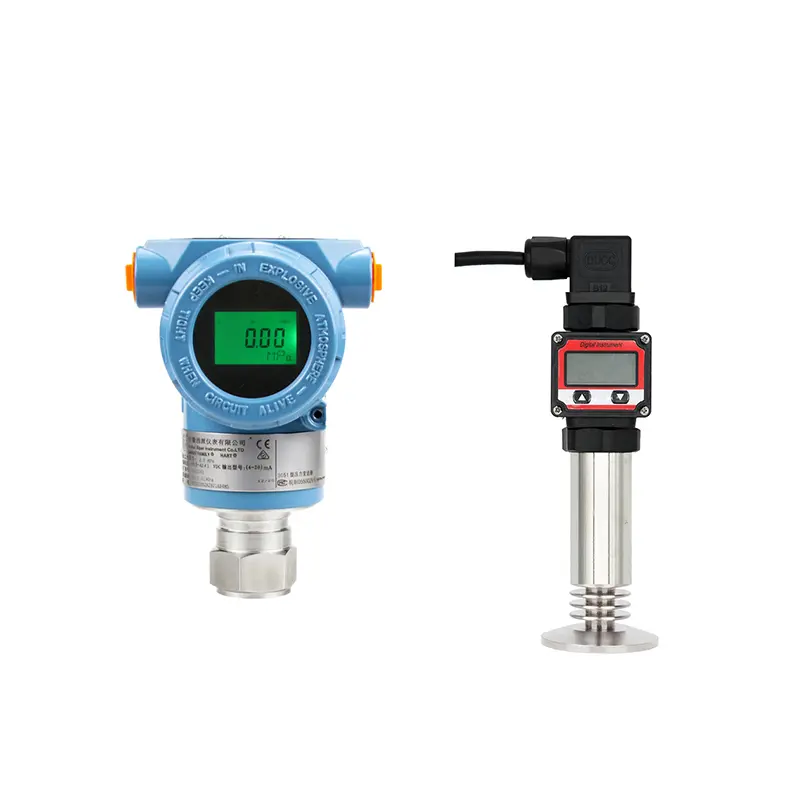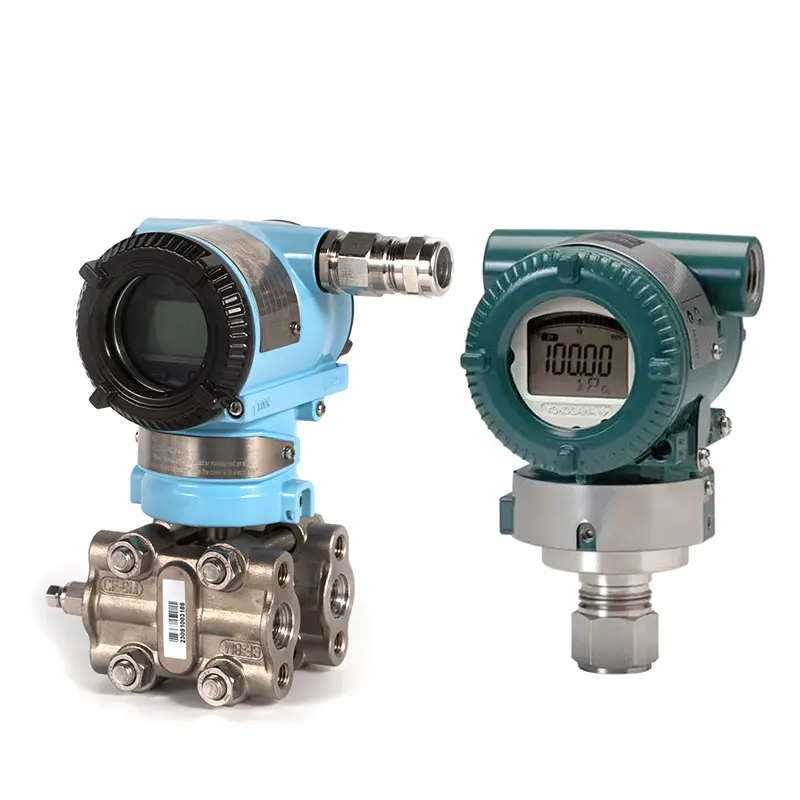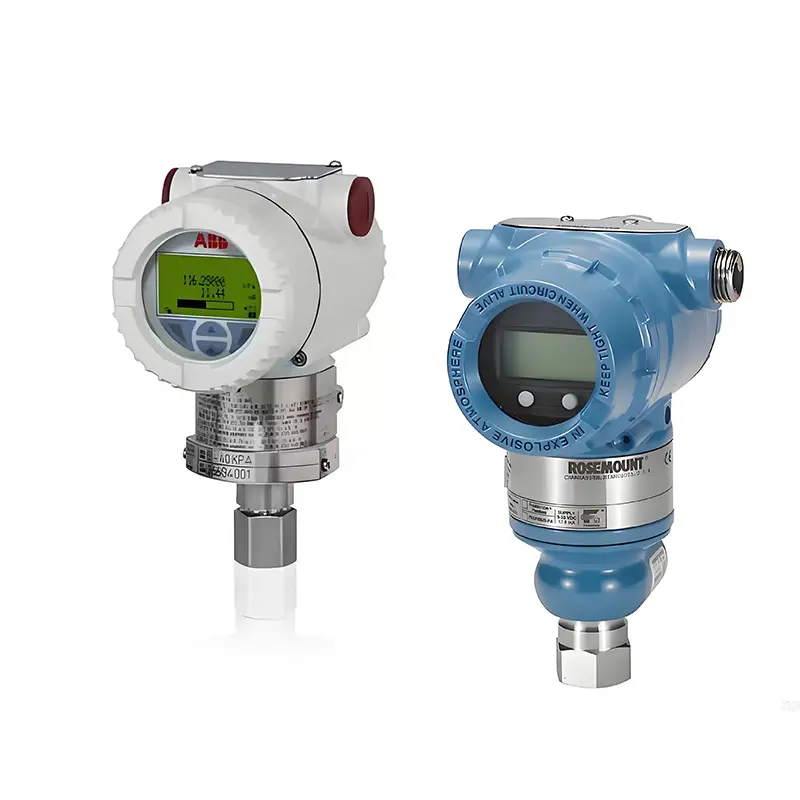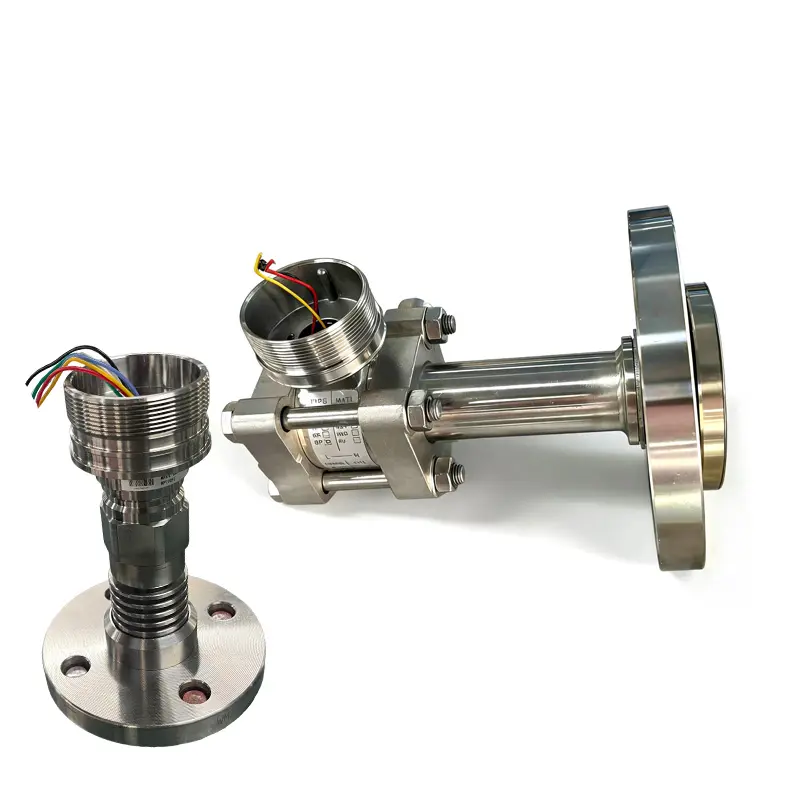
Pressure transmitter no output problems are usually caused by wiring faults, power supply issues, wrong input connection, damaged cables, or transmitter failure. Before replacing the transmitter, it is better to check the signal loop step by step.
A “no output” problem does not always mean the pressure transmitter is broken. In many cases, the transmitter has no power, the loop is open, polarity is reversed, or the PLC input is not configured correctly.
Check Power Supply and Wiring First
For a 2-wire pressure transmitter, the transmitter must be powered through the current loop. If the loop is open, the transmitter cannot output a signal. If polarity is wrong, many transmitters will not work.
Start with these checks:
- Is the power supply voltage correct?
- Is the transmitter receiving power?
- Are the positive and negative terminals connected correctly?
- Is the loop wiring complete?
- Are terminal screws loose or corroded?
- Is the cable damaged or broken?
These are the most common causes and should be checked before assuming internal failure.
Check the PLC or Display Input
Sometimes the transmitter is outputting a signal, but the receiving device is not reading it. This can happen when a 4–20 mA transmitter is connected to the wrong input type, the PLC channel is disabled, or signal scaling is not configured.
If a display meter is used, confirm whether it provides loop power or only receives signal. If both the transmitter and display are passive, the loop will not work without an external power supply.
Check Loop Load
A 4–20 mA loop has a maximum allowed load resistance. If the total resistance of PLC input, cable, isolator, display, or other devices is too high, the transmitter may not drive the loop properly.
This is more common when several devices are connected in series or when long cable runs are used.
When the Transmitter May Be Faulty
After wiring, power supply, input type, and loop load are confirmed, the transmitter itself may need checking. A damaged sensor, water ingress, overpressure, lightning surge, or internal electronics failure can cause no output.
Site conditions that can damage transmitters include high temperature, water entering the housing, wrong wiring voltage, corrosion, vibration, and pressure overload.
Conclusion
When a pressure transmitter has no output, first check power supply, wiring polarity, loop continuity, PLC input type, terminal condition, and loop load. Only after these points are confirmed should the transmitter itself be considered faulty.
SIY Electric can help troubleshoot pressure transmitter no output problems and recommend suitable replacement or wiring checks.