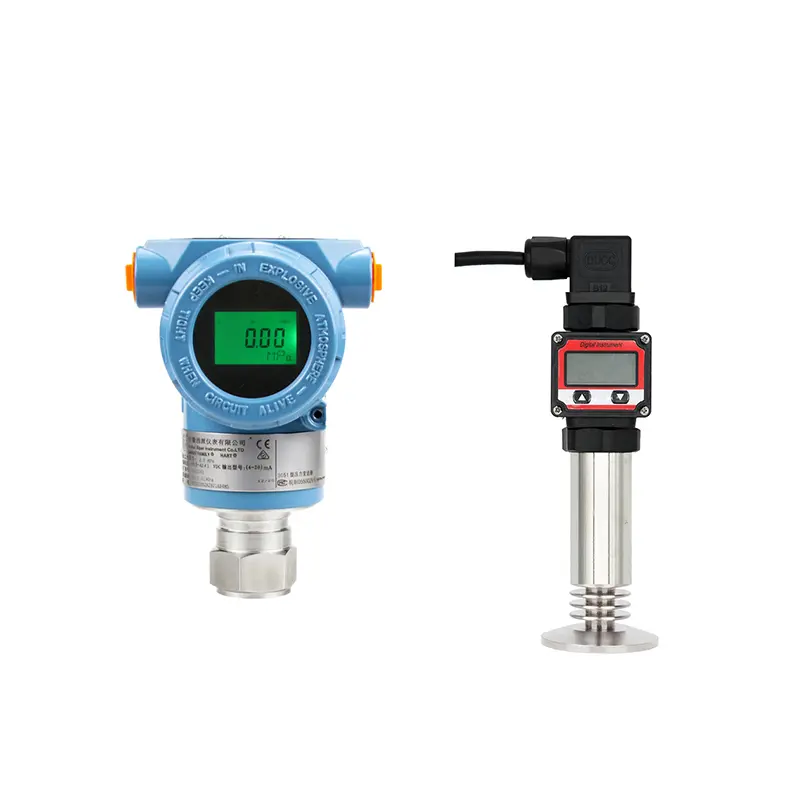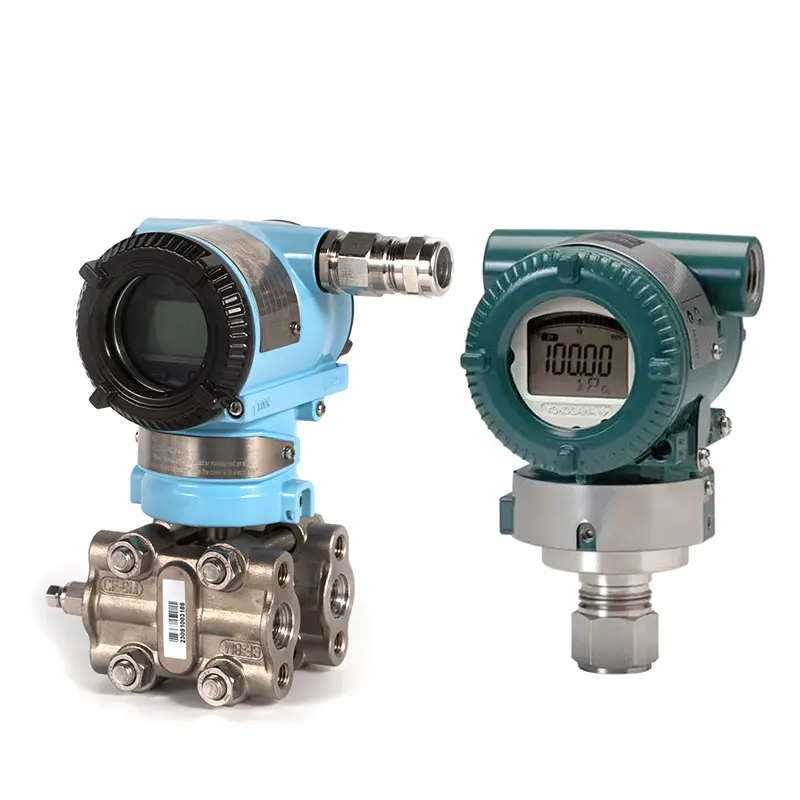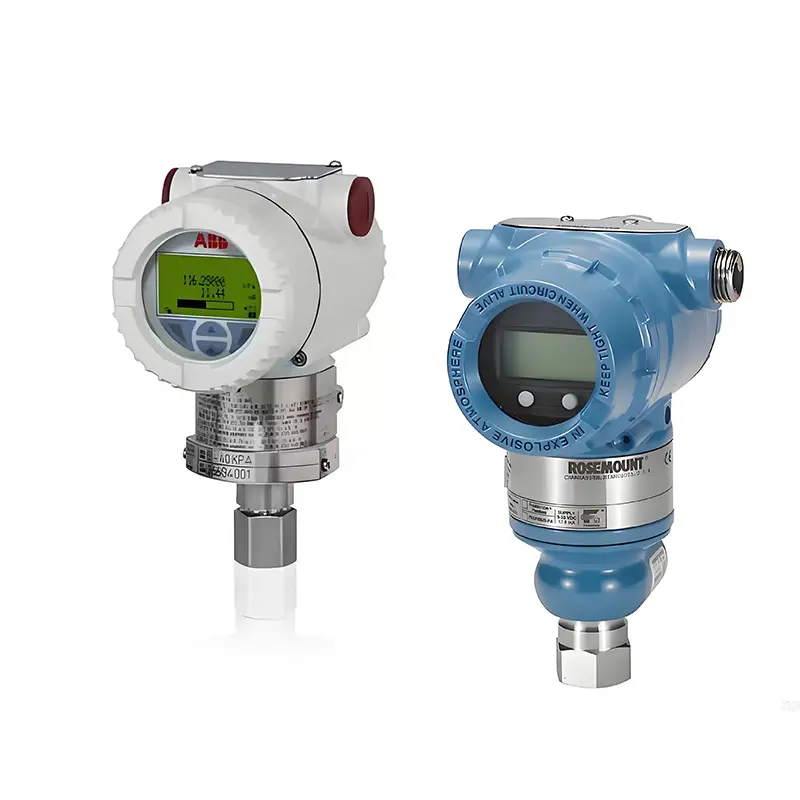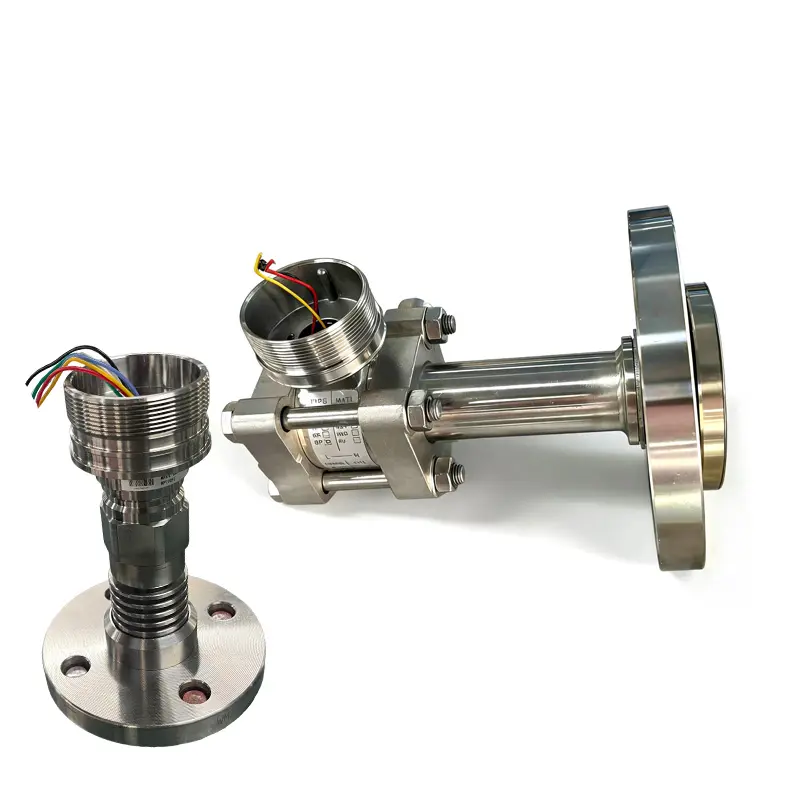
Diaphragm material for corrosive media should be selected according to the chemical type, concentration, temperature, and all wetted parts in the pressure transmitter connection. In corrosive applications, choosing the wrong diaphragm material can cause corrosion, leakage, unstable output, or early transmitter failure.
Many buyers only ask for “anti-corrosion diaphragm material,” but this is not enough. No single material can handle every corrosive liquid. Acid, alkali, chloride, fluoride, mixed wastewater, and high-temperature chemical liquids may require completely different material choices.
Start With the Medium
The first step is to identify the real medium condition. A general word like “acid” or “chemical liquid” is too vague for reliable selection. The supplier needs to know what the liquid is and how aggressive it is under the actual working temperature.
Before choosing diaphragm material, buyers should confirm:
- Chemical name and concentration
Material resistance changes greatly with concentration. - Working temperature
A material that works at room temperature may fail at higher temperature. - pH value and special ions
Chloride, fluoride, sulfur compounds, or mixed ions may change the selection. - Clean or dirty liquid
Solids, crystals, or sludge may require a different diaphragm structure, not only a different material.
Common Diaphragm Material Options
316L stainless steel is common for water, air, oil, and many mild liquids. It is economical and widely used, but it should not be assumed suitable for strong corrosion.
Hastelloy C276 is often considered when 316L is not enough, especially in many chemical applications. Tantalum can be suitable for some strong acid conditions, but it is not suitable for alkali and should not be selected blindly. Monel may be used for certain special chemical services, depending on the actual medium. PTFE lining is often used when metal wetted parts need broader chemical isolation.
For hydrogen service, gold-plated diaphragms may be used to help reduce hydrogen permeation risks.
Do Not Check the Diaphragm Alone
In real applications, the diaphragm is not always the only wetted part. The process connection, flange face, gasket, seal ring, and lining may also contact the medium. If only the diaphragm is corrosion-resistant but the flange or gasket is not, the transmitter may still fail.
This is especially important for diaphragm seal pressure transmitters, where flange material and sealing structure are part of the final selection.
Conclusion
Choosing diaphragm material for corrosive media is not about choosing the most expensive material. It is about matching the real medium, temperature, concentration, and wetted structure. Buyers should provide detailed medium information before quotation.
SIY Electric can help compare 316L, Hastelloy, tantalum, Monel, titanium, PTFE-lined structures, and other diaphragm options for corrosive pressure measurement applications.