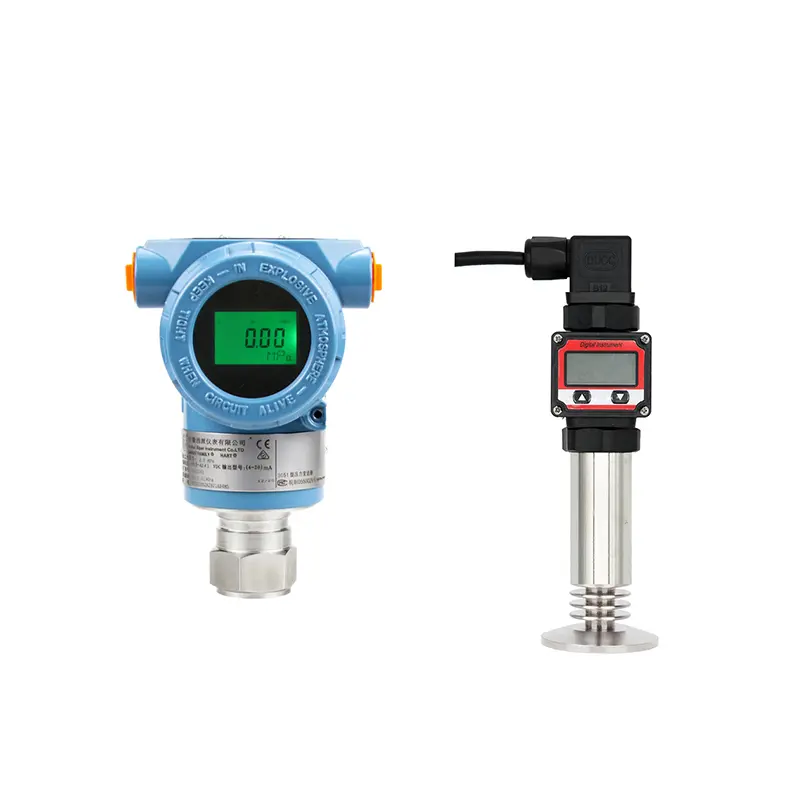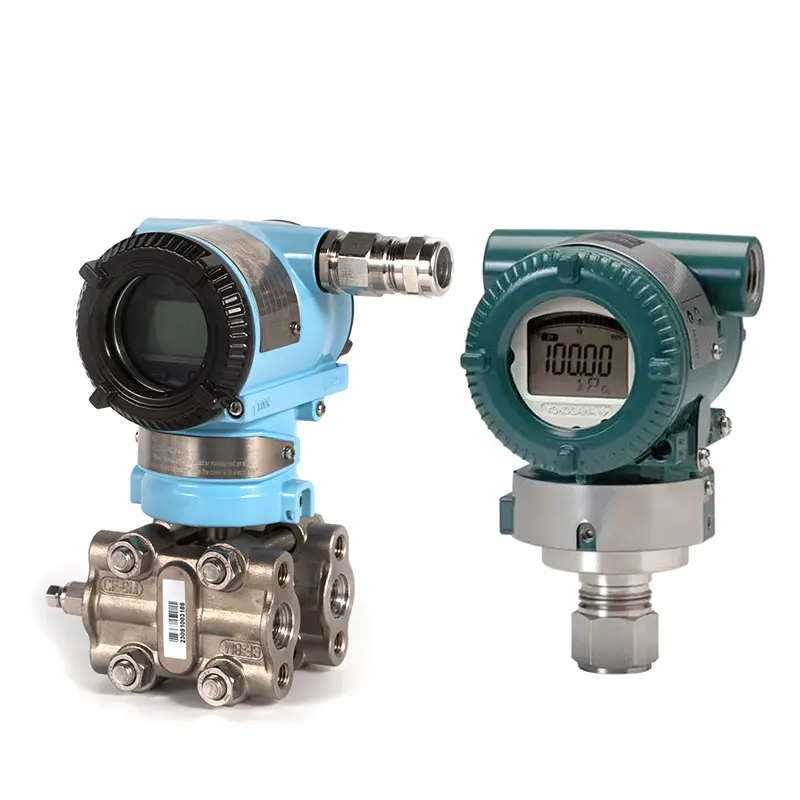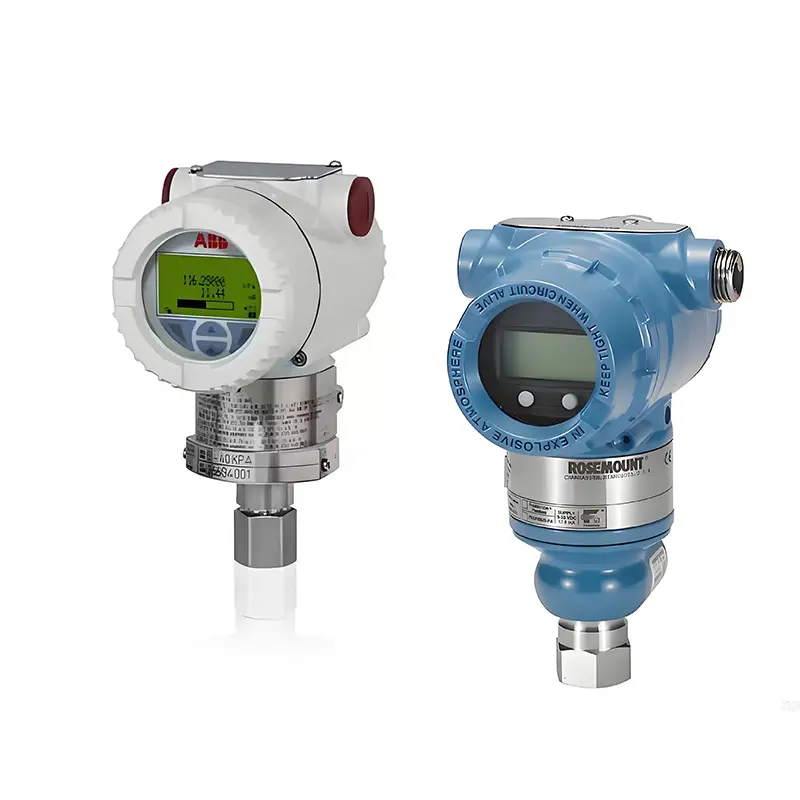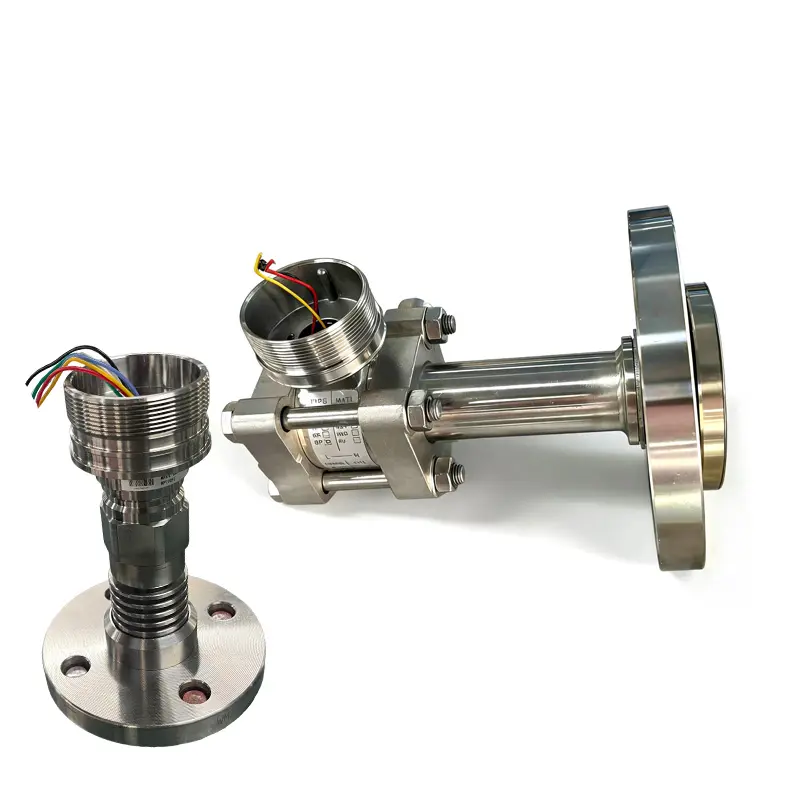
Pressure transmitter wetted materials should be chosen by checking the medium, corrosion risk, temperature, connection structure, and which parts actually contact the process. Materials such as 316L, Hastelloy, tantalum, and PTFE are common in transmitter selection, but they are not interchangeable.
A common mistake is asking which material is “best.” The better question is which material is suitable for the actual medium and working condition.
316L Stainless Steel
316L is the most common wetted material for general applications. It is often suitable for clean water, air, oil, and many mild industrial liquids. It is economical, available, and easy to use in standard pressure transmitter configurations.
However, 316L is not a universal anti-corrosion material. If the medium contains strong acid, strong alkali, high chloride content, or aggressive chemical components, the supplier should check whether 316L is still acceptable.
Hastelloy
Hastelloy, especially Hastelloy C276, is often used when stainless steel is not enough. It has better corrosion resistance in many chemical applications and is common for diaphragm material upgrades.
But Hastelloy should still be selected according to the exact medium. It is stronger than 316L in many cases, but it does not automatically solve every corrosion problem.
Tantalum
Tantalum is used in some strong acid applications. It is often chosen when the medium is highly corrosive to stainless steel and other alloys. However, tantalum is not suitable for all media. It is not a good choice for alkaline service.
Buyers should avoid selecting tantalum only because it is expensive. Expensive does not always mean compatible.
PTFE Lining
PTFE lining is useful when the medium is aggressive and metal wetted surfaces need isolation. It can be a practical choice for many chemical liquid applications, especially when flange surfaces and other wetted areas also need protection.
However, PTFE lining has its own limits. Temperature, pressure, vacuum, mechanical strength, and installation conditions must be checked. It is not only a material decision, but also a structure decision.
Compare by Wetted System
For corrosive service, do not compare only the diaphragm material. Check the whole wetted system:
- Diaphragm
- Process connection
- Flange face
- Gasket or seal ring
- Lining or coating
- Cleaning or flushing chemicals
This gives a much more reliable selection than only choosing one diaphragm alloy.
Conclusion
316L, Hastelloy, tantalum, and PTFE all have suitable applications, but none of them is suitable for every medium. Pressure transmitter wetted materials should be selected based on chemical compatibility, temperature, wetted structure, and installation condition.
SIY Electric can help buyers choose suitable wetted materials for standard, corrosive, chemical, and diaphragm seal pressure transmitter applications.