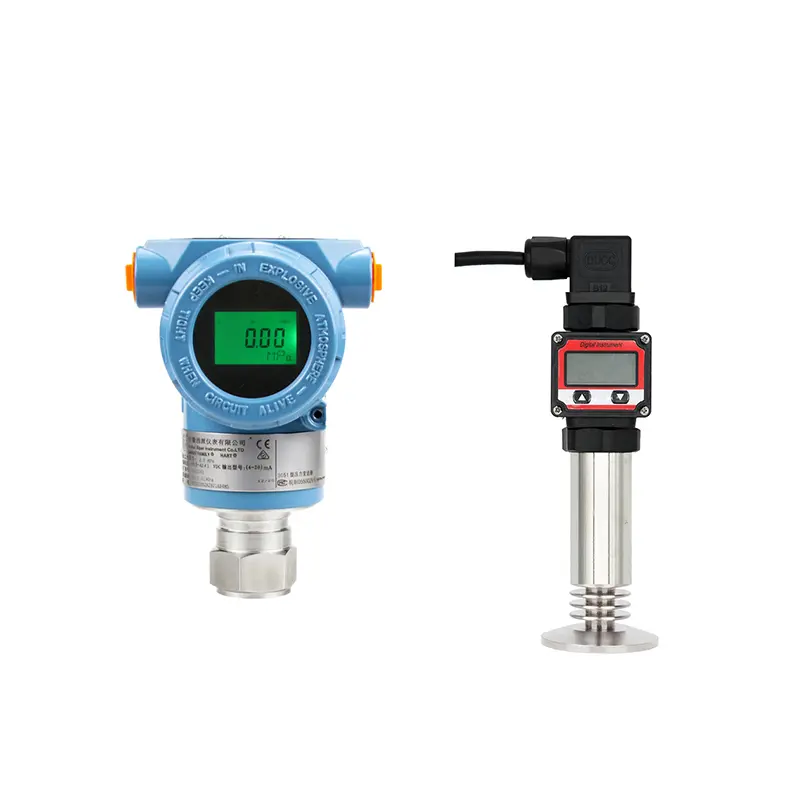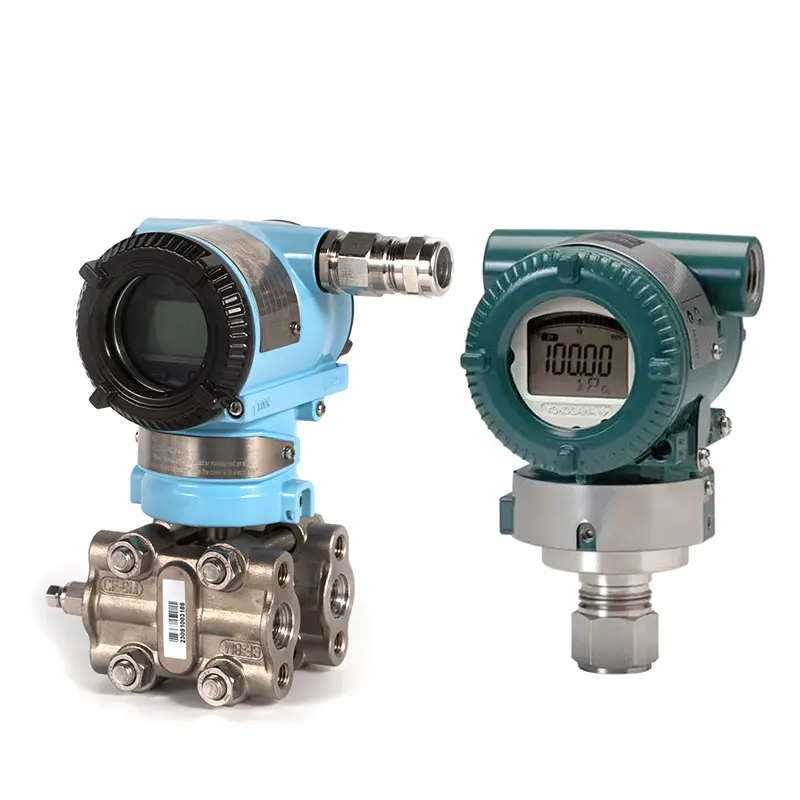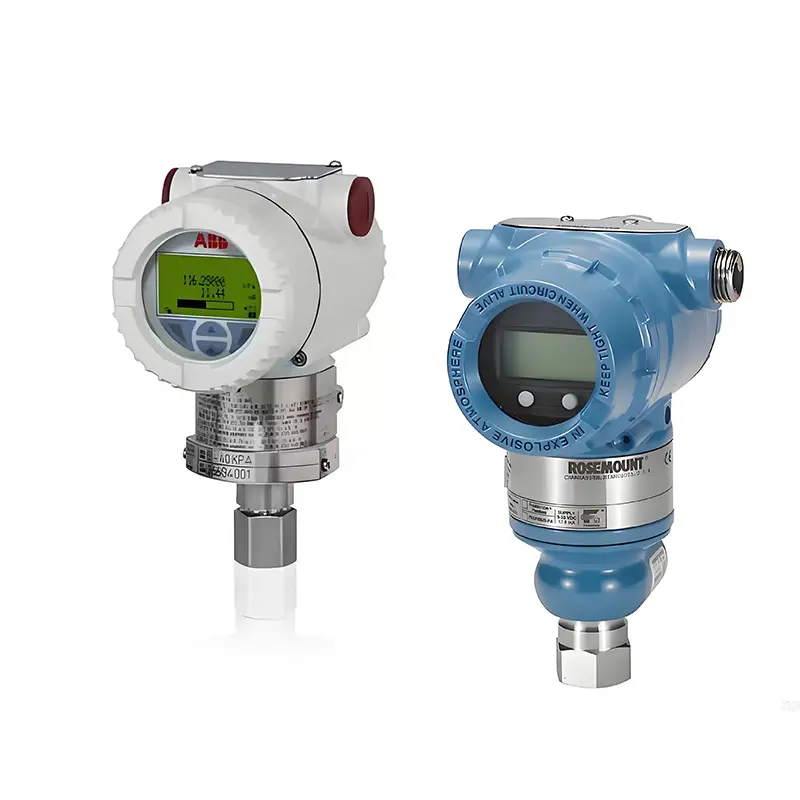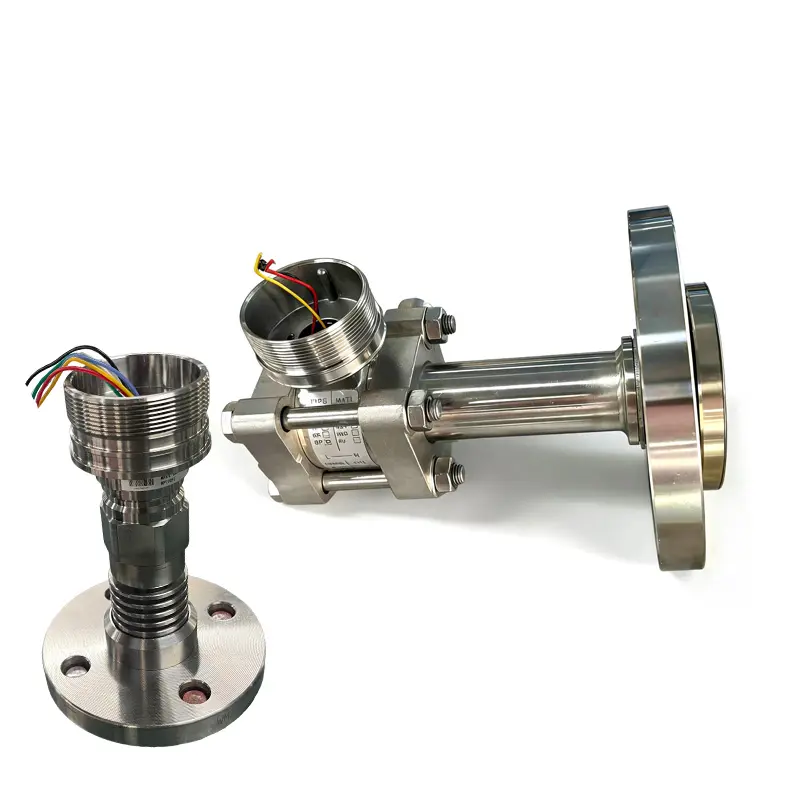
Pressure transmitter accuracy should be chosen according to the application purpose, control requirement, process stability, and budget. Higher accuracy is not always necessary. In many industrial applications, a standard accuracy transmitter is enough. In other applications, poor accuracy selection may affect control, calculation, or product quality.
Accuracy affects price, but it should not be selected only by price. It should match how the pressure value will be used.
When Standard Accuracy Is Enough
For many general pressure monitoring points, standard accuracy is practical and economical. If the pressure value is mainly used for observation, alarm, or basic equipment protection, very high accuracy may not bring much benefit.
Standard accuracy is often enough for:
- General pipeline pressure monitoring
- Pump outlet pressure indication
- Compressed air systems
- Water supply systems
- Simple tank or vessel pressure monitoring
In these cases, correct range, material, connection, and installation may matter more than choosing a very high accuracy grade.
When Higher Accuracy Matters
Higher accuracy becomes important when pressure is used for process control, calculation, or measurement that affects product quality. It may also be needed when the pressure range is small and small changes are meaningful.
Higher accuracy may be more useful for:
- Process control loops
- Differential pressure flow measurement
- DP level measurement
- Custody or process calculation points
- Applications where small pressure changes affect decisions
For these cases, buyers should also check stability, temperature influence, installation condition, and calibration method. High accuracy on paper does not solve poor installation.
Accuracy Is Not the Only Performance Factor
A pressure transmitter with high accuracy can still perform poorly if the application is wrong. For example, a transmitter may have good accuracy but fail early because the material is not suitable for the medium. It may also show unstable output if installed near strong vibration or pressure pulsation.
Accuracy should be considered together with range, temperature, medium, mounting position, and signal requirement.
Conclusion
Pressure transmitter accuracy should match the real purpose of the measurement. Standard accuracy is usually enough for general monitoring, while higher accuracy is useful for control, flow, level, and critical process measurement.
SIY Electric can help buyers select suitable pressure transmitter accuracy based on application, range, control requirement, and budget.