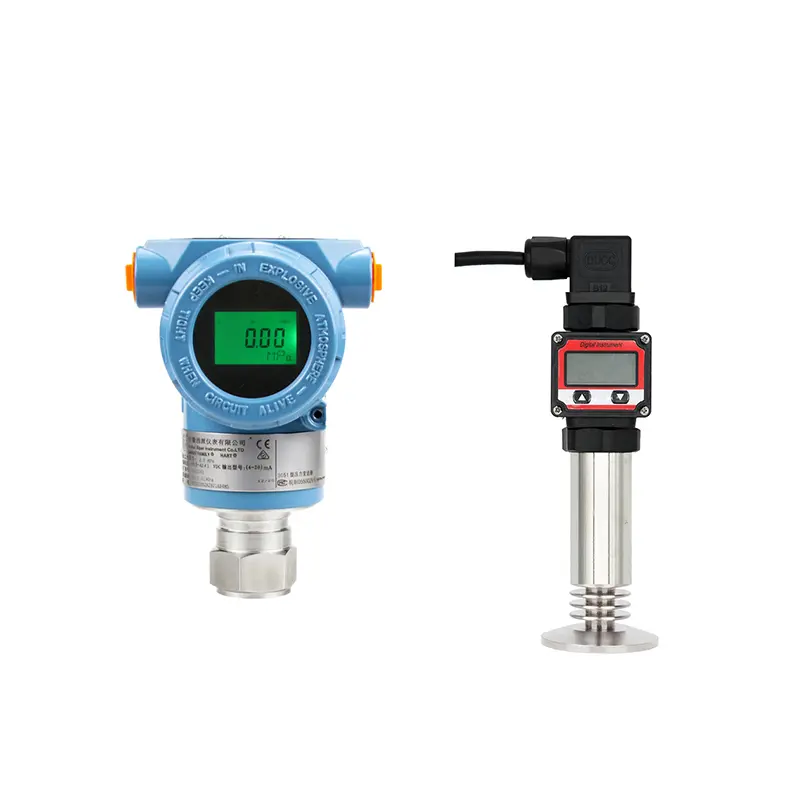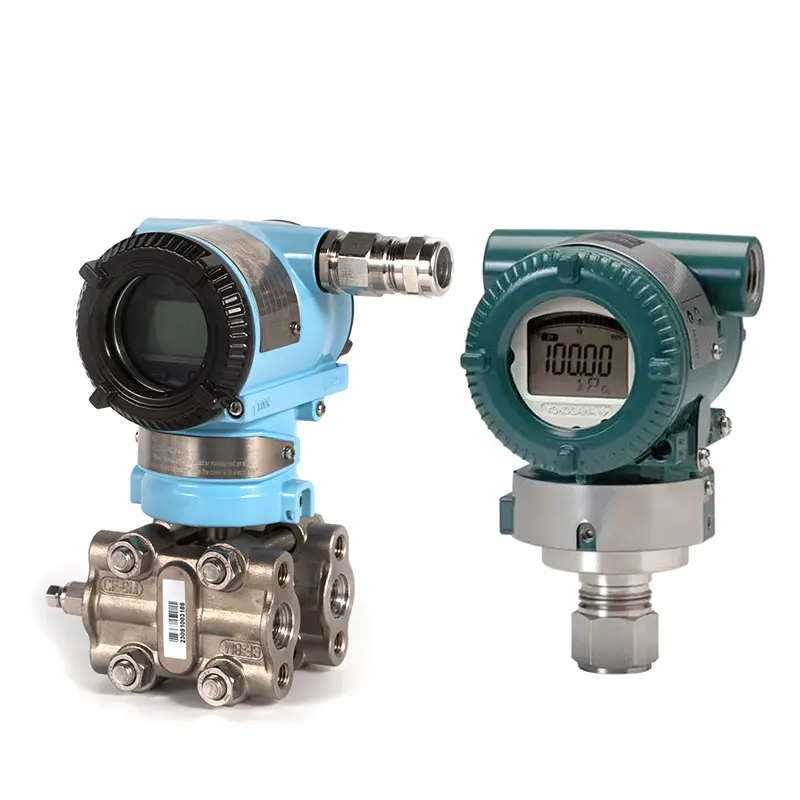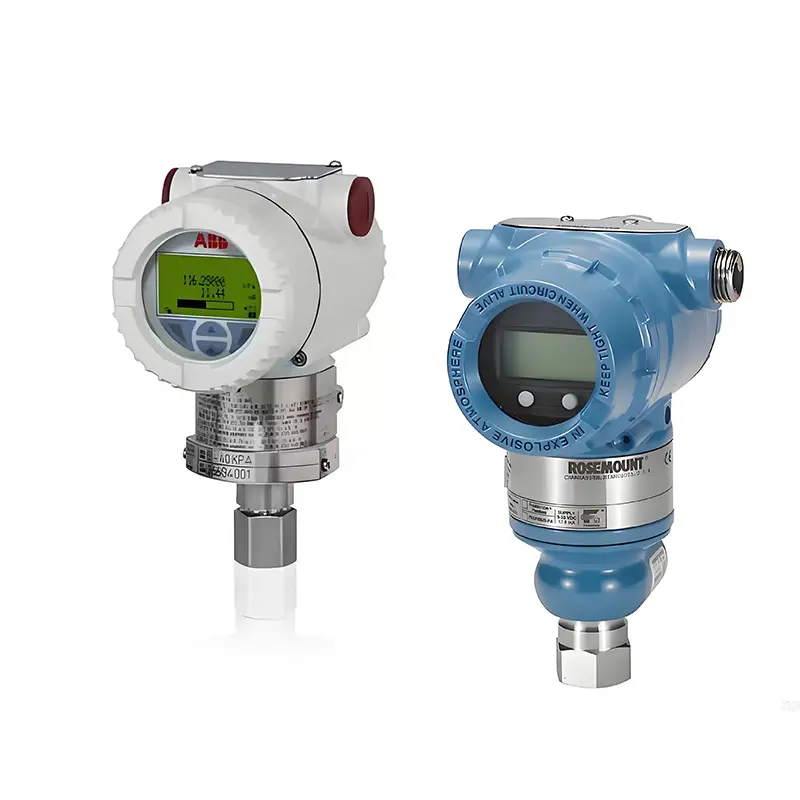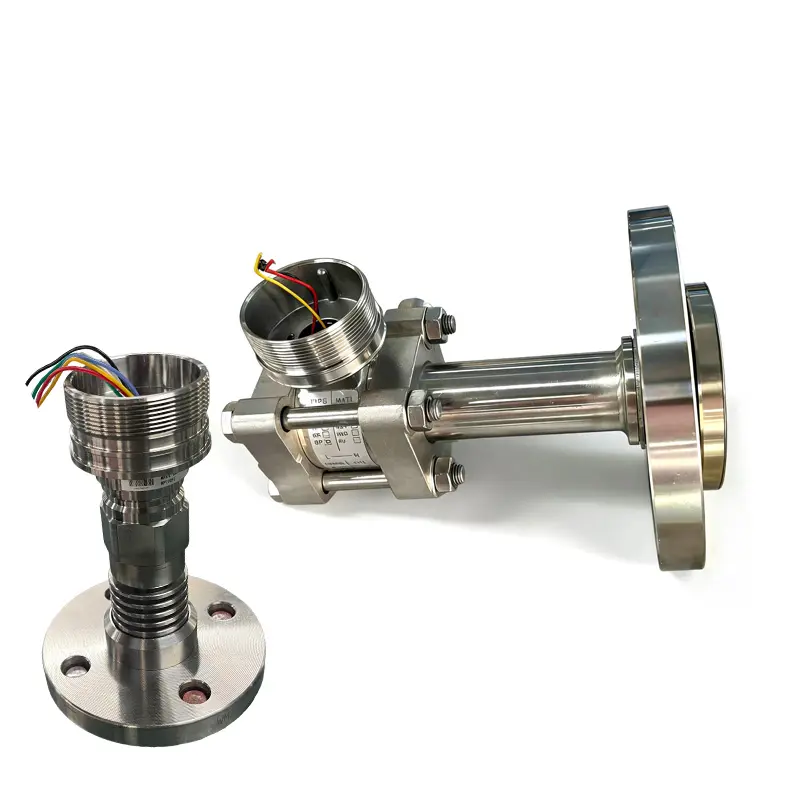
Gauge, absolute and differential pressure transmitters should be chosen according to the pressure reference required by the process. These three types may look similar from the outside, but they do not measure pressure in the same way. Choosing the wrong pressure type can lead to incorrect readings or unsuitable replacement.
This is especially important when buyers replace an old transmitter or provide only a range without pressure type.
Gauge Pressure Transmitter
A gauge pressure transmitter measures pressure relative to atmospheric pressure. It is the most common type for general industrial applications.
It is commonly used for pipeline pressure, pump outlet pressure, air compressor pressure, water systems, hydraulic systems, and many tank or vessel pressure points.
If the process is open to atmosphere or only needs pressure compared with local atmospheric pressure, gauge pressure is usually suitable.
Absolute Pressure Transmitter
An absolute pressure transmitter measures pressure relative to absolute vacuum. It is used when atmospheric pressure changes cannot be ignored.
Absolute pressure is often used in vacuum systems, sealed vessels, gas measurement, and some process calculations. It should not be replaced by a gauge transmitter just because the range looks similar.
For example, absolute pressure and gauge pressure may show different values under the same physical condition because their reference points are different.
Differential Pressure Transmitter
A differential pressure transmitter measures the difference between two pressure points. It has a high-pressure side and a low-pressure side.
It is commonly used for:
- Flow measurement with orifice plates or other primary elements
- Filter clogging monitoring
- Tank level measurement
- Pressure drop across equipment
- Closed tank level measurement with top pressure compensation
Differential pressure transmitters require correct high-side and low-side installation. They should not be selected as a simple replacement for single-point pressure measurement unless the application really needs DP.
How to Avoid Selection Mistakes
When requesting a quotation or replacement, buyers should not only provide the range. The pressure type should be stated clearly.
Instead of saying “0–10 bar transmitter,” it is better to provide:
- 0–10 bar gauge pressure
- 0–10 bar absolute pressure
- 0–10 bar differential pressure
- Vacuum or compound range, if applicable
This avoids misunderstanding and wrong model selection.
Conclusion
Gauge, absolute and differential pressure transmitters are selected according to pressure reference. Gauge pressure is common for general industrial use. Absolute pressure is used when vacuum reference matters. Differential pressure is used when comparing two pressure points.
SIY Electric can help buyers confirm the correct pressure type before selection or replacement.