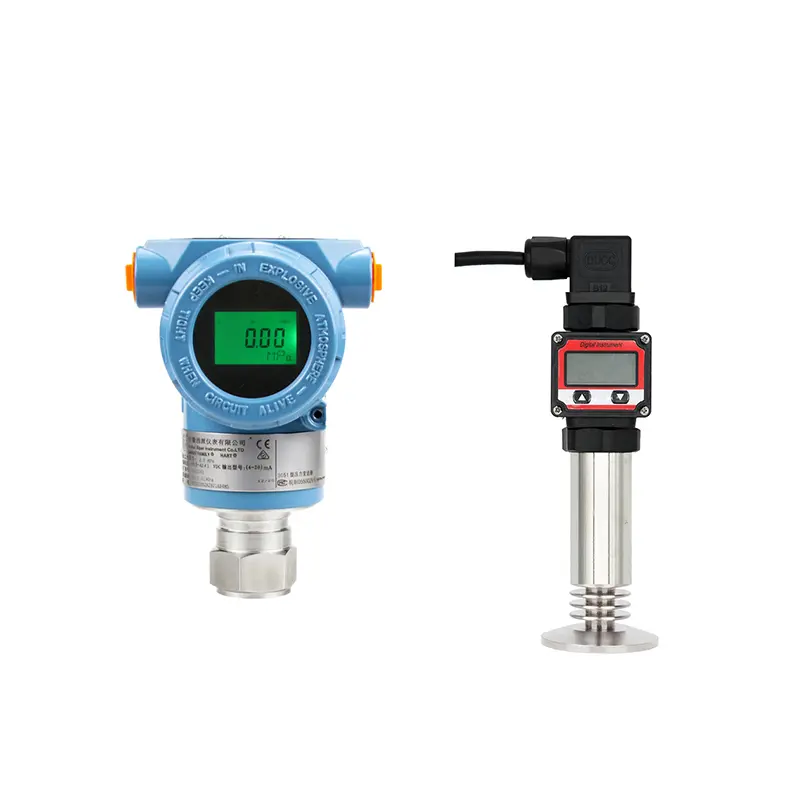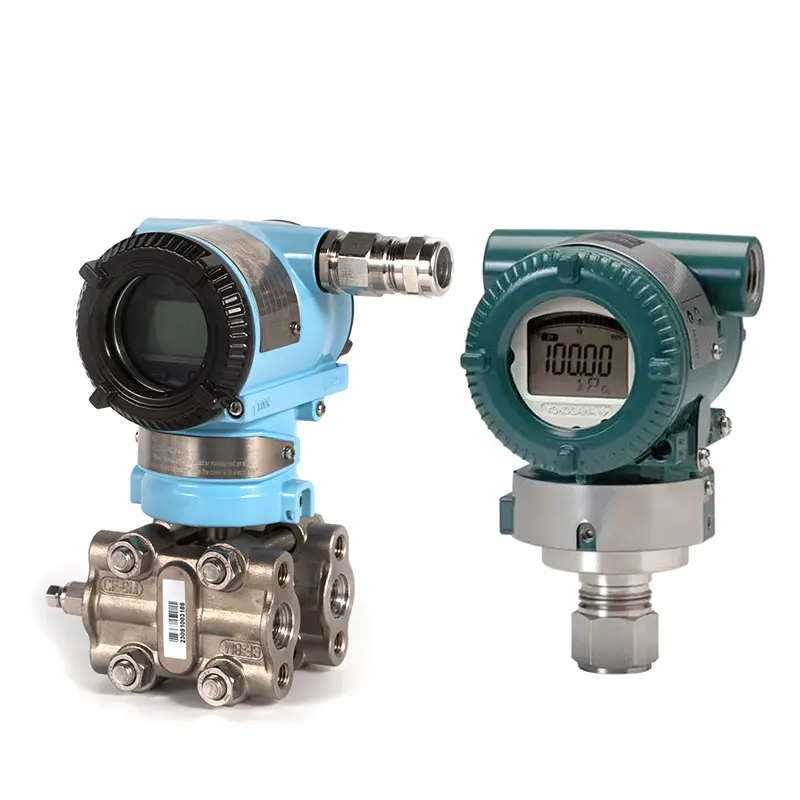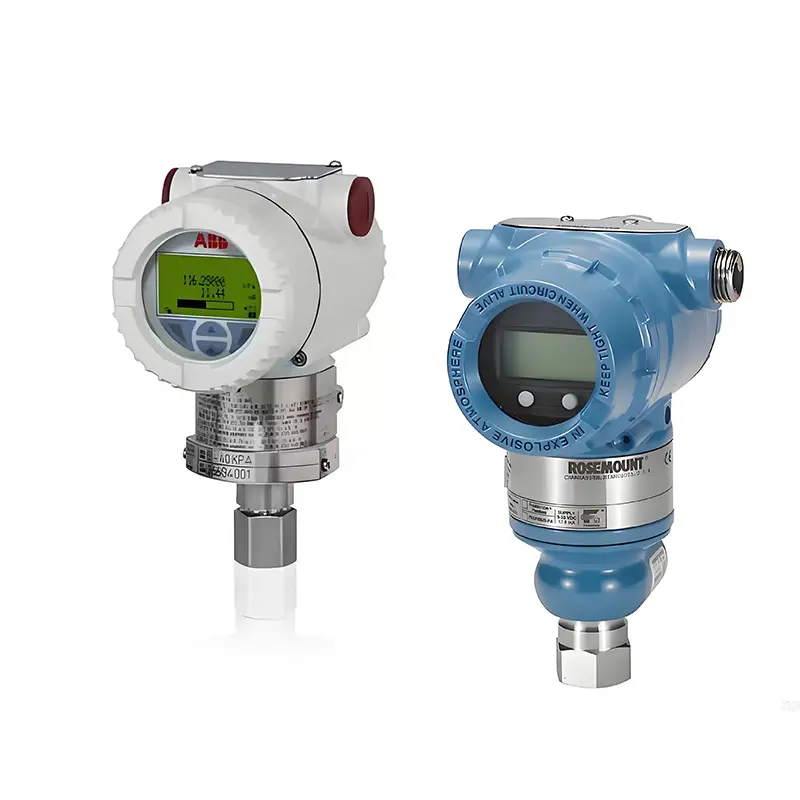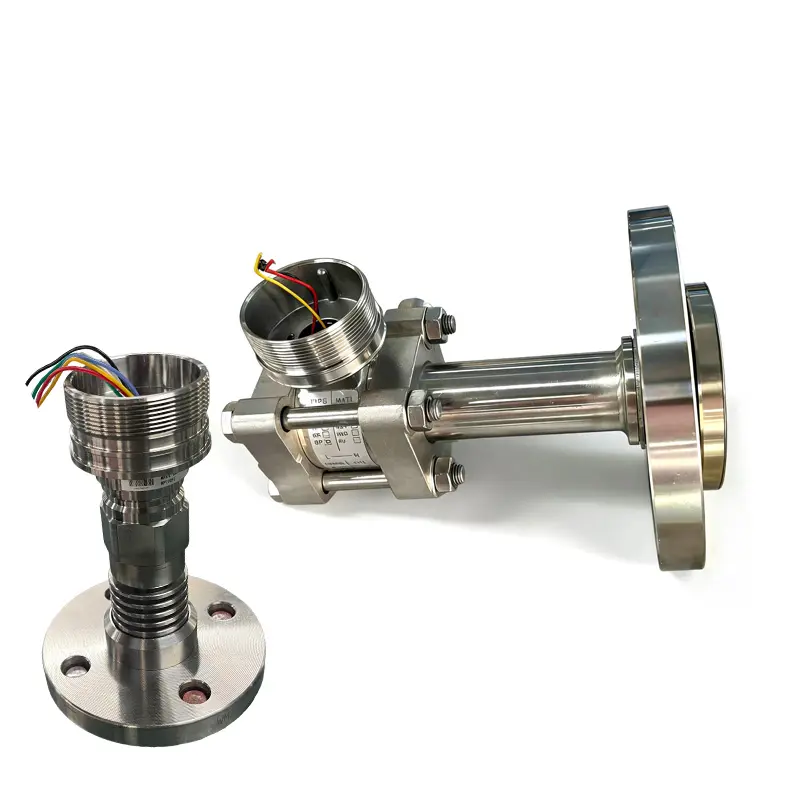
Pressure transmitter selection based on process conditions should start with medium, temperature, working pressure, range, process connection, and output signal. These are the details that decide whether a transmitter can actually work on site.
Many buyers begin by asking for a brand, accuracy, or price. Those details matter, but they should come after the basic process conditions are clear. A transmitter with the wrong material or connection will not become suitable just because it has good accuracy or a lower price.
Medium Comes First
The medium affects material and structure. Clean water, air, and oil are usually easier to measure. Corrosive liquids, steam, slurry, viscous media, and crystallizing liquids need more careful selection.
If the medium is corrosive, the diaphragm, process connection, gasket, and flange material may need to be checked together. If the medium is sticky or dirty, a standard threaded pressure port may block, and a flush diaphragm or diaphragm seal structure may be better.
Temperature Changes the Structure
Temperature is not only a number in the datasheet. High process temperature may damage the sensor or electronics if the transmitter is mounted directly. Steam, hot oil, and thermal fluid may require a siphon tube, cooling element, impulse line, diaphragm seal, or capillary seal.
For normal-temperature applications, direct installation is usually simpler. For high-temperature or unstable environments, protection should be considered before ordering.
Pressure, Range and Connection
Working pressure and measuring range should be selected together. The range should cover normal pressure and maximum pressure, with enough margin for fluctuation or pressure spikes.
The process connection must also match the site. Threaded connections are common for clean applications. Flange, Tri-Clamp, flush diaphragm, or diaphragm seal connections are used when the medium or installation requires them.
Output Signal and Site Requirements
After the process side is clear, buyers can confirm output signal, display, accuracy, housing, explosion-proof approval, and documents. Most industrial systems use 4–20 mA, and HART may be required for smart configuration.
These options should support the application, not replace proper process selection.
Conclusion
Pressure transmitter selection based on process conditions should focus first on medium, temperature, pressure, range, connection, and output. These details determine the correct structure, material, and final quotation.
SIY Electric can help buyers select pressure transmitters according to real working conditions instead of only model names or price.