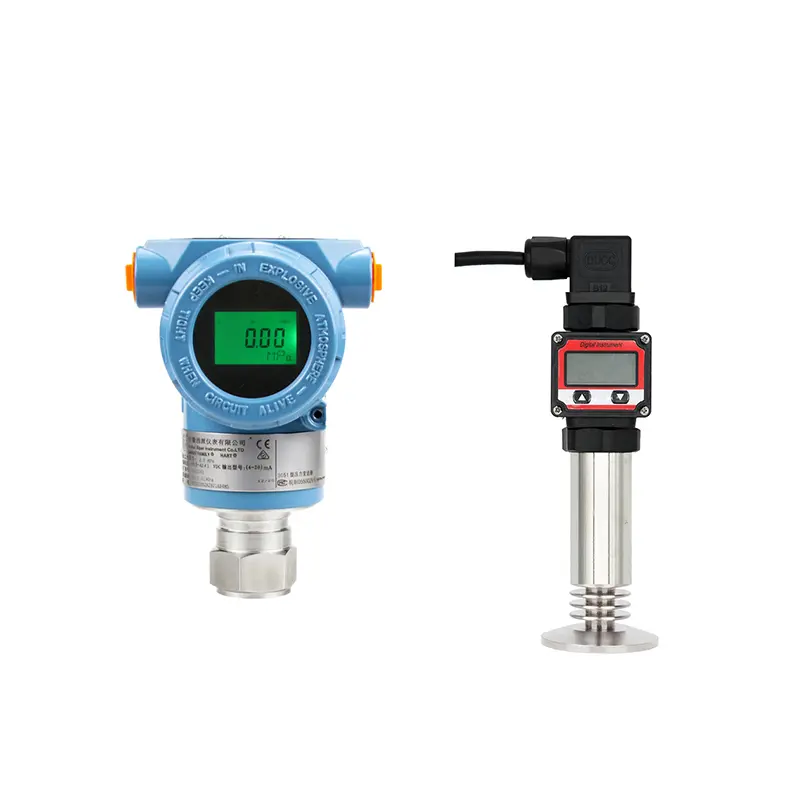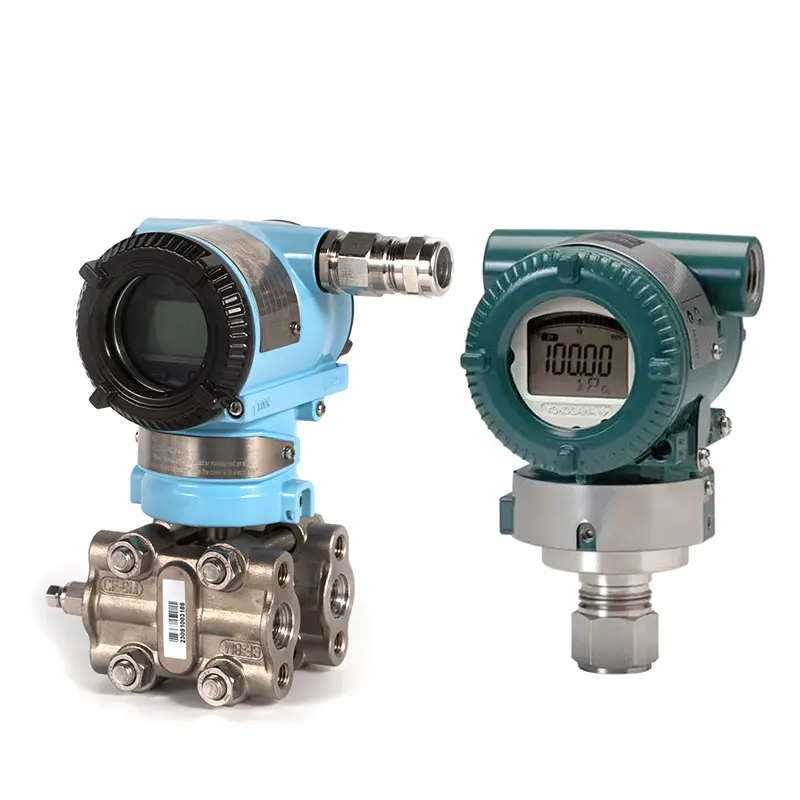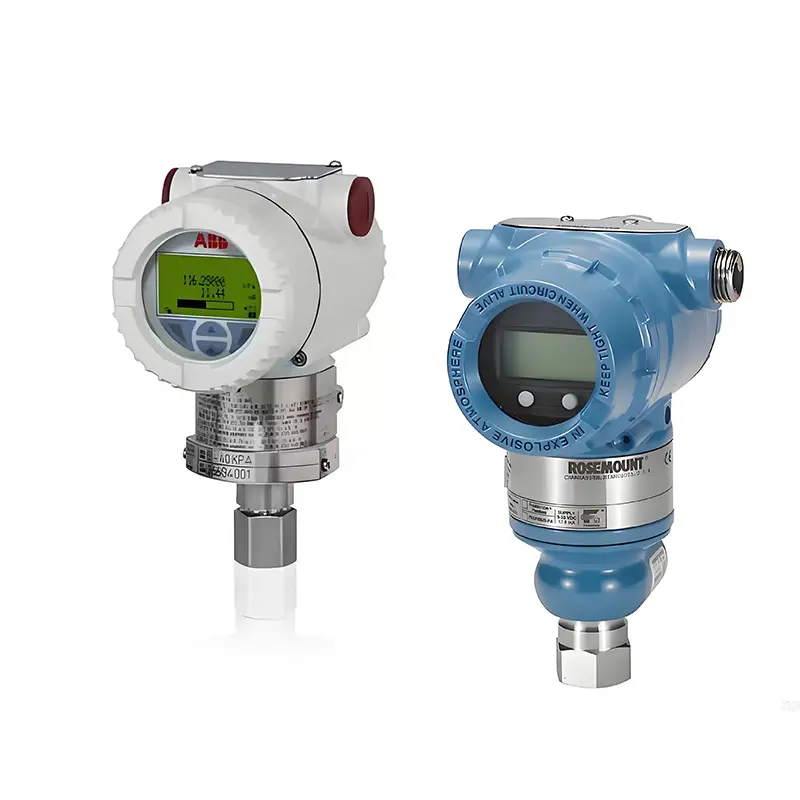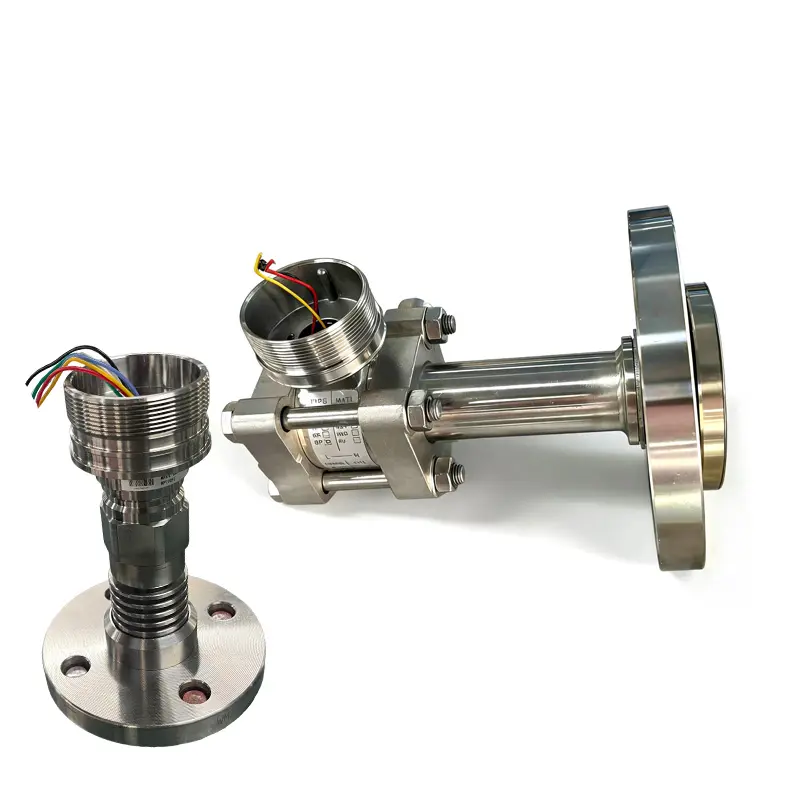
A smart pressure transmitter is useful when the application needs HART communication, local configuration, diagnostics, range adjustment, or better integration with control systems. It is more than a basic analog transmitter, but it is not necessary for every pressure point.
For simple pressure monitoring, a standard 4–20 mA transmitter may be enough. A smart pressure transmitter becomes more valuable when configuration, maintenance, diagnostics, or communication matters.
What Makes a Transmitter Smart?
A smart pressure transmitter usually provides a standard 4–20 mA signal and digital communication such as HART. The analog signal is used for control, while the digital communication can be used for configuration, diagnostics, and device information.
Smart functions may include range setting, damping adjustment, zero calibration, unit configuration, device status, and diagnostic information. Some smart transmitters also include local display and buttons for field setup.
When Smart Type Is Worth Using
A smart pressure transmitter is usually worth considering when the measuring point is important for process control, maintenance, or project documentation.
It is useful when:
- The plant uses HART communication.
- Operators need easier configuration.
- Range adjustment may be required during commissioning.
- Diagnostics help maintenance teams.
- The transmitter is used in a critical control loop.
- The project requires smart instrument documentation.
For large plants, smart transmitters can make commissioning and maintenance easier.
When Standard 4–20 mA Is Enough
Not every point needs smart communication. If the application is simple, the range is fixed, and the pressure value only needs to be sent to a PLC or display, a standard 4–20 mA transmitter may be more economical.
For basic water, air, pump pressure, and general monitoring, smart functions may not add much value unless the plant standard requires them.
Conclusion
A smart pressure transmitter is useful when communication, configuration, diagnostics, and control system integration are important. For simple monitoring, a standard 4–20 mA transmitter may be enough.
SIY Electric can help buyers choose between standard and smart pressure transmitters according to control system, application importance, communication needs, and budget.