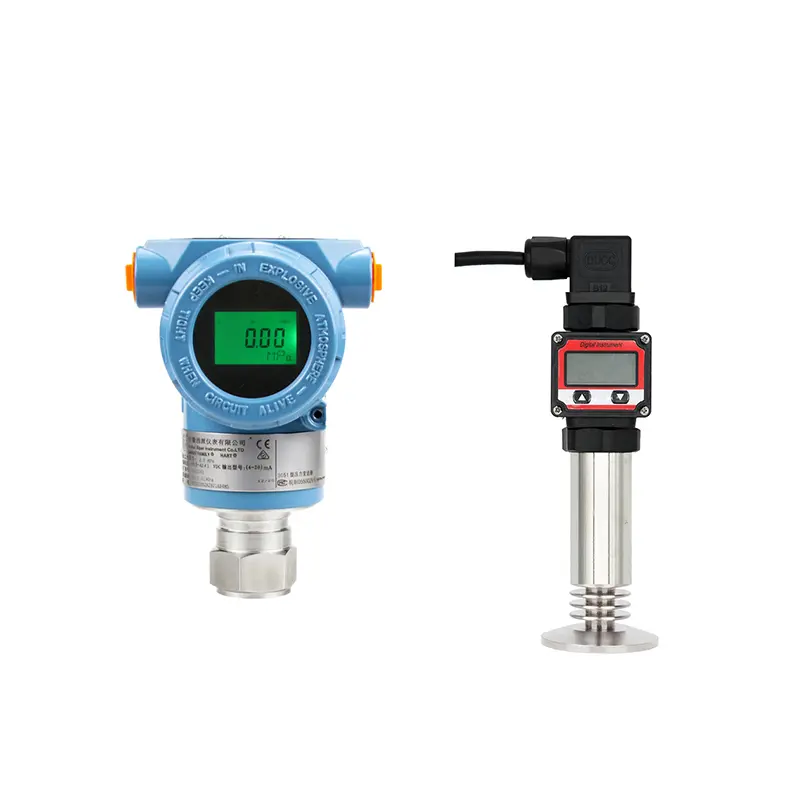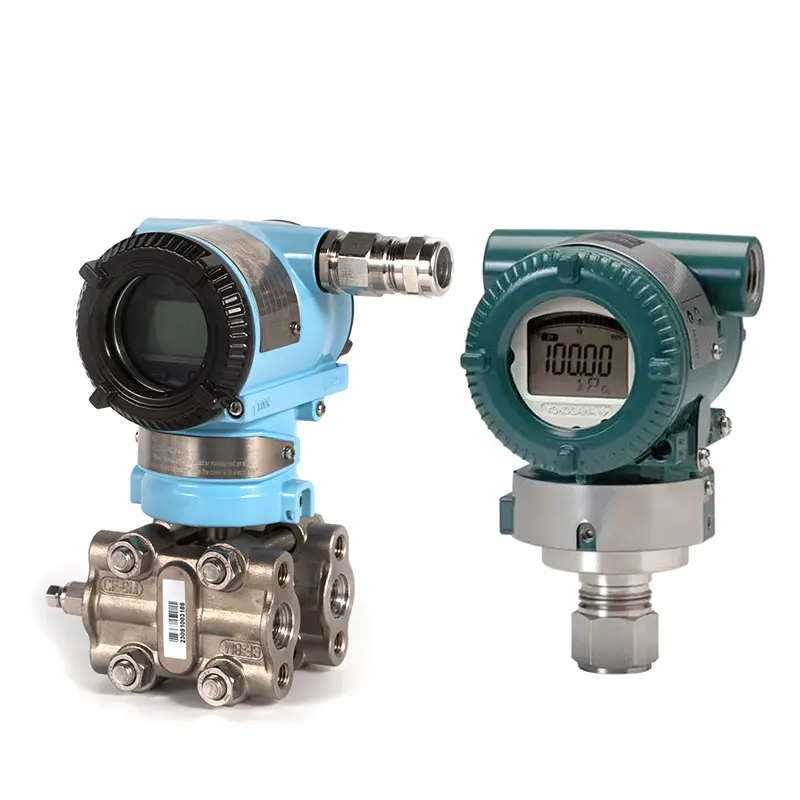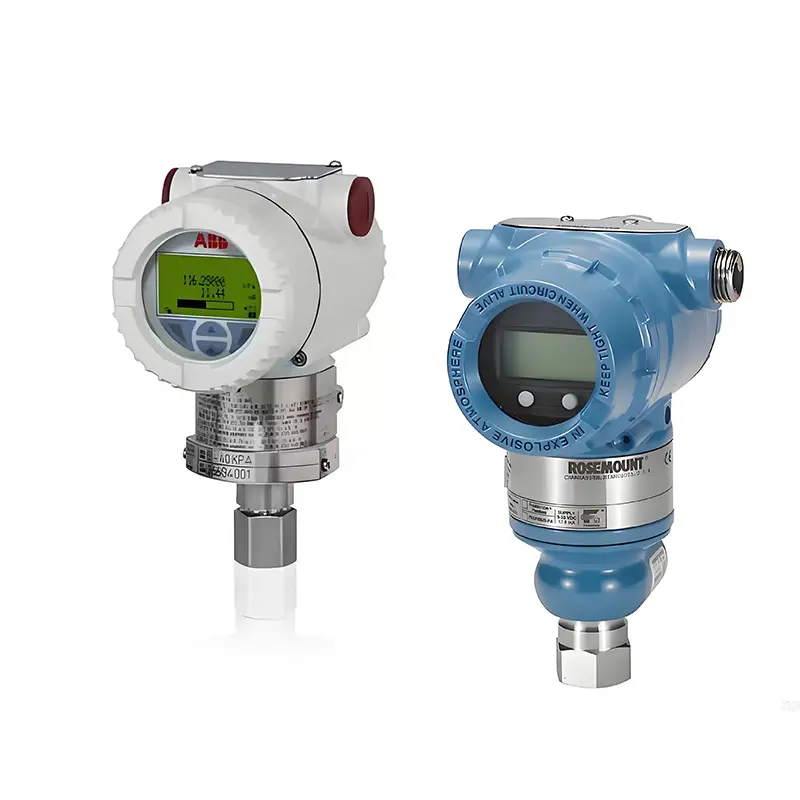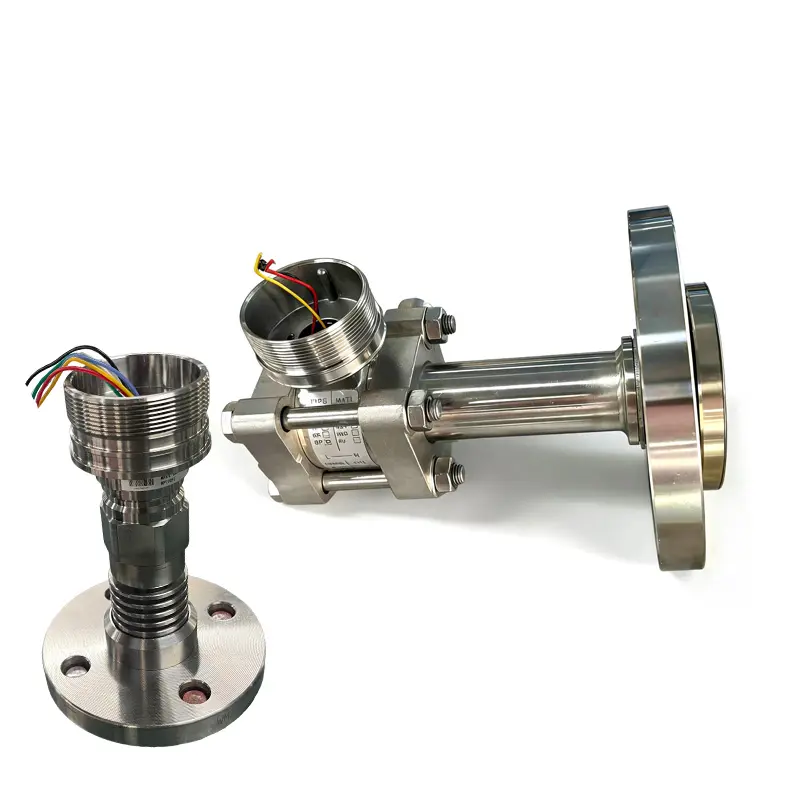
Pressure transducer vs pressure transmitter is a common comparison when buyers are not sure whether they need a sensing device or a complete industrial pressure measuring instrument. In many cases, these two terms are used interchangeably in the market, but they are not always the same in real engineering selection.
A pressure transducer usually converts pressure into an electrical signal. A pressure transmitter normally goes further. It senses pressure, processes the signal, compensates it, and outputs a standard industrial signal such as 4–20 mA, HART, RS485, or voltage output.
For buyers, the difference matters because it affects wiring, signal compatibility, installation, price, and long-term maintenance.
What Is a Pressure Transducer?
A pressure transducer is usually a device that converts pressure into an electrical output. It may be used in machines, test equipment, hydraulic systems, compressors, and OEM devices. Some transducers are compact and designed for direct integration into equipment.
A pressure transducer is often suitable when the equipment already has its own signal processing system, or when the output signal only needs to be sent to a controller inside the machine.
It is commonly used when:
- The installation space is limited.
- The device is mounted inside equipment.
- The signal is processed by the machine controller.
- Local display is not required.
- The application is relatively standard and controlled.
In many OEM applications, a transducer can be enough because the equipment manufacturer controls the whole system design.
What Is a Pressure Transmitter?
A pressure transmitter is usually a more complete industrial instrument. It is designed to provide a stable and standardized output for industrial control systems. It often has stronger housing, better wiring structure, optional display, configuration functions, and industrial signal output.
A pressure transmitter is usually preferred when:
- The signal needs to connect to PLC or DCS.
- The instrument is installed in the field.
- Long cable transmission is required.
- Operators need local display or maintenance access.
- The application needs 4–20 mA or HART output.
- The site environment is wet, dusty, hot, or industrial.
In process plants, pressure transmitters are more common because they are easier to integrate into automation systems.
Main Difference for Buyers
The practical difference is not only the product name. The real question is how the pressure signal will be used.
A pressure transducer may provide a voltage, millivolt, or other electrical output. A pressure transmitter usually provides a conditioned industrial signal. That means the transmitter output is easier for PLC, DCS, recorders, and display instruments to receive.
If the buyer only needs a compact sensing component for a machine, a pressure transducer may be suitable. If the buyer needs a field instrument for industrial pressure monitoring, a pressure transmitter is usually safer.
Which One Should You Choose?
Choose a pressure transducer when the application is inside equipment, the controller can handle the signal, and the environment is not too harsh.
Choose a pressure transmitter when the application needs standard signal output, stronger housing, local display, easier maintenance, or direct PLC/DCS integration.
The decision should not be made only by price. A lower-cost transducer may become expensive later if it does not match the control system or site environment.
Conclusion
Pressure transducer vs pressure transmitter selection depends on signal output, installation environment, control system, and maintenance needs. A transducer is usually better for compact equipment integration. A transmitter is usually better for industrial field measurement and standard automation systems.
SIY Electric can help buyers compare pressure transducers and pressure transmitters according to output signal, pressure range, process connection, and application conditions.