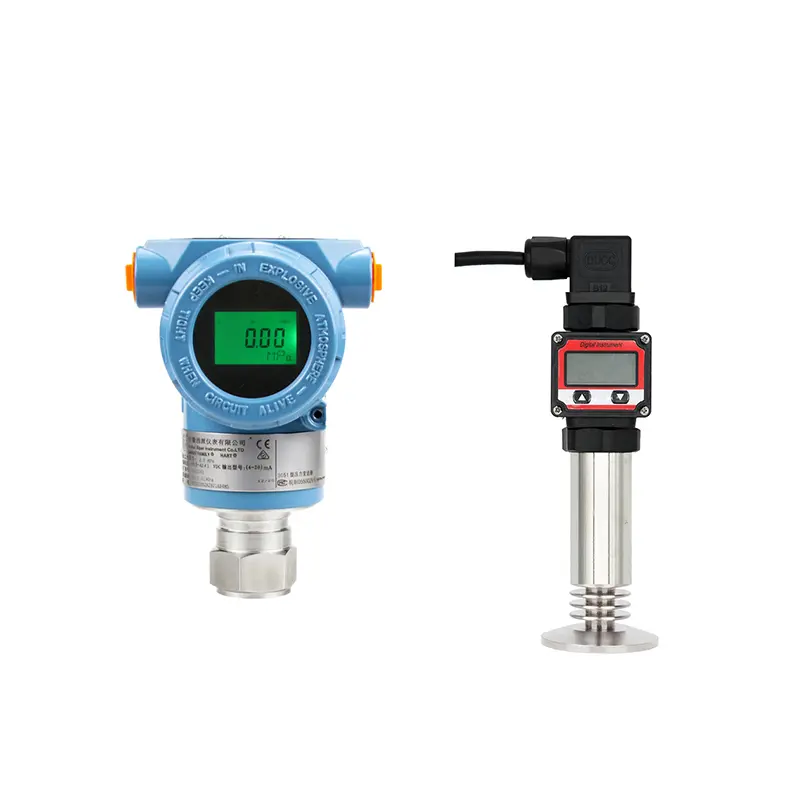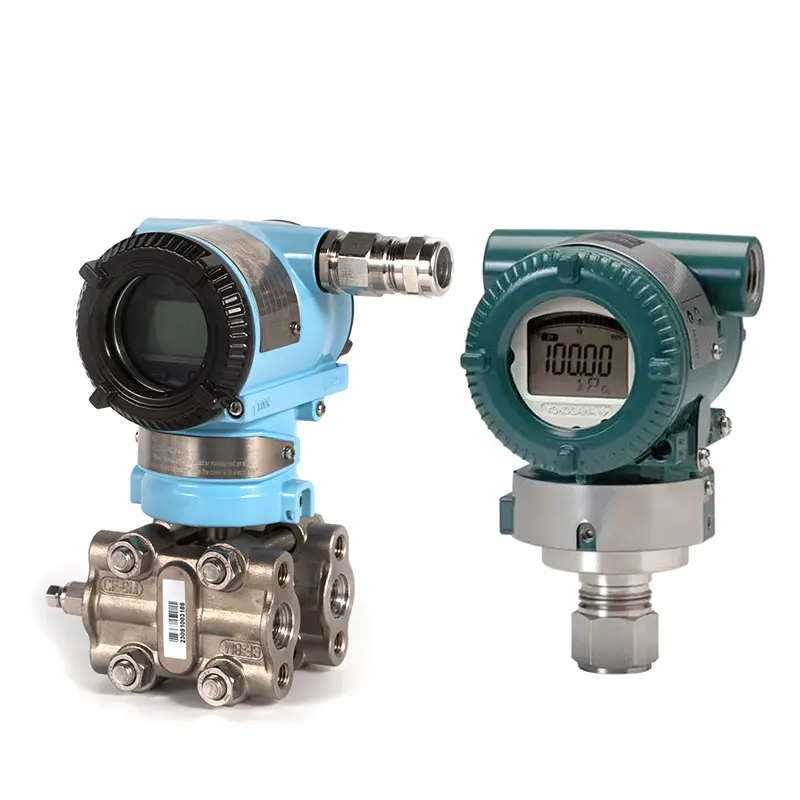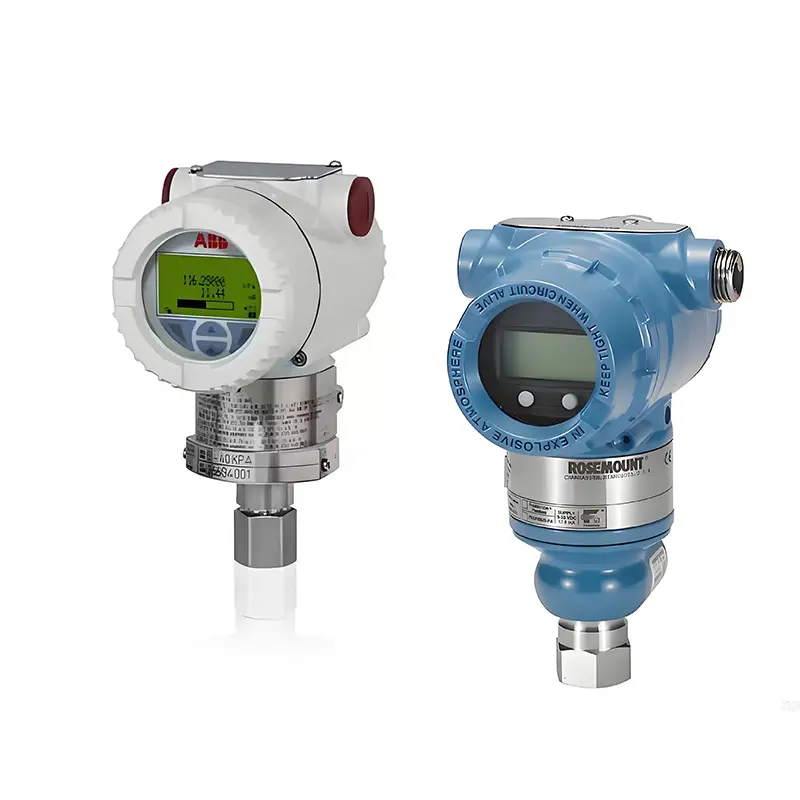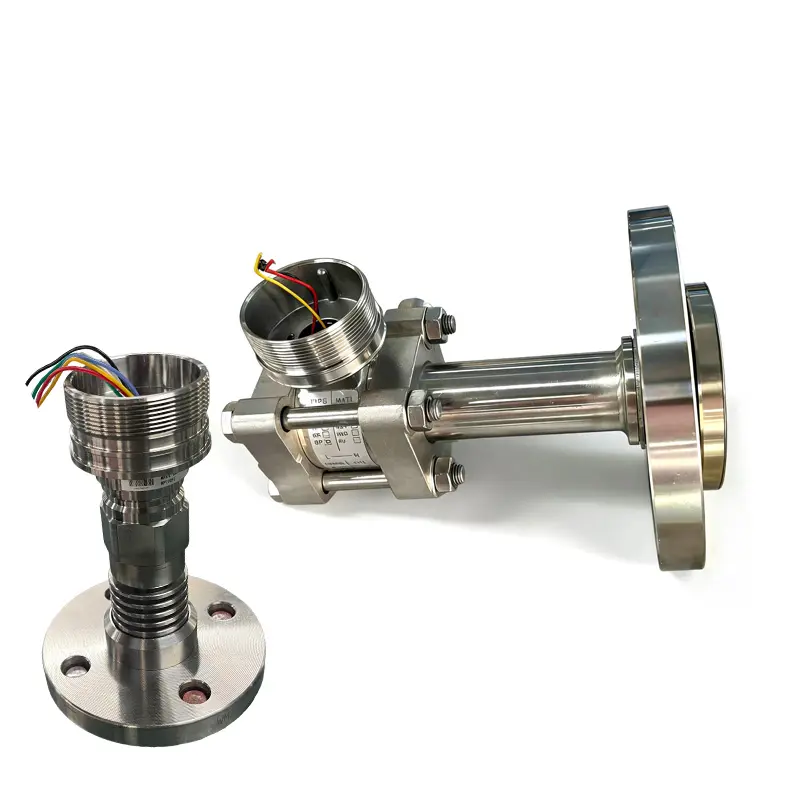
Pressure transmitter 2-wire connection uses the same two wires for DC power supply and 4–20 mA signal output. This wiring method is common in industrial automation because it is simple and reliable, but it must be connected as a current loop.
A common mistake is to think the two wires are only power wires. In a 2-wire transmitter, the current flowing through the loop is the signal. The power supply, transmitter, and receiving device must form one complete loop.
How a 2-Wire Loop Works
In a typical 2-wire pressure transmitter system, the transmitter is powered by a DC supply, often 24 VDC. As pressure changes, the transmitter adjusts the loop current between 4 mA and 20 mA.
The receiving device may be a PLC analog input, DCS input, display meter, signal isolator, or recorder. It reads the loop current and converts it into pressure value according to the transmitter range.
The basic loop includes power supply, transmitter, receiving input, and wiring. If the loop is open, reversed, or connected to the wrong input type, the transmitter may have no output.
Active and Passive Inputs
One important point is whether the PLC or display input is active or passive. Some inputs provide loop power, while others only receive current and need an external power supply.
If both the transmitter and input device are passive, the loop will not work without an external DC power supply. If wiring is connected incorrectly, the transmitter may not power on or the signal may not be detected.
Common Wiring Checks
Before judging the transmitter as faulty, check the loop carefully:
- Is the power supply voltage correct?
- Is polarity connected correctly?
- Is the PLC input set for 4–20 mA current?
- Is the loop connected in series?
- Is loop resistance within the transmitter limit?
- Are terminals tight and protected from moisture?
Many “no output” problems are caused by wiring or input mismatch, not by transmitter failure.
Power Supply and Load
A 2-wire pressure transmitter needs enough voltage to drive the loop. If the cable is long, the PLC input resistance is high, or several devices are connected in series, the total loop load may become too high.
In that case, the transmitter may not output correctly even if the wiring looks correct.
Conclusion
Pressure transmitter 2-wire connection is simple when the current loop is understood. The transmitter, power supply, and PLC or display input must be connected correctly, with proper polarity, input type, voltage, and loop load.
SIY Electric can help buyers check 2-wire pressure transmitter wiring, power supply, and 4–20 mA loop connection requirements.