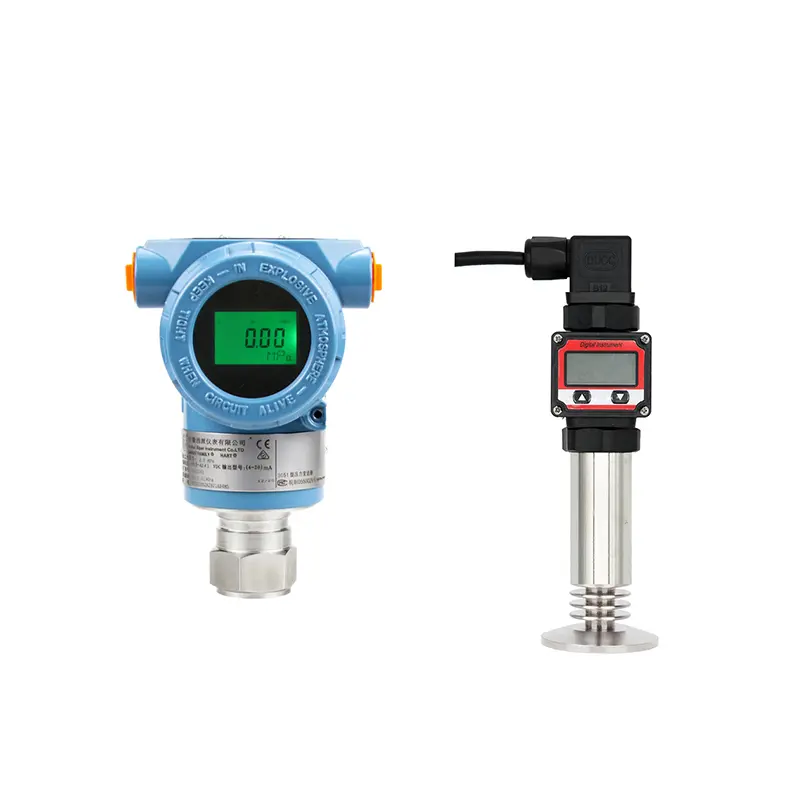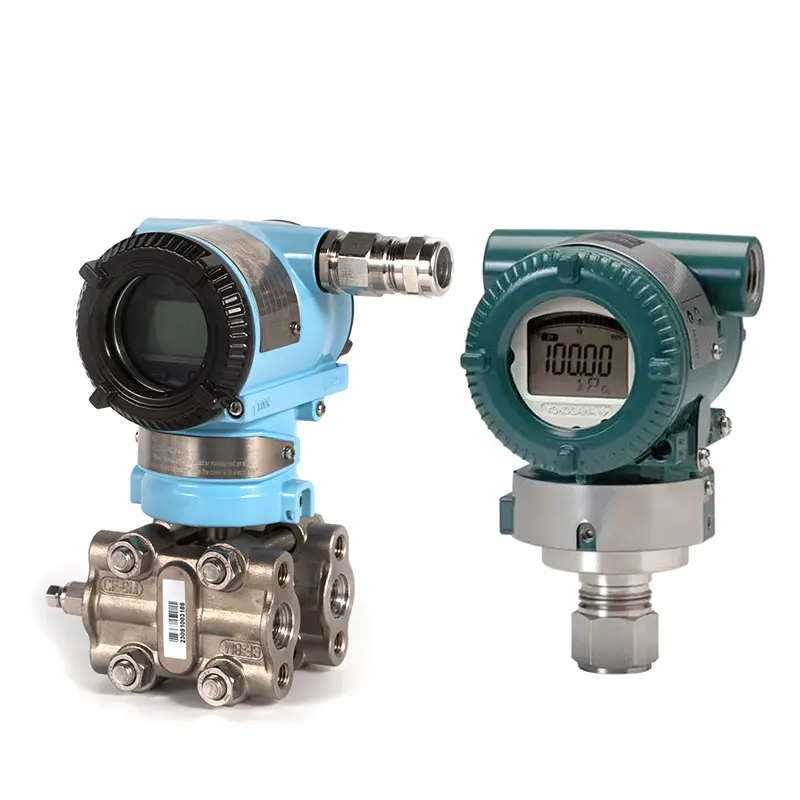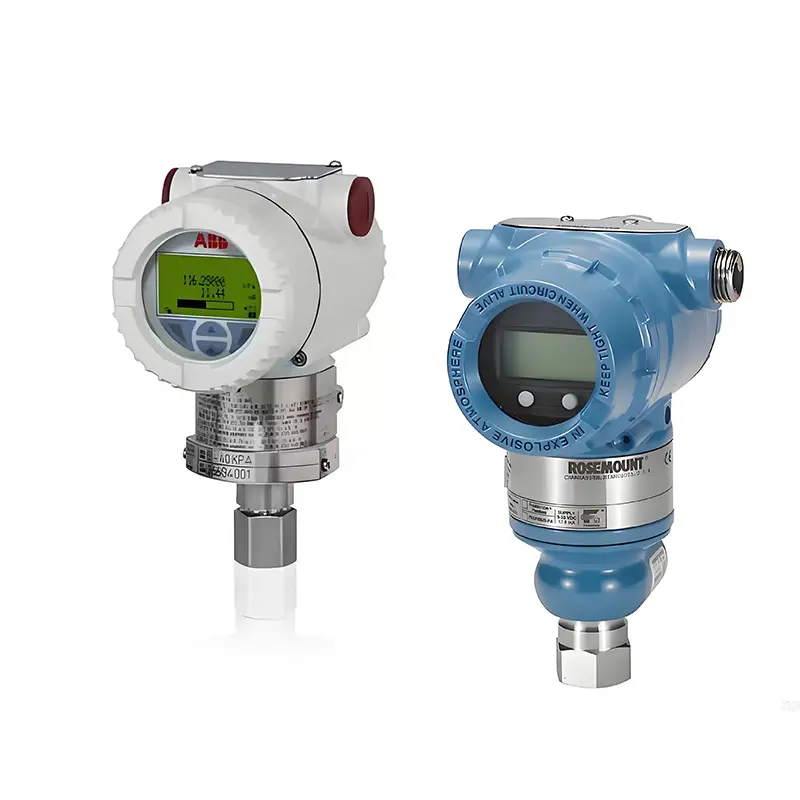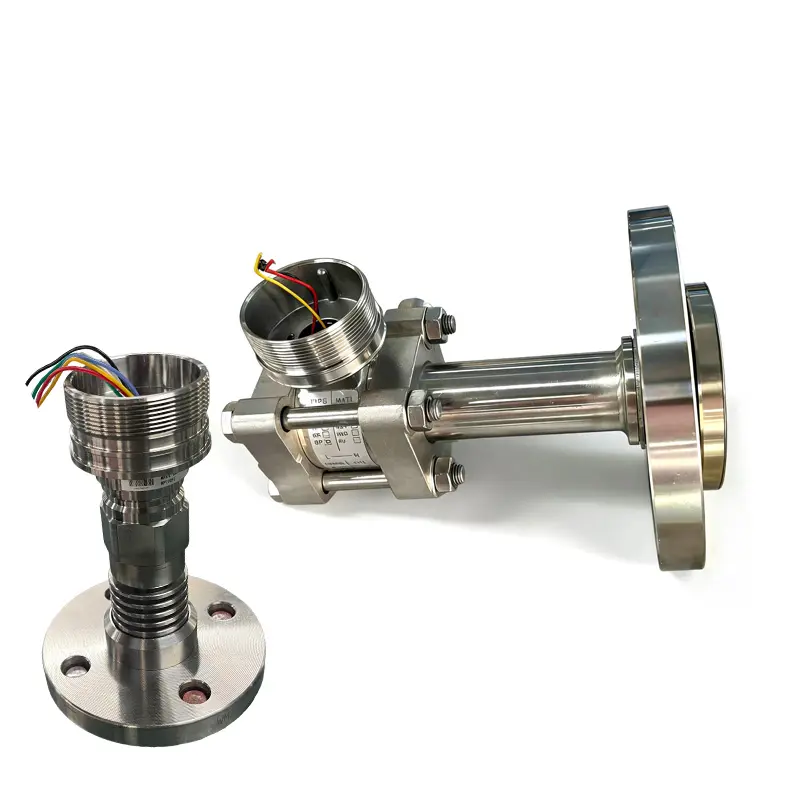
Smart pressure transmitter working principle combines pressure sensing, signal processing, digital communication, and diagnostic functions in one industrial instrument. It still measures pressure like a standard transmitter, but it provides more configuration and communication ability.
Most smart pressure transmitters output a standard 4–20 mA signal. Many also support HART communication, which allows digital data to be sent over the same wiring loop. This makes smart transmitters useful in process plants, automation systems, and applications where configuration and maintenance matter.
From Pressure to Process Signal
A smart pressure transmitter first senses process pressure through its sensing element. The raw sensor signal is small and cannot be used directly by a control system. Internal electronics process the signal before output.
Signal processing usually includes amplification, temperature compensation, linearization, filtering, and range scaling. This is why a transmitter is different from a simple sensing element. It does not only detect pressure. It prepares the signal for industrial use.
4–20 mA and HART
The analog 4–20 mA signal is still the main process signal in many plants. It is stable, familiar, and easy to connect to PLC or DCS systems.
HART communication adds digital information on top of the 4–20 mA signal. It can be used for:
- Range configuration
- Unit setting
- Zero adjustment
- Damping adjustment
- Device identification
- Diagnostic information
- Some maintenance and troubleshooting data
This means a smart transmitter can keep standard analog control while also providing digital configuration and device information.
Diagnostics and Maintenance
Smart transmitters can help maintenance teams understand device status more clearly. Depending on the model, diagnostics may show sensor condition, communication status, output limits, configuration information, or fault warnings.
Diagnostics do not replace good installation, but they can reduce troubleshooting time. If a transmitter output is abnormal, smart functions may help separate configuration problems from process or wiring problems.
When Smart Functions Are Useful
Smart functions are most useful when the transmitter is part of an important control loop, a plant-wide instrument system, or a project that requires configuration records. They are also helpful when the measuring point is difficult to access, or when commissioning may require range adjustment.
For simple water or air monitoring, a standard 4–20 mA transmitter may be enough. Smart functions should be selected when they add real value, not only because the product sounds more advanced.
Smart Does Not Solve Wrong Selection
A smart pressure transmitter still needs the correct range, pressure type, material, process connection, temperature limit, and output configuration. HART and diagnostics cannot solve corrosion, blockage, high temperature damage, or wrong installation.
Smart functions improve configuration and maintenance, but basic selection remains essential.
Conclusion
Smart pressure transmitter working principle includes pressure sensing, internal signal processing, 4–20 mA output, HART communication, and diagnostic functions. It is useful when the application needs configuration flexibility, maintenance support, and better integration with control systems.
SIY Electric can help buyers choose smart pressure transmitters or standard 4–20 mA transmitters according to control system requirements, working conditions, and budget.