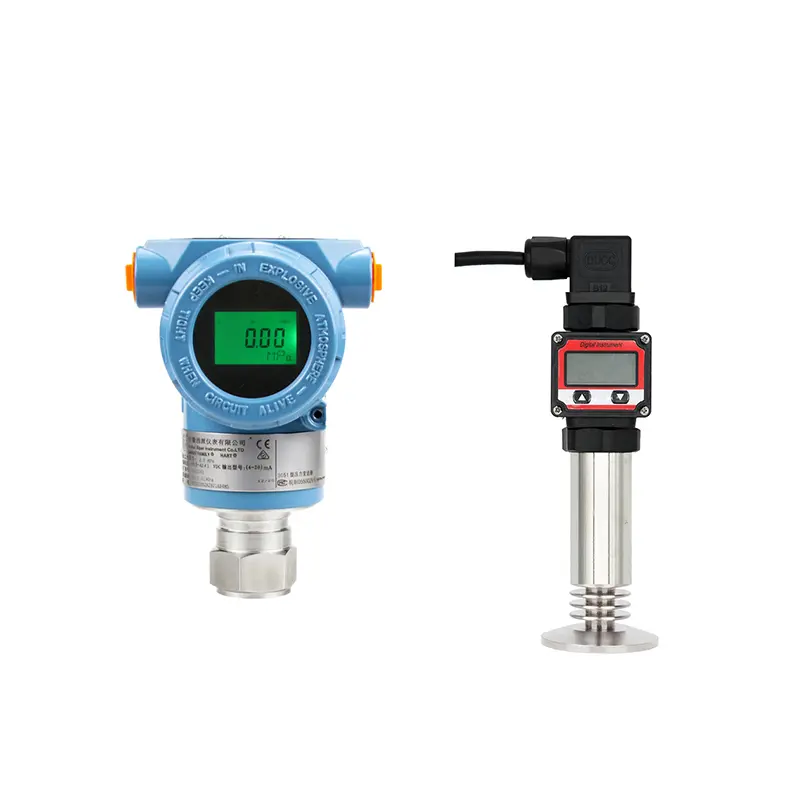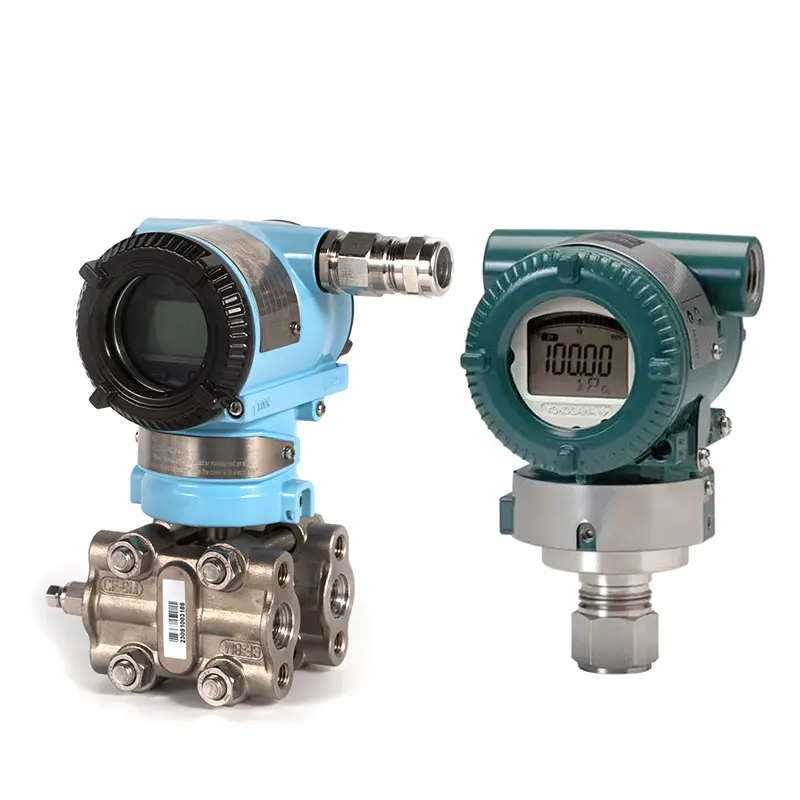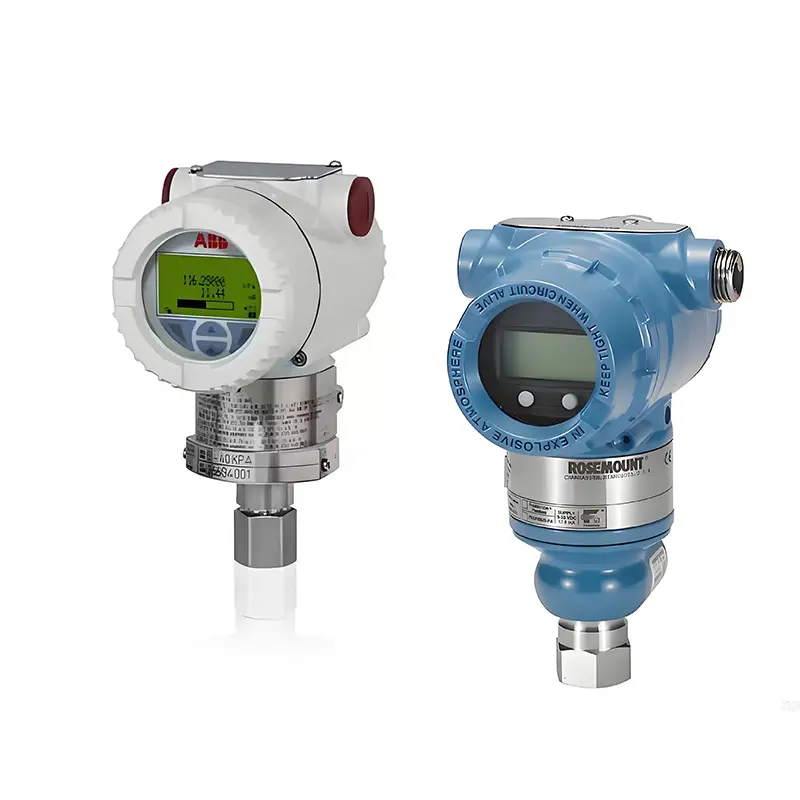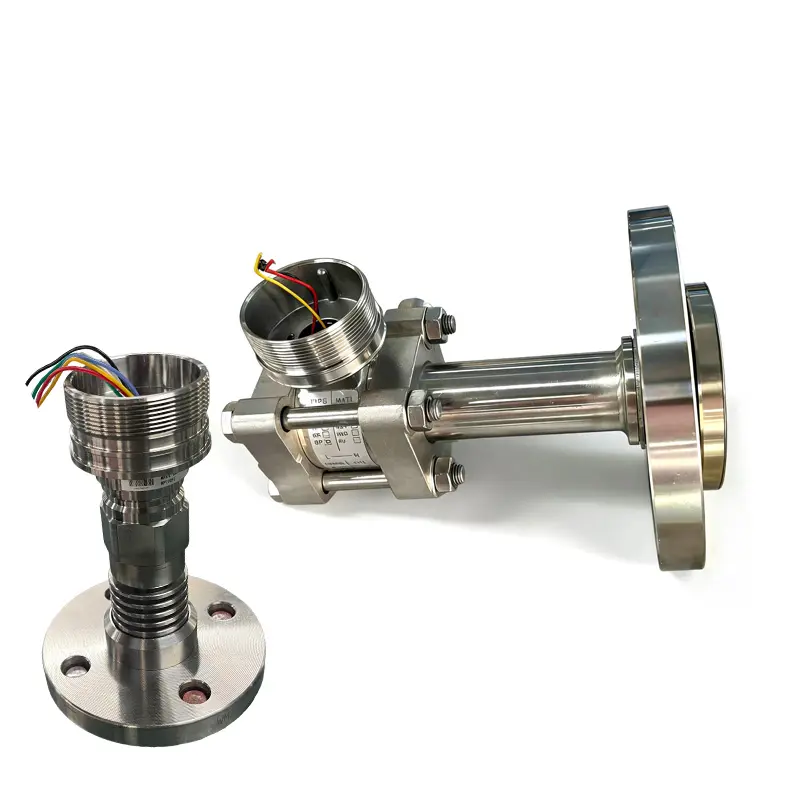
A differential pressure transmitter measures the pressure difference between two points and converts that difference into a standard output signal. It is different from a standard pressure transmitter, which usually measures pressure at one point.
Differential pressure transmitters are widely used in flow measurement, level measurement, filter monitoring, pressure drop measurement, and process control. The instrument may look similar to other transmitters, but the application logic is different because it has a high-pressure side and a low-pressure side.
What Does a Differential Pressure Transmitter Measure?
A differential pressure transmitter measures the difference between the high-pressure side and the low-pressure side. If both sides have the same pressure, the differential pressure is zero. If one side is higher than the other, the transmitter outputs a signal proportional to that difference.
The output is usually 4–20 mA, and smart models may include HART communication. The signal can be sent to a PLC, DCS, display, recorder, or control system.
Common Uses
A differential pressure transmitter is selected when the process value can be represented by pressure difference. This makes it useful in several important applications:
- Flow measurement
Used with orifice plates, venturi tubes, flow nozzles, or other primary elements. - Filter clogging monitoring
Measures pressure drop before and after a filter to judge blockage. - Tank level measurement
Measures liquid column pressure, especially in open or closed tanks. - Closed tank level compensation
Uses DP to remove the influence of top pressure. - Pressure drop across equipment
Used to monitor heat exchangers, strainers, membranes, or process units.
Why Installation Matters
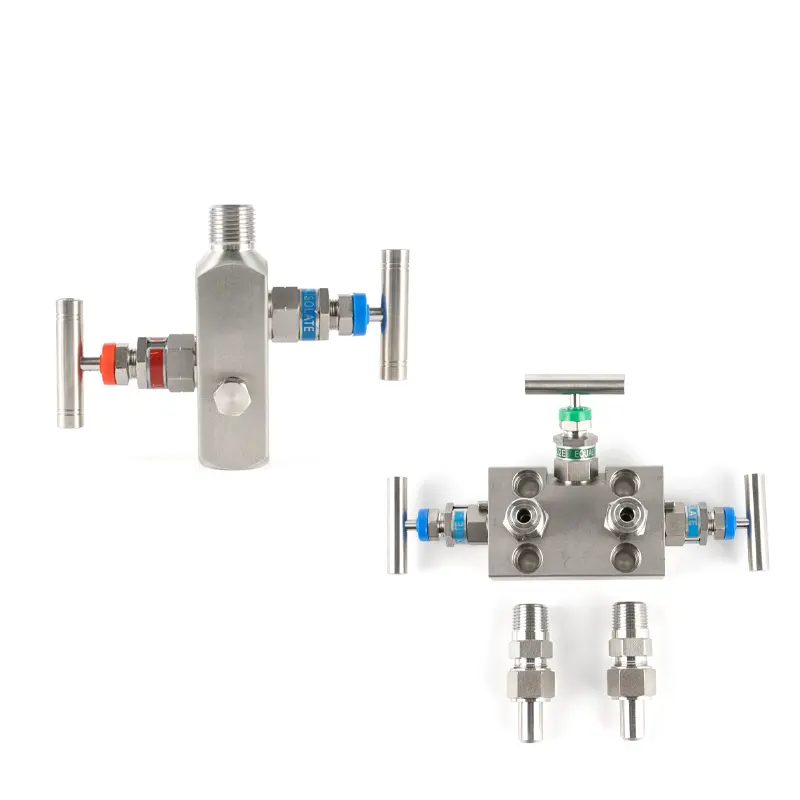
Differential pressure measurement depends heavily on correct installation. The high-pressure and low-pressure sides must be connected correctly. Impulse lines, manifolds, venting, draining, and mounting position can all affect performance.
For clean gas, liquid, or steam applications, impulse lines may be used. For corrosive, sticky, crystallizing, or high-temperature media, remote diaphragm seals may be needed.
Poor installation can cause wrong readings even if the transmitter itself is correct.
What Buyers Should Confirm
Before selecting a differential pressure transmitter, buyers should confirm the application first. A DP transmitter for orifice flow is not selected the same way as a DP transmitter for tank level or filter monitoring.
Useful information includes:
- Application purpose
- Medium
- Static pressure
- Differential pressure range
- Temperature
- Process connection
- Installation method
- Whether impulse lines or remote seals are needed
These details help the supplier select the right range, material, manifold, and seal structure.
Conclusion
A differential pressure transmitter measures the pressure difference between two points. It is used for flow, level, filter clogging, and pressure drop monitoring. Correct selection depends on the application, DP range, static pressure, medium, and installation method.
SIY Electric can help select differential pressure transmitters for flow, level, filter monitoring, and industrial process applications.