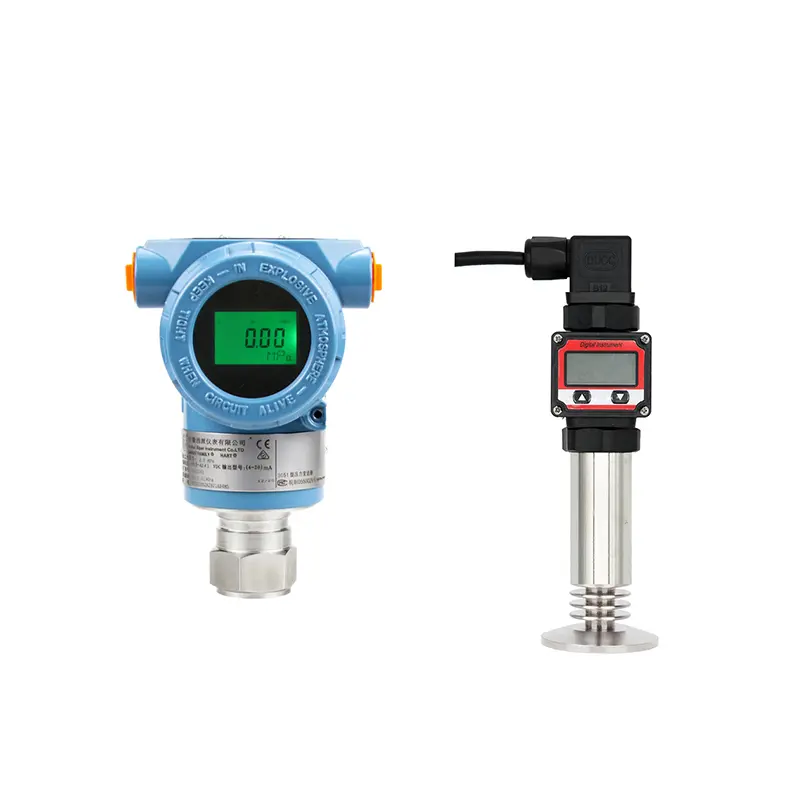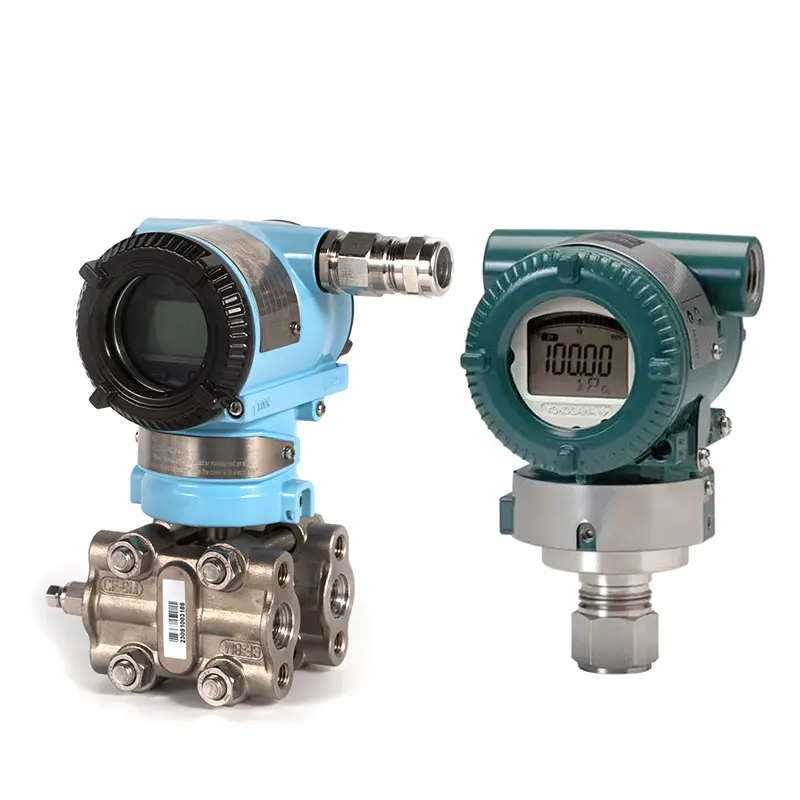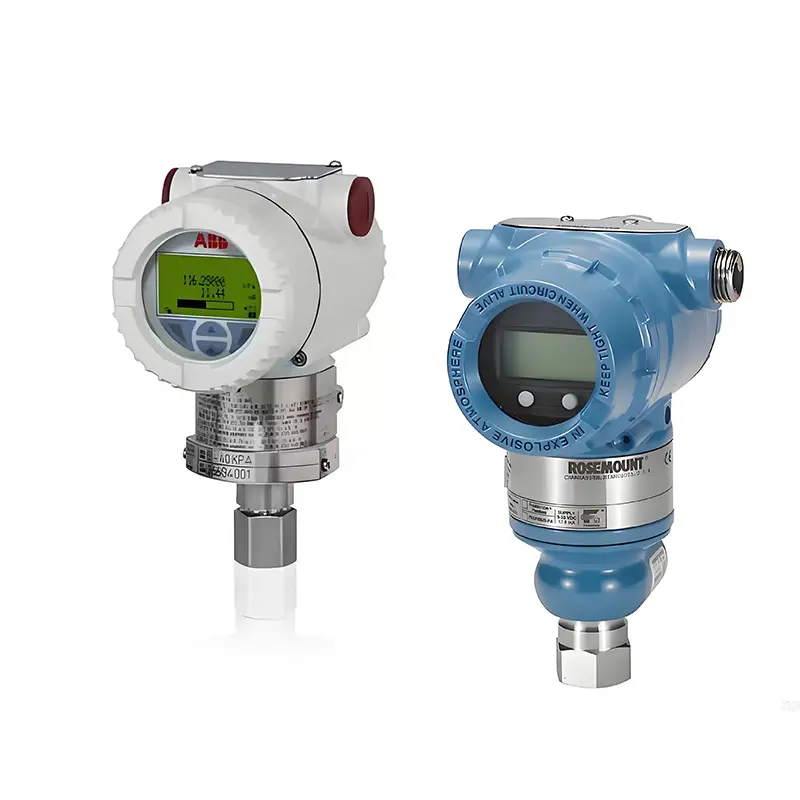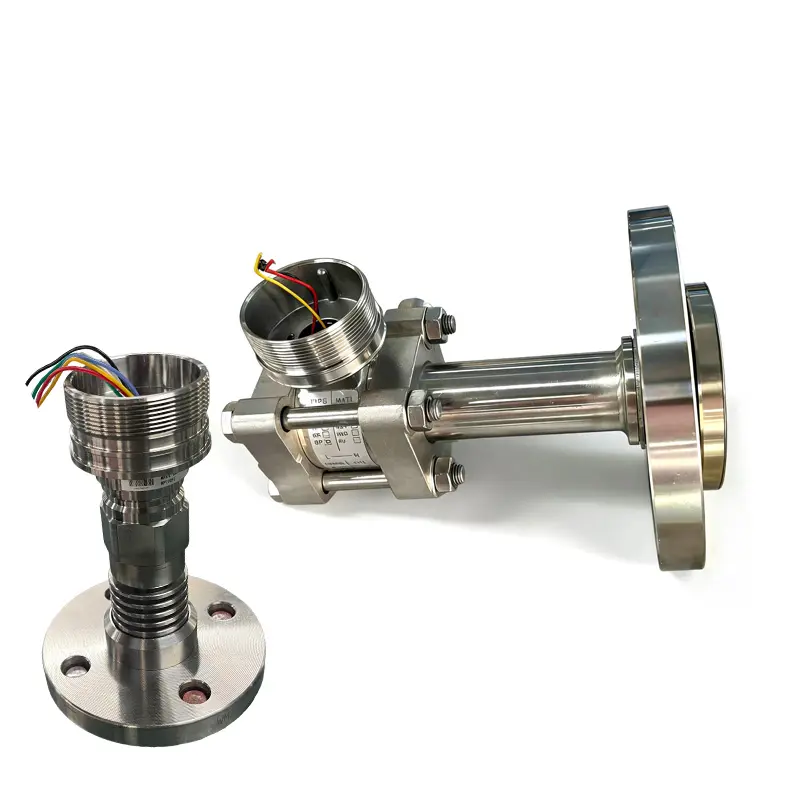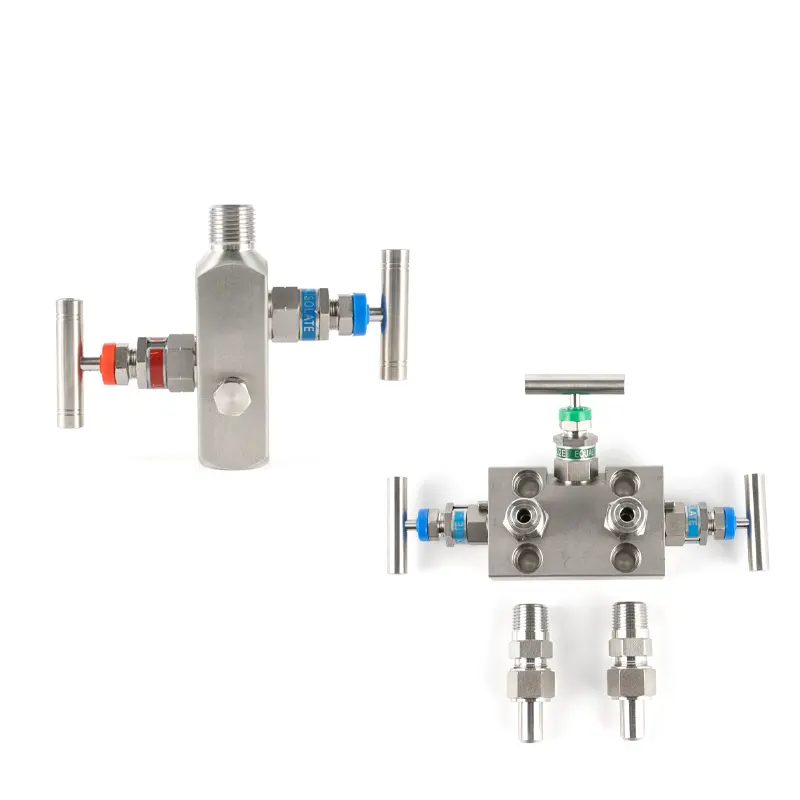
Pressure transmitter applications in industrial measurement include pressure monitoring, process control, level measurement, flow calculation, filter monitoring, and equipment protection. Pressure transmitters are used because pressure is one of the most important variables in industrial processes.
A pressure transmitter does not only show a number. It provides a signal that can be used by control systems, operators, and maintenance teams to understand whether the process is working safely and efficiently.
Pipeline and Process Pressure Monitoring
One of the most common applications is pipeline pressure monitoring. This may include water pipelines, gas lines, oil systems, chemical pipelines, compressed air lines, and steam lines.
For clean and normal-temperature media, standard threaded or industrial pressure transmitters are often suitable. For steam, high temperature, corrosive chemicals, or dirty media, special structures or accessories may be needed.
Pump and Compressor Systems
Pressure transmitters are widely used at pump outlets, compressor systems, hydraulic units, and booster systems. These points often have pressure fluctuation, vibration, or pressure spikes.
The transmitter range should not be selected only by normal pressure. Maximum pressure, pulsation, vibration, and overpressure risk should also be considered.
Tank and Vessel Measurement
Pressure transmitters can measure tank pressure, vessel pressure, or hydrostatic level. For open tanks, a pressure-based level transmitter may be enough. For closed tanks with changing top pressure, a differential pressure level transmitter may be needed.
For corrosive, hot, sticky, or crystallizing liquids, diaphragm seal or remote seal structures may be required.
Filter and Pressure Drop Monitoring
Differential pressure transmitters are often used to monitor filters, strainers, membranes, and process equipment. As a filter becomes blocked, the pressure difference across it increases.
This helps maintenance teams decide when cleaning or replacement is needed, instead of relying only on fixed maintenance intervals.
Safety and Automation
Pressure transmitters provide signals for alarms, shutdown logic, control loops, and data recording. In automated systems, pressure feedback can help control pumps, valves, compressors, and process equipment.
This is why output signal, wiring, PLC compatibility, and reliability are important in transmitter selection.
Conclusion
Pressure transmitter applications cover many industrial measurement points, including pipelines, pumps, compressors, tanks, filters, level systems, and control loops. The right transmitter depends on medium, pressure range, temperature, process connection, output signal, and installation environment.
SIY Electric can supply pressure transmitters for general industrial measurement, OEM equipment, chemical processes, water treatment, steam systems, and level applications.