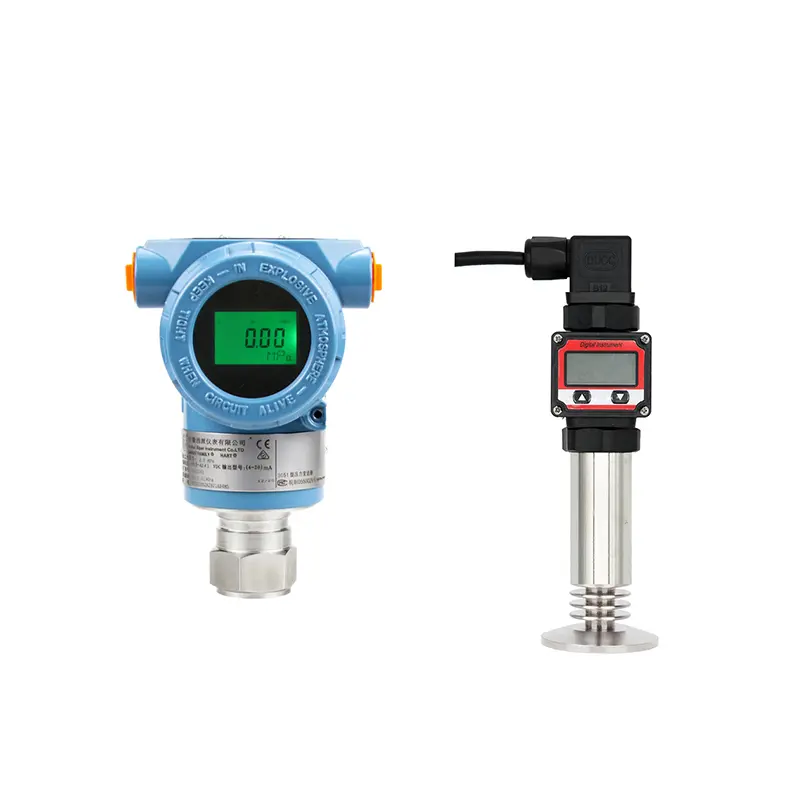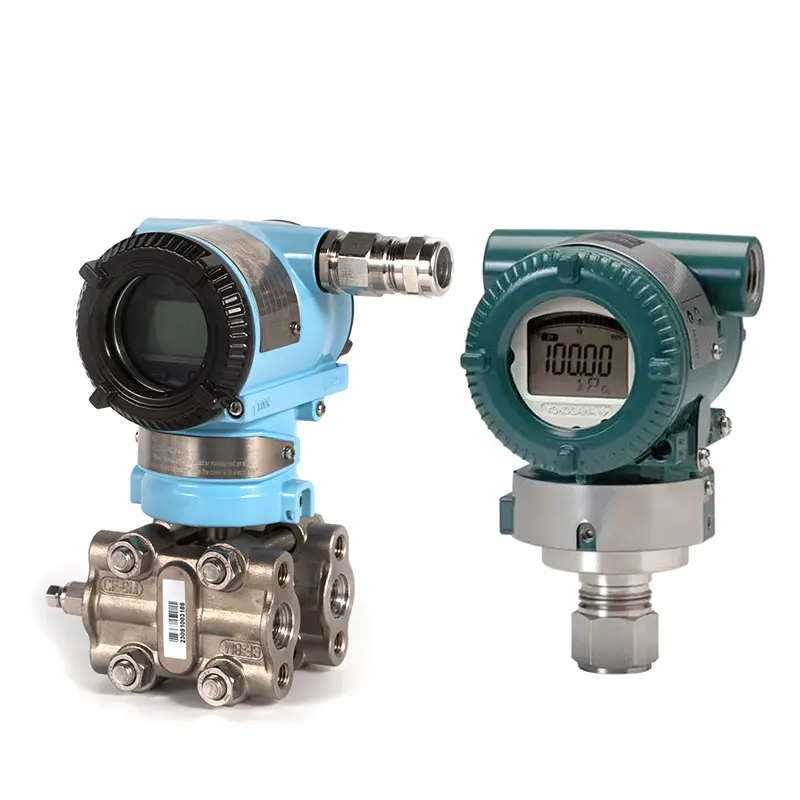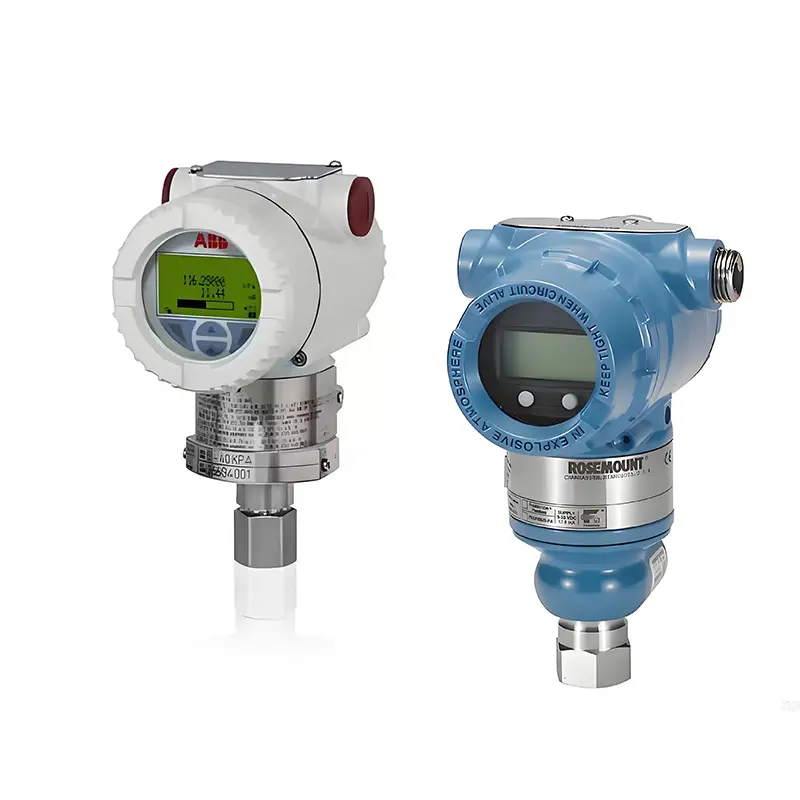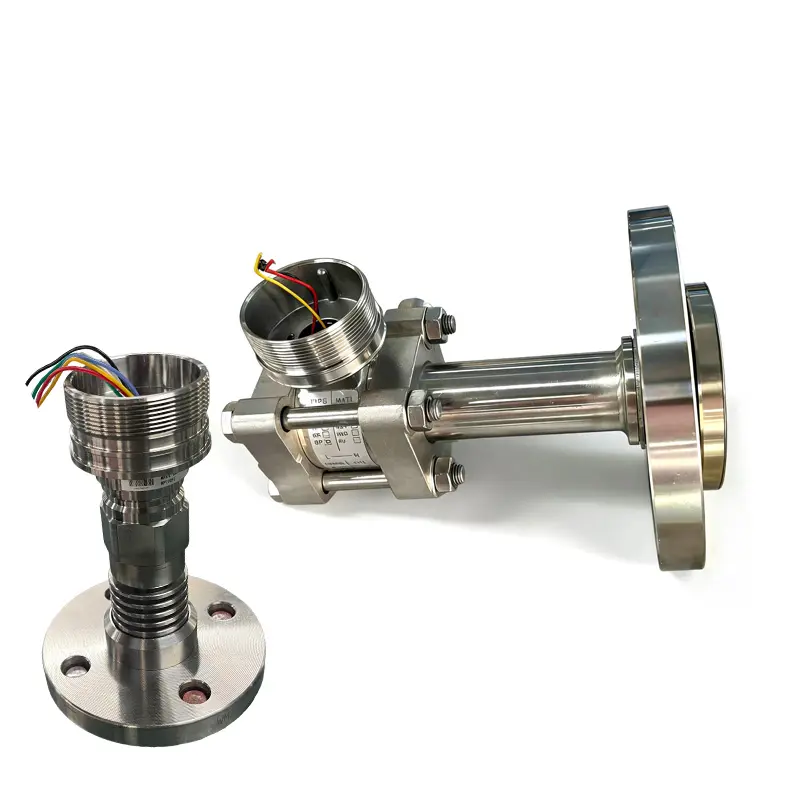
A differential pressure level transmitter works by measuring the pressure difference created by liquid height and converting it into a level signal. It does not measure level directly. It measures pressure, and the control system or transmitter converts that pressure into liquid level.
This method is widely used for tanks, vessels, and process containers. It is especially useful when the tank is closed, pressurized, hot, corrosive, or unsuitable for simple level instruments.
Basic Working Principle
Liquid creates pressure at the bottom of a tank. The higher the liquid level, the greater the pressure. A differential pressure level transmitter uses this principle to estimate level.
In an open tank, the high-pressure side is connected near the lower tank point, and the low-pressure side is usually referenced to atmosphere. The measured pressure mainly comes from the liquid column.
In a closed tank, the pressure above the liquid also affects the bottom pressure. A DP transmitter can connect one side to the lower tank point and the other side to the top pressure point. The transmitter then subtracts the top pressure influence, leaving the liquid column pressure.
Why Liquid Density Matters
The transmitter measures pressure, not actual height. Liquid density determines how much pressure is created by a certain height of liquid.
For the same level height, water, oil, acid, and slurry may create different pressures. If density is wrong, the level reading will be wrong.
Buyers should provide liquid density or specific gravity when selecting a DP level transmitter. If density changes with temperature or concentration, this should also be mentioned.
Open Tank and Closed Tank Difference
Open tank measurement is usually simpler because the liquid surface is exposed to atmosphere. In many cases, a single flange or standard pressure-based level solution can work.
Closed tank measurement is more complex because gas or vapor pressure above the liquid may change. A dual flange DP level transmitter may be needed to compensate for top pressure.
This is the main reason DP level transmitters are commonly used on pressurized tanks and closed vessels.
Impulse Lines or Diaphragm Seals
DP level transmitters can be installed with impulse lines or remote diaphragm seals. Impulse lines are suitable for clean, stable, and non-blocking media. Diaphragm seals are used when the liquid is corrosive, hot, viscous, dirty, crystallizing, or likely to block impulse lines.
Remote seals add cost and installation complexity, but they can improve reliability in difficult media.
Conclusion
A differential pressure level transmitter works by converting liquid column pressure into a level signal. Correct selection depends on tank type, liquid density, measuring height, top pressure condition, installation method, and whether remote seals are needed.
SIY Electric can help select DP level transmitters for open tanks, closed tanks, pressurized vessels, corrosive liquids, and remote seal level applications.