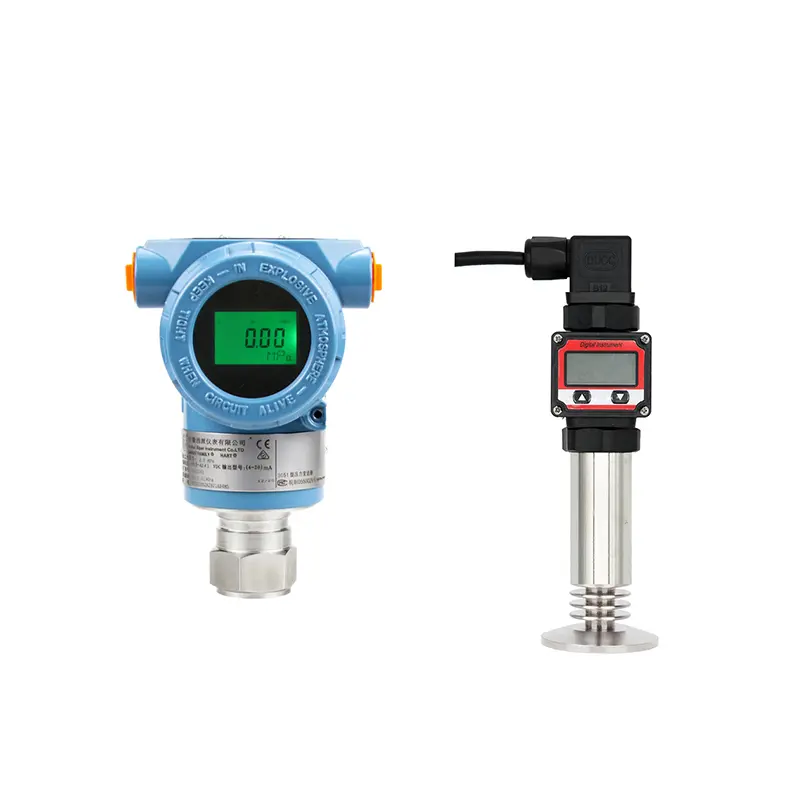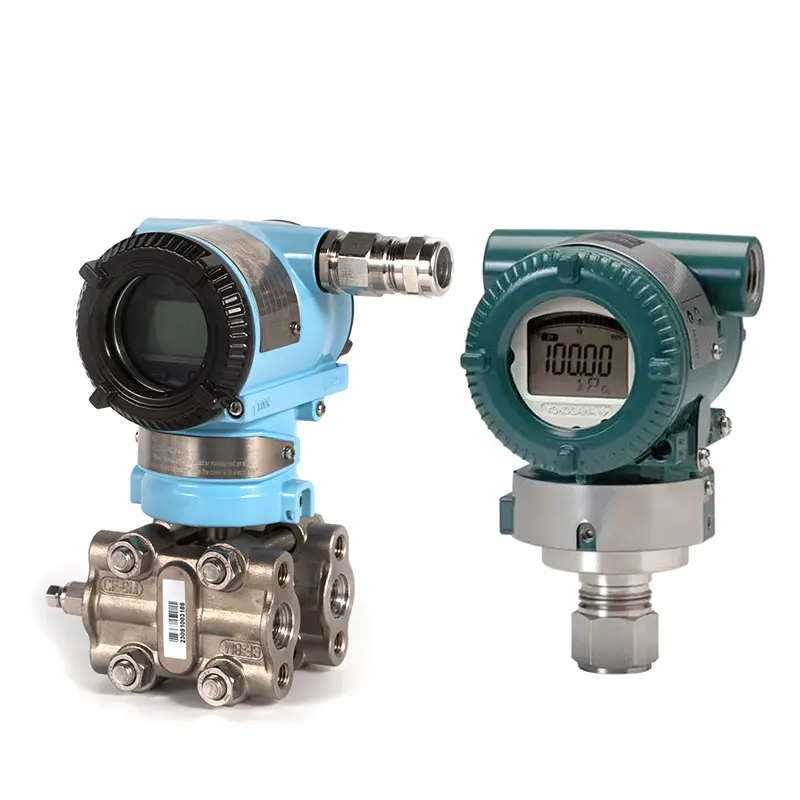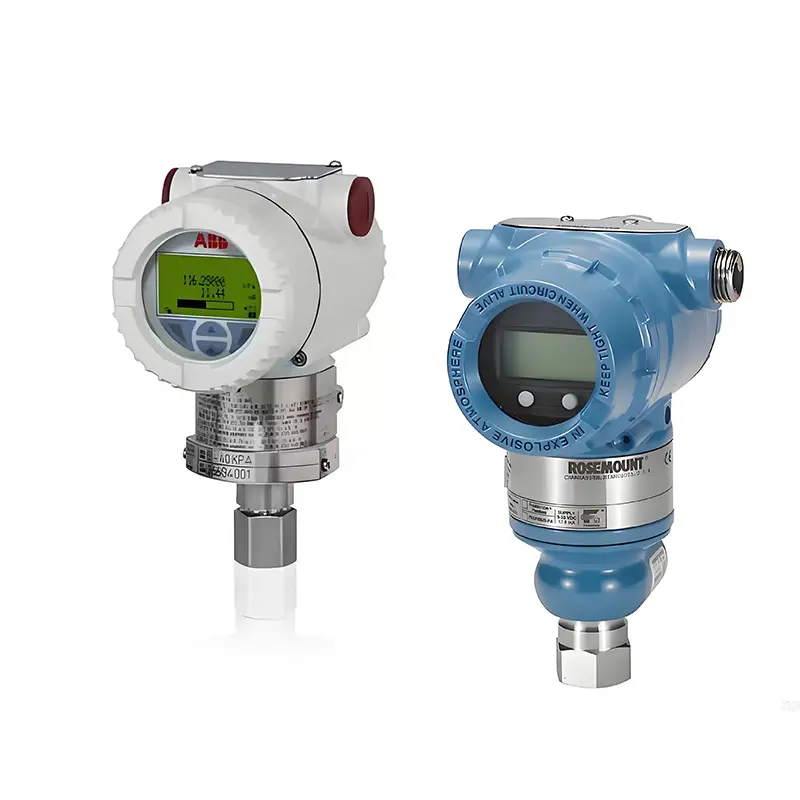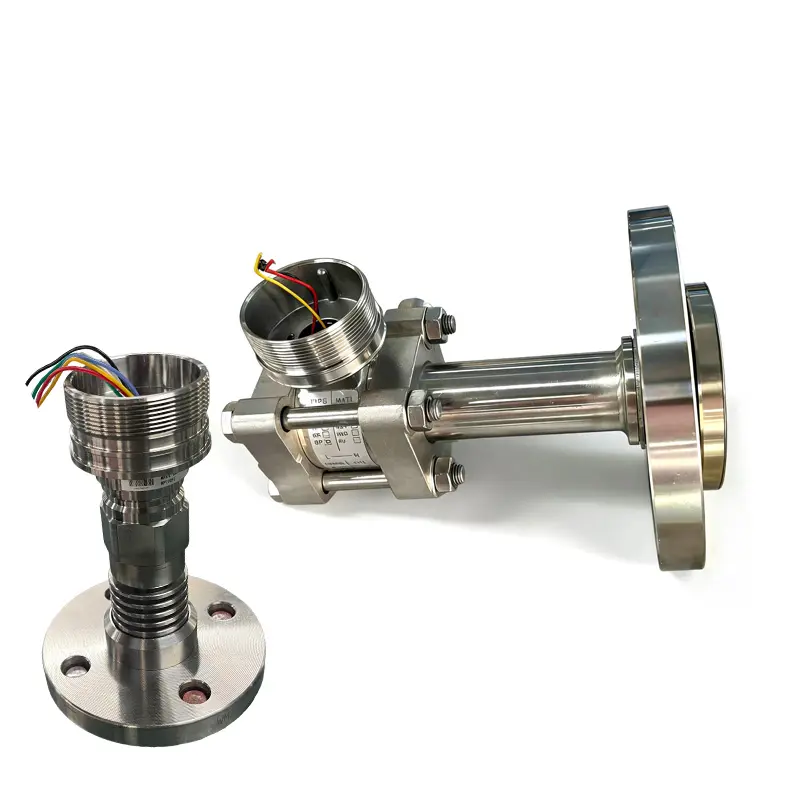
Calibrating a pressure transmitter with a HART communicator allows technicians to check configuration, trim output, and verify transmitter performance without relying only on local buttons. This is useful for smart pressure transmitters used in process plants, especially when the instrument supports 4–20 mA + HART communication.
A HART communicator does not magically make calibration correct. It is a tool for communicating with the transmitter. The actual calibration still depends on a correct pressure source, stable reference instrument, proper wiring, and the right calibration procedure.
What the HART Communicator Can Do
A HART communicator can read and change transmitter settings. It can also help technicians check whether the transmitter range, units, damping, output mode, and device information are correct.
In real maintenance work, it is often used to:
- Check the configured range and unit
- Read process variable and output current
- Adjust zero or sensor trim
- Change damping or output settings
- Confirm device status and diagnostic messages
- Check whether the transmitter output matches the control loop
This is especially helpful when a transmitter reading does not match the PLC or DCS value. The communicator can help separate transmitter configuration problems from wiring or PLC scaling problems.
Calibration Is Not Only Configuration
A common mistake is thinking that changing the range in the HART communicator is the same as calibration. It is not. Range setting defines how the transmitter maps pressure to output. Calibration checks whether the transmitter output matches a known pressure input.
For a proper calibration, you still need a pressure calibrator or reference pressure source. The HART communicator helps you access the transmitter, but the pressure reference proves whether the transmitter is measuring correctly.
Basic Calibration Logic
Before starting, confirm the transmitter range, pressure type, output signal, and site safety requirements. The transmitter should be isolated from the process if field calibration is performed.
A practical calibration process usually includes:
- Connect the HART communicator to the 4–20 mA loop.
- Confirm the device model, range, unit, and output mode.
- Apply the lower range pressure and check the output.
- Apply middle and upper range pressure points.
- Compare transmitter reading with the reference pressure.
- Perform zero trim or sensor trim only if needed.
- Confirm the 4–20 mA output matches the control system scaling.
Do not adjust the transmitter before confirming that the pressure source, wiring, and loop resistance are correct.
Be Careful With Output Trim and Sensor Trim
Output trim and sensor trim are different. Output trim adjusts the analog current output, while sensor trim adjusts how the transmitter interprets pressure input. Using the wrong trim can create more problems.
If the transmitter reading is correct in the communicator but the control room value is wrong, the problem may be PLC scaling or analog output. If the transmitter reading itself is wrong compared with the pressure reference, sensor calibration may be needed.
Conclusion
Calibrating a pressure transmitter with a HART communicator is useful for checking configuration, diagnostics, zero trim, output trim, and loop performance. However, correct calibration still requires a reliable pressure reference and proper procedure.
SIY Electric can help buyers choose smart pressure transmitters with HART communication and support configuration requirements for industrial pressure measurement systems.