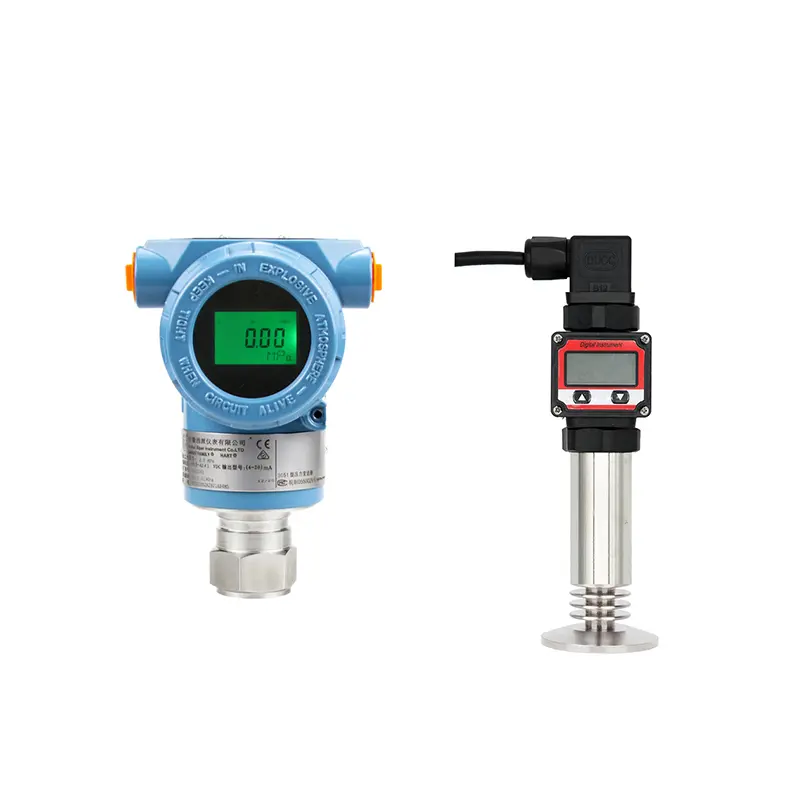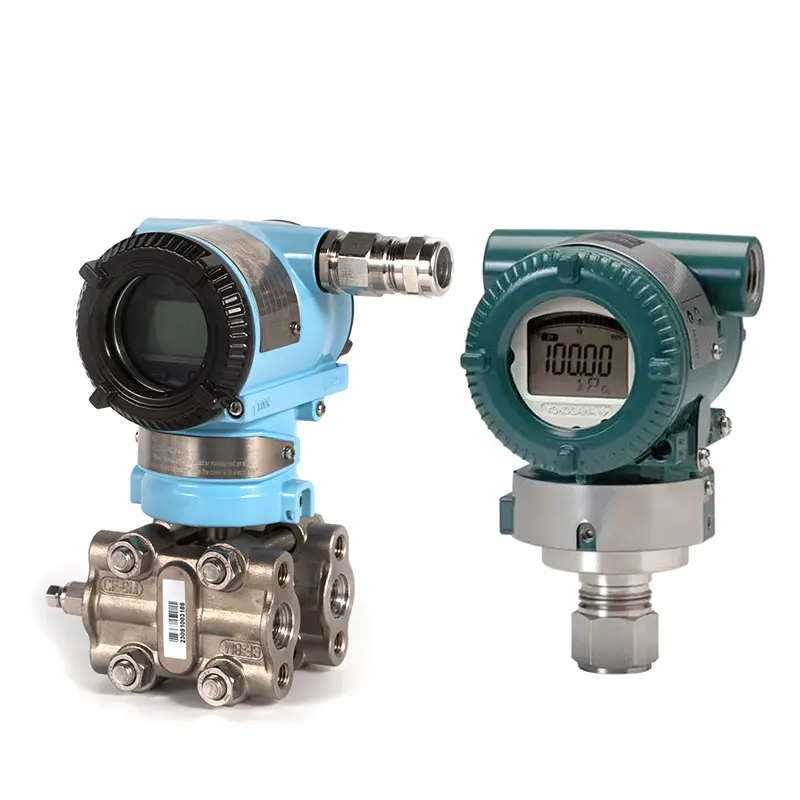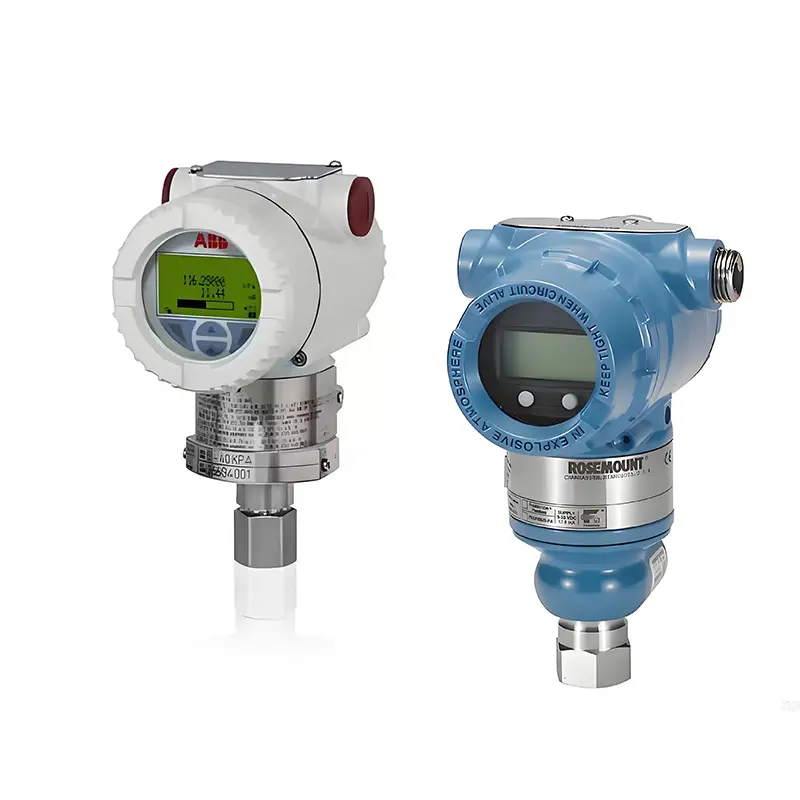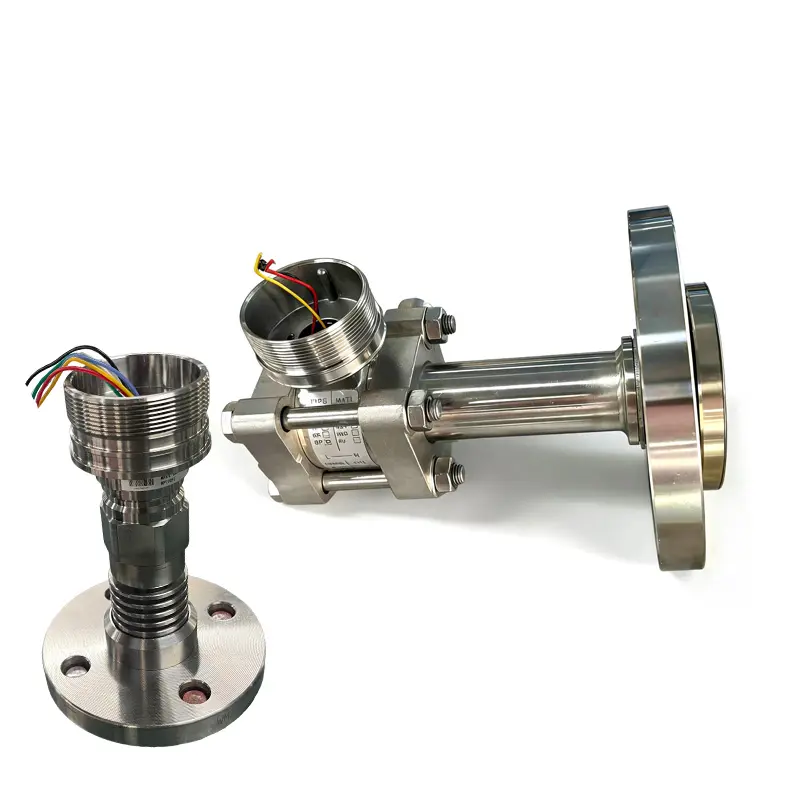
A differential pressure transmitter wiring diagram shows how the DP transmitter is powered and how its output signal connects to PLC, DCS, display, or control system. Electrically, many DP transmitters are similar to standard pressure transmitters. The difference is mainly in the process connection: a DP transmitter has high-pressure and low-pressure sides.
This is why installers must understand both the wiring diagram and the pressure connection. Good electrical wiring cannot correct reversed high and low process connections.
Electrical Wiring Basics
Most differential pressure transmitters use 2-wire 4–20 mA output. The same loop provides power and carries the current signal. Smart models may also support HART communication on the same loop.
The wiring diagram should clearly show transmitter terminals, power supply, PLC or DCS input, polarity, shielding, and grounding. If a signal isolator or display meter is used, it should also be included in the loop.
If the DP transmitter has no output, the first checks are power supply, polarity, loop continuity, input type, and loop load.
High Side and Low Side Are Not Wiring
A common misunderstanding is mixing electrical wiring with process connection. The high-pressure side and low-pressure side are process ports, not electrical terminals.
If the high and low sides are reversed, the electrical signal may still work, but the measurement will be wrong. This is common in filter monitoring, orifice flow, and level applications.
The wiring diagram cannot solve this issue. The hook-up or installation drawing should show the high and low pressure process connections clearly.
DP Transmitter to PLC
When connecting a DP transmitter to PLC, the PLC analog input must match the output signal. For 4–20 mA output, the PLC should be set to current input. The scaling should match the configured DP range.
For example, 4 mA may represent 0 kPa DP, and 20 mA may represent the upper DP range. If square-root output is used for flow measurement, the PLC or transmitter configuration must be checked carefully.
HART Communication
For smart DP transmitters, HART communication may be used for configuration and diagnostics. It can help technicians check range, damping, output mode, and device status.
However, HART does not replace proper wiring. The loop still needs correct power, load resistance, polarity, and signal connection.
Conclusion
A differential pressure transmitter wiring diagram should show power supply, 4–20 mA signal loop, PLC input, polarity, shielding, grounding, and any display or isolator. But installers must also check high and low pressure process connections separately.
SIY Electric can help buyers match DP transmitter wiring, PLC connection, HART configuration, manifolds, and installation accessories.