One supplier can handle pressure transmitters, accessories, and replacement parts together when the supplier understands both the instrument selection and the installation requirements. For many buyers, the problem is not only buying a pressure transmitter. The real problem is getting all related parts to match each other.
A pressure transmitter may need valves, manifolds, mounting brackets, cooling accessories, cable glands, flanges, gaskets, or replacement parts. If these items are purchased from different suppliers without coordination, the buyer may receive parts that look correct individually but do not work together on site.
This is why one-stop procurement support can be useful, especially for maintenance teams, equipment builders, and buyers replacing old instruments.
What Can Be Supplied Together?
A pressure transmitter is often only one part of the installation. Depending on the application, several related items may be needed.
One supplier may help combine:
- Pressure transmitters
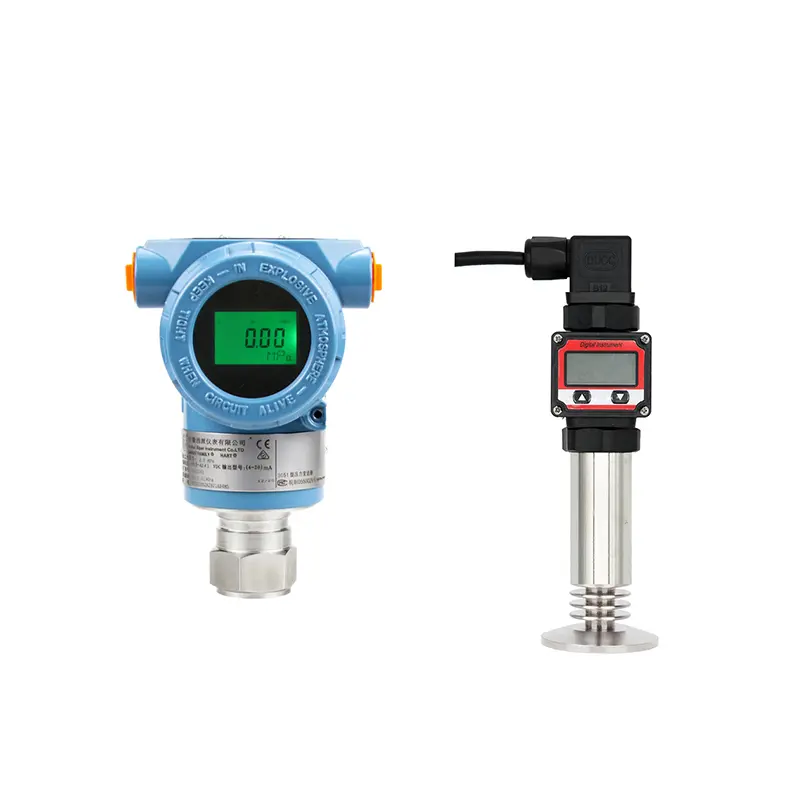
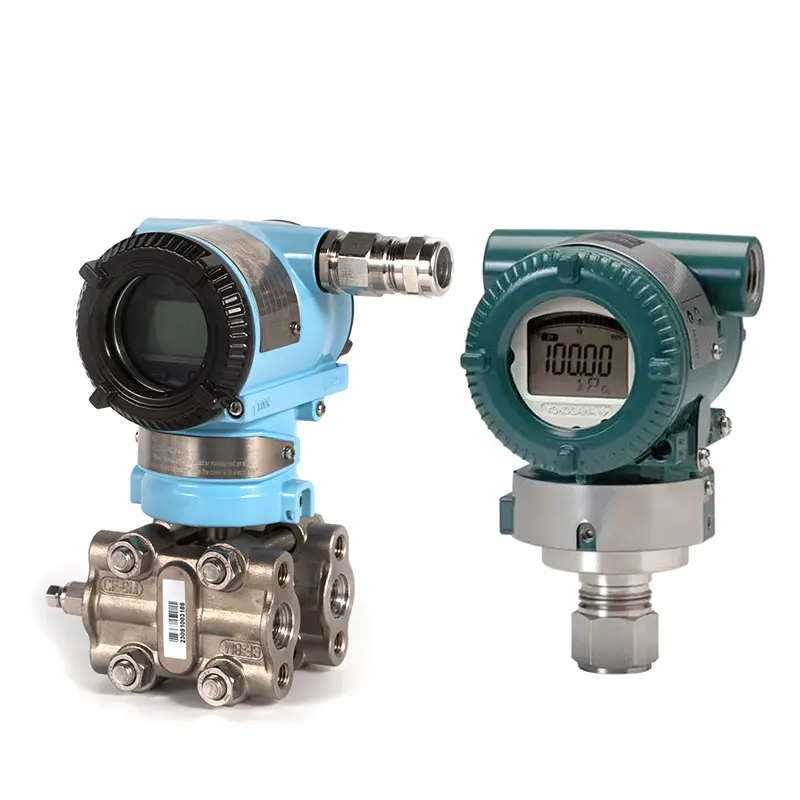
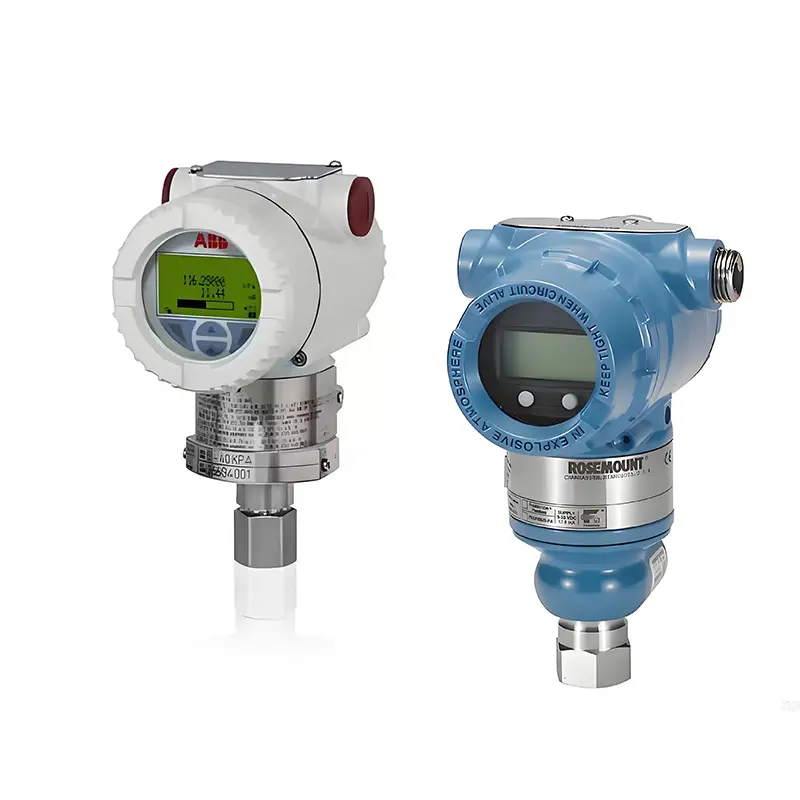
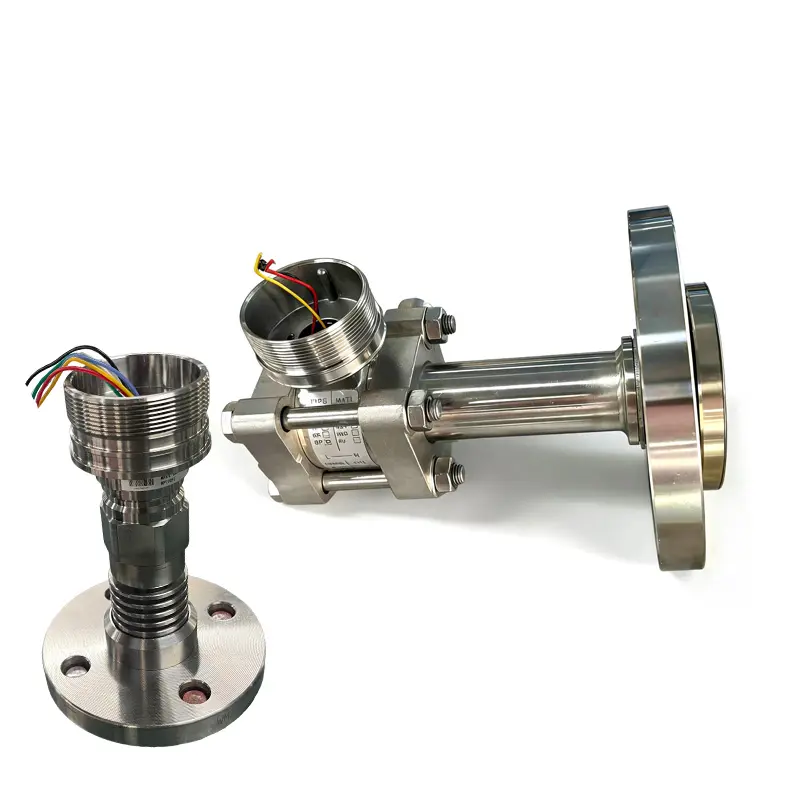
Standard threaded pressure transmitters, diaphragm seal transmitters, differential pressure transmitters, compact transmitters, and smart transmitters. - Installation accessories
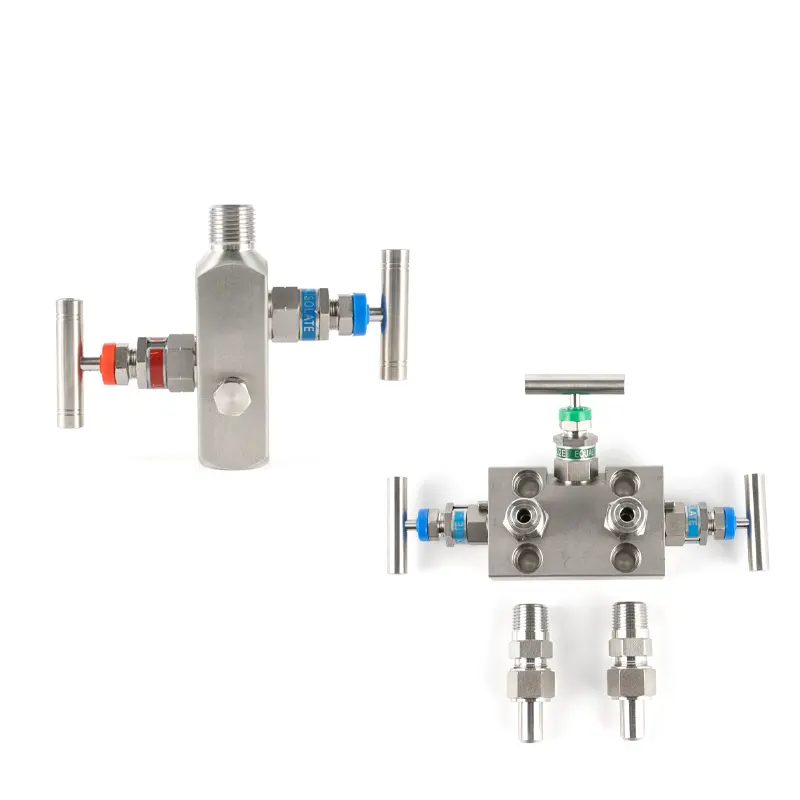
Mounting brackets, pipe brackets, adapters, flanges, gaskets, and bolts. - Valves and manifolds
Needle valves, shut-off valves, 3-valve manifolds, 5-valve manifolds, and related fittings. - High-temperature accessories
Siphon tubes, condenser pipes, cooling elements, and remote diaphragm seal structures. - Electrical accessories
Cable glands, explosion-proof glands, connectors, and wiring accessories. - Replacement parts
Displays, housings, terminal blocks, process adapters, seal parts, and other compatible replacement items when available.
The exact scope depends on the product type and brand. Some parts are standard. Some parts must be matched by model number or installation condition.
Why One Supplier Can Reduce Mistakes
Buying everything separately may look cheaper at first, but it can create hidden problems. A transmitter may arrive with the correct range but the wrong thread. A valve may not match the process connection. A bracket may not fit the transmitter body. A cable gland may not match the housing entry.
One supplier can reduce these problems by checking the complete installation requirement.
The main benefits include:
- Better matching between transmitter and accessories
The supplier can check whether the valve, manifold, bracket, and process connection fit the transmitter. - Fewer communication gaps
The buyer does not need to explain the same working condition to several suppliers. - Faster replacement support
When replacing old instruments, the supplier can review the old model, photos, and required accessories together. - Clearer responsibility
If one supplier provides the matched set, it is easier to check and solve problems before shipment. - More practical quotation
The buyer can see the total cost of the transmitter and related accessories, not just the instrument body.
This is especially useful when the buyer is not fully sure about the installation details.
When One-Stop Supply Is Most Useful
One-stop procurement support is not necessary for every small order. If the buyer only needs a standard transmitter with a known thread and no accessories, the process is simple.
But it becomes valuable in the following cases:
- Old transmitter replacement
The buyer has an old model number or nameplate but is not sure about accessories or connection details. - Differential pressure installation
DP transmitters often need manifolds, brackets, impulse line fittings, and correct mounting accessories. - Steam pressure measurement
Steam applications may need siphon tubes, condenser structures, or cooling accessories. - Diaphragm seal applications
The transmitter, flange, diaphragm material, gasket, capillary, and filling fluid must be matched carefully. - Batch procurement
Buyers may want transmitters, valves, accessories, and spare parts delivered together for project or warehouse use.
What Still Needs to Be Confirmed
One supplier can help simplify procurement, but technical details still need to be confirmed. The supplier should not guess critical parameters.
Before ordering, buyers should confirm:
- Medium and working temperature
- Working pressure and measuring range
- Process connection
- Output signal
- Installation method
- Required accessories
- Existing model or nameplate, if it is a replacement order
For hazardous areas, explosion-proof requirements should also be confirmed. For corrosive media, wetted material and seal material should be checked carefully.
Avoid Turning One-Stop Supply Into Blind Bundling
One-stop supply should not mean adding unnecessary accessories. A good supplier should recommend what is needed and explain why it is needed.
For example, a clean water pipeline may only need a standard threaded pressure transmitter. There is no reason to add a diaphragm seal if the medium and temperature do not require it. But a steam line may need a siphon tube, and a differential pressure installation may need a manifold.
The value of one supplier is not selling more parts. The value is helping the buyer avoid mismatched parts and incomplete installation.
Conclusion
One supplier can handle pressure transmitters, accessories, and replacement parts together when the supplier understands the full application and installation requirement. This approach can reduce mismatches, save communication time, and make replacement or project procurement easier.
SIY Electric can support pressure transmitters, related accessories, and replacement part sourcing for standard pressure measurement, differential pressure applications, diaphragm seal systems, and old model replacement. Buyers can send the working condition, existing model, or installation photos for checking.