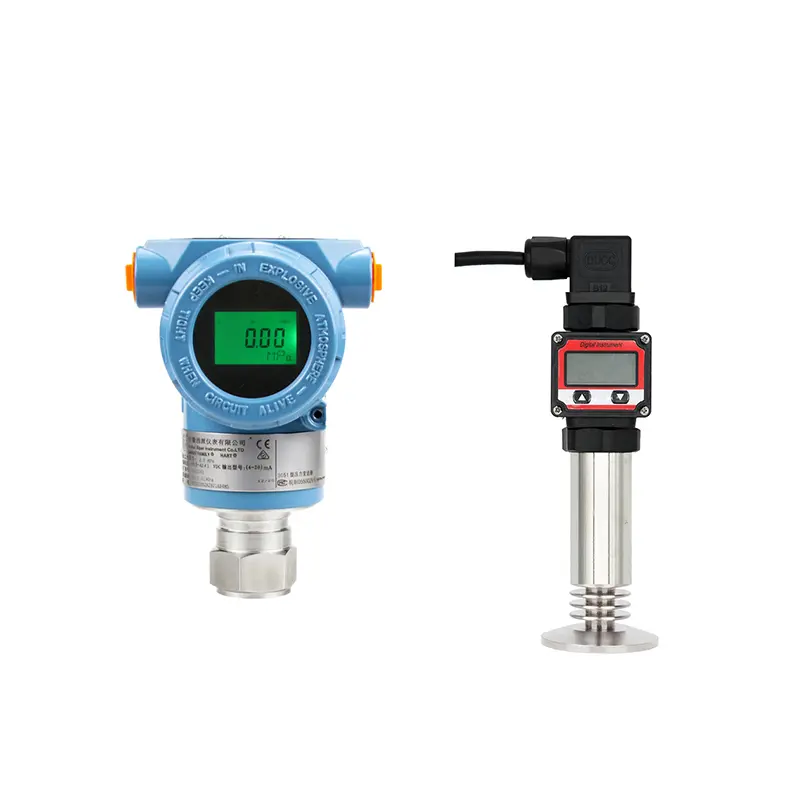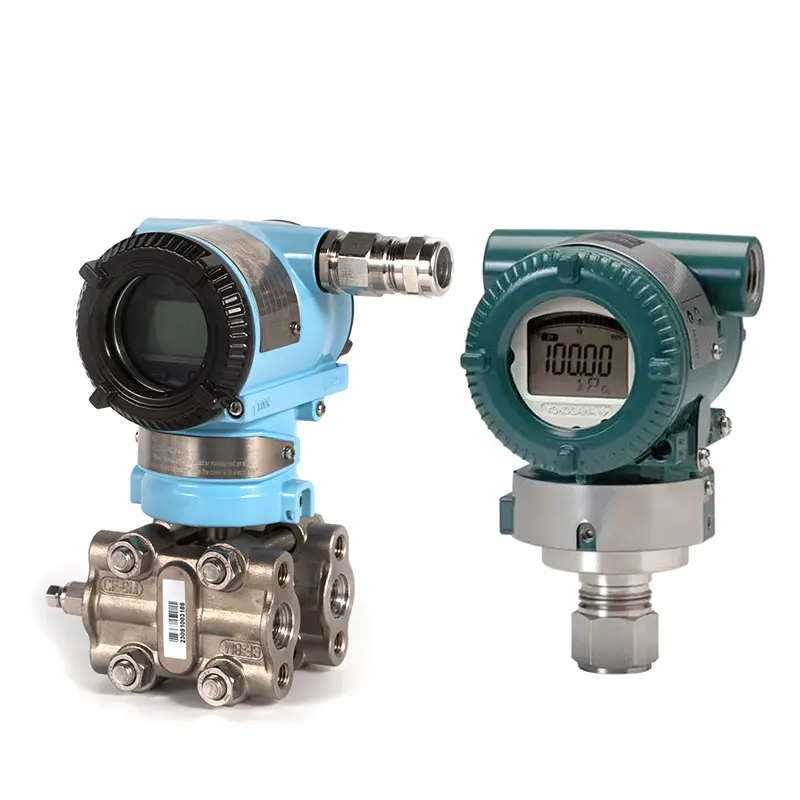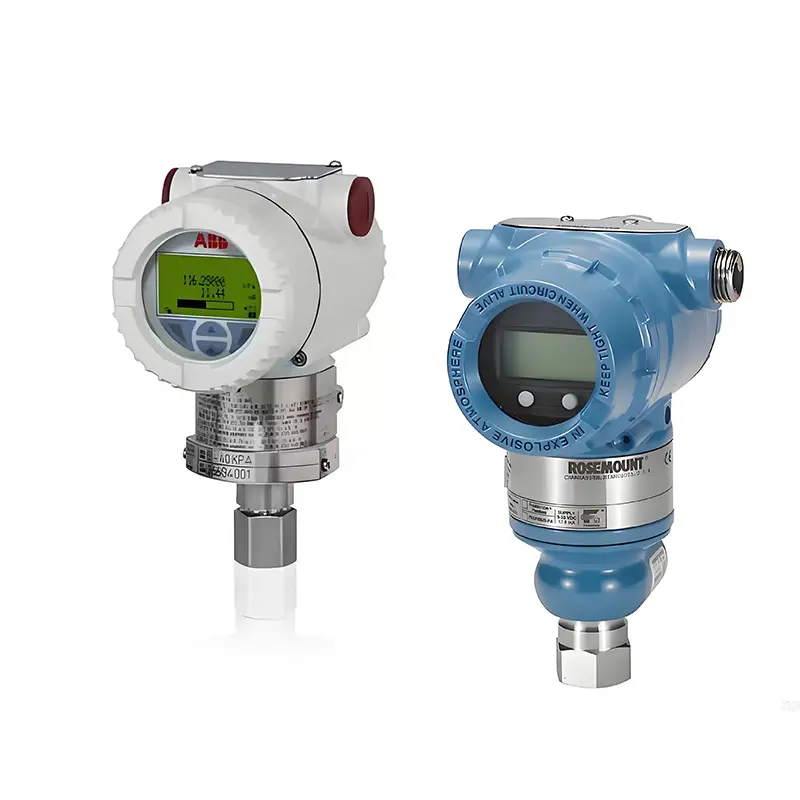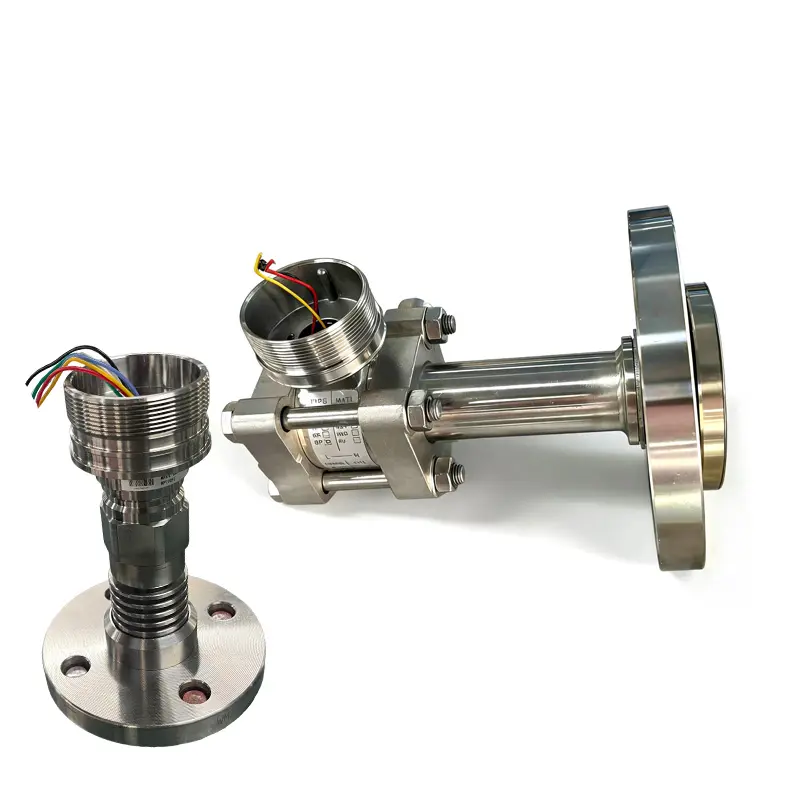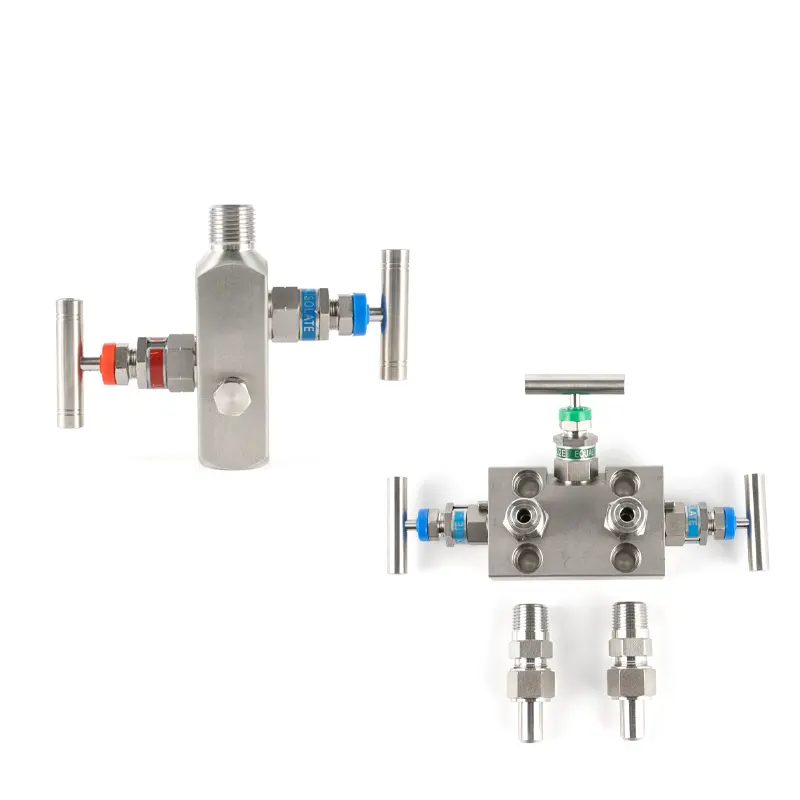
Compact pressure transmitters for hydraulic systems, compressors and small machines are selected for limited space, fast installation, and equipment-level pressure monitoring. These applications often need a small transmitter that can fit directly into the machine and send a reliable signal to the controller.
Although compact transmitters are widely used in equipment, the working conditions are not always simple. Hydraulic systems may have pressure shock, compressors may have vibration and pulsation, and small machines may have tight installation space.
Hydraulic Systems
Hydraulic systems require careful pressure range selection. The normal working pressure may be stable, but pressure spikes can occur during operation. A compact transmitter used in hydraulic service should have a suitable range and enough protection against overpressure.
For hydraulic applications, buyers should check:
- Normal working pressure
- Peak pressure
- Pressure shock frequency
- Thread connection
- Vibration level
- Need for damping or snubber
If the transmitter is installed directly on a hydraulic block, the thread and sealing method must match the block design. A wrong connection may cause leakage or assembly problems.
Compressors
Compressors can create vibration, pulsation, and temperature changes. A compact pressure transmitter may be used for inlet pressure, outlet pressure, oil pressure, or control protection.
For compressor applications, confirm:
- Measuring point
- Pressure range
- Medium type
- Temperature near the transmitter
- Vibration condition
- Signal required by the controller
If the signal is unstable, the issue may come from pressure pulsation or installation position, not only the transmitter itself.
Small Machines
Small machines often choose compact pressure transmitters because of space and cost. The transmitter may be installed inside equipment, near moving parts, or in a tight wiring area. In these cases, size, connector type, and cable direction become very important.
Machine builders should check:
- Housing size
- Electrical connection type
- Cable direction
- Installation clearance
- Label and model identification
- Replacement convenience
A compact transmitter should be easy to install during production and easy to replace during service.
Output and Connection
For hydraulic systems, compressors, and small machines, the output signal should match the machine controller. Common options include 4–20 mA, 0–10 V, 0.5–4.5 V, RS485, or other signals depending on equipment design.
Common electrical connections include DIN connectors, M12 connectors, or direct cable outlet. The best choice depends on machine layout, sealing requirement, and replacement habit.
Conclusion
Compact pressure transmitters are practical for hydraulic systems, compressors, and small machines, but buyers should check pressure shock, vibration, connection, output signal, and installation space before selection.
SIY Electric can supply compact pressure transmitters for hydraulic equipment, compressor systems, small machines, and OEM applications.