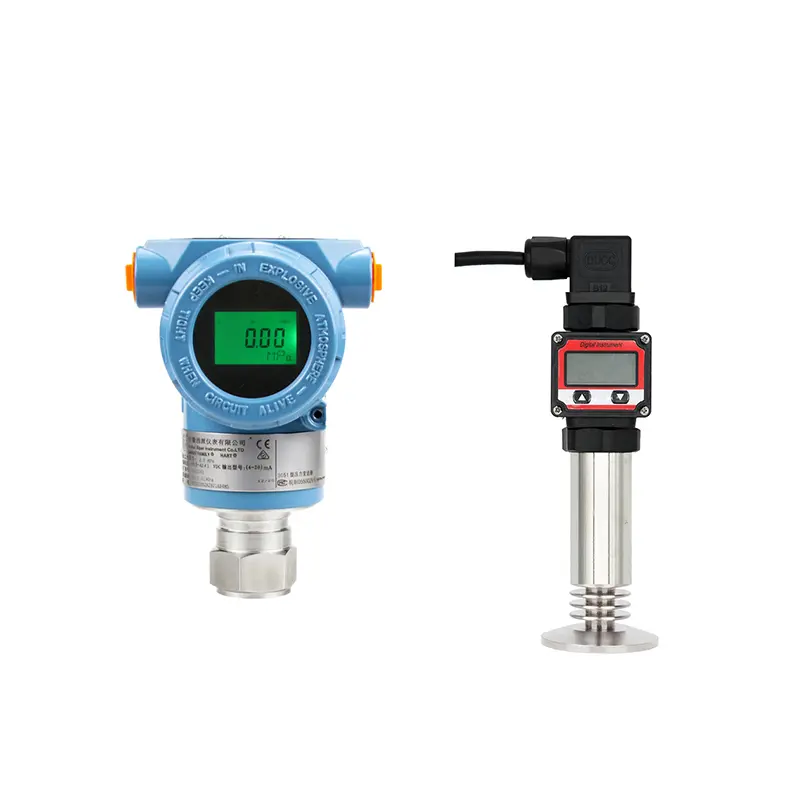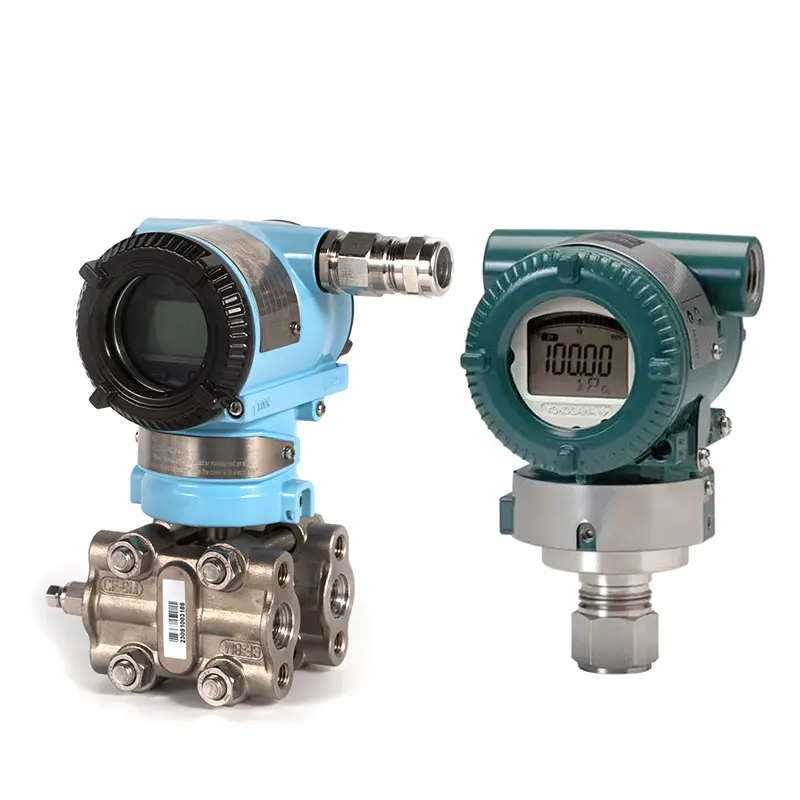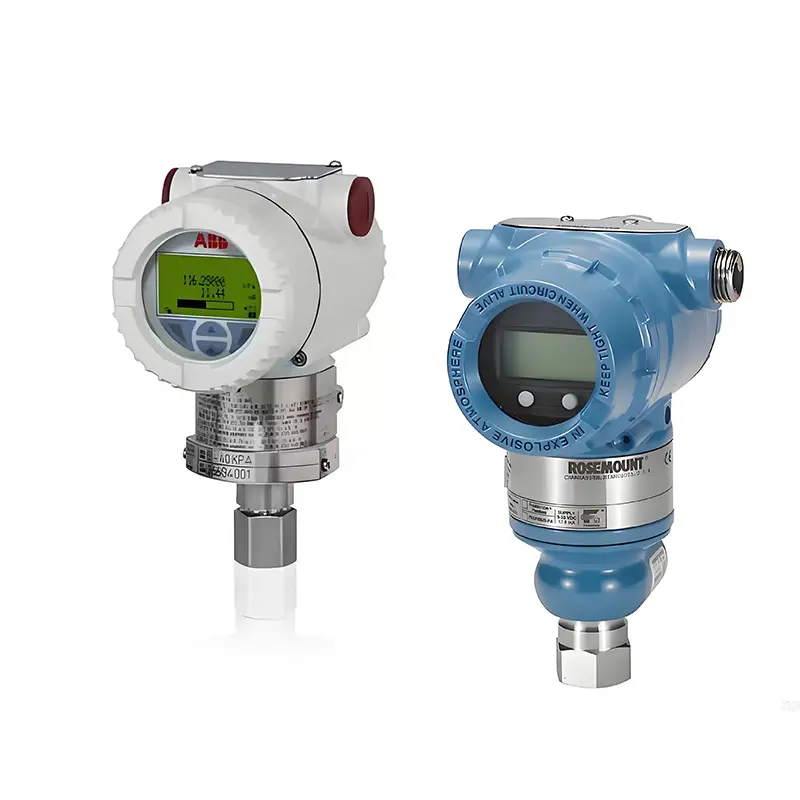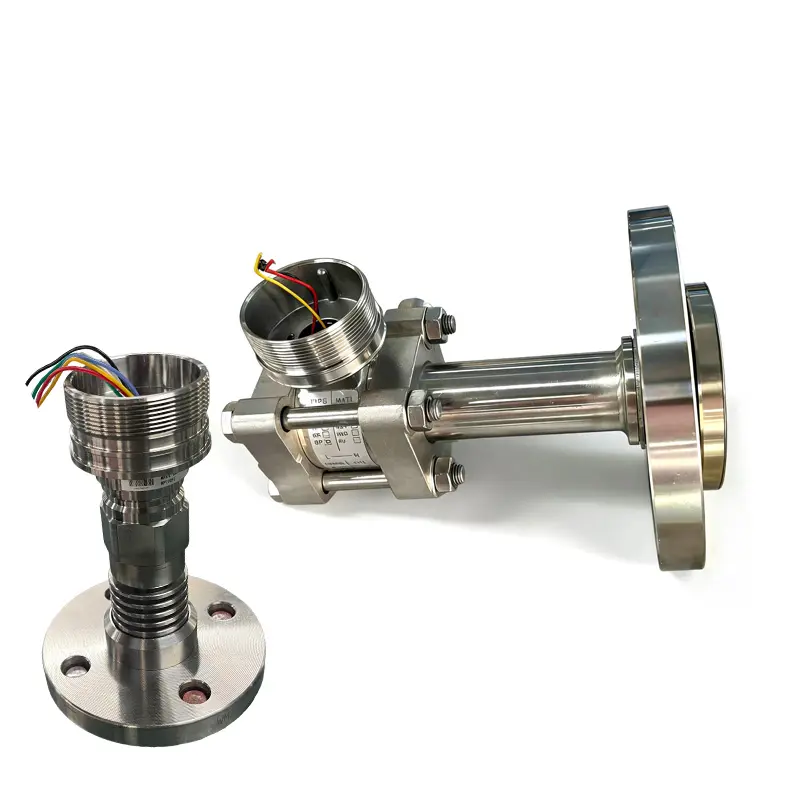
A differential pressure transmitter for filter clogging monitoring measures pressure drop across a filter to show when cleaning or replacement is needed. It does not directly measure dirt inside the filter. It measures the difference between inlet pressure and outlet pressure.
As the filter becomes blocked, the differential pressure increases. This signal can be used for local indication, PLC monitoring, alarm, or maintenance planning.
What Should Be Checked
Filter monitoring is usually straightforward, but the transmitter must be selected according to the real filter condition. The DP range should not be guessed.
Buyers should confirm:
- Clean-filter DP
The pressure drop when the filter is new or clean. - Normal working DP
The usual pressure difference during operation. - Alarm DP
The value where cleaning or replacement should happen. - Maximum DP
The highest differential pressure the transmitter may experience. - Static pressure
The line pressure on both sides of the filter.
Static pressure is important because the DP transmitter must withstand the system pressure even though it measures only the difference.
Medium and Installation
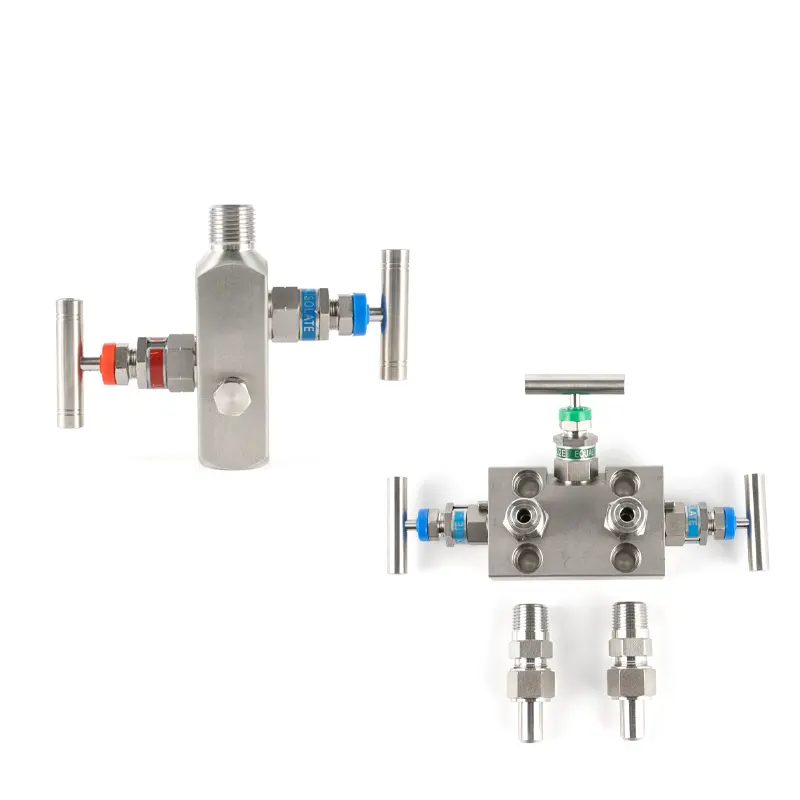
The medium may be water, oil, air, gas, hydraulic fluid, or process liquid. If the medium is dirty, sticky, or corrosive, impulse lines may block or corrode. In these cases, installation accessories or diaphragm seals may be needed.
The high-pressure side should connect before the filter, and the low-pressure side after the filter. Wrong connection can reverse the signal.
Conclusion
A differential pressure transmitter for filter clogging monitoring should be selected by checking clean-filter DP, alarm value, maximum DP, static pressure, medium, and installation layout.
SIY Electric can help select DP transmitters for filter monitoring in water treatment, oil systems, compressed air, hydraulic systems, and process equipment.