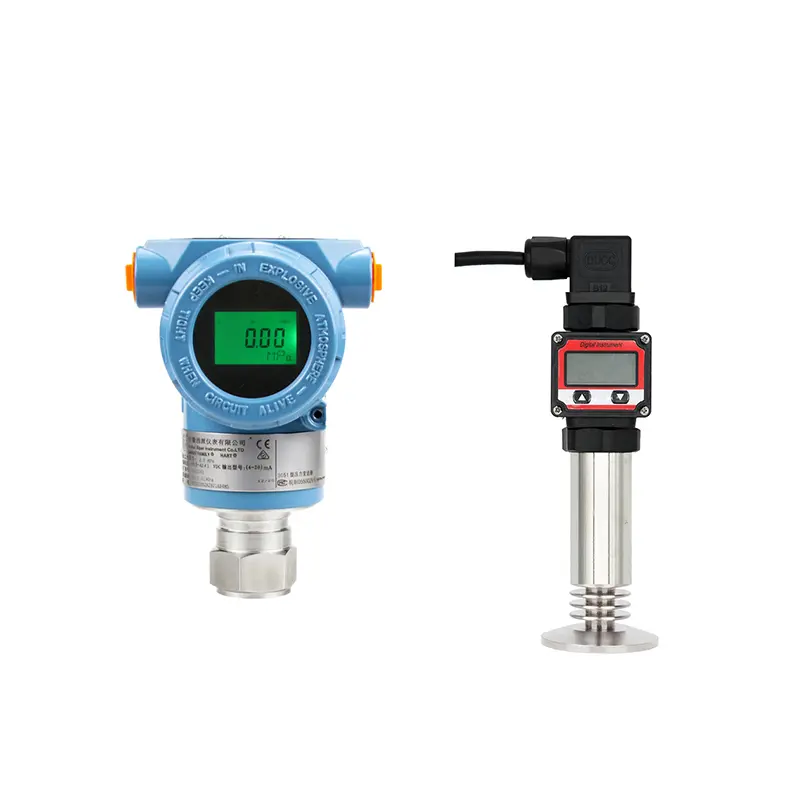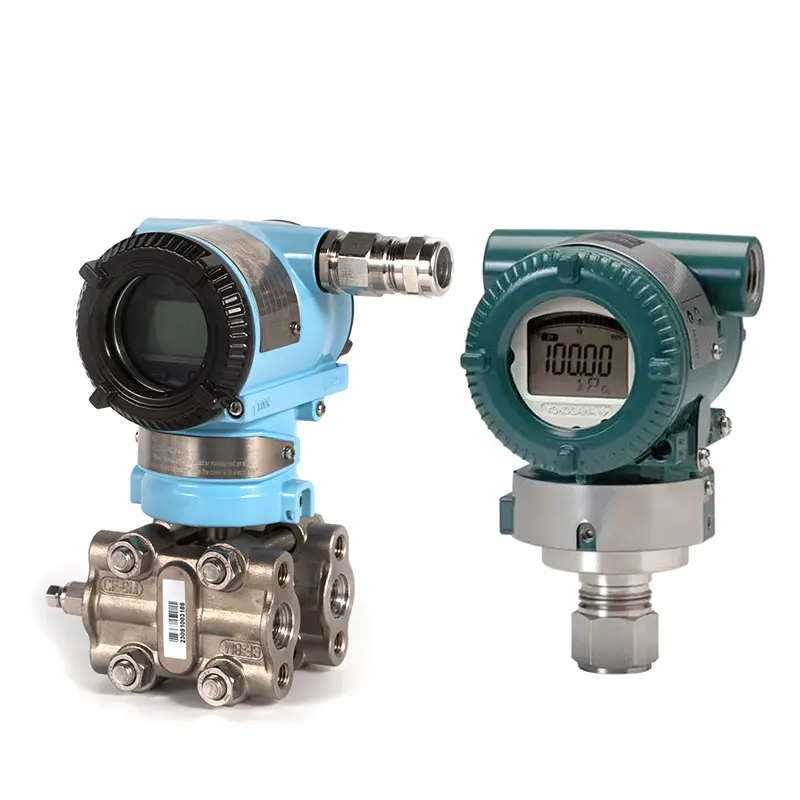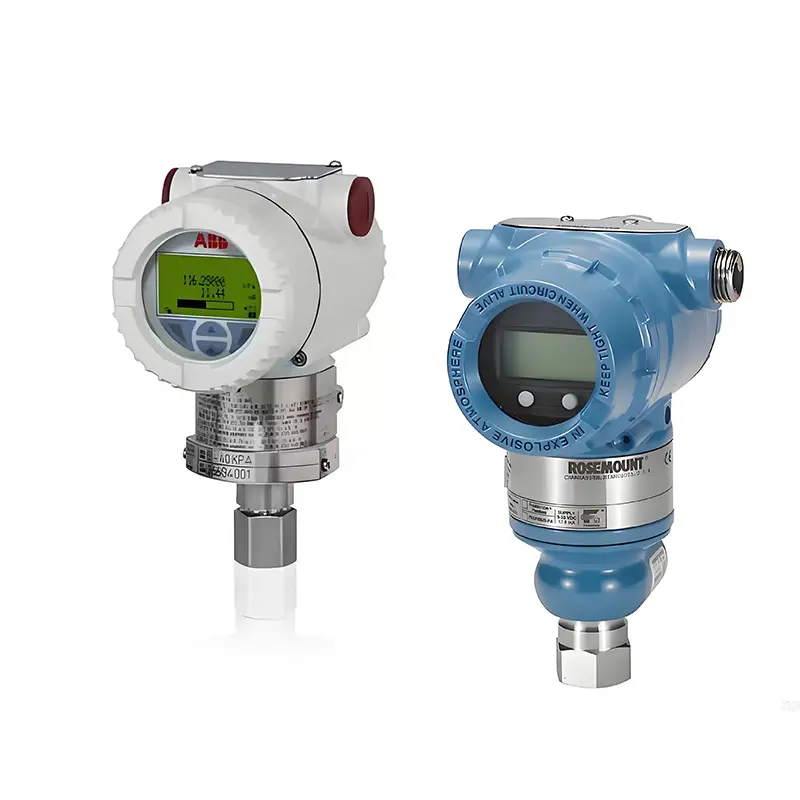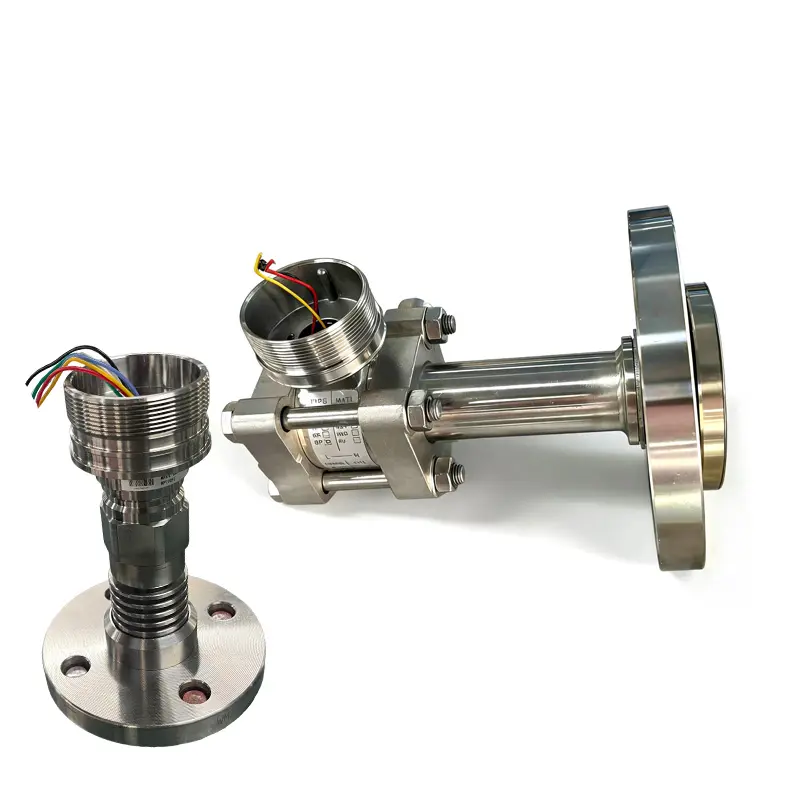
Fill fluid affects diaphragm seal pressure transmitter performance by transferring pressure from the diaphragm to the sensor. In a diaphragm seal system, the process medium does not enter the sensor directly. The diaphragm receives the process pressure, and the fill fluid transmits that pressure through the sealed internal system.
Because fill fluid is part of the measuring path, it can affect response time, temperature performance, stability, and suitability for special applications.
Why Fill Fluid Matters
Fill fluid is not visible from the outside, so it is often ignored by buyers. However, the wrong fill fluid can cause slow response, temperature drift, unstable output, or poor performance in vacuum or high-temperature service.
Fill fluid selection is important because it affects:
- Pressure transmission
- Response time
- Temperature range
- Vacuum performance
- Long-term stability
- Suitability for sanitary or special applications
For standard applications, the supplier may use a common fill fluid. For high-temperature, low-temperature, vacuum, or food-grade applications, fill fluid should be confirmed more carefully.
Temperature Performance
Temperature is one of the main reasons fill fluid matters. Different fill fluids have different viscosity and expansion behavior. When temperature changes, the fluid behavior can affect measurement stability.
For high-temperature applications, the fill fluid must remain stable and should not break down. For low-temperature applications, the fluid should not become too viscous. If the fluid becomes too thick, response may become slow.
Buyers should provide:
- Normal working temperature
- Maximum working temperature
- Minimum temperature, if low temperature exists
- Ambient temperature around capillary or transmitter body
This helps the supplier choose a suitable fill fluid and seal structure.
Response Time
Fill fluid also affects response time. In general, longer capillaries, higher viscosity fill fluids, smaller diaphragm sizes, and low-temperature conditions can slow the response.
This is important when the pressure signal is used for control. If the response is too slow, the control system may not react as expected.
Response time is affected by:
- Fill fluid type
- Capillary length
- Diaphragm size
- Process temperature
- Ambient temperature
- Measuring range
For simple monitoring, response time may not be critical. For control loops, it should be checked.
Vacuum and Special Applications
Some diaphragm seal systems are used in vacuum or compound pressure applications. In these cases, fill fluid and seal construction must be selected carefully. Not every fill fluid performs well under vacuum.
For sanitary or food applications, the buyer may require food-grade fill fluid. For oxygen, high-purity, or special chemical applications, additional checks may be needed.
The supplier should know the application before choosing the fill fluid. It should not be treated as a standard hidden detail.
Capillary Systems Need More Attention
Fill fluid becomes more important when capillary seals are used. The capillary adds internal volume and exposes the fill fluid to ambient temperature changes. If the capillary is long or installed in an area with strong temperature variation, measurement stability may be affected.
For capillary systems, confirm:
- Capillary length
- Installation route
- Ambient temperature along the capillary
- Height difference
- Required response time
- Process temperature
A shorter and well-protected capillary is usually better when the installation allows it.
Conclusion
Fill fluid is an important part of diaphragm seal pressure transmitter performance. It affects pressure transmission, temperature stability, response time, vacuum suitability, and special application compatibility.
SIY Electric can help select diaphragm seal fill fluid according to process temperature, capillary length, response requirement, vacuum condition, and application needs.