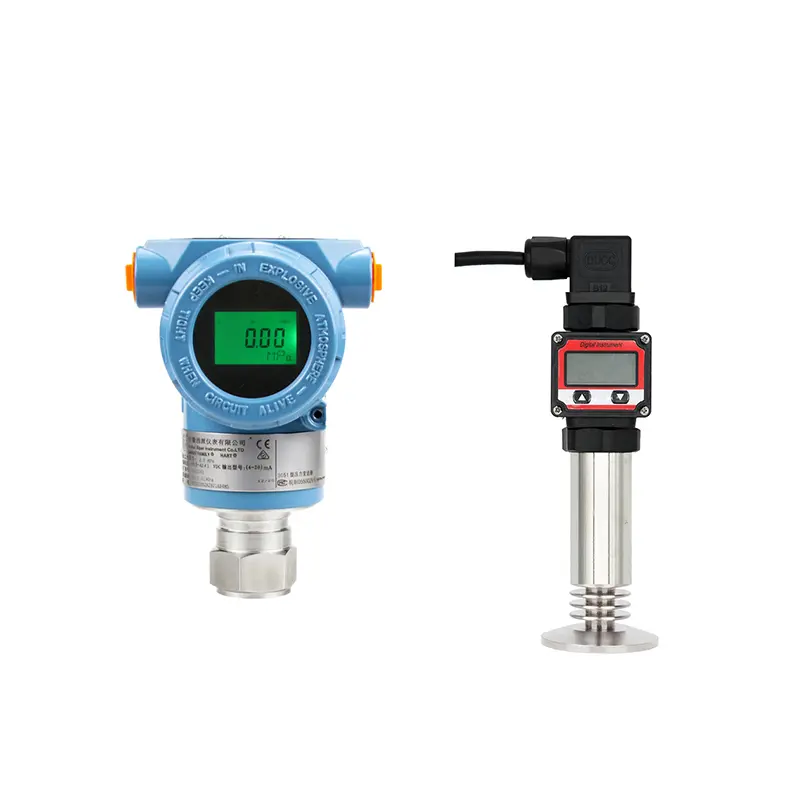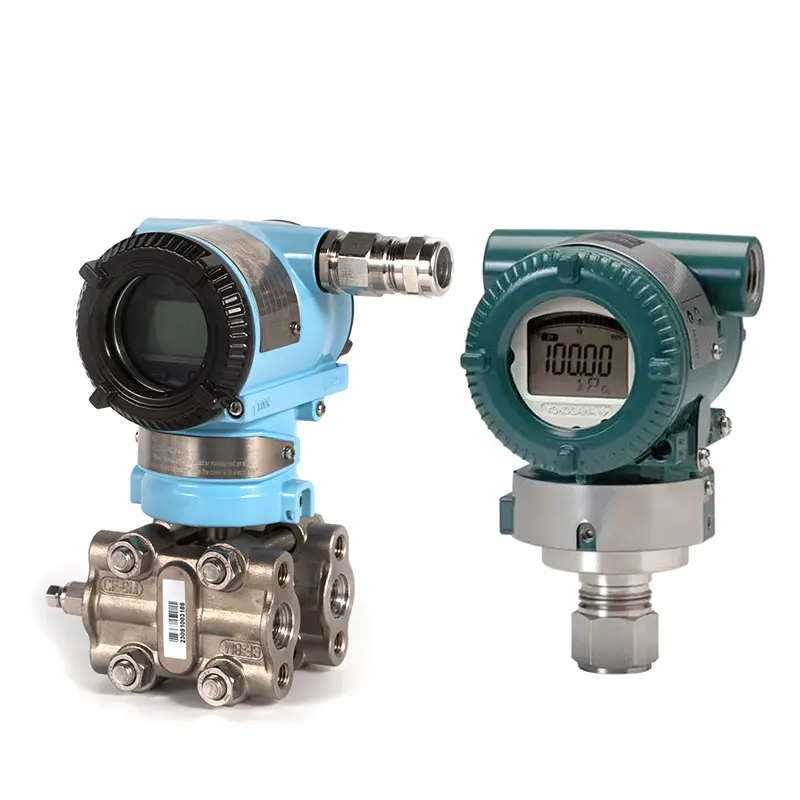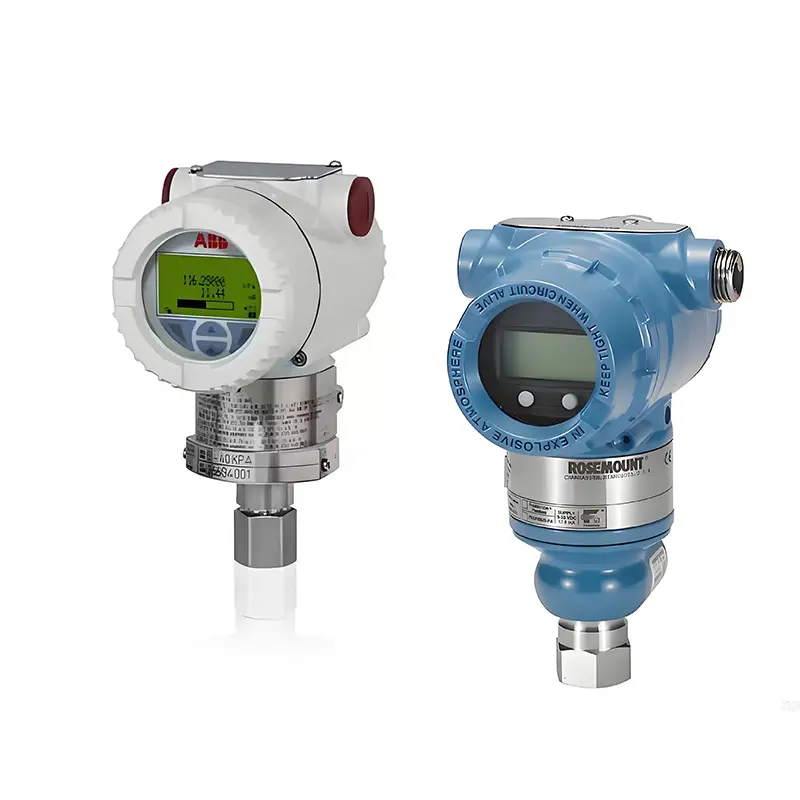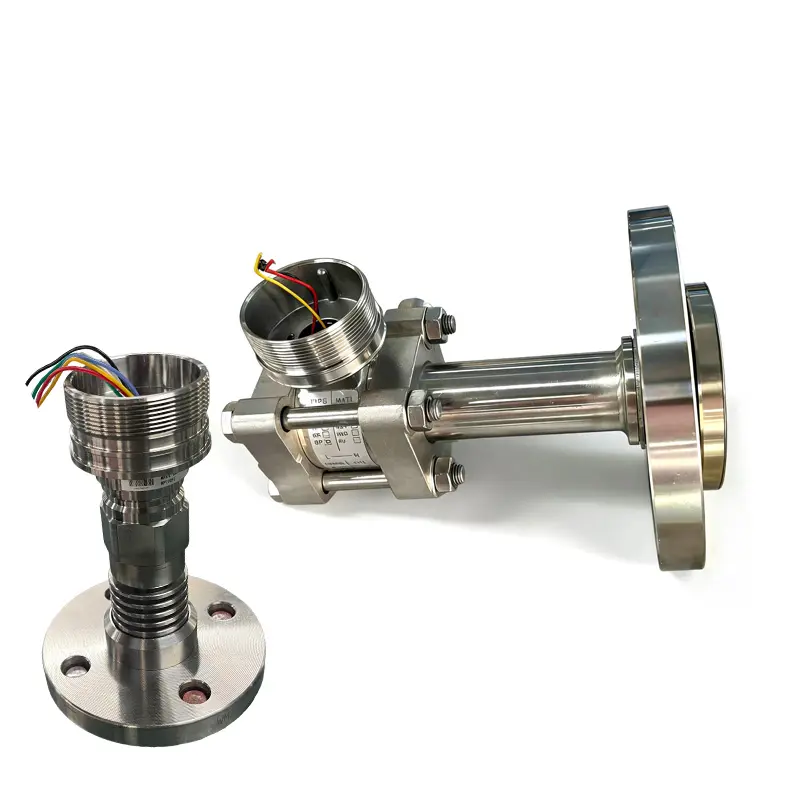
Remote seal pressure transmitter fill fluid affects pressure transmission, response time, temperature stability, vacuum suitability, and long-term measurement performance. In a remote seal system, the process medium does not enter the sensor directly. The diaphragm receives the process pressure, and the fill fluid transfers that pressure through the sealed system.
Because the fill fluid is hidden inside the seal and capillary, buyers may ignore it. But in high-temperature, low-temperature, vacuum, capillary, or sanitary applications, fill fluid selection can strongly affect performance.
Temperature Influence
Temperature is one of the main reasons fill fluid matters. Different fill fluids have different viscosity, expansion behavior, and temperature limits. If the fill fluid is not suitable for the process temperature, the transmitter may drift, respond slowly, or become unstable.
For high-temperature service, the fill fluid must remain stable. For low-temperature service, it must not become too viscous. For capillary systems, ambient temperature around the capillary also matters.
Response Time
Fill fluid affects how quickly pressure changes are transferred to the sensor. Longer capillaries, smaller diaphragm sizes, low temperature, and higher fluid viscosity can slow response.
This may not matter much for simple monitoring. But if the signal is used for control, slow response can affect system performance.
Vacuum and Special Applications
Vacuum applications need special attention because not every fill fluid works well under vacuum conditions. Sanitary or food applications may require food-grade fill fluid. Oxygen, high-purity, or special chemical applications may require additional checks.
The supplier should know the application before selecting fill fluid. It should not be treated as a standard hidden option.
Capillary Seal Applications
Fill fluid becomes more important when remote capillaries are used. The longer the capillary, the more fill fluid volume exists in the system. This can increase response time and temperature influence.
For capillary seal systems, buyers should provide capillary length, process temperature, ambient temperature, pressure range, and response requirement.
Conclusion
Remote seal pressure transmitter fill fluid is an important performance factor. It affects temperature stability, response time, vacuum suitability, capillary behavior, and long-term reliability.
SIY Electric can help select suitable fill fluid for remote seal pressure transmitters according to temperature, capillary length, vacuum condition, sanitary requirement, and process application.