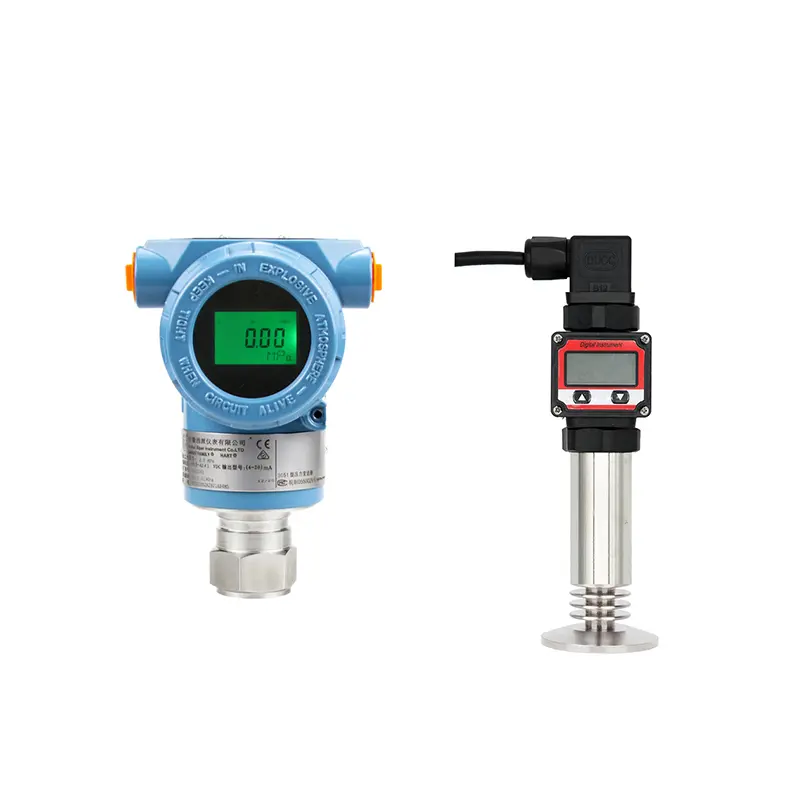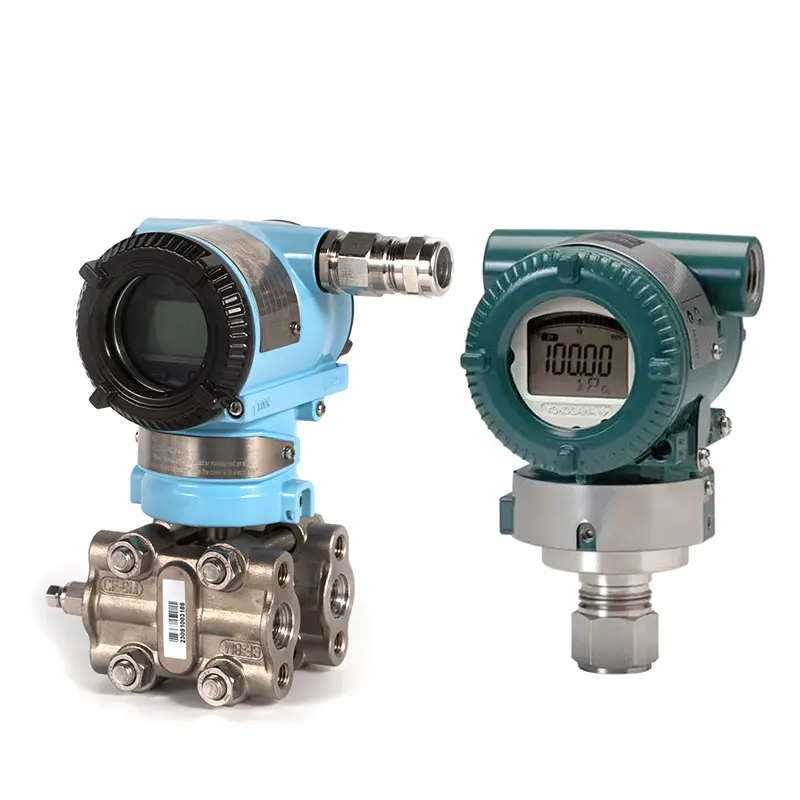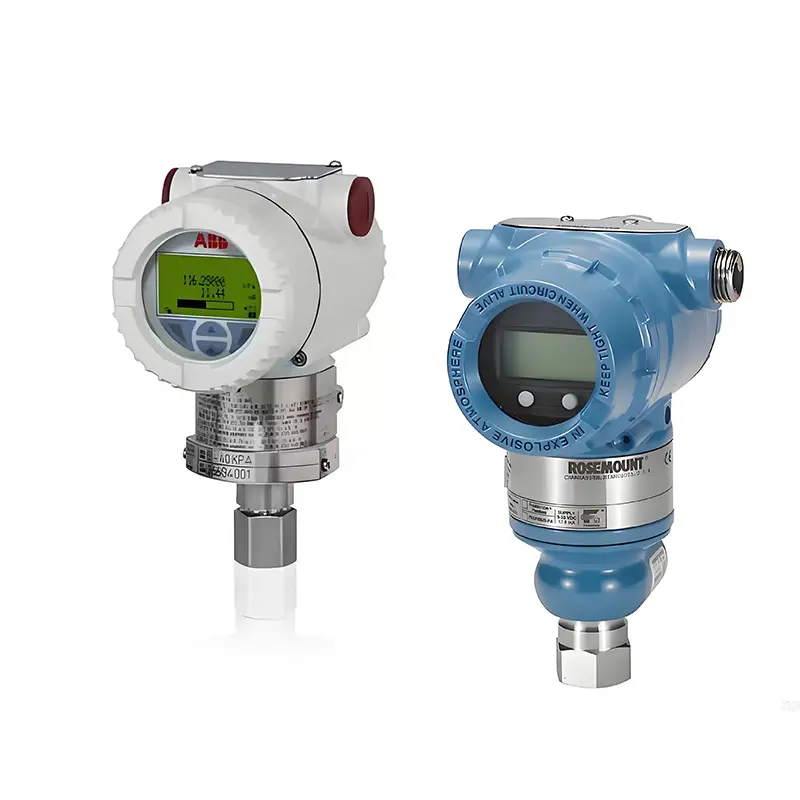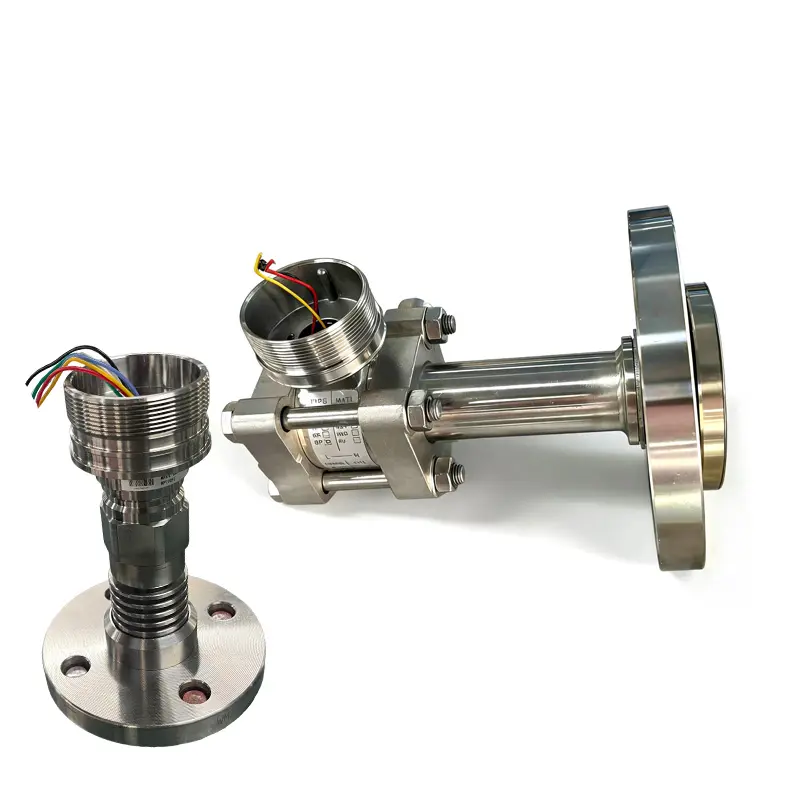
Capillary pressure transmitter accuracy can be affected by installation position, capillary length, height difference, ambient temperature, and fill fluid behavior. This is why capillary transmitters should not be installed only by convenience. The installation layout can directly influence zero point, response time, and long-term stability.
A capillary seal system is more sensitive than a direct-mounted transmitter because the pressure signal passes through fill fluid inside the capillary. If the capillary is too long, exposed to changing temperature, or installed with large height difference, measurement error may increase.
Height Difference and Zero Shift
Height difference between the diaphragm seal and transmitter body can create a pressure effect from the fill fluid column. This is especially important for low ranges and level measurement. If this effect is not considered during calibration, the transmitter may show zero shift.
For simple pressure measurement, the effect may be small. For tank level, low-pressure ranges, or remote seal applications, planned installation height should be confirmed before calibration.
Capillary Length and Response
Capillary length affects response time. A longer capillary may be necessary when the transmitter must be kept away from heat or difficult access areas, but it can also slow the pressure response.
Buyers should not choose a long capillary only for convenience. The better choice is the shortest practical length that still allows safe installation and maintenance.
Ambient Temperature Influence
Ambient temperature around the capillary can affect fill fluid behavior. If the capillary passes through areas with different temperatures, or if it is exposed to sunlight, cold wind, or heat radiation, the output may become less stable.
This issue becomes more important when the range is small, the capillary is long, the transmitter is installed outdoors, or the application requires high stability.
Mechanical Protection
The capillary should not be sharply bent, crushed, pulled, or left unsupported. Mechanical damage can affect performance or cause failure. The transmitter body should also be mounted where it is easy to read, maintain, and protect from vibration.
Conclusion
Capillary pressure transmitter accuracy depends not only on the transmitter itself, but also on installation position. Height difference, capillary length, ambient temperature, fill fluid, and mechanical protection should be checked before ordering and calibration.
SIY Electric can help review installation layouts for capillary pressure transmitters and recommend suitable capillary length, fill fluid, and mounting arrangements.