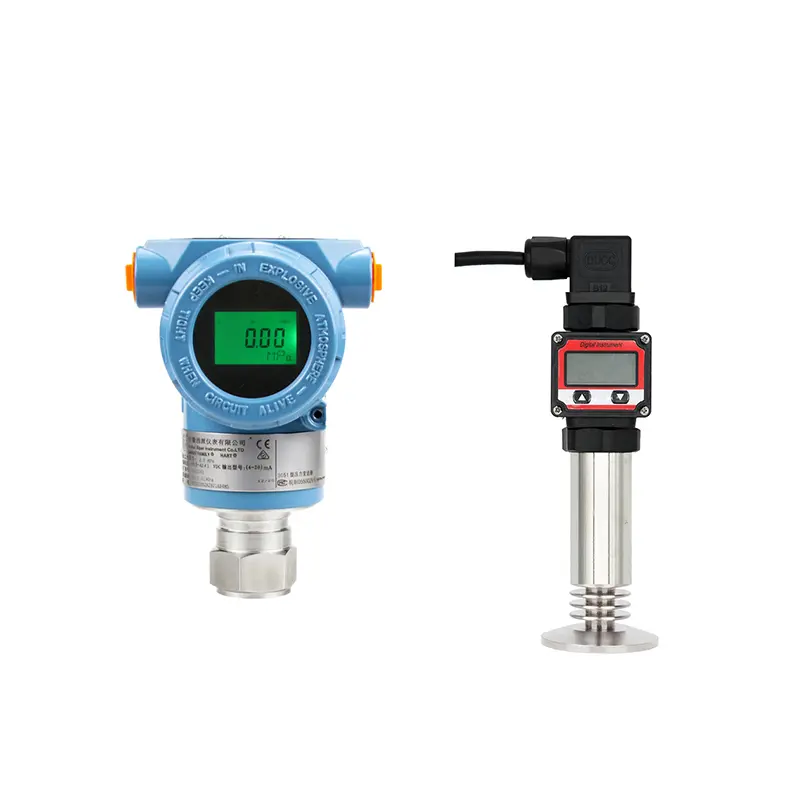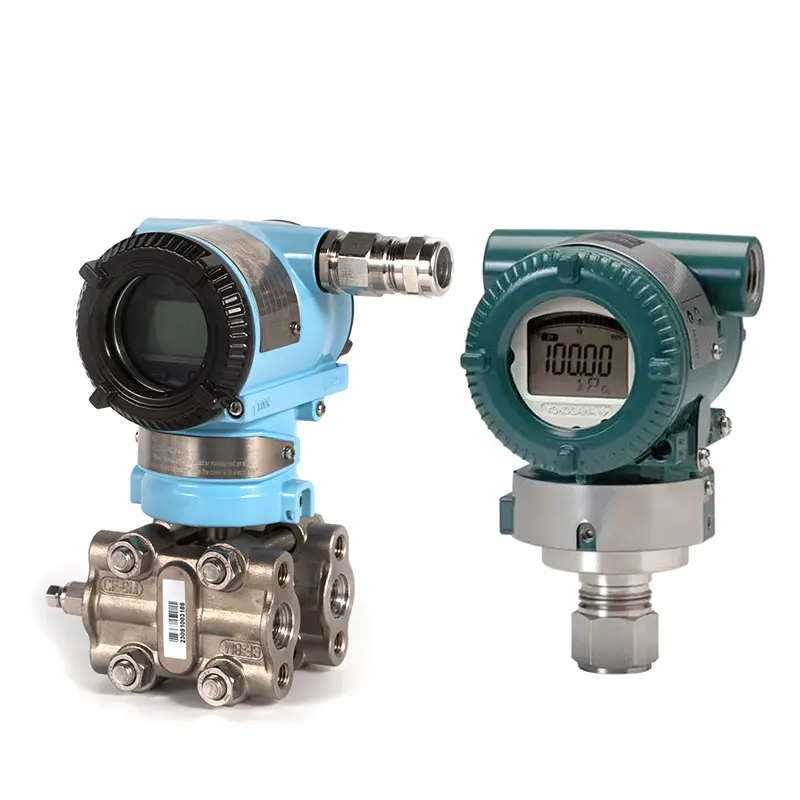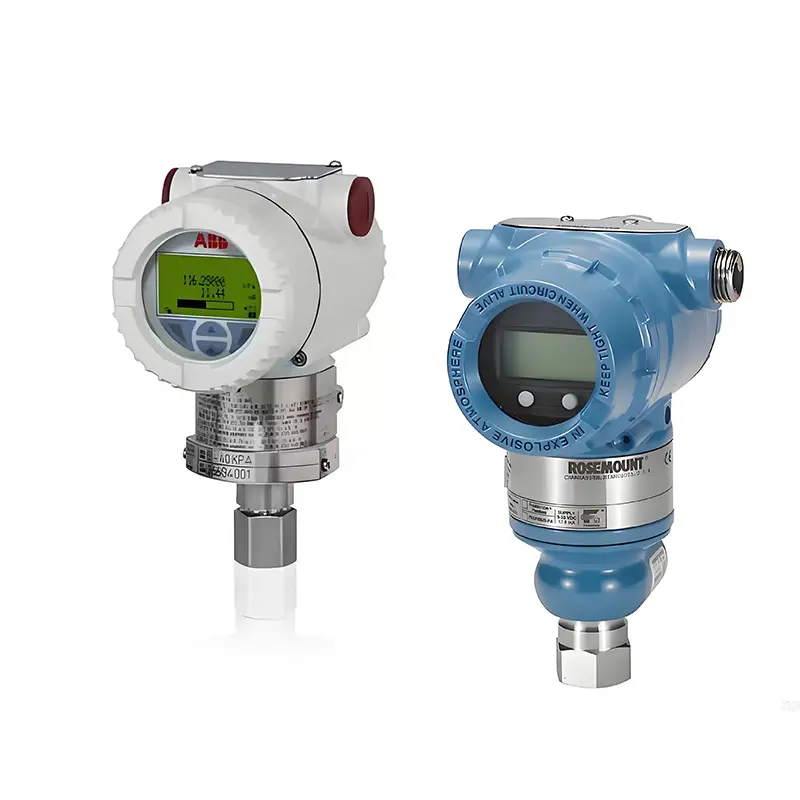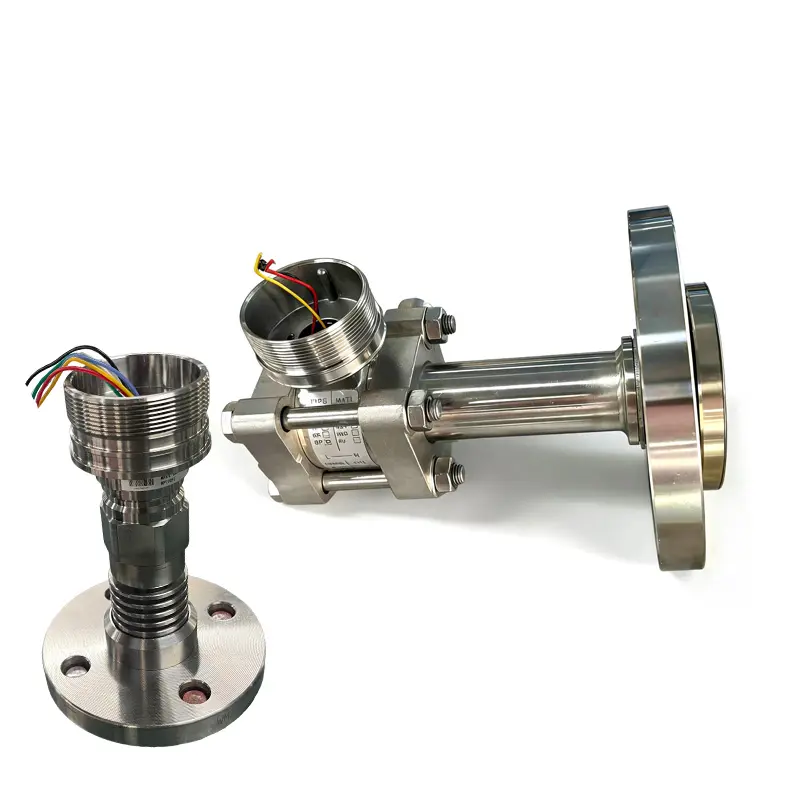
Calibrating an absolute pressure transmitter requires an absolute pressure reference, not a simple atmospheric zero check. This is the most important difference from calibrating a gauge pressure transmitter. An absolute pressure transmitter measures pressure relative to absolute vacuum, so atmosphere is not zero.
This point is often misunderstood. If a buyer treats an absolute pressure transmitter like a gauge transmitter, the calibration result will be wrong.
Understand the Reference First
A gauge pressure transmitter reads zero when process pressure equals local atmospheric pressure. An absolute pressure transmitter does not. At normal atmosphere, an absolute pressure transmitter should read approximately atmospheric pressure, not zero.
That means calibration equipment must provide or simulate absolute pressure correctly. A normal gauge calibrator may not be enough unless the method and reference are suitable.
For absolute pressure calibration, buyers should confirm:
- The required absolute pressure range.
- The pressure unit, such as kPa abs, bar abs, mbar abs, or Torr.
- Whether the application is vacuum, gas process, or sealed vessel measurement.
- The reference standard used for calibration.
The unit and pressure reference should be written clearly. For example, 0–100 kPa absolute is not the same as 0–100 kPa gauge.
Basic Calibration Logic
The calibration process checks whether the transmitter output matches known absolute pressure points across its configured range. For a 4–20 mA transmitter, the lower range value should correspond to 4 mA, and the upper range value should correspond to 20 mA.
A typical calibration check includes:
- Connect the transmitter to stable power and signal measurement.
- Connect a suitable absolute pressure reference or vacuum calibration system.
- Apply the lower calibration point and check output.
- Apply one or more middle points and check linear response.
- Apply the upper calibration point and check span output.
- Return to the lower point and check repeatability.
Adjustment should only be made after confirming that the test setup is correct.
Common Mistakes
The most common mistake is using atmospheric pressure as zero. Another mistake is mixing gauge and absolute units in the calibration record or PLC scaling.
Other common problems include unstable vacuum source, leakage in fittings, wrong pressure unit, incorrect transmitter range, and wrong output scaling in the PLC or display.
For vacuum applications, even small leaks can affect calibration. The test connection must be tight and stable before judging transmitter performance.
Before Field Adjustment
If an absolute pressure transmitter appears wrong on site, do not adjust it immediately. First confirm whether the control system is using the correct scaling and pressure reference. Also check whether the transmitter is configured as absolute pressure and whether the displayed unit matches the process requirement.
In many cases, the transmitter is not faulty. The issue comes from wrong reference understanding or wrong signal scaling.
Conclusion
To calibrate an absolute pressure transmitter correctly, buyers must use the correct absolute pressure reference, unit, range, and output scaling. Atmosphere is not zero for an absolute transmitter, so calibration should not be handled like a gauge pressure transmitter.
SIY Electric can help buyers check absolute pressure transmitter range, signal output, and calibration requirements before ordering or replacement.