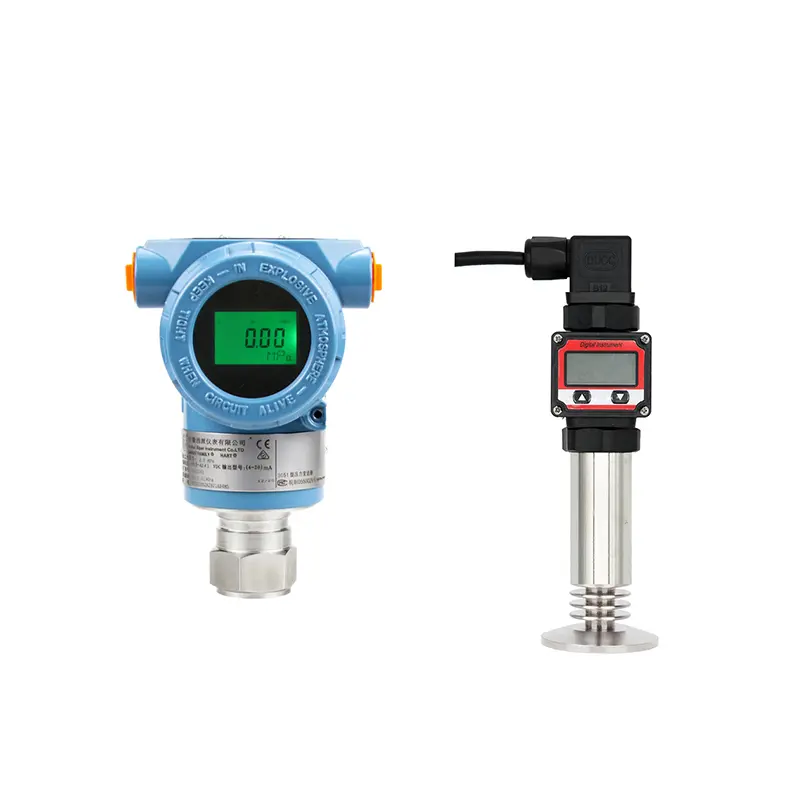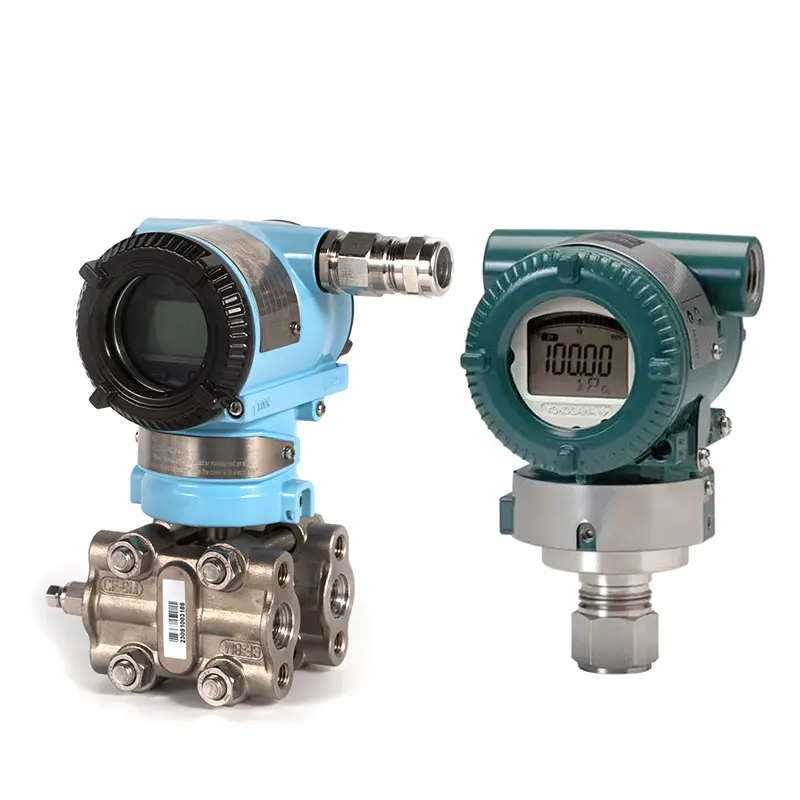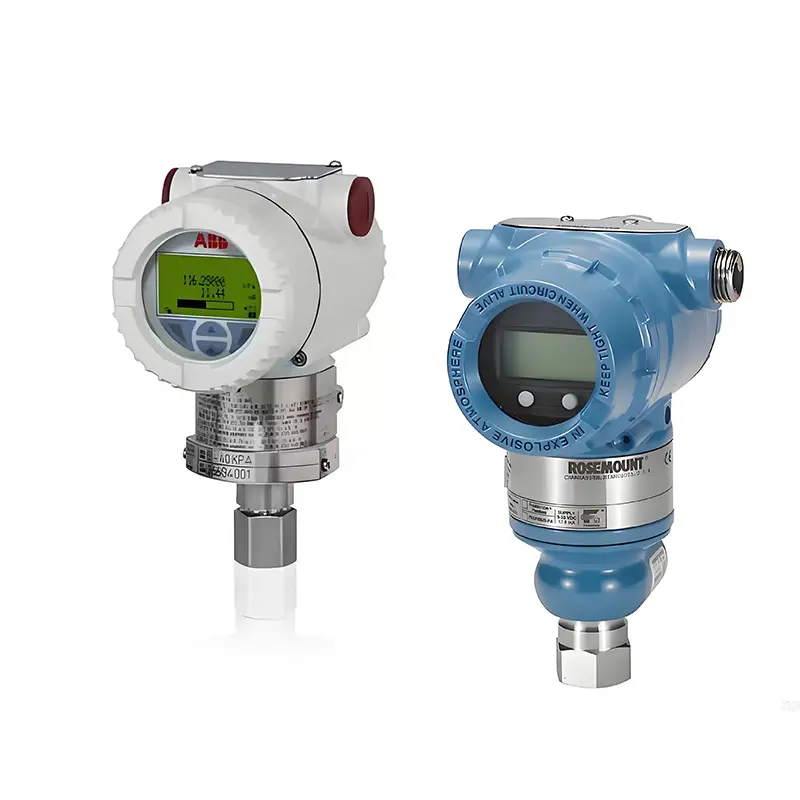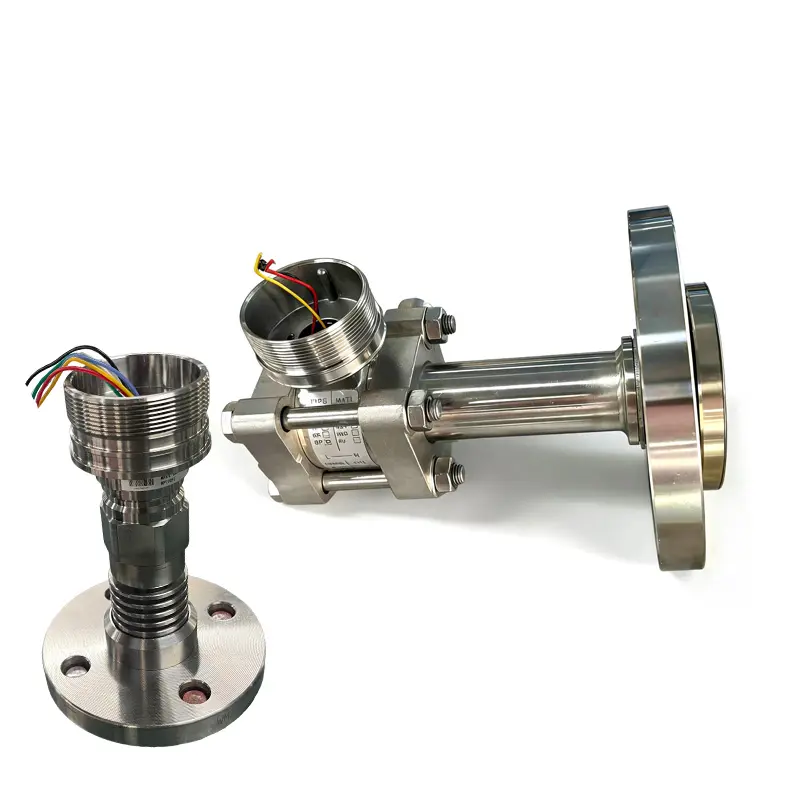
Checking whether a pressure transmitter is genuine before buying is important when purchasing global brand instruments, replacement transmitters or project-specified models. A pressure transmitter may look correct from the outside, but buyers still need to check the source, model code, documents and product details before placing an order.
For brands such as Rosemount, ABB, E+H or Yokogawa, price differences can be large. This is why buyers should not judge only by a product photo or a low quotation. A careful check can reduce the risk of receiving a wrong model, used unit, refurbished unit or non-genuine product.
Start With the Supplier Source
The first thing to check is the supplier source. A reliable supplier should be able to explain where the product comes from, what configuration is being quoted and what documents can be provided.
Before buying, buyers should ask:
- Is the product new or used?
This must be clear before payment. - Is it original brand product or equivalent replacement?
These are different things and should not be mixed. - Can the supplier provide clear model information?
A vague quote is risky for brand instruments. - Can the supplier provide real product photos or nameplate photos before shipment?
Photos help buyers check the model and basic configuration.
A supplier who avoids these questions may not be suitable for project procurement.
Check the Complete Model Code
The complete model code is one of the most important details. For pressure transmitters, one missing code segment can change the range, material, output, connection, housing, certificate or diaphragm seal structure.
Buyers should not accept only a short model name. For example, a general series name does not fully identify the transmitter. The complete model code should be checked against the required datasheet or old nameplate.
Key items to verify include:
- Pressure type
- Measuring range
- Output signal
- Process connection
- Wetted material
- Housing and display
- Explosion-proof or approval code
- Diaphragm seal or capillary details, if any
If the buyer is replacing an old unit, the old nameplate photo should be compared with the new quote carefully.
Check the Nameplate and Product Details
The nameplate should match the quoted model code. It should also match the physical product and documents.
Buyers should check:
- Brand name and model code
- Serial number
- Measuring range
- Output signal
- Power supply
- Process connection
- Approval marking, if required
- General appearance and housing style
For diaphragm seal pressure transmitters, also check the flange size, diaphragm material, capillary length and filling fluid information if available.
A product photo is useful, but it is not enough by itself. The photo, nameplate, model code and quotation should match each other.
Check Documents Carefully
Documents can help support a purchase, but buyers should understand what each document means. A certificate of conformity, calibration certificate, packing list, commercial invoice and origin document are not the same thing.
Before ordering, confirm which documents are required by the project.
Common documents may include:
- Certificate of conformity
- Calibration certificate
- Test report
- Packing list
- Commercial invoice
- Certificate of origin, if required
- Datasheet or manual
If the project requires specific brand authorization documents, this should be discussed before purchase. Buyers should not assume every supplier can provide every type of document.
Be Careful With Unusually Low Prices
A very low price is not always a problem, but it should be checked carefully. Sometimes the price is lower because the unit is old stock, surplus stock, a different configuration, used, refurbished, or missing documents.
Before accepting a much lower price, buyers should confirm:
- Is the product new?
- Is the model code exactly the same?
- Are all required documents included?
- Is the lead time realistic?
- Are photos and nameplate details available?
- Is the warranty condition clear?
A cheap price is not useful if the transmitter cannot pass project acceptance or cannot be installed on site.
Conclusion
To check whether a pressure transmitter is genuine before buying, buyers should review the supplier source, complete model code, nameplate, product photos, documents, price reason and warranty terms. For global brand transmitters, careful checking before payment is much safer than solving problems after delivery.
SIY Electric can help buyers compare model codes, nameplate photos and document requirements before ordering selected global brand pressure transmitters. Buyers can send the required model or old nameplate for checking.