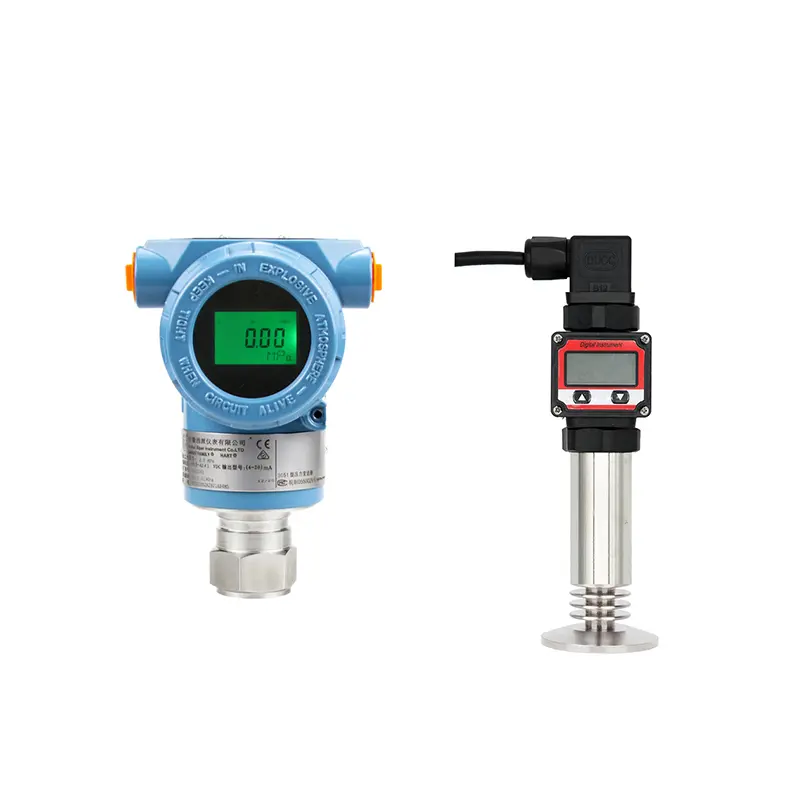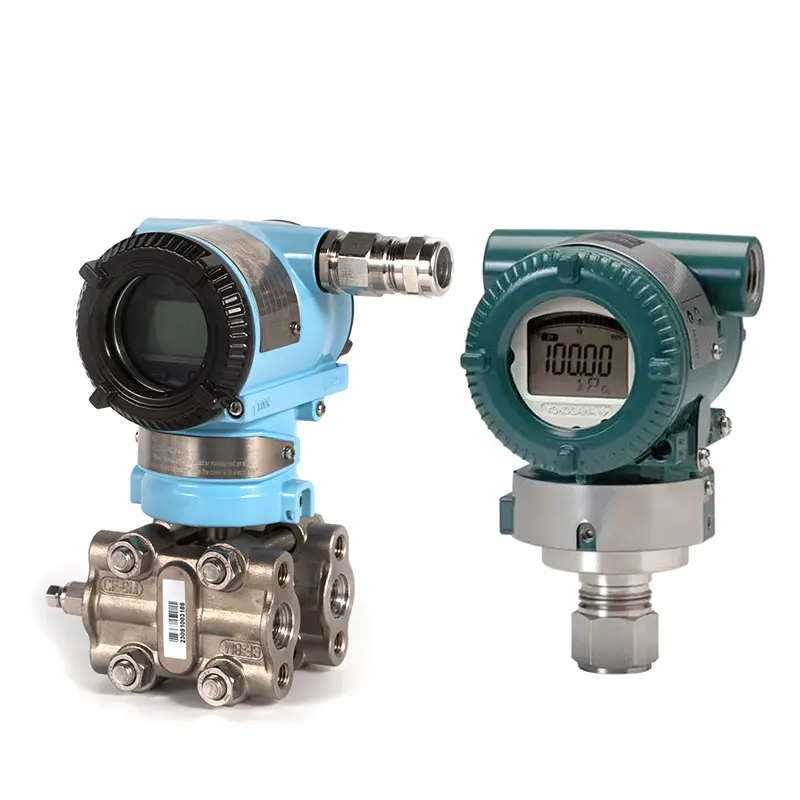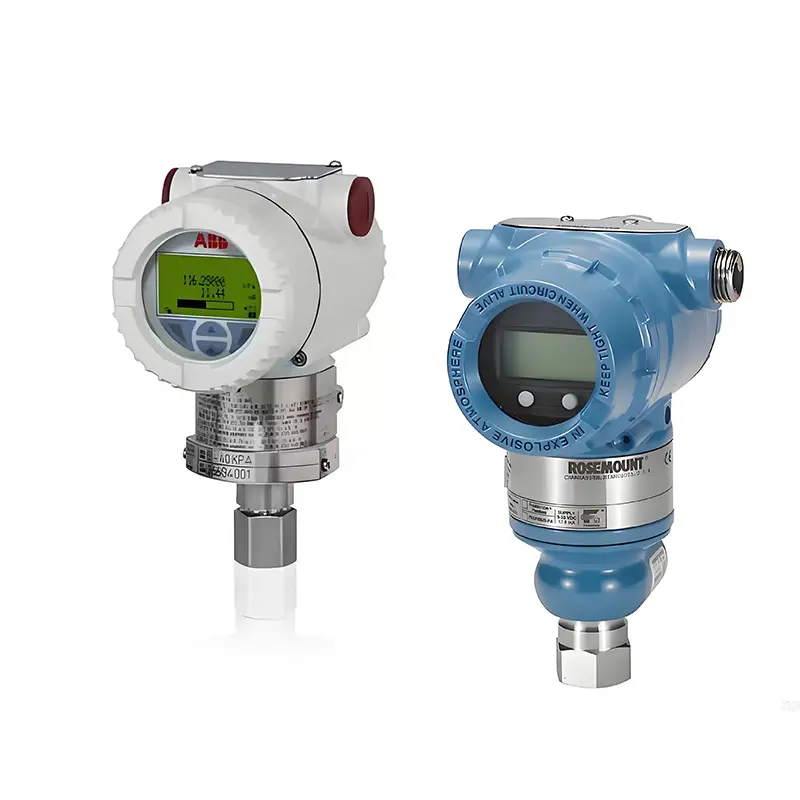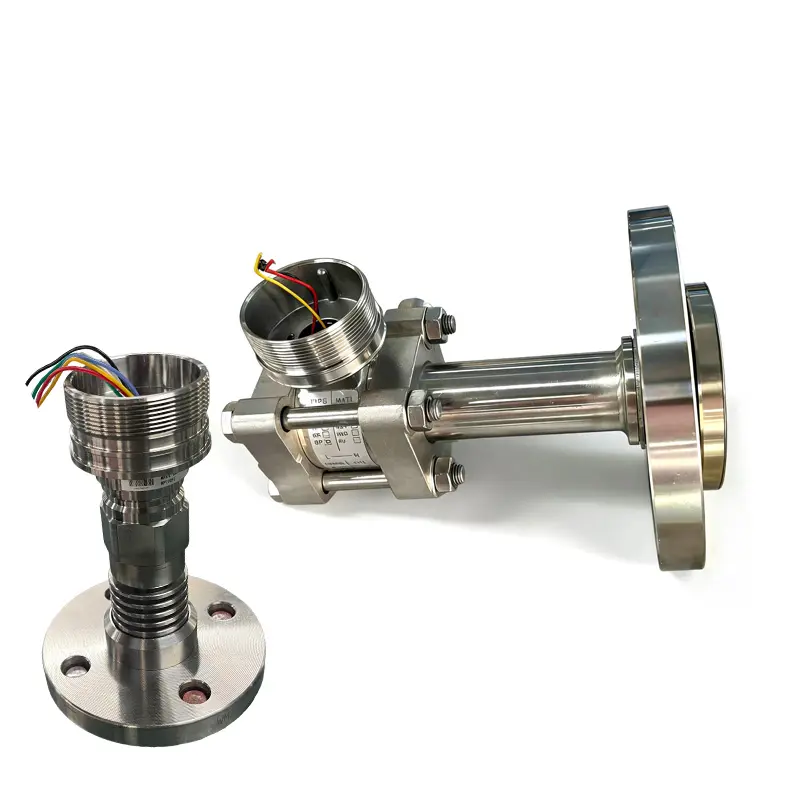
A diaphragm seal pressure transmitter for corrosive media should be selected by checking the medium, wetted materials, sealing structure, temperature, and process connection together. For corrosive applications, it is not enough to choose a transmitter only by pressure range or flange size. The main risk is whether the parts in contact with the medium can survive long-term operation.
Many buyers focus only on the diaphragm material. This is important, but it is not the whole selection. In a corrosive process, the diaphragm, flange, process connection, gasket, lining, and even the filling system may all affect service life. A transmitter may still fail if the diaphragm is suitable but the flange or sealing material is not.
Understand the Corrosive Medium First
Before choosing the diaphragm seal structure, the supplier needs to know what the medium actually is. A general description such as “acid liquid” or “wastewater” may not be enough. Different acids, concentrations, temperatures, and impurities can create very different corrosion risks.
For corrosive media, buyers should provide:
- Medium name and concentration
This is the first basis for material selection. - Working temperature
Some materials work well at normal temperature but become unsuitable at higher temperature. - Chloride, fluoride, or other special ions
These can change the material choice completely. - Whether the liquid is clean or dirty
Suspended solids may affect diaphragm surface and sealing. - Whether the medium is acidic, alkaline, or mixed wastewater
Some materials resist acids well but are not suitable for alkali.
The more specific the medium information is, the more reliable the quotation and selection will be.
Choose the Right Diaphragm Material
The diaphragm is the main barrier between the process medium and the transmitter sensor. For common non-corrosive media, 316L stainless steel may be enough. For corrosive media, special materials may be required.
Common diaphragm material options include:
- 316L stainless steel
Suitable for many common liquids, water, air, and mild service. It should not be assumed suitable for strong corrosion. - Hastelloy C276
Often considered for many chemical applications, especially where stainless steel is not enough. - Tantalum
Used for some strong acid applications, but it is not suitable for all media. It should not be selected blindly. - Monel
Used in some special chemical conditions, such as certain fluoride-related applications. - PTFE lining or coating
Often used when broader chemical resistance is needed, especially when metal wetted parts are not suitable.
Material selection should be based on the actual medium. A more expensive material is not always the right material.
Do Not Ignore Other Wetted Parts
For corrosive service, the diaphragm is only one part of the wetted system. If the process connection or flange is also exposed to the medium, its material must be checked as well.
Important parts to confirm include:
- Diaphragm material
- Flange or process connection material
- Gasket or seal ring material
- PTFE lining, if required
- Bolts and exposed metal parts, if they may contact the process environment
If only the diaphragm is corrosion-resistant but the flange or gasket is not, leakage or failure may still occur.
Direct Mount or Remote Mount?
For corrosive media, direct-mounted diaphragm seal pressure transmitters are often used when the process temperature is acceptable and the installation position is convenient. This structure is simpler and usually has faster response.
A capillary diaphragm seal may be needed when the transmitter body must be kept away from heat, vibration, or an unsafe location. It may also be used when the installation point is difficult to access.
However, capillary systems are more sensitive to installation and temperature effects. They should be selected only when remote mounting is really needed.
Conclusion
Choosing a diaphragm seal pressure transmitter for corrosive media is mainly a material and structure decision. Buyers should not only provide the pressure range. They should also provide the medium name, concentration, temperature, pressure, process connection, and corrosion condition.
SIY Electric can help check diaphragm material, flange material, PTFE lining, and diaphragm seal structure according to the actual corrosive medium and installation condition.