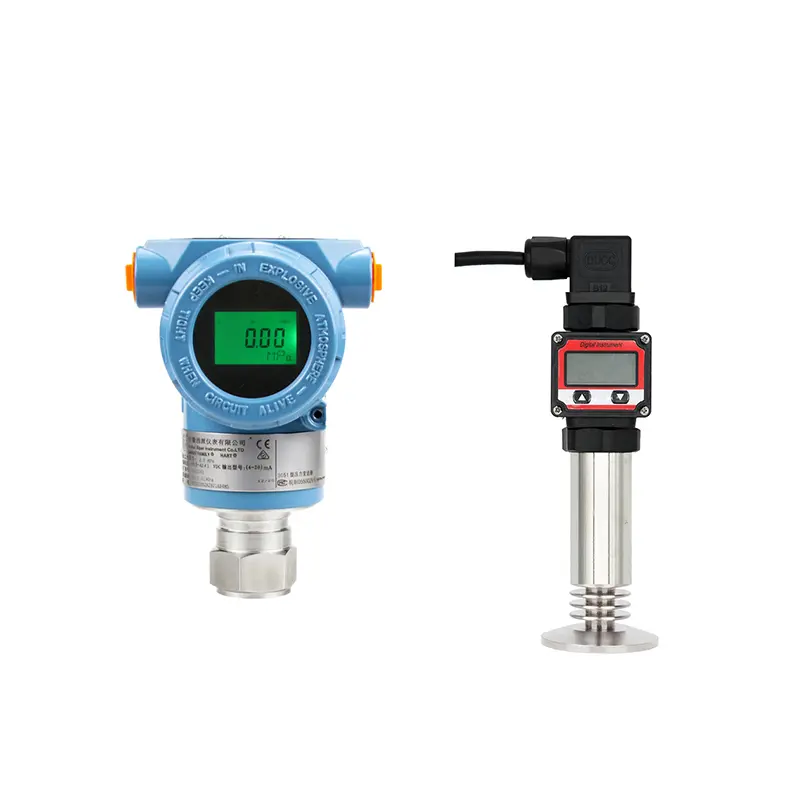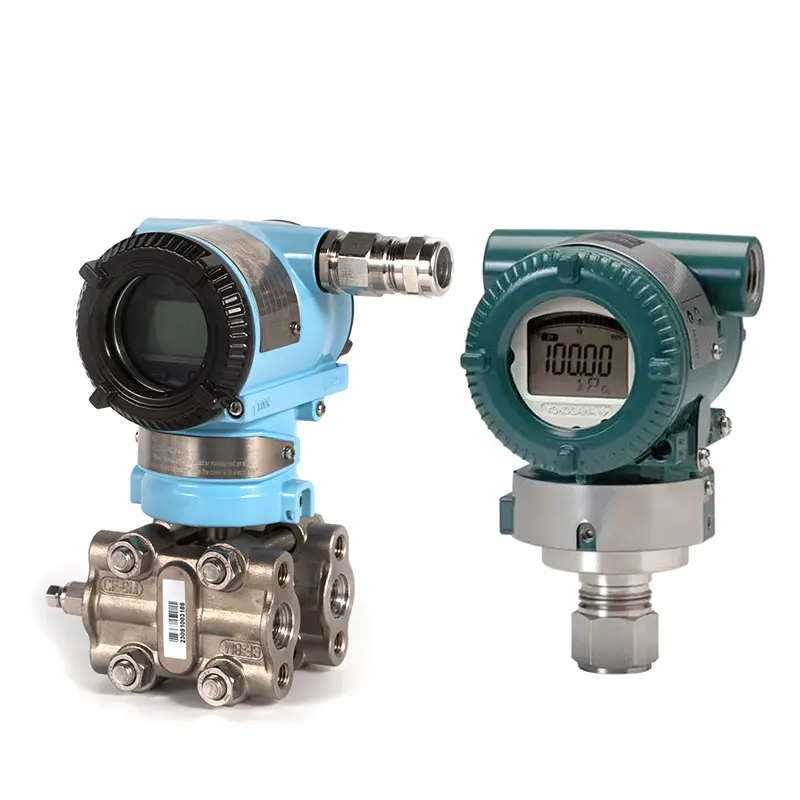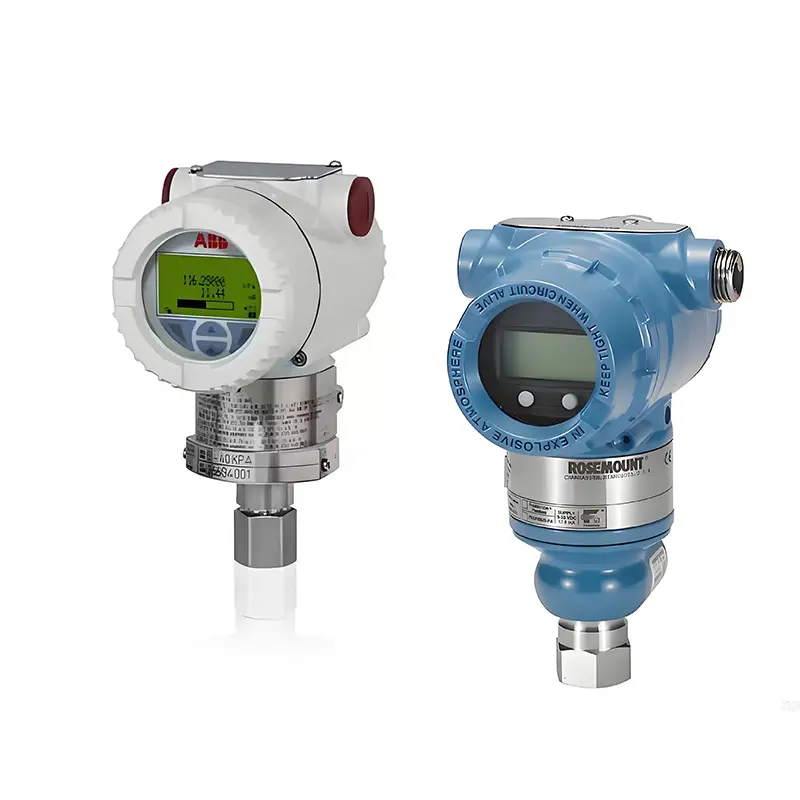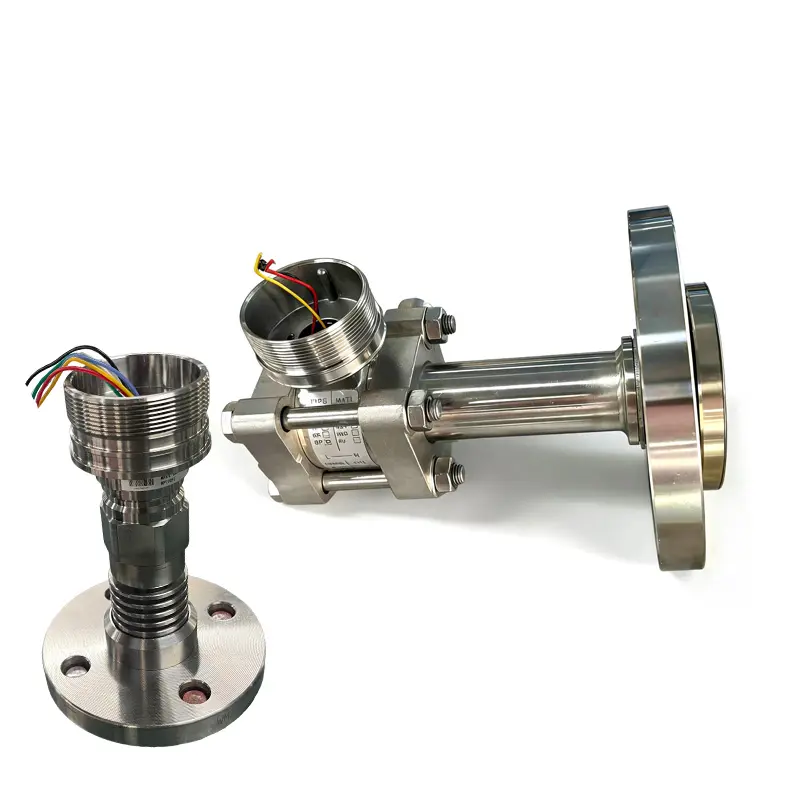
A pressure transmitter for corrosive liquids should be selected by checking the medium, concentration, temperature, wetted materials, and whether a diaphragm seal is needed. Corrosive applications cannot be selected only by pressure range. The main risk is whether the parts in contact with the liquid can survive the process.
Many buyers only ask for a “corrosion-resistant transmitter,” but that is not enough. Different acids, alkalis, wastewater, and chemical liquids need different materials and structures.
Start With the Liquid Details
The supplier needs to know what the corrosive liquid actually is. A general word like “acid” or “chemical water” may lead to wrong material selection.
Important details include:
- Liquid name and concentration
Material choice depends heavily on chemical composition. - Working temperature
Corrosion resistance can change at higher temperatures. - pH and special ions
Chloride, fluoride, or mixed chemicals may change the material choice. - Clean or dirty liquid
Solids, crystals, or sludge may create blockage as well as corrosion.
Material and Structure
For mild applications, 316L may be enough. For stronger corrosion, materials such as Hastelloy, tantalum, Monel, titanium, PTFE lining, or other structures may be considered. But the diaphragm is not the only wetted part. The process connection, flange face, gasket, and lining may also contact the medium.
If the liquid is sticky, crystallizing, dirty, or strongly corrosive, a diaphragm seal pressure transmitter may be safer than a standard threaded type.
Conclusion
Choosing a pressure transmitter for corrosive liquids requires material and structure judgment. Buyers should provide medium name, concentration, temperature, pressure, connection, and whether the liquid is dirty, crystallizing, or corrosive.
SIY Electric can help check wetted materials and diaphragm seal structures for corrosive liquid pressure measurement.