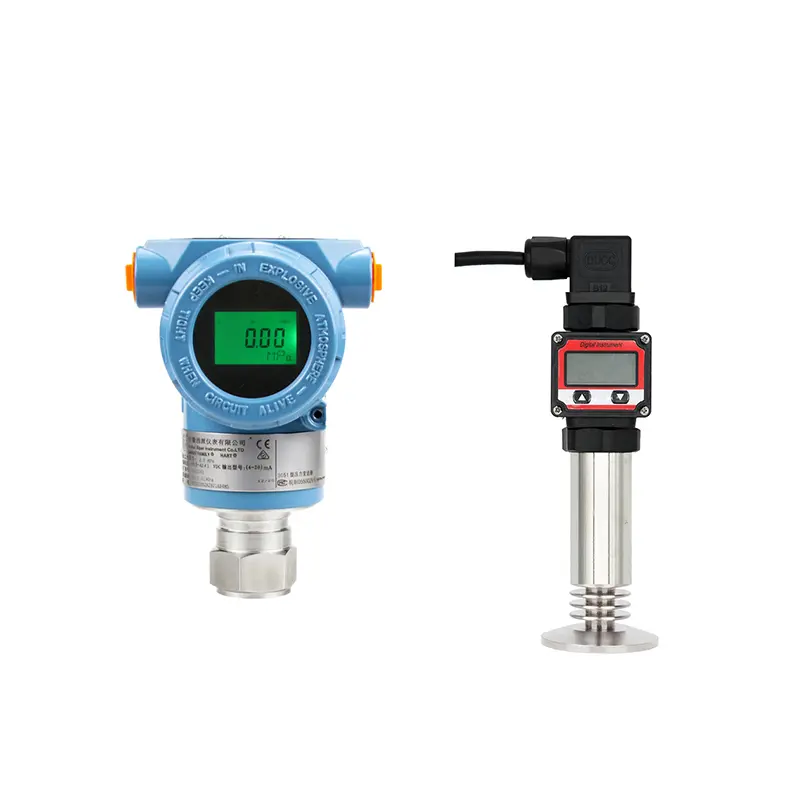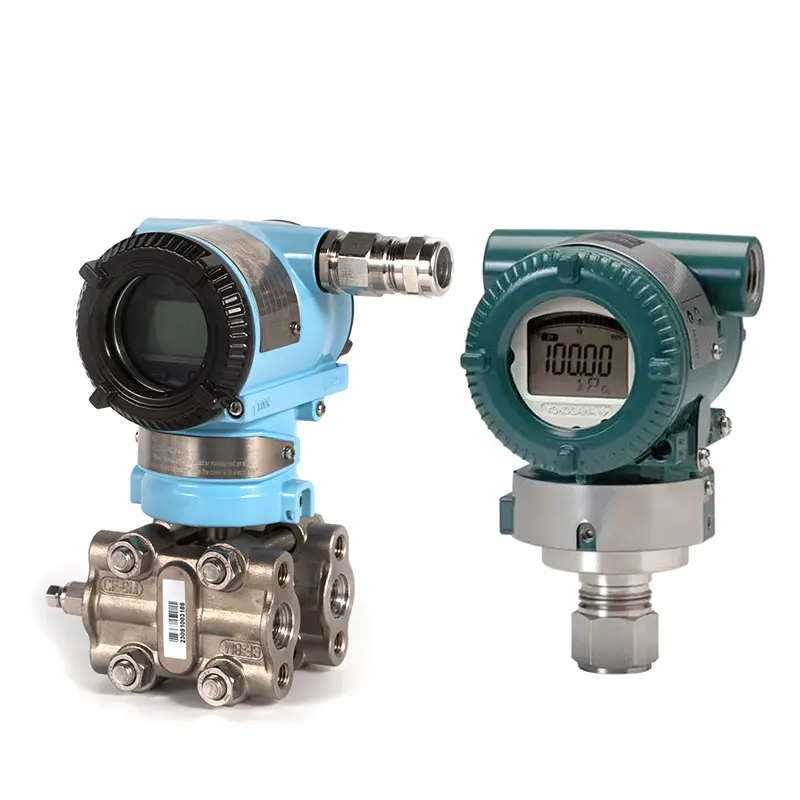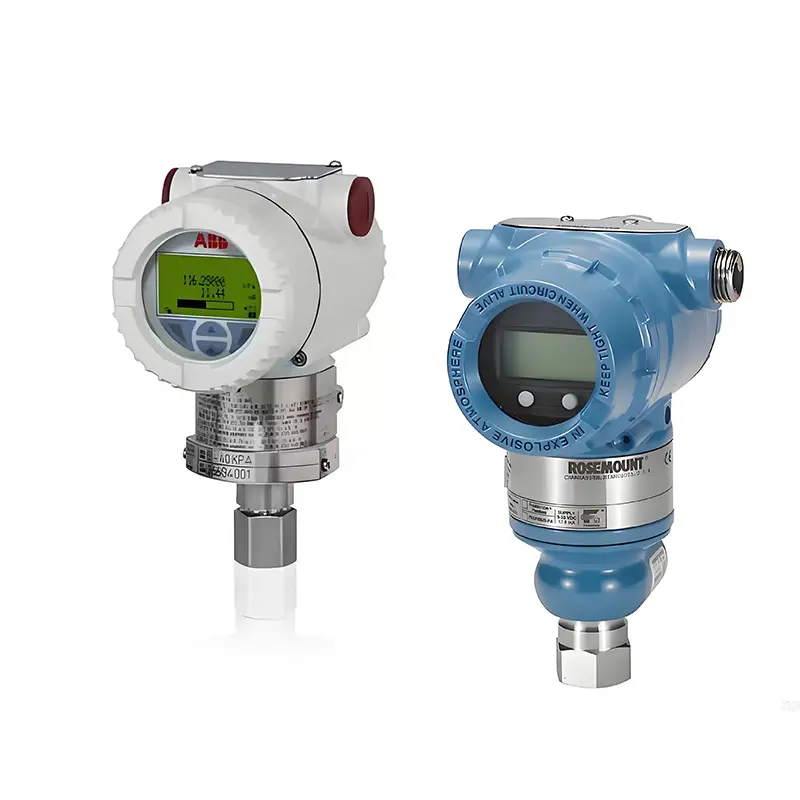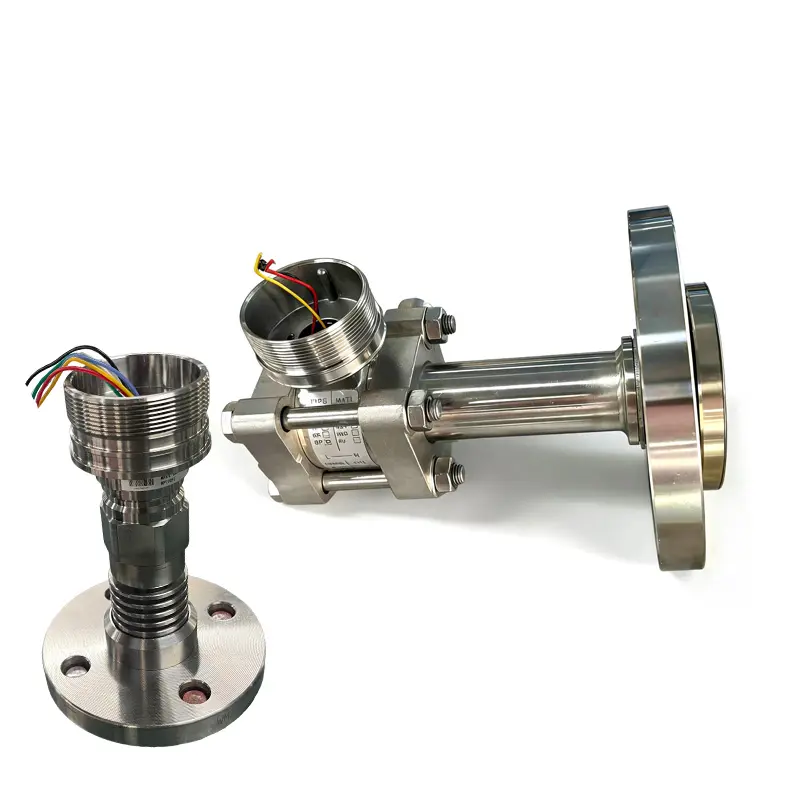
A vacuum pressure transmitter should be selected according to vacuum range, pressure reference, process medium, connection, output signal, and required accuracy. Vacuum measurement is easy to misunderstand because buyers may describe the range in different ways, such as negative pressure, absolute pressure, vacuum pressure, or compound pressure.
Before choosing a model, the first step is to confirm what the system really needs to measure. A transmitter for simple negative gauge pressure is not always the same as an absolute pressure transmitter for vacuum process control.
Confirm the Vacuum Type First
Vacuum pressure can be expressed in different references. This is where many selection mistakes happen. Some users need gauge vacuum, which is measured relative to atmospheric pressure. Others need absolute pressure, which is measured relative to absolute vacuum.
For selection, buyers should clarify:
- Gauge vacuum
Commonly expressed as negative pressure, such as -100–0 kPa. - Absolute pressure
Used when the process needs pressure measured from absolute vacuum. - Compound pressure
Used when the system may move from vacuum to positive pressure. - Required display unit
Different projects may use kPa, bar, MPa, mbar, Torr, or mmHg.
If this part is unclear, the transmitter may output the wrong value even if the physical connection is correct.
Check the Medium and Process Condition
Vacuum applications may involve air, gas, vapor, steam, chemical vapor, or process liquid. The medium affects material, sealing, and whether a diaphragm seal is needed.
For clean dry air or non-corrosive gas, a standard vacuum pressure transmitter may be enough. For corrosive gas, condensable vapor, sticky medium, or high-temperature process, the wetted material and structure should be checked carefully.
If the process may produce condensation, the installation direction and protection method should also be considered. Condensate inside the pressure port can cause slow response, drift, or damage.
Select the Right Range
The range should match the real vacuum condition. Buyers should provide normal vacuum, deepest vacuum, and whether the system may go into positive pressure.
For example, if the process only works under vacuum, a negative gauge or absolute range may be selected. If the system may switch between vacuum and pressure, a compound range is more practical.
Do not select the range only by the maximum vacuum value. The transmitter should also match the control requirement. If small vacuum changes matter, the range should not be too wide.
Output Signal and Installation
Most industrial vacuum pressure transmitters use 4–20 mA output. Some systems may require HART, RS485, Modbus, or voltage output. The output must match the PLC, controller, display, or data acquisition system.
The process connection should also be confirmed. Thread type, sealing method, installation position, and leak-tightness matter more in vacuum applications than many buyers expect.
Conclusion
Choosing a vacuum pressure transmitter requires clear confirmation of pressure reference, range, medium, condensation risk, process connection, output signal, and accuracy requirement. Buyers should not describe vacuum only as “negative pressure” without explaining the actual application.
SIY Electric can help select vacuum, absolute pressure, and compound pressure transmitters for vacuum systems, sealed vessels, pumps, process equipment, and industrial automation.