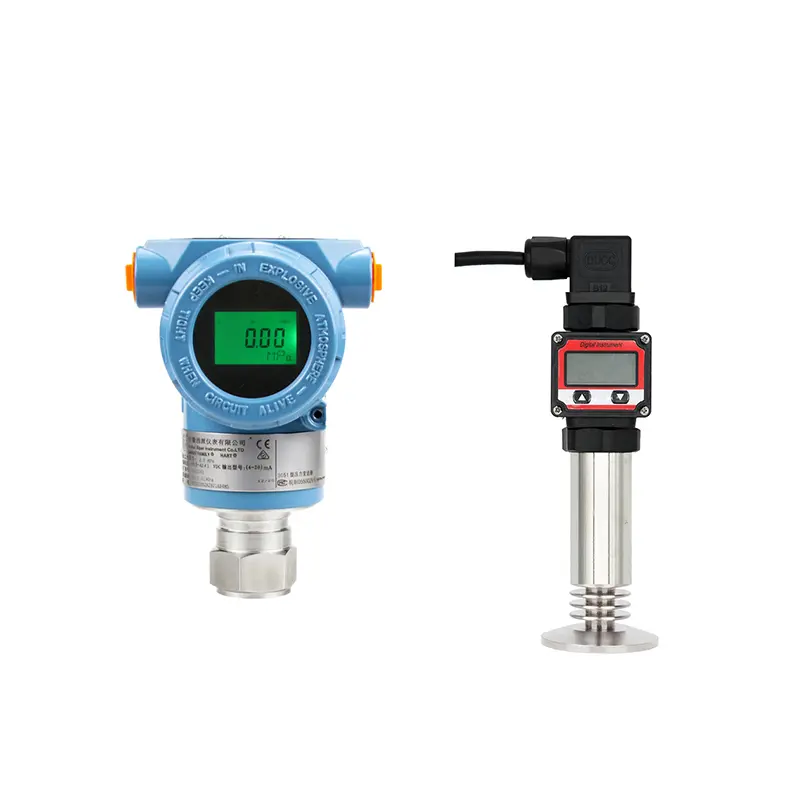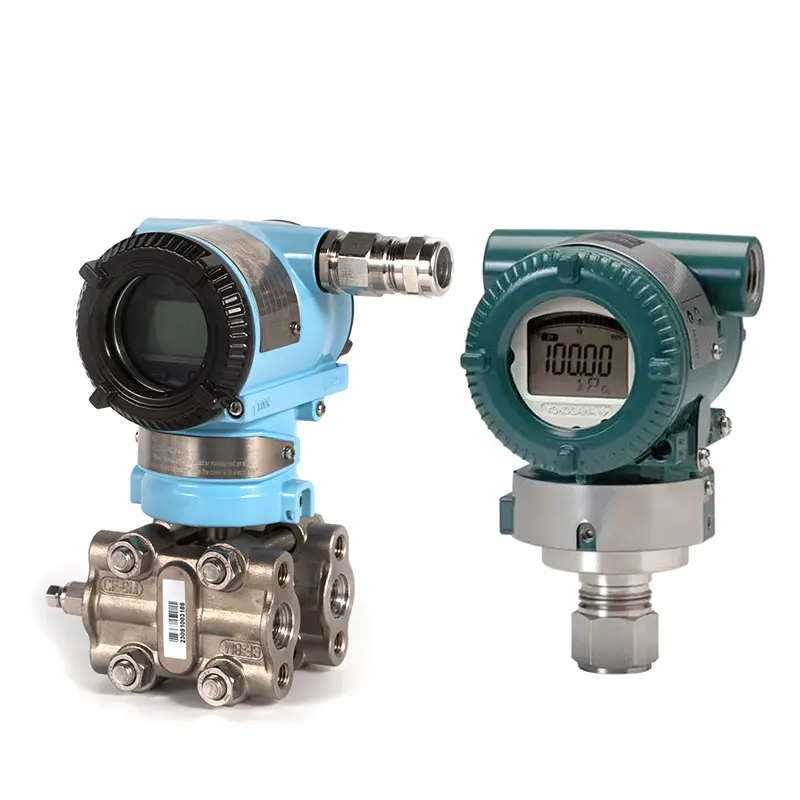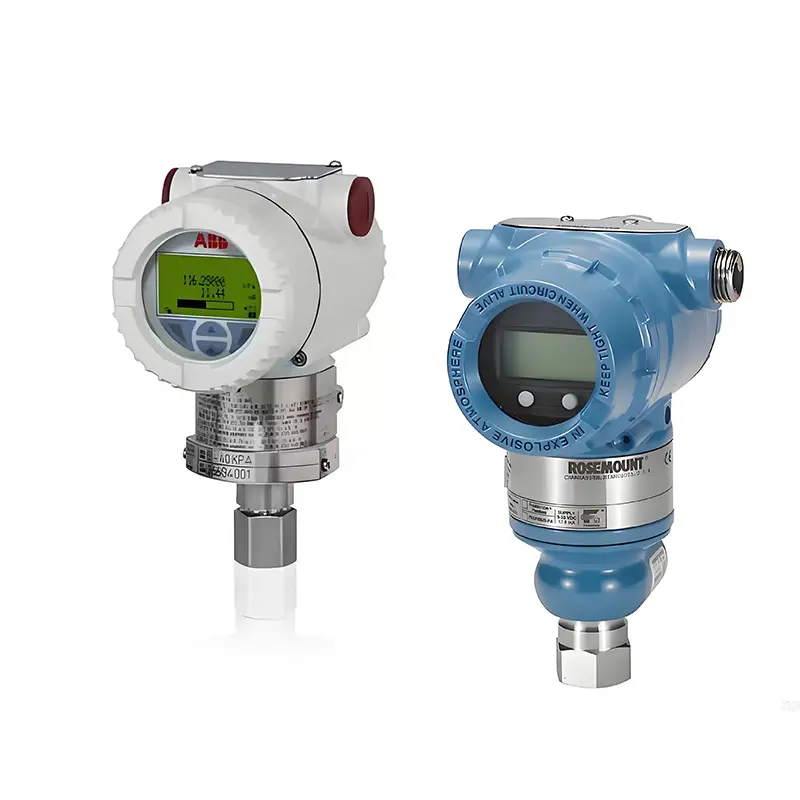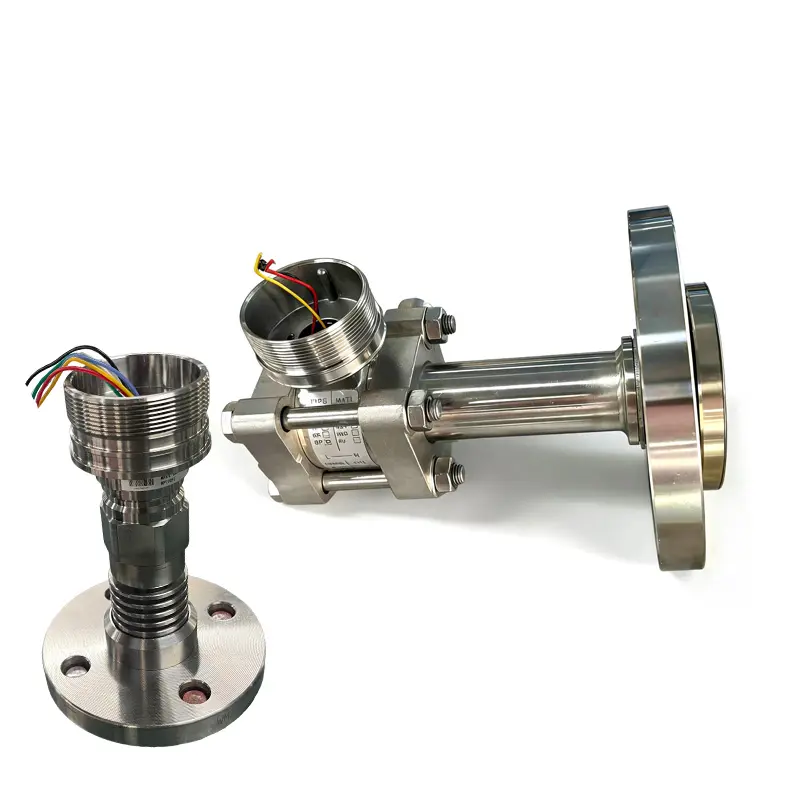
Diaphragm and flange materials for corrosive media should be selected together because both parts may contact the process and affect service life. Many buyers focus only on the diaphragm material, but in flanged diaphragm seal transmitters, the flange face, lining, gasket, and other wetted parts may also be exposed to corrosion.
Choosing the wrong material can lead to corrosion, leakage, unstable measurement, or early failure. The right material depends on medium composition, concentration, temperature, and whether the process is acidic, alkaline, oxidizing, or mixed.
Start With the Medium
Material selection should never be based only on the material price. A more expensive material is not always suitable for every corrosive medium.
Before choosing materials, confirm:
- Medium name
- Chemical concentration
- Working temperature
- pH value, if available
- Whether chloride or fluoride exists
- Whether the medium is acidic or alkaline
- Whether solids or impurities are present
This information helps avoid selecting a material that looks strong but does not match the real process.
Common Diaphragm Material Options
Different diaphragm materials are used for different corrosion conditions. Final selection should always be checked against the actual medium.
Common options include:
- 316L stainless steel
Suitable for many general liquids, but not for all corrosive media. - Hastelloy C276
Often used when stainless steel is not enough in chemical applications. - Tantalum
Suitable for some strong acid applications, but not suitable for alkali. - Monel
Used in some special chemical services, depending on medium composition. - Titanium
May be used in some chloride or oxidizing conditions, but must be checked carefully. - PTFE lining
Useful when metal wetted parts need broader chemical isolation.
Flange Material Matters Too
For flanged diaphragm seal transmitters, the flange may also contact the medium. If the diaphragm is corrosion-resistant but the flange is not, failure may still occur.
Buyers should check:
- Flange base material
- Flange face exposure
- PTFE lining requirement
- Gasket compatibility
- Bolt exposure, if relevant
- Cleaning or flushing chemicals
In some applications, a PTFE-lined flange may be more practical than using expensive alloy for the whole flange.
Temperature Changes Material Suitability
Corrosion resistance can change with temperature. A material that works at room temperature may not work at higher process temperature. Cleaning chemicals and flushing conditions may also affect material choice.
This is why temperature should always be provided together with medium information.
Conclusion
For corrosive media, diaphragm and flange materials should be selected as one wetted system. Buyers should provide the medium, concentration, temperature, corrosion condition, flange type, and cleaning method before ordering.
SIY Electric can help compare 316L, Hastelloy, tantalum, Monel, titanium, and PTFE-lined structures for diaphragm seal pressure transmitters used in corrosive applications.