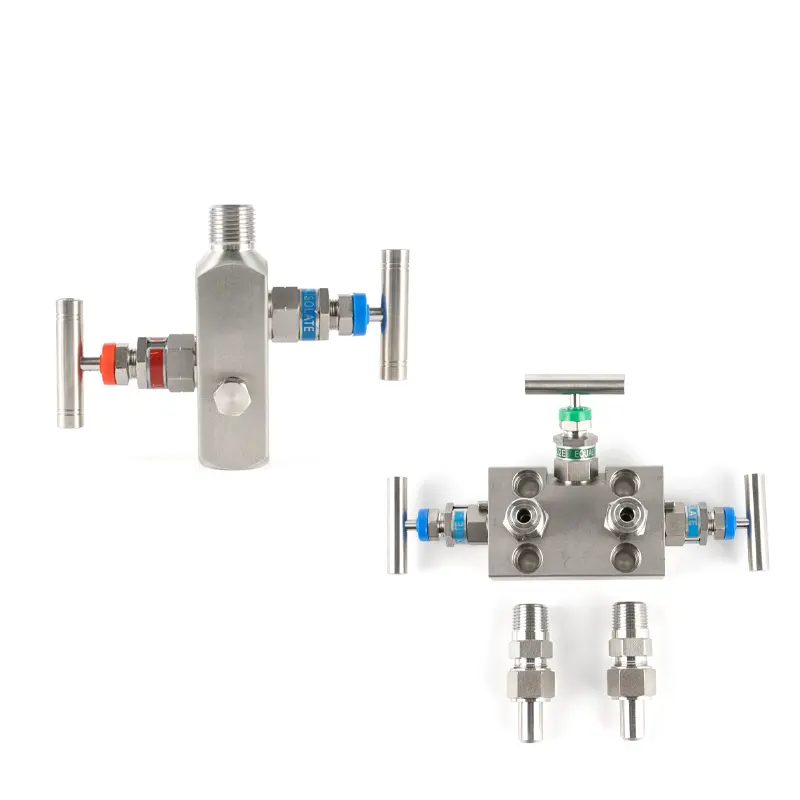
Pressure transmitter process connection should be chosen according to the installation point, medium condition, pressure rating, cleaning requirement, and existing site connection. A transmitter with the correct range and output can still be unusable if the connection does not match the pipe, tank, valve, or equipment.
Process connection is not just a mechanical detail. It affects installation, sealing, maintenance, cleaning, and sometimes material selection.
Common Process Connection Types
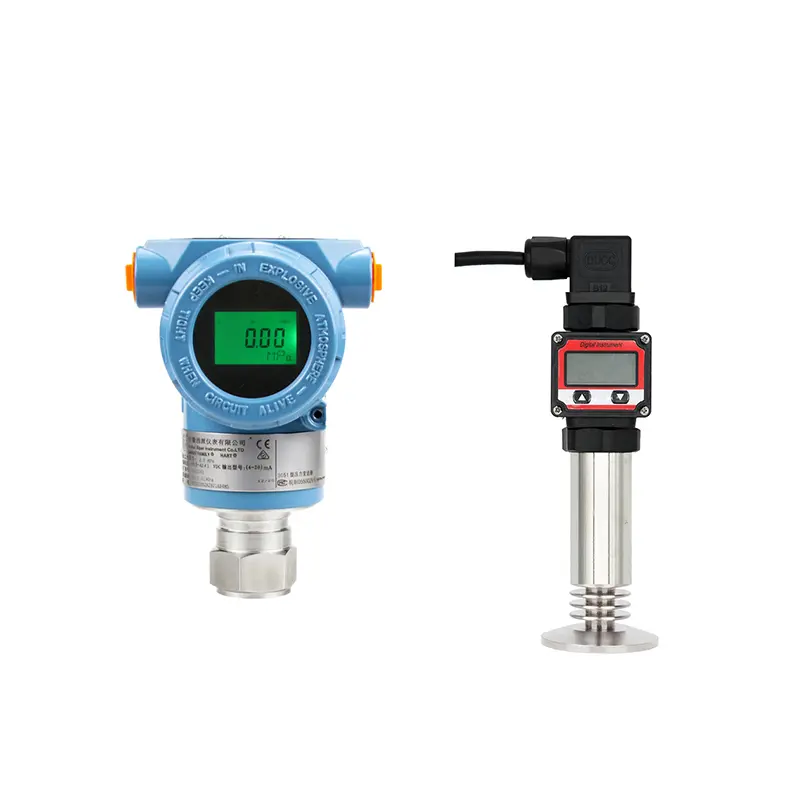
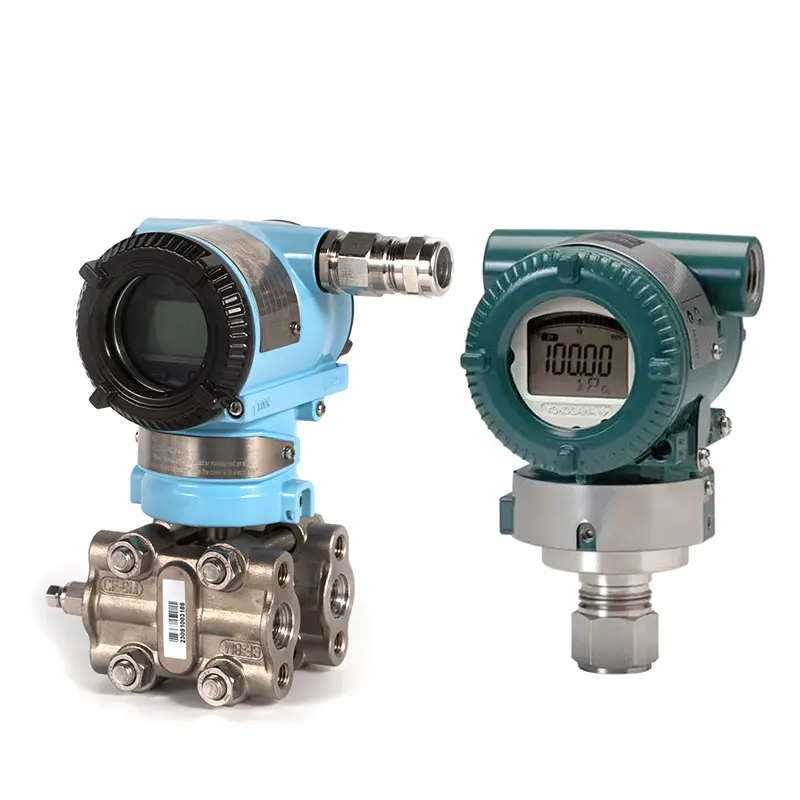
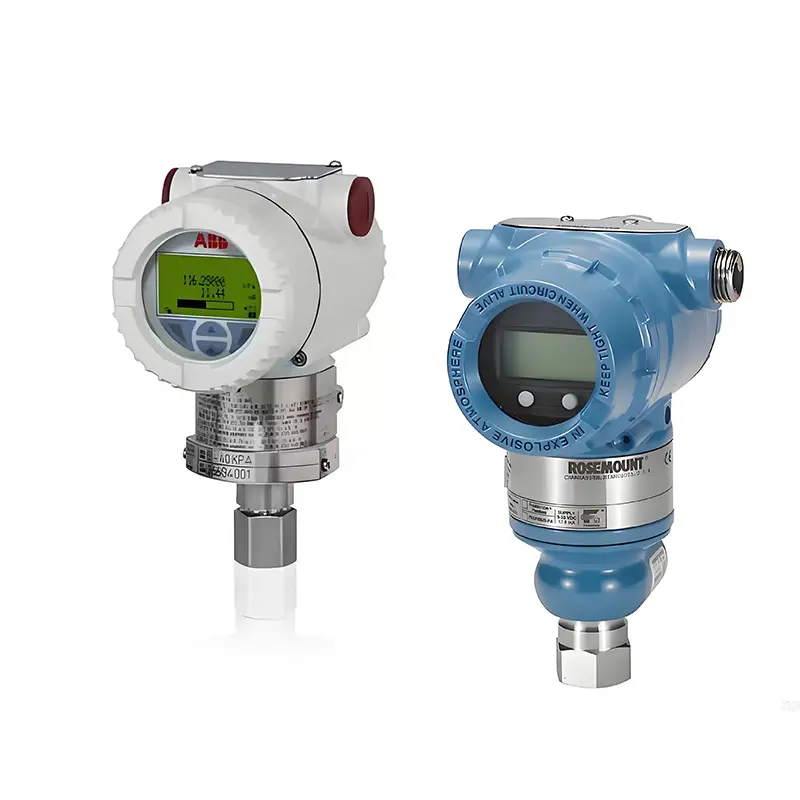
Threaded connections are common for clean gas, clean liquid, water, air, oil, and general pipeline pressure measurement. They are simple and economical, but they may not be suitable for sticky, dirty, crystallizing, or hygienic media.
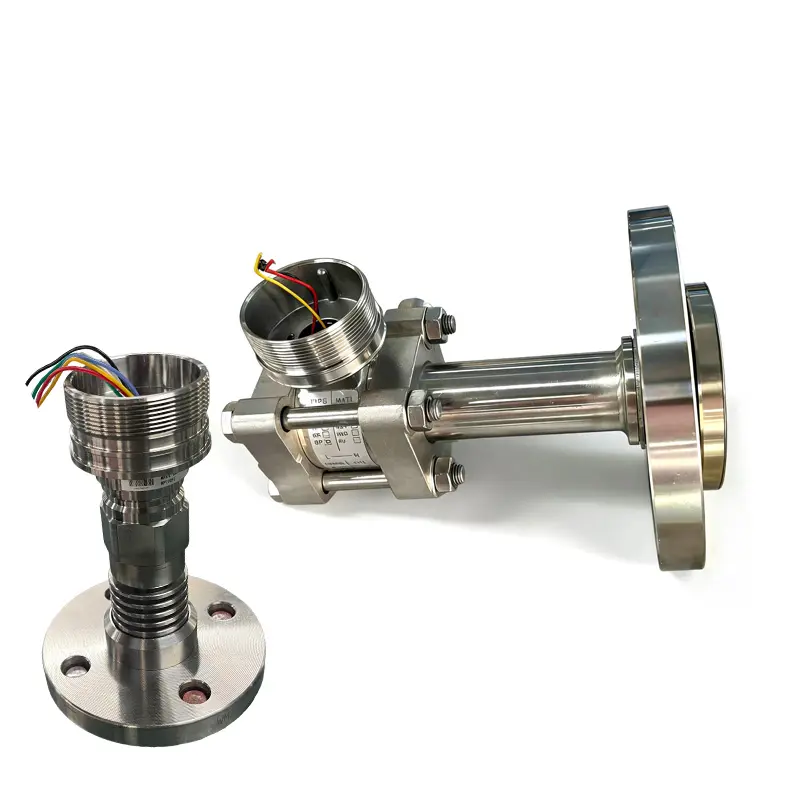
Flange connections are often used for tanks, vessels, diaphragm seal structures, corrosive media, or applications where a larger sensing surface is needed. Flange size, rating, standard, sealing face, and material must be confirmed before ordering.
Tri-Clamp connections are used in sanitary applications such as food, beverage, dairy, and pharmaceutical processes. They are selected for cleanability, not only for installation convenience.
Flush diaphragm or diaphragm seal connections are used when the medium may block a small pressure port or must be isolated from the sensor.
Start From the Medium
The medium decides whether a simple threaded connection is enough. For clean water or air, a threaded pressure transmitter is usually practical. For viscous liquids, slurry, crystallizing solutions, or corrosive chemicals, a diaphragm seal or flush diaphragm connection may be safer.
If the application is food or beverage, hygienic connection and cleanability become more important than standard thread size.
Match the Existing Site Connection
For replacement projects, the existing connection is often the most important factor. Buyers should confirm thread type, size, male or female connection, flange standard, gasket, and available installation space.
If the existing connection is unclear, photos of the old transmitter and installation point can prevent many mistakes. G thread, NPT thread, BSP thread, and metric thread should not be guessed by appearance.
Do Not Add Adapters Blindly
Adapters can solve connection mismatch, but too many adapters create more leakage points and may make the installation weak or too long. If possible, choose a transmitter with the correct process connection directly.
Adapters are useful for replacement and retrofit work, but they should match pressure rating, material, sealing method, and medium compatibility.
Conclusion
Choosing pressure transmitter process connection requires checking the medium, site connection, installation space, sealing method, material, and maintenance needs. Threaded, flanged, Tri-Clamp, flush diaphragm, and diaphragm seal connections all solve different problems.
SIY Electric can help match pressure transmitter process connections for pipelines, tanks, equipment, sanitary processes, and replacement applications.